
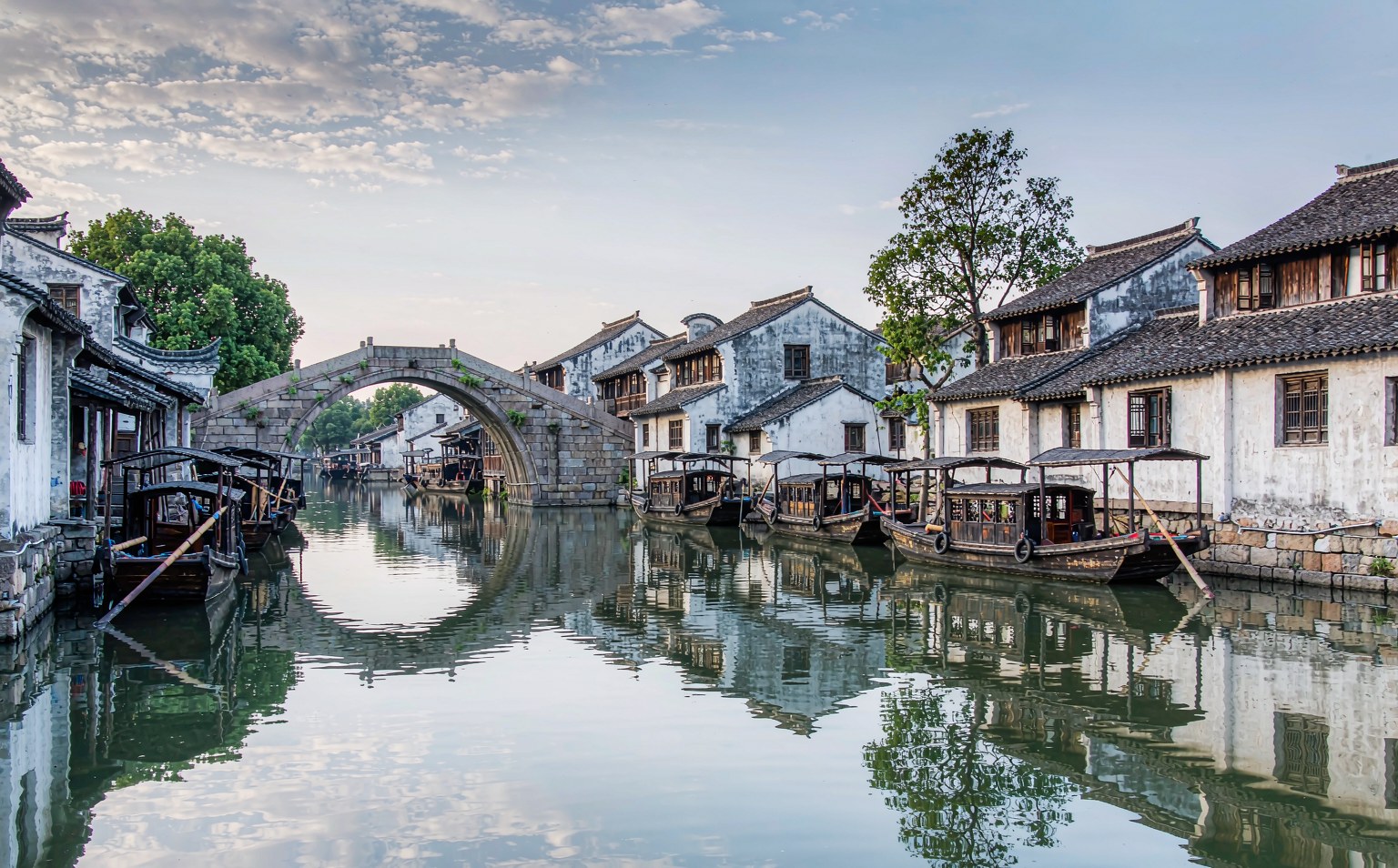
Luoyang Departure: West Lake, Xitang, 5 Days 4 Nights
Five days across three faces of Zhejiang: a slow loop of West Lake, a night inside Xitang under the covered walkways, and finally Moganshan to lie still and listen to bamboo. November brings the first red leaves and half the crowds.
Highlights
Day 1: Luoyang to Hangzhou, a short lakeside walk
We board at Luoyang Longmen in the morning and run southeast past Xuzhou and Nanjing, reaching Hangzhou East in the afternoon. Bags go to the hotel and the evening is a walk from the lakeside to First Park, where the Baochu Pagoda throws its shadow onto the water. Dinner is noodles and scallion pancakes on Hefang Street.
Attraction introduction: West Lake lies west of the old city, just over six square kilometres of water enclosed by hills on three sides, with the Su and Bai causeways dividing it into basins. The Baochu Pagoda stands on Gemstone Hill, first built in the Five Dynasties period, slender and instantly recognisable on the skyline.
Tips: Take only a short stretch on the first evening. Guests generally find that circling the whole lake on arrival day kills any appetite for walking it again. In practice we split the loop in two, lakeside first and Yanggong Causeway later, so the legs and the views both hold up.
Day 2: Yanggong and Su causeways, away from Broken Bridge
We start at Huagang watching fish and head north along the Yanggong Causeway, the quietest stretch of the lake, with bald cypress and reeds on both banks. Lunch is farm cooking at Maojiabu, then the Su Causeway in the afternoon, crossing its six bridges one by one. At dusk we stand below Leifeng Pagoda rather than climbing it, since the lakeside angle is better.
Attraction introduction: The Yanggong Causeway was built from silt dredged by Yang Mengying, the Ming dynasty prefect, and its six bridges face the six of the Su Causeway. The Su Causeway was raised under Su Shi when he governed Hangzhou, running nearly three kilometres, peach and willow in spring and cypress and maple in autumn.
Tips: Broken Bridge is the single densest point on the lake. Guests generally find the same view from the Yanggong Causeway with a fraction of the people. In practice the queue for Leifeng Pagoda is long and the shoreline below frames pagoda and water together, which saves an hour.
Day 3: Hangzhou to Xitang, sleeping under the walkway
A morning train to Jiashan South and a short transfer bring us into Xitang after lunch. The guesthouses sit on the water, so bags go down and we walk the covered corridor that runs along the river, dry even in rain. A wooden boat in the evening shows the eaves from the water, and after dark the lanterns come on and the lanes empty out.
Attraction introduction: Xitang sits in Jiashan county and is one of the six great Jiangnan water towns, with nine rivers cutting the town into eight blocks joined by twenty-seven bridges. The covered corridor runs more than a kilometre along the river with benches beneath it, where the older residents sit through the afternoon.
Tips: Xitang only works if you sleep inside it. Guests generally find a daytime stop of two hours amounts to nothing. In practice we stay in the town and rise at half past six, when the corridor and the river belong to nobody and photographs come out clean.
Day 4: Xitang at dawn, Moganshan by afternoon
Up at half past six and along the river to the Songzi Laifeng bridge, where mist sits on the water and the breakfast stalls are just opening. A bowl of wontons in town, then the narrow lane of Shipi Nong. We check out at noon for Deqing, twenty minutes by rail, then up the mountain road to a guesthouse inside the bamboo.
Attraction introduction: Shipi Nong is the narrowest lane in Xitang, over sixty metres long and under a metre at its tightest, with high walls on both sides and a strip of sky overhead. Moganshan rises above seven hundred metres in Deqing, and more than two hundred villas from the Republican era are scattered through its bamboo groves.
Tips: The mountain road bends continuously. Guests generally find travel sickness tablets worth taking before the twenty minutes of switchbacks. In practice nights on the ridge run five or six degrees cooler than the valley, so a light down jacket earns its space in the bag.
Day 5: Mountain morning, home in the afternoon
We wake to bamboo moving in the wind and a window full of green. The morning is a short walk to Sword Pond and past the stone walls of the old villas, with heavy dew making the steps slick. Farm cooking at the foot of the mountain, then the afternoon train from Deqing, changing at Hangzhou East for Luoyang.
Attraction introduction: Moganshan is mostly moso bamboo, growing in solid stands across the slopes, so any breeze becomes a long continuous rustle. Sword Pond is where the swordsmith Gan Jiang is said to have worked, with a fall dropping off the cliff into clear water, and the villa district dates from the early twentieth century, each house a different mix of stone, pitched roof and fireplace.
Tips: Everything up here holds moisture. Guests generally find the stone steps and timber walkways are wet until mid-morning and grip matters. In practice we keep the last day light, one short walk then down the mountain, which leaves a comfortable margin for the afternoon train.
Related Tours
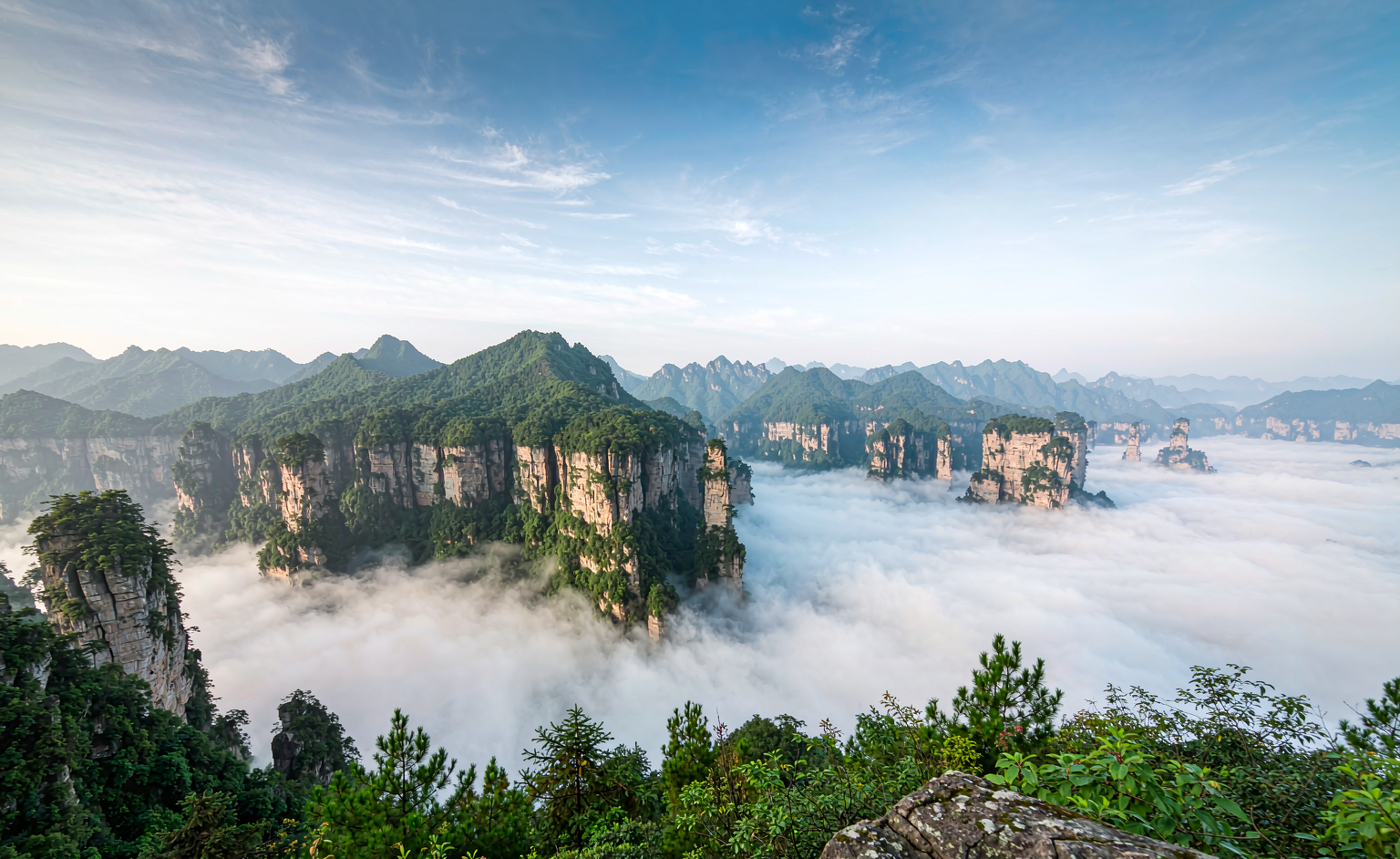
Zhangjiajie from Luoyang: Wulingyuan, Tianmen Mountain and Fenghuang, 7 Days
Seven days give Zhangjiajie four, and Fenghuang a day and a half. November mist lifts slowly, so the stone pillars at Tianzi and Yuanjiajie sit half buried in cloud until the wind moves, and that is better than a clear blue sky.
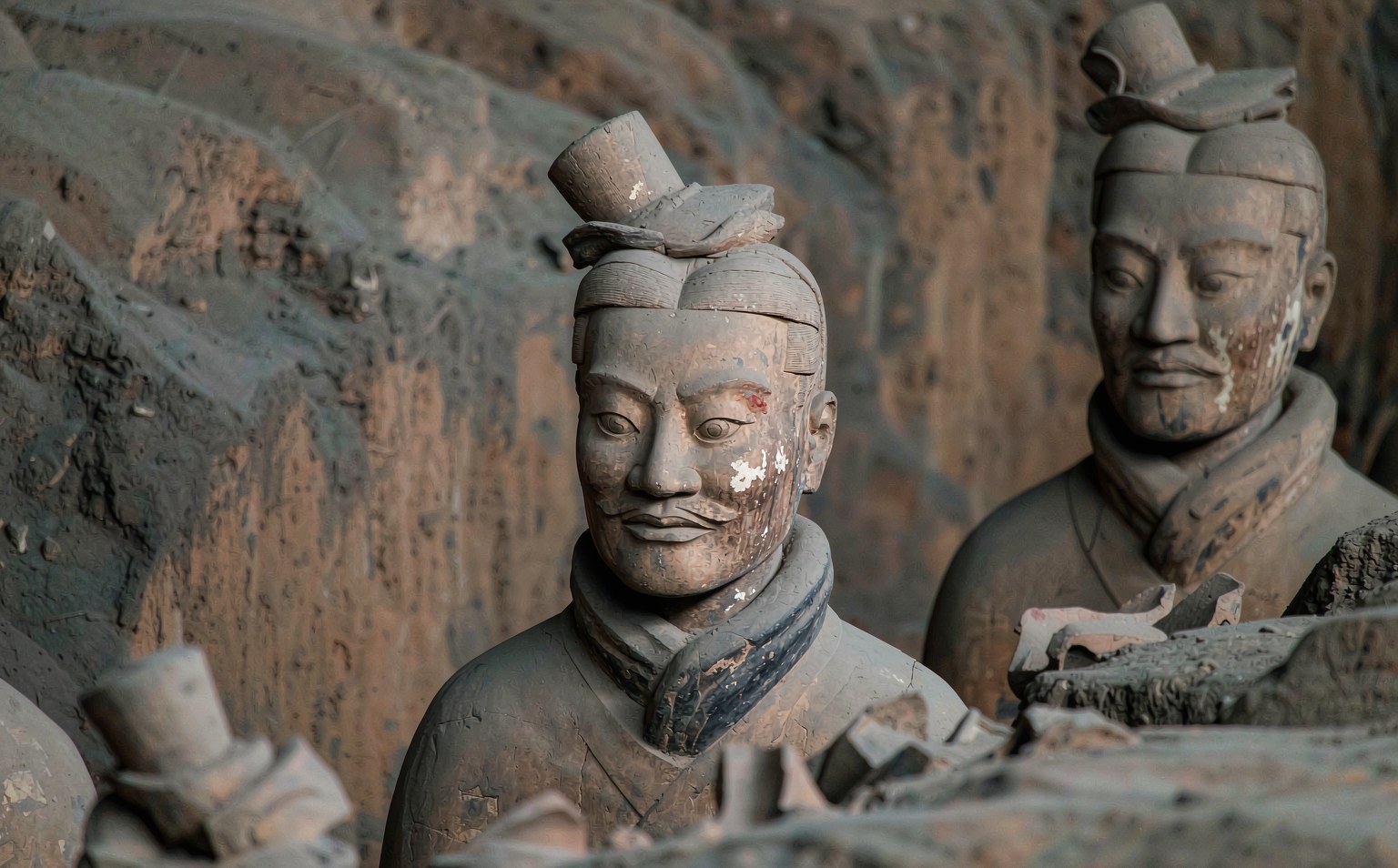
Xian from Luoyang: Terracotta Warriors, Famen Temple, Qianling and the City Wall, 6 Days
Six days split Xian into three parts: the east for Qin and Tang, the west for imperial tombs and a Buddha relic, and the old city for museums, the wall and steles. Ninety minutes by rail from Luoyang, no airport involved.
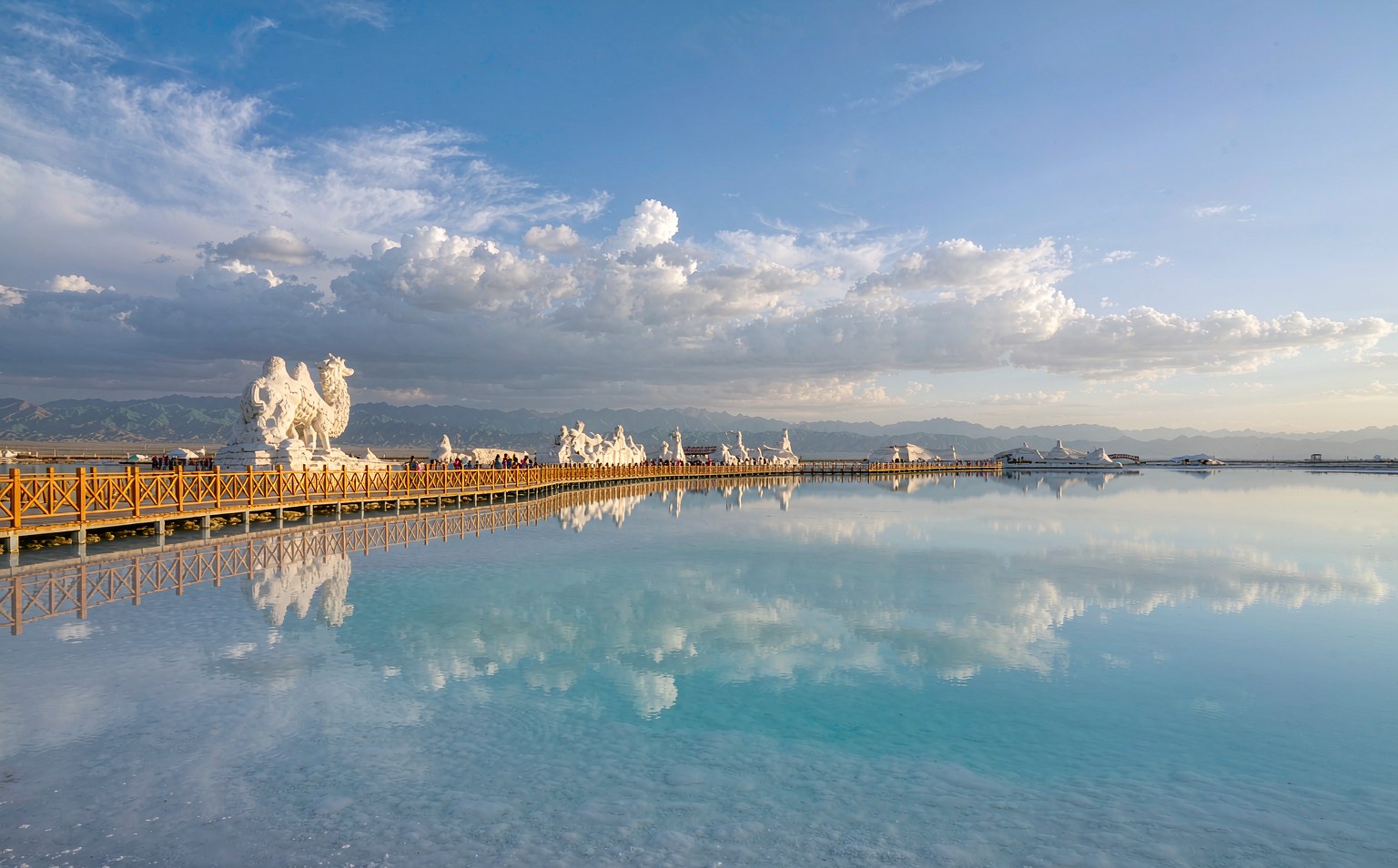
Qinghai from Luoyang: Qinghai Lake, Chaka, Guide and Kumbum, 6 Days
November is the quietest month in Qinghai. The butter sculptures still glow at Kumbum Monastery, the Yellow River runs clear at Guide, the lake shore is empty, and the little train at Chaka carries only a handful of people.
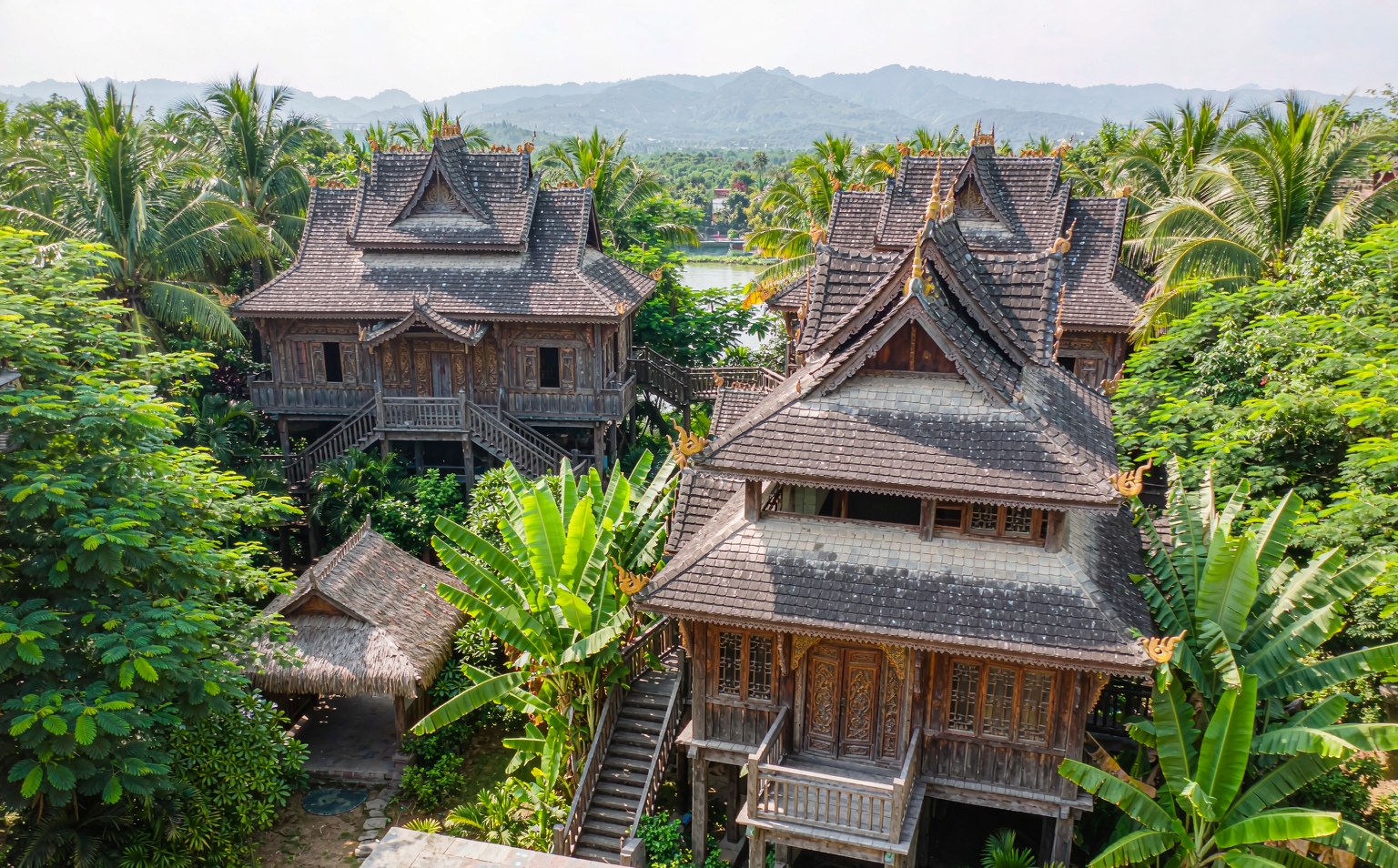
Xishuangbanna from Luoyang: Botanical Garden, Dai Villages and Gaozhuang, 5 Days
While the north is already in padded coats, Xishuangbanna still sits above twenty degrees by day. Five days give two to rainforest and botanical garden, one to the canopy walkway at Wild Elephant Valley, and the rest to Dai villages and the night market at Gaozhuang.