
Luoyang Departure: Wanxianshan, 3 Days 2 Nights
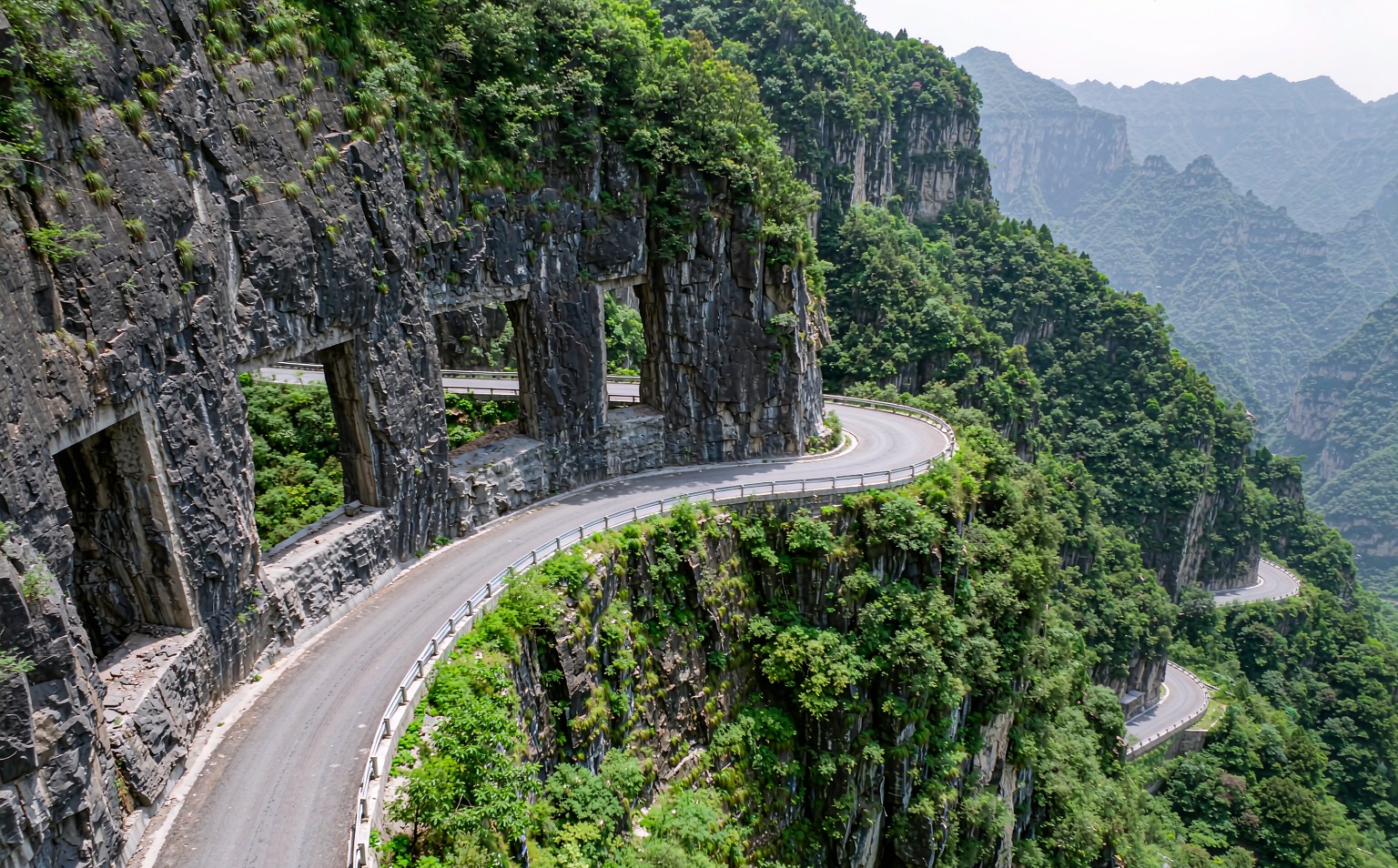
Three days inside the Taihang cliffs. The Guoliang road runs 1250 metres with 35 windows cut through rock, so the valley opposite arrives in pieces; Danfen Ravine keeps water in your ears; Qiugou holds red leaves into early November.
Highlights
Day 1: Into Guoliang, and the cliff road on foot
Luoyang to Hui county runs about three hours, and the last stretch climbs into the mountains. The shuttle stops at the mouth of Guoliang village, so bags go to the guesthouse first and the afternoon is spent walking the cliff road rather than riding it. Twelve hundred and fifty metres cut sideways into the rock, thirty-five windows letting light in at an angle, each landing on the road as a bright rectangle. Where the wall opens, the whole valley opposite appears and the village below shrinks to a handful of roofs. Back at the village before dark, and the sky comes out in full.
Attraction introduction: The Guoliang cliff road is the only way in and out of the village, 1250 metres driven horizontally through the cliff face, with 35 windows left open for light and air. Work began in 1972 and the road opened in 1977, cut by villagers with hammers and chisels. The surface is narrow enough that passing vehicles have to give way.
Tips: This is still the village road, not a closed footpath, so walk at the edge and listen for engines. Guests generally find strong wind at the windows and loose gravel underfoot, which rewards a sole with tread. In practice Nanping is not added to this day, and the legs are saved for the ravine tomorrow.
Day 2: Danfen Ravine at Nanping, following the water
Day two shifts to Nanping, twenty minutes by shuttle. The mouth of Danfen Ravine opens straight off the road and the water starts immediately. The trail drops the whole way at a gentle grade, boulders worn round by the stream, so feet pick the dry lines. At Heilong Pool the water arrives from above and the rock stays wet all year. Hand-pulled noodles in the village at midday, then a loop back on the other side, and the bus to Guoliang before sunset.
Attraction introduction: Nanping is one of the three districts of Wanxianshan, and Danfen Ravine runs downstream through a chain of falls and pools, Heilong Pool being the largest drop. The rock is the quartz sandstone typical of the Taihang range, scoured into rounded potholes by moving water. The route is mostly one way, with the road available for the return.
Tips: Stream stones look dry and behave like ice, so wet sections are worth walking around rather than over. Guests generally find far fewer people here than at Guoliang and an easier pace, but very little shade. In practice lunch in the village beats carrying food, and it buys a proper rest as well.
Day 3: Fifteen kilometres to Qiugou, home by afternoon
The last morning goes to Qiugou, fifteen kilometres and twenty minutes from Wanxianshan. It is less famous than Guoliang, which is exactly why it stays quiet. The ravine holds a pool every few dozen steps and a waterfall to match, red rock walls standing in sections, wild fruit hanging unpicked. Early November still has leaves on the branches, red over brown. Two hours on foot, lunch in the town, then the road home.
Attraction introduction: Qiugou sits in Nanzhai township of Hui county, built around red rock cliffs, pools and wild fruit, with peach blossom in spring and red leaves in autumn as its two seasons. The ravine climbs steadily, so the planting changes in clear bands, and natural stone basins and glacial potholes survive in the upper section. It opens at 7:30 and closes at 19:30, earlier in winter.
Tips: Tickets cost less online than at the gate, and booking a day ahead saves twenty or thirty yuan. Guests generally find few supply points and weak signal inside the ravine, so water goes in the bag beforehand. In practice the drive home loops back through Hui county to the expressway, which means leaving before three to avoid arriving in the dark.
Related Tours
Zhangjiajie from Luoyang: Wulingyuan, Tianmen Mountain and Fenghuang, 7 Days
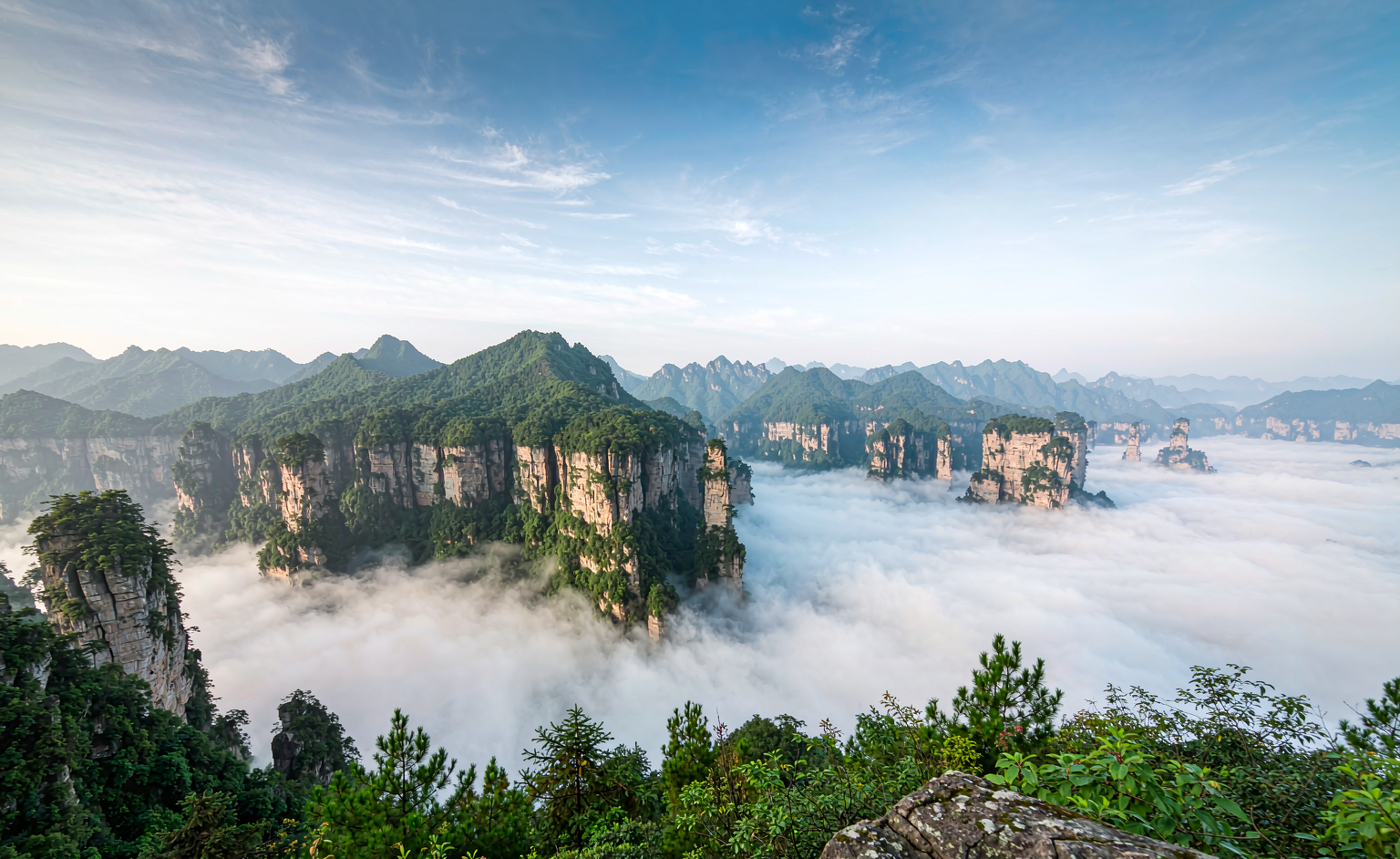
Seven days give Zhangjiajie four, and Fenghuang a day and a half. November mist lifts slowly, so the stone pillars at Tianzi and Yuanjiajie sit half buried in cloud until the wind moves, and that is better than a clear blue sky.
Xian from Luoyang: Terracotta Warriors, Famen Temple, Qianling and the City Wall, 6 Days
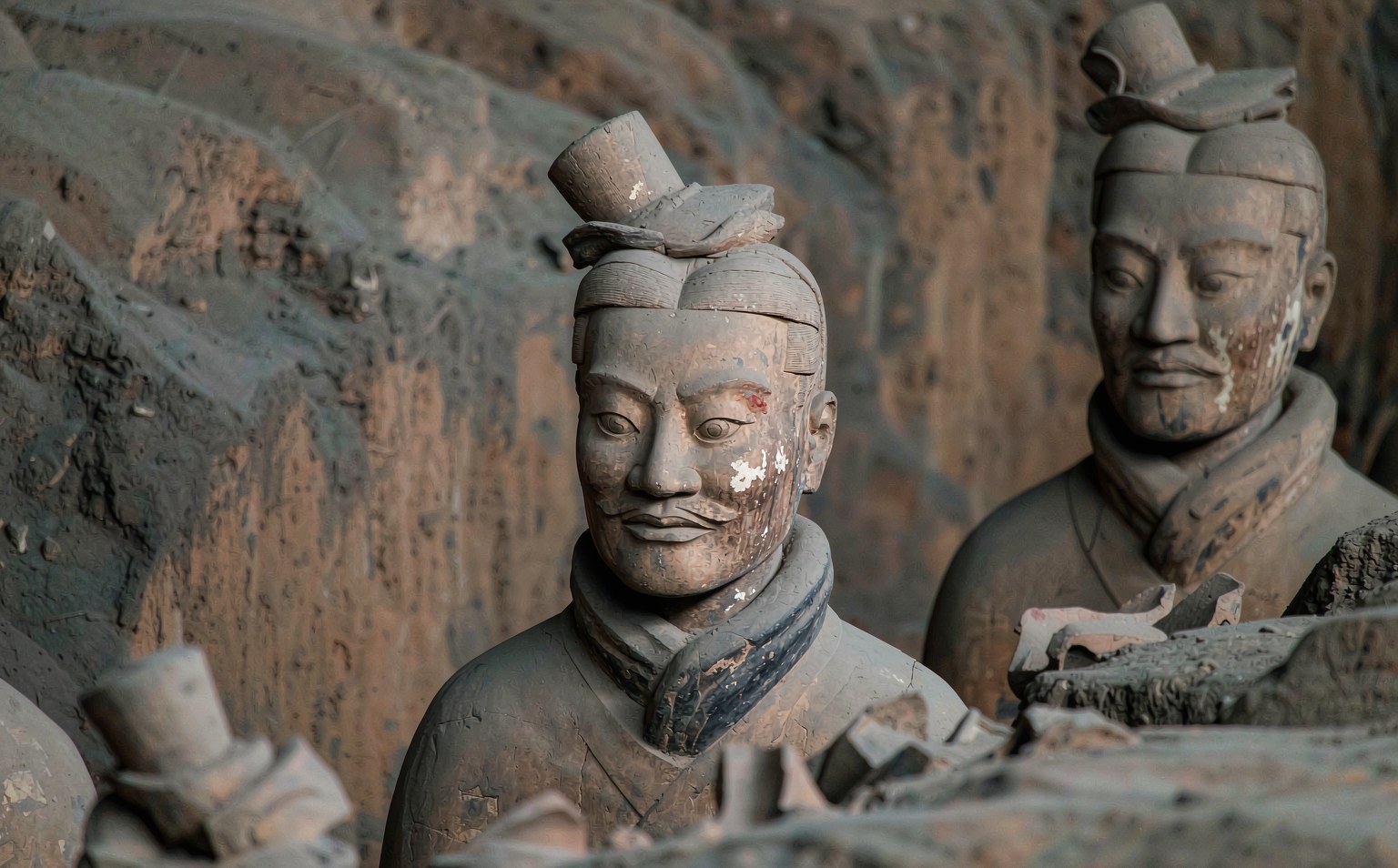
Six days split Xian into three parts: the east for Qin and Tang, the west for imperial tombs and a Buddha relic, and the old city for museums, the wall and steles. Ninety minutes by rail from Luoyang, no airport involved.
Qinghai from Luoyang: Qinghai Lake, Chaka, Guide and Kumbum, 6 Days
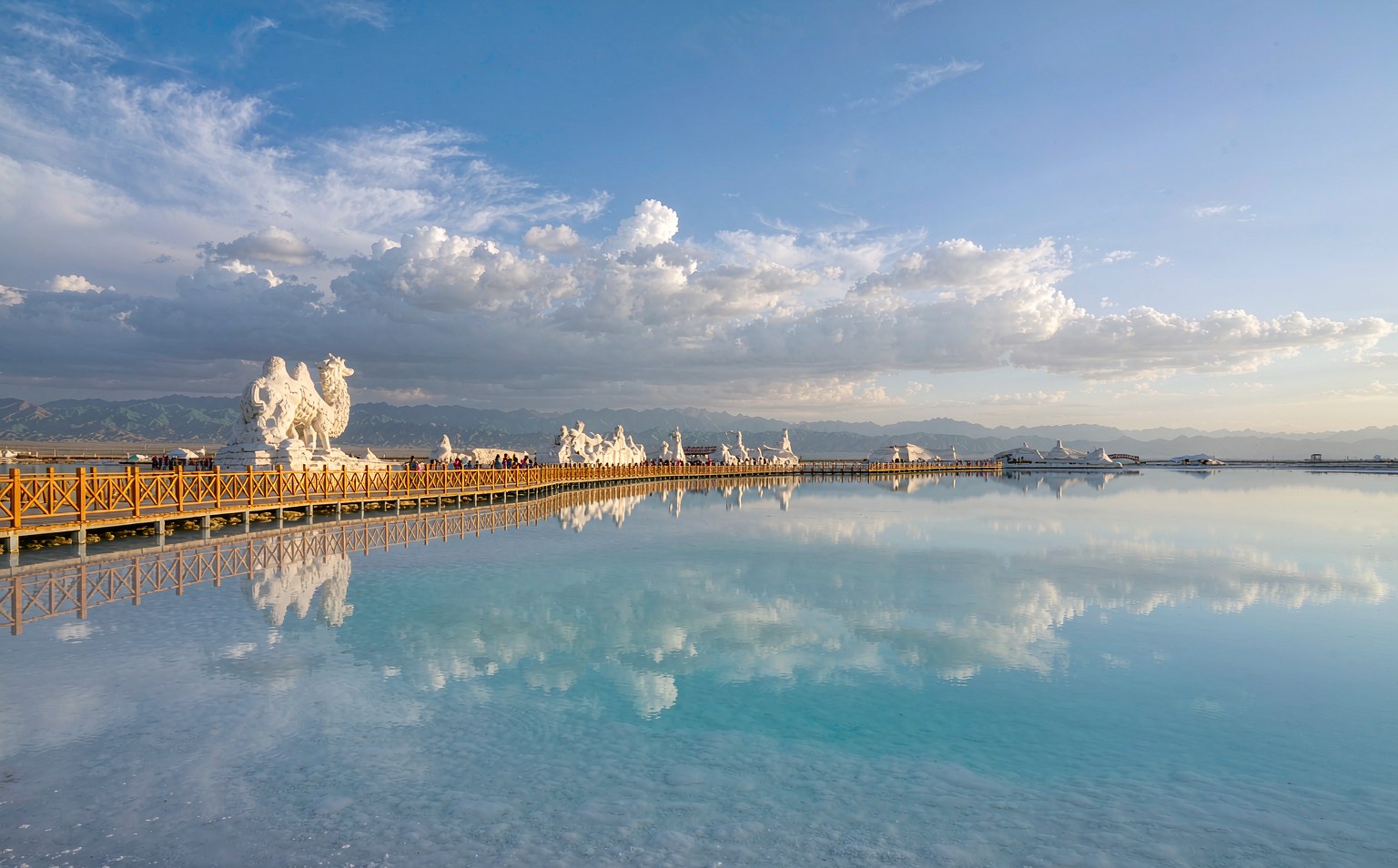
November is the quietest month in Qinghai. The butter sculptures still glow at Kumbum Monastery, the Yellow River runs clear at Guide, the lake shore is empty, and the little train at Chaka carries only a handful of people.
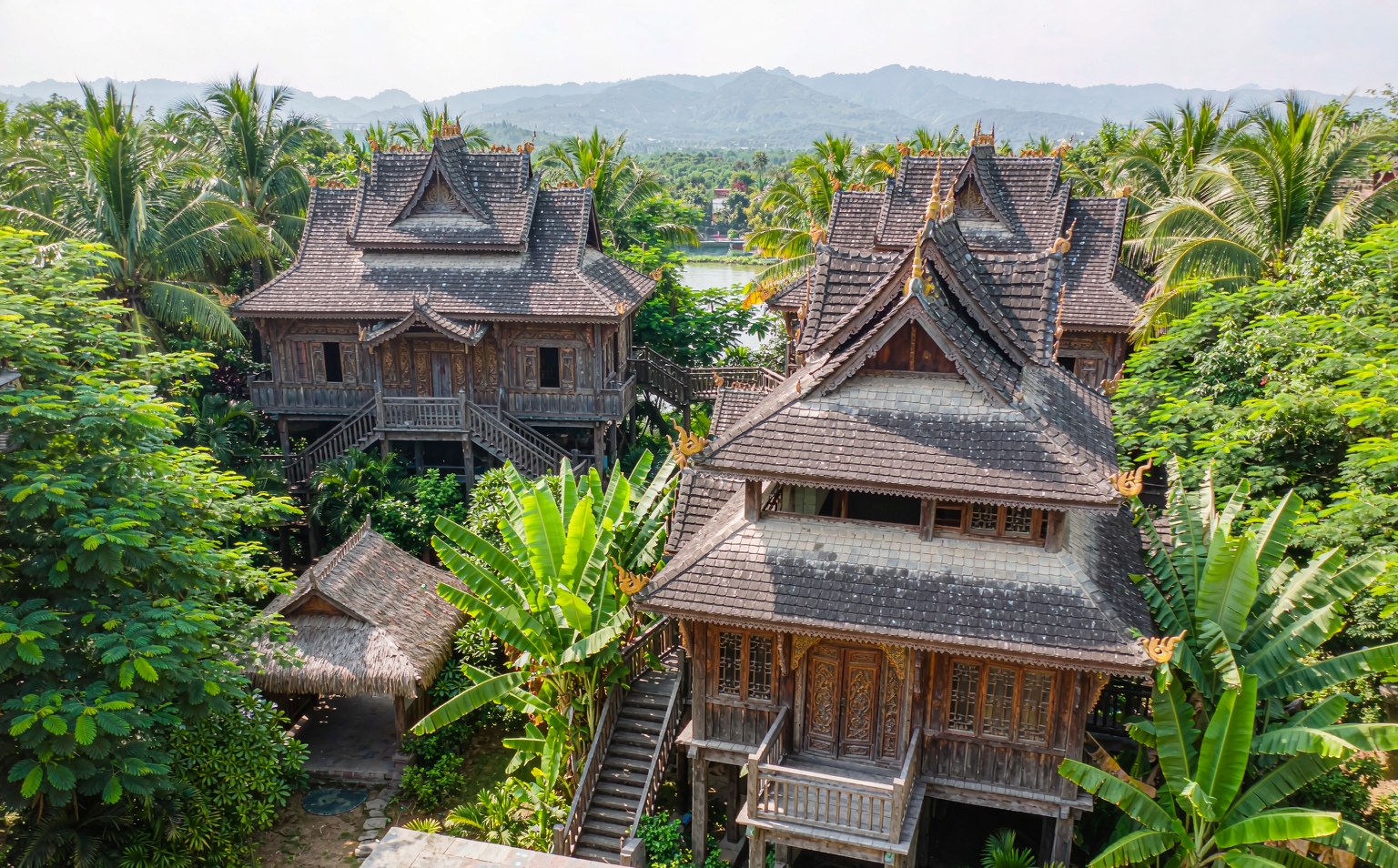
Xishuangbanna from Luoyang: Botanical Garden, Dai Villages and Gaozhuang, 5 Days
While the north is already in padded coats, Xishuangbanna still sits above twenty degrees by day. Five days give two to rainforest and botanical garden, one to the canopy walkway at Wild Elephant Valley, and the rest to Dai villages and the night market at Gaozhuang.