
Songshan from Luoyang: Shaolin Temple, Sanhuangzhai, Songyang Academy and Zhongyue Temple, 4 Days 3 Nights
Four days given to one mountain, seen from the valley up. Shaolin for the halls and the fighting monks, the pagoda forest for its brick towers, half a day on the cliff walk at Sanhuangzhai, and two Han dynasty cypresses at the old academy.
Highlights
Day 1: Into Dengfeng, Shaolin main halls in the afternoon
We leave Luoyang at nine, take the Zhengshaoluo expressway and reach Dengfeng at half past ten. After lunch we enter the Shaolin scenic area and walk up the axis from the gate through the Hall of Heavenly Kings, the Mahavira Hall, the Sutra Library, the abbot quarters and the Standing in Snow Pavilion, where the mural of the severed arm always draws a crowd. The afternoon is timed to the martial arts show in the training hall, where the monks truly throw each other. We walk back down the same way, take a turn along the Shaoxi stream outside and return to the hotel at dusk.
Attraction introduction: Shaolin Temple was founded in the nineteenth year of Taihe of the Northern Wei, taking its name from the dense forest on the north side of Shaoshi Mountain. Bodhidharma sat in meditation here for nine years and the temple became the ancestral court of Chan Buddhism, while the Standing in Snow Pavilion records the second patriarch cutting off his own arm. The martial arts show runs on a fixed schedule and is included in the ticket.
Tips: The axis is short but the halls are narrow and a single group blocks them. Guests generally find the morning show leaves the halls quieter than the afternoon. In practice we cover the halls in the first hour after entering and take the courtyards again after the show disperses.
Day 2: Sanhuangzhai, walking the cliff of Shaoshi
A cable car lifts us onto Shaoshi Mountain in the morning and the cliff walk begins at the top station. The path cuts sideways along the mountain, rock on one side and several hundred metres of drop on the other, a concrete deck underfoot with welded railing outside. At the chain bridge section the deck narrows to a few people at a time and sways when the wind picks up. Lunch is a bowl of noodles from a stall halfway, then we continue to the end of the walkway and come back the same way to the cable car. Five hours in all.
Attraction introduction: Sanhuangzhai sits on the flank of Shaoshi Mountain, its walkway cut laterally along the cliff for several kilometres and counted the most exposed path on Songshan. The old shrine at the far end honours the three legendary emperors. The walk is covered by the Shaolin ticket, while the cable car is bought separately.
Tips: The narrowest point takes two people abreast and anyone uneasy with heights will feel it. Guests generally find the body adjusts after the first third and the early stretch is too soon to look back. In practice we carry enough water, since supply points are few, and the November wind dries you out quickly.
Day 3: Pagoda forest and the first patriarch hall, academy in the afternoon
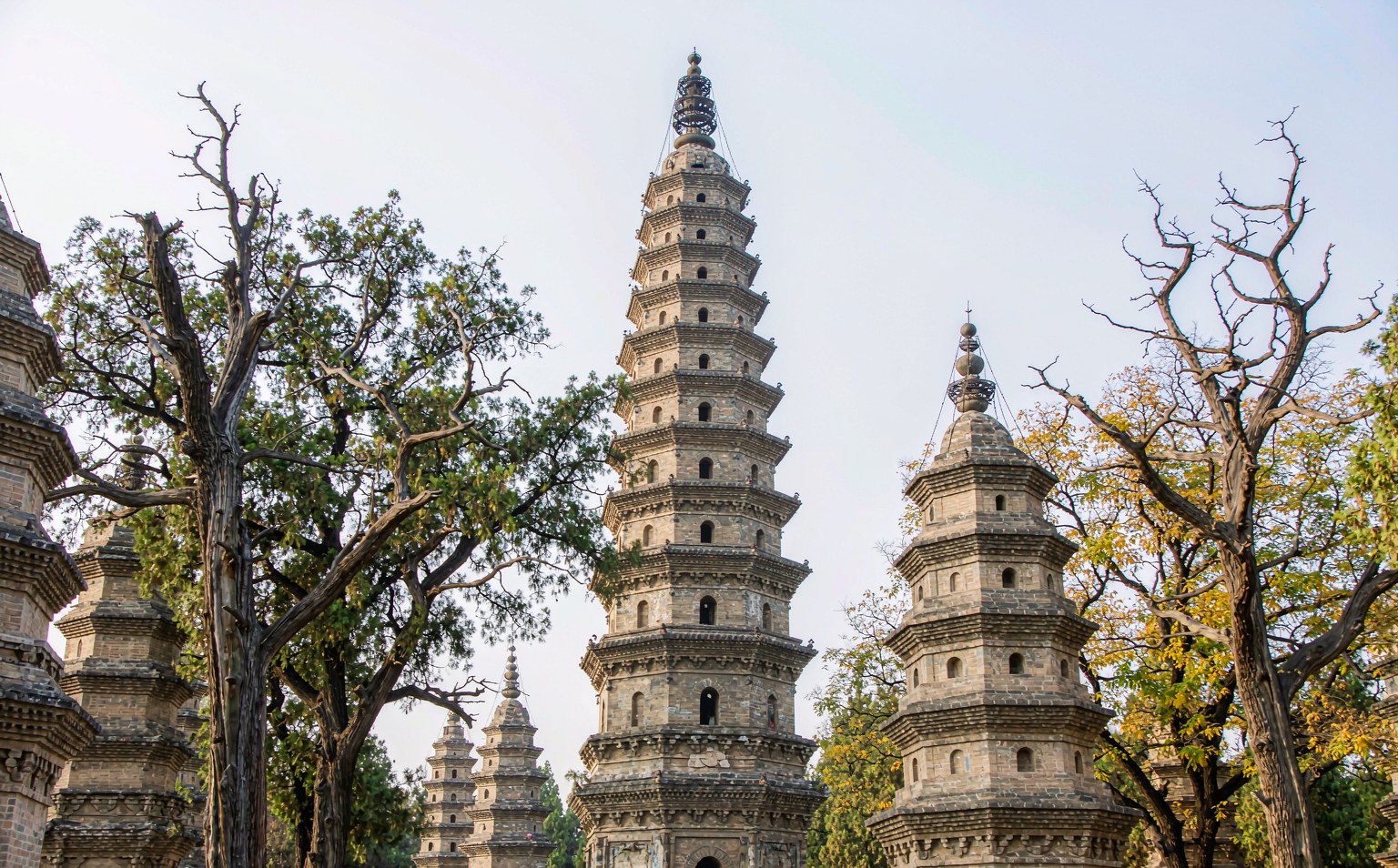
We return to Shaolin in the morning but skip the main halls for the pagoda forest to the west. More than two hundred brick and stone towers stand on the slope, some fifteen metres tall and some the height of a person, dated by inscription from Tang through Qing. Twenty minutes uphill to the northwest is the First Patriarch Hall, its main hall a wooden structure of the Northern Song with arhats carved on the stone columns. Lunch in the city, then Songyang Academy, beginning with the two cypresses before following the axis to the lecture hall.
Attraction introduction: The pagoda forest holds the tomb towers of successive abbots and eminent monks, more than two hundred and forty still standing, the largest such group in the country. The First Patriarch Hall was built in memory of Bodhidharma and its main hall is among the earlier wooden buildings surviving in Henan. Songyang Academy was one of the four great academies of the Northern Song, with two ancient cypresses attributed to Emperor Wu of Han and a stele from the Tianbao years of Tang.
Tips: With so many towers the eye stops distinguishing them after a while. Guests generally find the Tang examples to the right of the entrance are the plainest in form and worth separate attention. In practice two hours covers both the forest and the hall, leaving the rest for the academy, where the cypresses and the Tang stele matter most.
Day 4: Zhongyue Temple and the observatory, home after lunch
The morning goes to Zhongyue Temple, entering at the Chinese Gate and moving inward through the Remote Ceremony Pavilion, the Tianzhong Tower and the Junji Gate to the main hall. Four iron figures stand to either side of the courtyard, rusted over but still fierce in the face. A path behind the hall climbs Huangai Peak, and anyone without the legs for it can sit in the courtyard instead. After lunch we drive to Gaocheng for the observatory, a brick platform with a vertical channel cut down its face where the noon shadow falls. Then back to Luoyang, arriving at five.
Attraction introduction: Zhongyue Temple is where the central sacred peak has been sacrificed to since the Qin, the present buildings rebuilt under Ming and Qing, its axis running from the Chinese Gate to the main hall in one of the larger Daoist complexes among the five sacred peaks; the four iron figures in the courtyard were cast in the Northern Song. The observatory at Gaocheng was built under Guo Shoujing in the Yuan and is among the earliest surviving in the country, with a Tang stone gnomon standing in front of it.
Tips: The temple is worth seeing for its layout rather than any single object, and the axis is enough. Guests generally find the observatory free and almost empty, quiet enough to hear the wind. In practice we keep both for the departure day so the expressway follows directly with no doubling back.
Related Tours
Qiandao Lake from Luoyang: Shexian and Yangchan Tulou, 5 Days
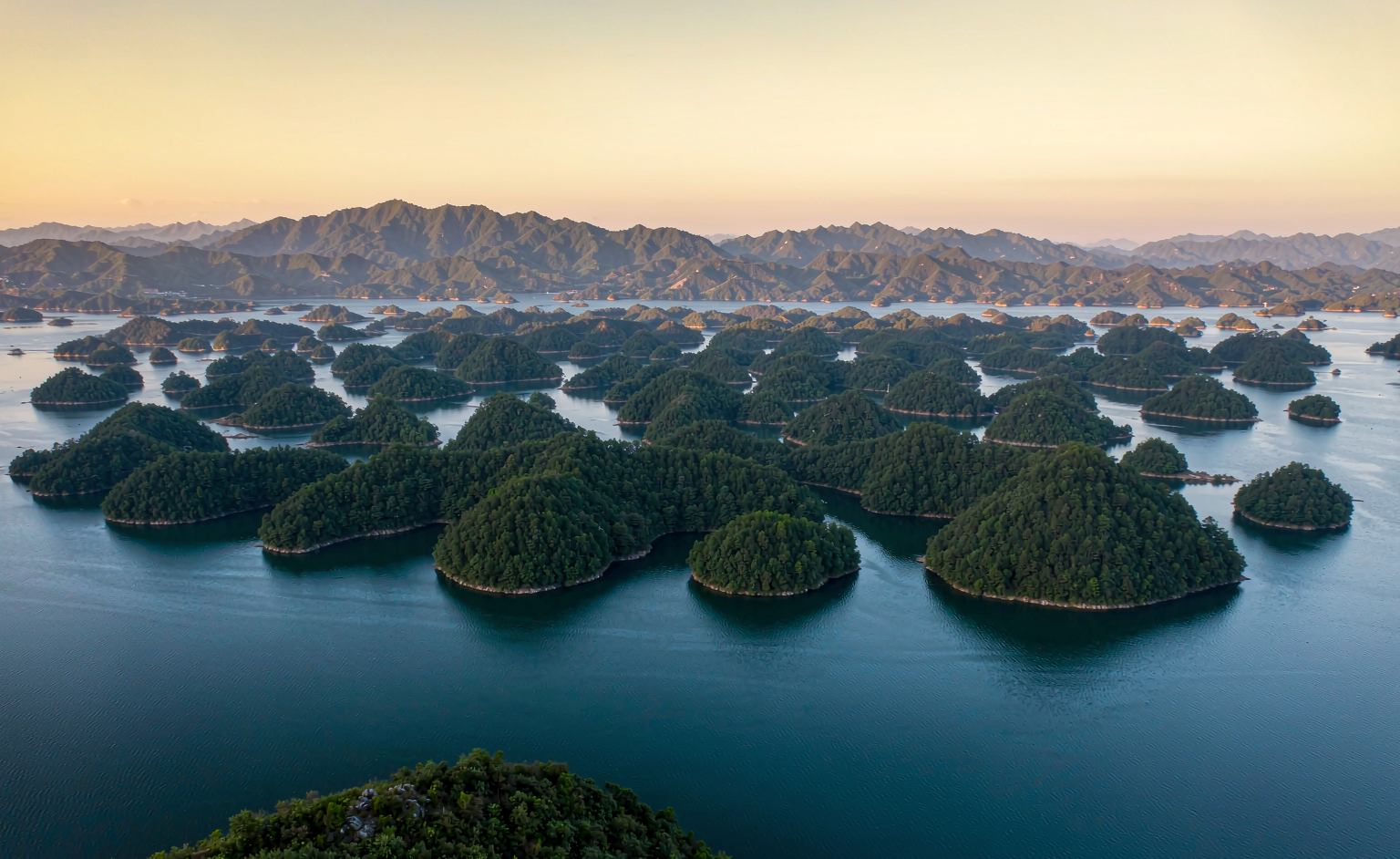
The water at Qiandao Lake is a pale green, and its thousand islands look scattered by hand. West over the ridge lies Shexian, where earthen houses stack up the slope and every roof carries drying trays in November.
Shanghai from Luoyang: Disneyland, the Bund and Wukang Road, 4 Days
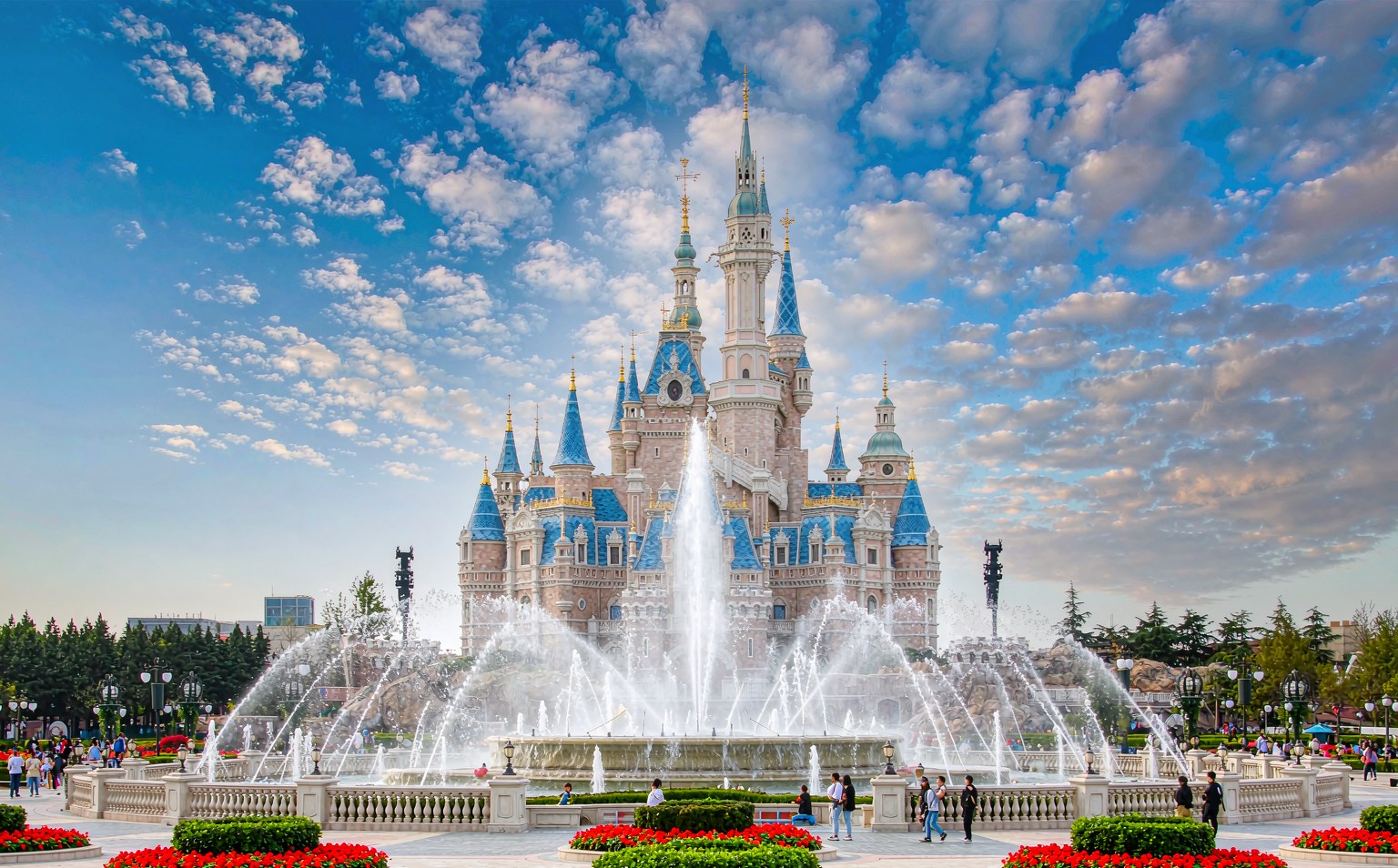
Four days in Shanghai, one given wholly to Disneyland and the rest spent on foot. The ship-prow corner of the Wukang building seen from below, the river wind at six in the morning on the Bund, both firmer than any photograph.
Dunhuang from Luoyang: Mogao Caves, Crescent Lake, Yumen Pass and Yardang, 6 Days
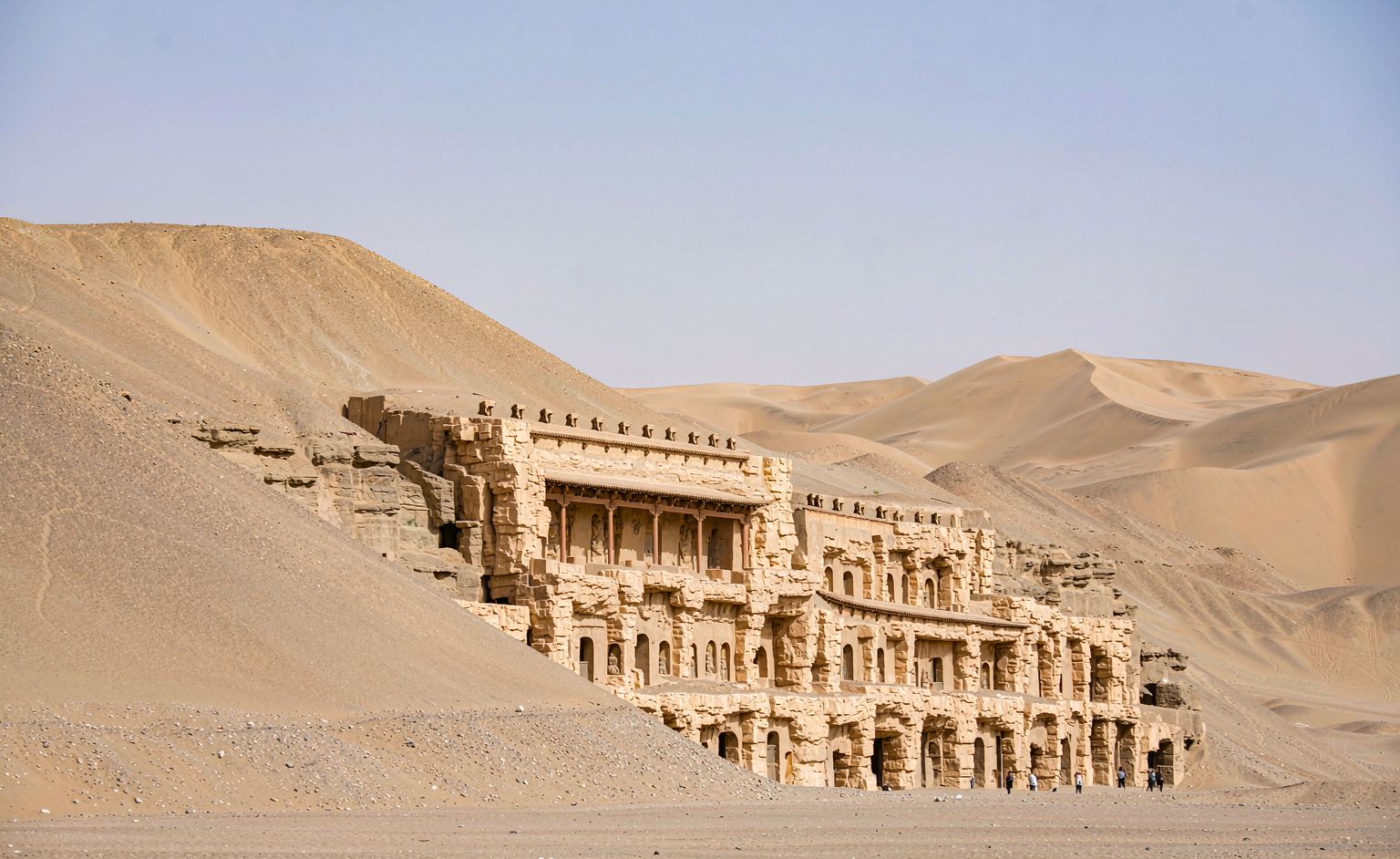
November empties Dunhuang out. There is room to stand on the sand ridge and the docent at Mogao is in no hurry. The price is cold: a mild afternoon, a night well below zero, one down jacket for the quiet.
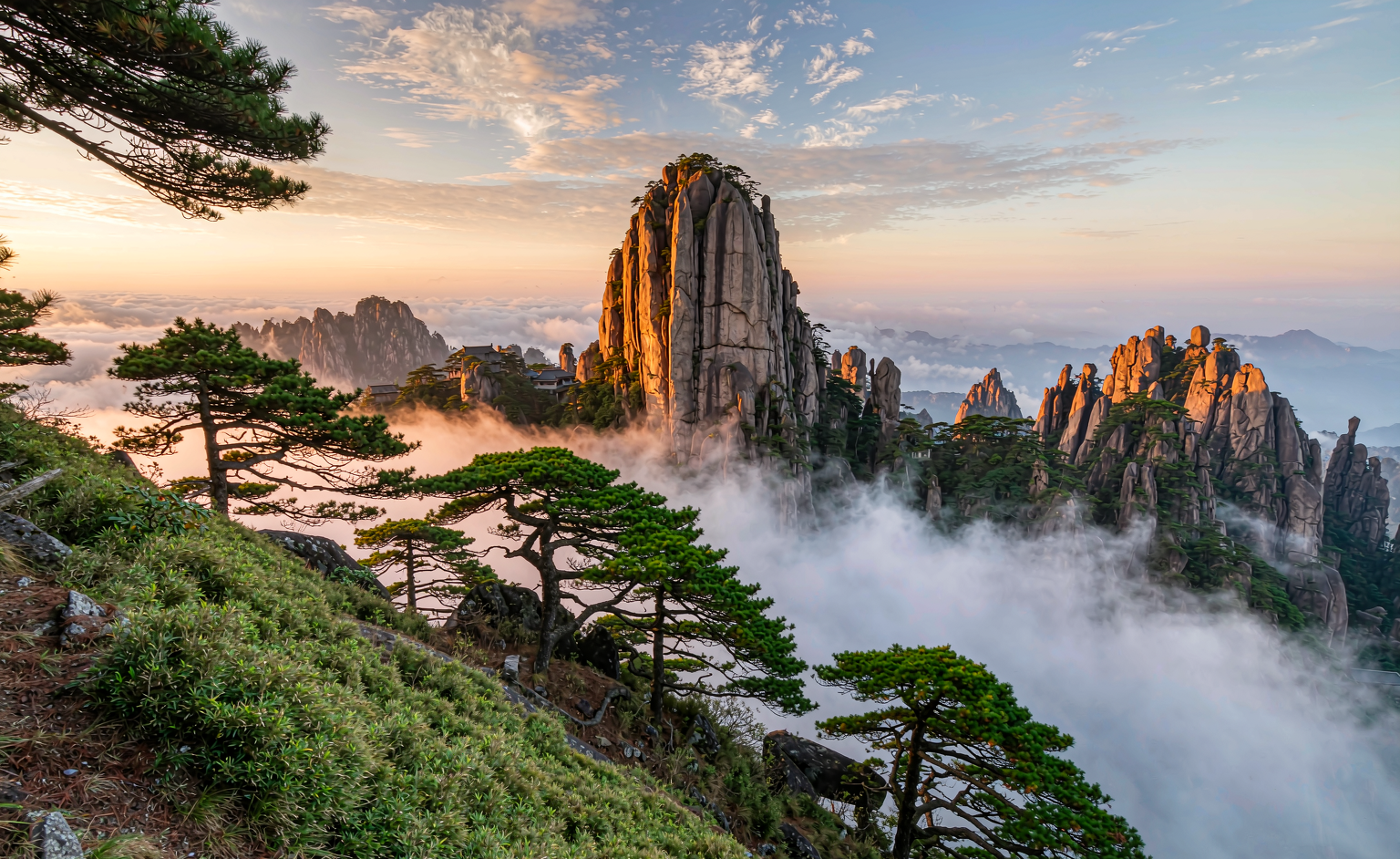
Huangshan from Luoyang: Tachuan Autumn, Hongcun and the Yellow Mountains, 5 Days
Autumn at Tachuan is not one sheet of red. It is red, orange, yellow and green crowding the same tallow branch, and mist lifting off the rice fields at dawn while the gable walls surface one by one.