
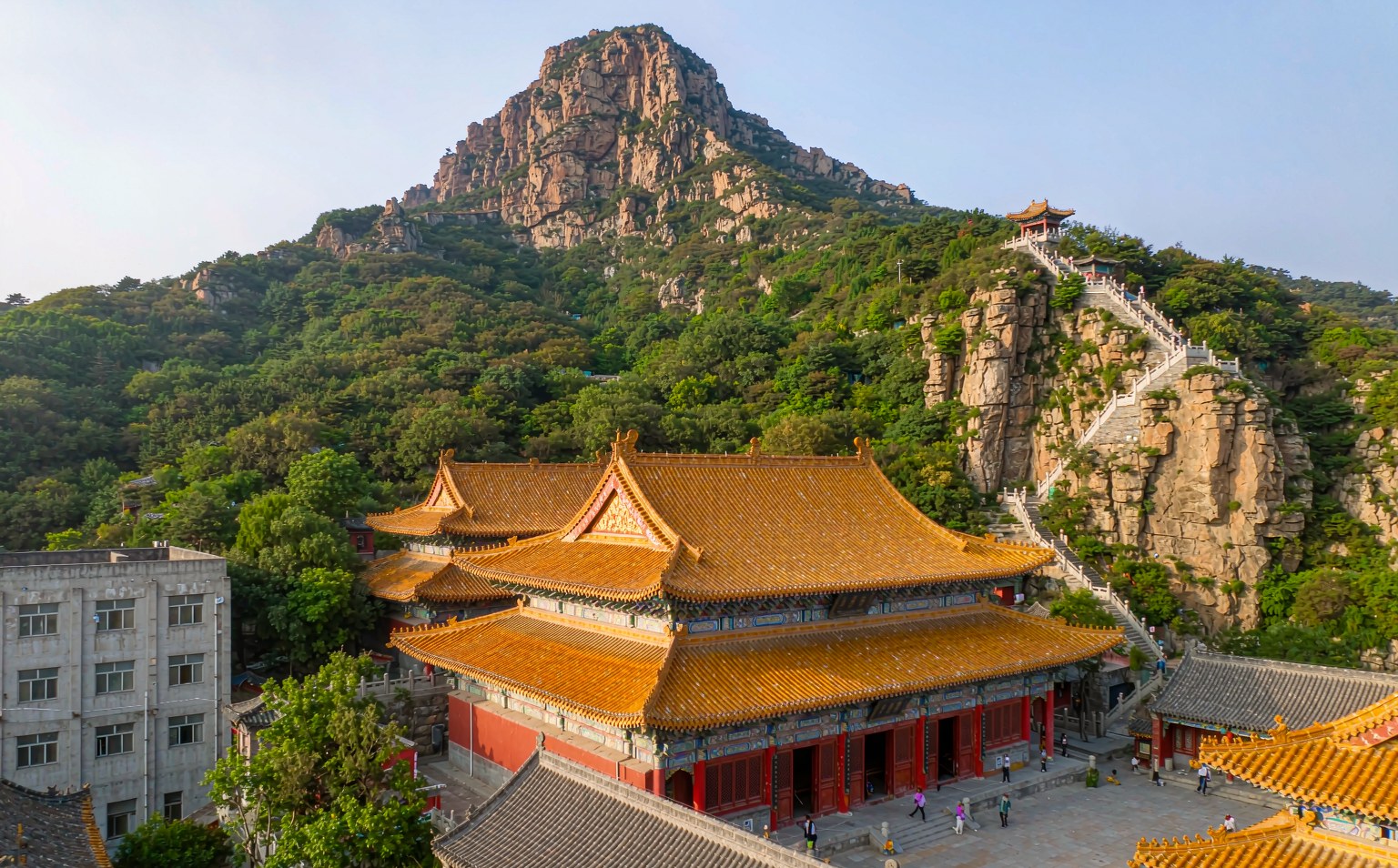
Zhengzhou 4-Day Group Tour: Songshan Mountain & Henan Museum
Zhengzhou 4-day tour covering Songshan Mountain and Henan Museum and Yin Xu. Sightseeing tickets and shuttle bus included.
Highlights
Day 1: Mount Song
Today, the theme is Mount Song. Avoid peak crowds by entering the park during off-peak hours and explore along the recommended routes in depth; have local cuisine nearby at noon, and in the afternoon, enjoy free activities or follow the guide for additional sightseeing. In the evening, stay at a hotel to rest.
Attraction Introduction: One of the highlights arranged in the itinerary is Mount Song. Mount Song is Mount Zhongyue among the Five Great Mountains, mainly located in Dengfeng City. It consists of Mount Taishi and Mount Shaoshi, with the main peak Junji Peak reaching about 1,492 meters above sea level. Its uniqueness lies in the coexistence of Confucianism, Buddhism, and Taoism on the same mountain for a thousand years: Songyang Academy was a significant center of Neo-Confucianism during the Song dynasty, and the famous story of 'Standing in the snow at Cheng's gate' is said to have happened here; Zhongyue Temple is one of the largest and best-preserved temple complexes among the Five Great Mountains; the Astronomical Observatory in Gaocheng Town was constructed under the supervision of Guo Shoujing in the Yuan dynasty and is one of the oldest existing astronomical observation buildings. In 2010, the historical architectural complex representing 'the center of heaven and earth' — including Songyang Academy, Zhongyue Temple, Songyue Temple Pagoda, Shaolin Temple Permanent Monastery, Pagoda Forest, Chuzu Hermitage, and the Astronomical Observatory — was listed as a World Heritage Site. My understanding is that there’s no need to rush on the first day — first visit the academy and Zhongyue Temple to understand the ritual system of 'the center of heaven and earth,' saving your energy for the mountain climb later; if there’s extra time, going to the plank road at Sanhuang Fort on Mount Shaoshi at sunset provides the most photogenic moments of the entire trip.
Tips: The temperature in the mountains varies greatly between morning and evening, and it is windy at the top, so a windproof jacket and warm layers are necessary. Visitors generally report that most travelers feel Mount Song is worth a dedicated visit. It is recommended to slow down, follow the guide, and leave time for the details that move you most and the best photo spots. Given real conditions, long trips are most affected by dehydration — carry a water bottle and take small sips frequently; on the first night in highlands or mountains, avoid washing your hair or taking a long shower to give your body time to adjust.
Day 2: Henan Museum
Visit Henan Museum in the morning, following the guide to see treasures such as the Jiahu bone flute and Fuhao owl-shaped wine vessel; at noon, try Zhengzhou local dishes. In the afternoon, you can also visit the Shangdu ruins or the Yellow River scenic area, and return in the evening.
Attraction Introduction: One highlight of the itinerary is Henan Museum. Henan Museum is a landmark of Central Plains civilization, with a collection of over 170,000 cultural relics, systematically presenting 'Early China' along the main theme of 'the vast China, choosing the center to build the capital.' Among the treasures, the Jiahu bone flute is the earliest playable instrument discovered so far, rewriting Chinese music history; the Duling square tripod and the cloud-patterned bronze container represent the pinnacle of Shang and Zhou bronze casting; the Fuhao owl-shaped wine vessel has a majestic design and tells the legendary story of Fuhao, wife of Shang King Wu Ding; additionally, there are national treasure-level artifacts such as the lotus crane square pot and Emperor Wu Zetian's gold slips. It is recommended to follow the guide or rent an audio guide. In two hours, you can get a comprehensive view of Chinese civilization. My understanding is that it is most efficient to first go straight to a few key treasures to enjoy them before exploring the exhibits systematically according to the timeline; it is normal for crowds to gather in front of the national treasure displays, so knowing the location of the key exhibits in advance and going straight to the highlights saves the most time.
Tips: The museum is quite large, so it is recommended to wear comfortable shoes and take a short break in the rest area if needed. Visitors generally report that most people find Henan Museum worth a special trip. It is recommended to slow down, listen to the guide, and leave time for the details that impress you most and the best photo spots. Considering practical situations, be punctual; arrive five to ten minutes early for gatherings. It is better for people to wait for the vehicle than for the vehicle to wait for people, so don’t make everyone wait for you.
Day 3: Yin Ruins
Arrive early in the morning, first visit the palace area and the chariot and horse pits, then visit the royal tomb area, following the guide to understand the beginning of recorded history; in the afternoon, visit the new museum, and return in the evening.
Attraction Introduction: Today's itinerary includes historic sites. [This site] is the late Shang dynasty capital ruins, located in [location], the birthplace of oracle bones, and also the excavation site of the Houmuwu Ding (formerly called Simuwu Ding). It was listed as a World Cultural Heritage site in 2006. This was the capital city after King Pan Geng of the Shang dynasty relocated to Yin, lasting more than 270 years. The palace and ancestral temple ruins, royal tomb area, and chariot and horse pits are clearly visible. Oracle bones were first discovered here, pushing China's recorded history back to the Shang dynasty. The new museum displays bronzes, jades, and oracle bones systematically, providing the most direct way to understand Shang civilization. My understanding is that first visiting the palace and ancestral temple ruins and the chariot and horse pits builds a spatial concept, then entering the museum to closely examine the artifacts; following these two lines together gives a complete picture. Oracle bones and large bronzes are the essence; following the guide is much better than just browsing casually.
Tips: The mountain paths have many steps and steep slopes, so be sure to wear non-slip sports shoes. Those with mobility issues are recommended to use the cable car. Visitors generally feel that the oracle bones and Houmuwu Ding make history 'come alive,' and many say that the new museum is more worthwhile than the open-air ruins; it is reminded that understanding requires listening to the guide. Based on actual conditions, when taking photos, do not just focus on getting a good shot; pay attention to your feet and surrounding environment. Always hold on firmly when standing on viewing platforms or the edges of walkways.
Day 4: Return
Transfer to the departure terminal per your booked train or flight; keep travel documents and tickets in your carry-on.
Related Tours
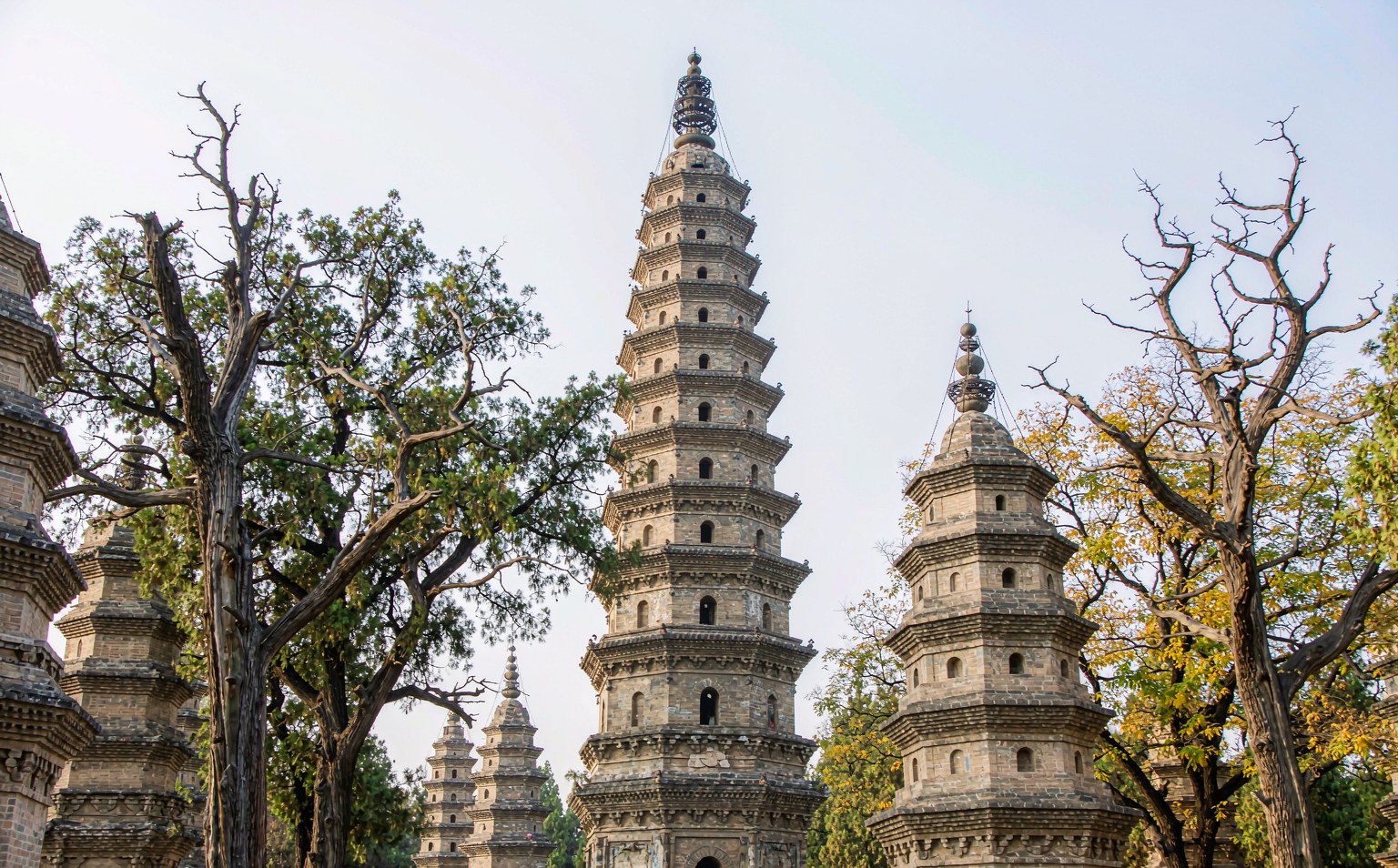
Luoyang 3-Day Tour: Shaolin Temple & Songyang Academy
Three days across the three teachings of Mount Song. Shaolin for Chan Buddhism, Songyang Academy for the Confucian tradition, Zhongyue Temple for Daoism, and on the last.
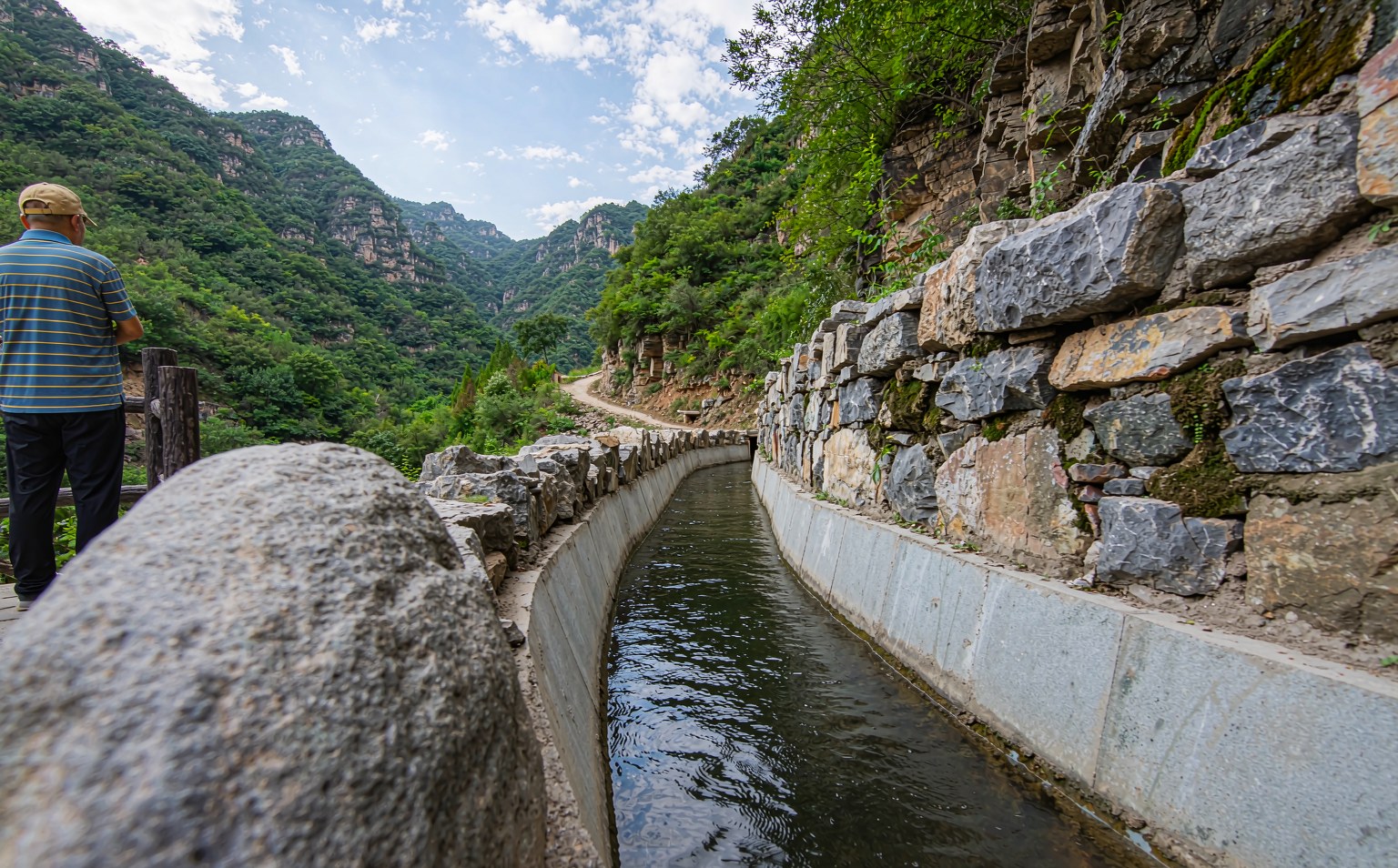
Luoyang to Red Flag Canal and Taihang Grand Canyon, 6 days
Six days from Luoyang. The Red Flag Canal gives you the channel walls and the Youth Cave, with the original hammers and ledgers in the museum.
Luoyang 5-Day Tour: Shaolin Temple & Songyang Academy
Five days from Luoyang. Songshan has two massifs, Taishi and Shaoshi: the Shaolin Temple and Sanhuangzhai sit on one, the Songyang Academy and Zhongyue Temple on the other.

Luoyang 4-Day Tour: Shaolin Temple & Songyang Academy
Four days from Luoyang. One 80-yuan Shaolin ticket covers the temple compound, the pagoda forest and Sanhuangzhai with its cliff walkway.