
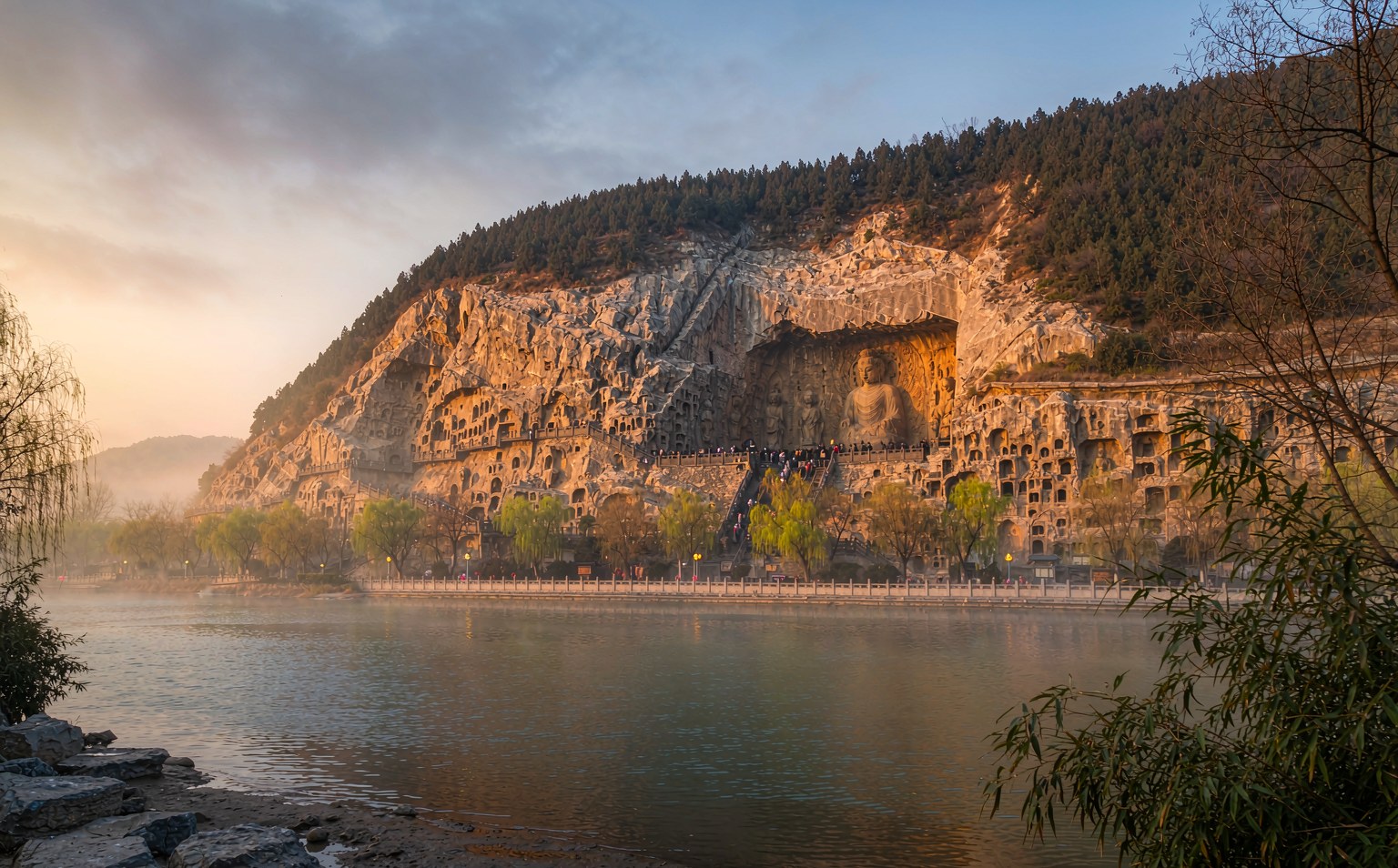
Luoyang Departure: Yungang Grottoes, Hanging Temple and Pingyao, 5 Days 4 Nights
Five days north from Luoyang by rail. The Buddhas at Yungang have sat in the cliff for fifteen centuries and admission falls to 100 yuan in November; planks creak underfoot at the Hanging Temple; and Pingyao closes its shop boards as if locking the Qing dynasty indoors.
Highlights
Day 1: High-speed rail to Datong, an evening on the city wall
You board at Luoyang Longmen, change once, and reach Datong in the afternoon. Wind meets you outside the station, the sky sits lower than at home and clouds move fast. The guesthouse is inside the old town, a brick courtyard, small room, strong heating. Bags down, you walk west from Heyang Gate along the wall, bricks new and evenly laid, people walking dogs and setting out chessboards at its foot. Up on the wall at dusk a scarf lifts in the wind, and to the south lies a sea of grey tiled roofs with the ridge of Huayan Temple showing through, glazed tiles dark gold in the low sun. Dinner is a bowl of knife-cut noodles on Gulou East Street, sheets uneven in thickness, mutton broth poured over.
Attraction introduction: Datong stands in northern Shanxi between the inner and outer Great Wall and was known as Pingcheng, capital of the Northern Wei for nearly a century. The present wall follows the Ming layout, about seven kilometres around with four gates, and the old town holds Liao, Jin and Ming buildings including Huayan Temple, Shanhua Temple and the Nine Dragon Screen.
Tips: November days are sunny but the temperature drops fast after sunset. Guests generally find the wall better after dark, though the top is windy and hats tend to go. In practice courtyard guesthouses have thin walls, so ask for an inner-court room if you sleep lightly.
Day 2: A full day with the Northern Wei carved in stone
You enter Yungang at half past eight while it is still quiet. Walking inward from Cave 1 the Buddhas grow, until the seated figure in Cave 5 rises seventeen metres with a knee taller than a person, and looking up makes your neck ache. Cave 6 wraps a central pillar in niches, the life of the Buddha cut panel by panel, and up close you can follow the turn of a flying figure sash. The famous one is the open-air Buddha of Cave 20, its cliff face gone for a thousand years, so the figure simply sits under the sky, broad shouldered, round faced, eyes half lowered. Afternoon side light moves across the face and the folds deepen. Wind rises as you leave; the trees on Wuzhou Mountain are down to bare branches.
Attraction introduction: Yungang lies at the southern foot of Wuzhou Mountain sixteen kilometres west of Datong, begun in the Northern Wei under the monk Tanyao. It holds 45 major caves and more than fifty thousand figures, early work carrying Gandharan and Mathuran traits, middle period turning Chinese, late period slender. It was listed as a national heritage site in 1961 and a World Heritage Site in 2001.
Tips: Caves are dim, flash is forbidden and nothing may be touched. Guests generally find the longest queues at Caves 5 and 6, so walking first to Cave 20 and doubling back saves time. In practice the loop is about three kilometres with exposed wind, so bring a hat; from November the site stops admitting visitors at half past four.
Day 3: The Hanging Temple creaks, the wooden pagoda stacks
The road to Hunyuan hugs the foot of the mountains the whole way. The Hanging Temple clings to a cliff of Cuiping Peak, from a distance a row of wooden boxes hung on rock. You climb stone steps, then walk the gallery, planks creaking underfoot, rail waist high. Halls connect by corridors, the narrowest needing you to turn sideways, and below is a drop of tens of metres with wind rising out of the gorge. The temple honours Buddha, Daoist deities and Confucius together, three sets of images side by side in one hall. Down in Yingxian the wooden pagoda stands in the middle of town, octagonal, nine storeys, all mortise and tenon with not one nail, leaning slightly, brackets layered like weaving when you look up.
Attraction introduction: The Hanging Temple stands on Cuiping Peak of Mount Heng in Hunyuan County, first built in the late Northern Wei. Forty halls spread horizontally along the cliff, carried by beams driven into the rock while the slender pillars below mainly steady it, and it is rare in honouring three teachings at once. The Yingxian pagoda, formally the Sakyamuni Pagoda of Fogong Temple, was built in 1056 and at about 67 metres is the tallest and oldest surviving timber pagoda in China.
Tips: Access to the upper galleries is capped, so keep moving instead of stopping to photograph. Guests generally find the pagoda cannot be climbed and one circuit of the brackets is enough. In practice the mountain foot runs three or four degrees colder than town, and you need both hands for the rail, so wear the bag on your front.
Day 4: South to Pingyao, behind the counter of a draft bank
Taiyuan to Pingyao takes a little over an hour, and the wall shuts the noise out as soon as you pass through. No cars inside, flagstones worn into shallow grooves by cart wheels, grey brick gatehouses on both sides. You start at Rishengchang, the counter chest high, abacus and ledgers behind a wooden grille, lacquer worn through to the grain. The rear court held the vault, walls thick, windows small, only a strip of daylight in the well. South along the main street a escort agency yard keeps its carts, iron banded wheels looking heavy. By dusk the crowds thin, leaving sweepers and a vinegar seller with a handcart, and lanterns come on one by one, shadows laid along the stones.
Attraction introduction: Pingyao in Jinzhong was faced in brick in 1370 and runs about six kilometres around, its walls, lanes and shopfronts largely keeping the Ming and Qing layout; it joined the World Heritage list in 1997. Rishengchang, founded in 1823, was the first draft bank in China specialising in remittance, with branches in more than thirty cities.
Tips: The combined ticket covers 22 sites and no one finishes them in a day, so pick Rishengchang, the county office, an escort agency and the wall. Guests generally find the main street packed after ten while side temples stay quiet. In practice guesthouses are converted courtyards with small rooms and thin floors, though the streets go silent early, which suits early sleepers.
Day 5: Pingyao market morning, home by afternoon
You are out early at the Chenghuangmiao street market, where bowls of buckwheat jelly, oat rolls and Pingyao beef steam on the stalls. The jelly is cut into strips, dressed with vinegar and chilli oil, eaten cold and springy. Two jin of beef vacuum sealed and into the bag. Bags packed, you leave through the gate as the sun clears the tower and a thin frost sits on the bricks. The train runs south and the Taihang range drops away on the left. What stays from five days is the open-air Buddha at Yungang; you looked back once on the way out and it was still sitting there while wind flattened the grass on the cliff.
Attraction introduction: Pingyao beef is a local cured speciality made from beef shank through salting, boiling and slow braising, red in colour and firm when sliced, traded along the draft bank routes since Ming and Qing times. The buckwheat jelly is made by cooking batter, steaming it, then cutting it into strips to serve cold, a everyday dish across central Shanxi.
Tips: Check the date on vacuum packs and eat loose beef the same day. Guests generally find the market liveliest between seven and nine, stalls closing afterwards. In practice the station is twenty minutes from the gate and afternoon departures cluster, so allow time for luggage and security.
Related Tours
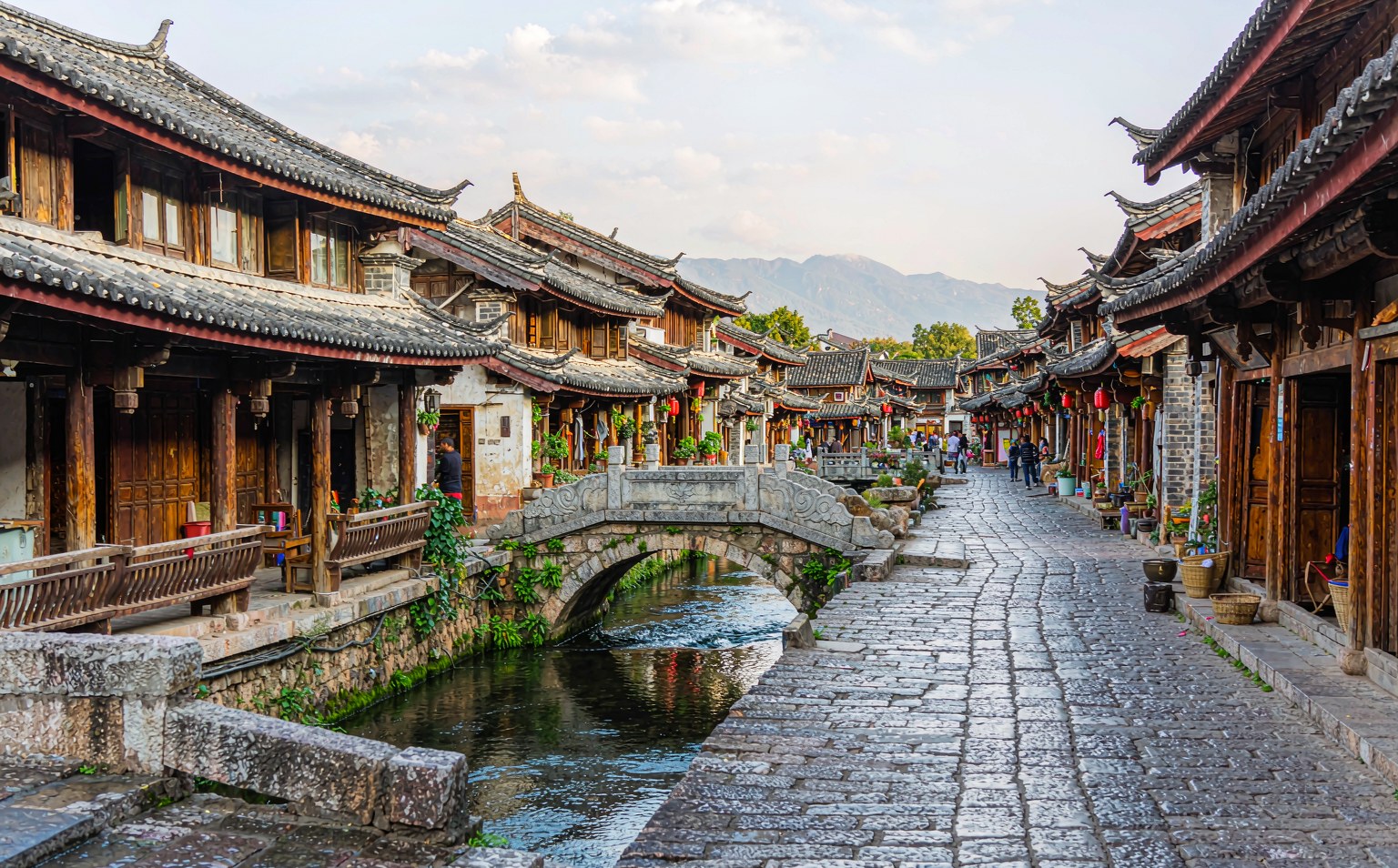
Luoyang Departure: Lijiang, Lugu Lake and Shangri-La, 6 Days 5 Nights
Six days from the old town of Lijiang to the shore of Lugu Lake and up into Shangri-La. In November the snow line drops on Jade Dragon, Blue Moon Valley turns a deep blue, and a pig trough boat crosses water so still the oars sound louder than talk.
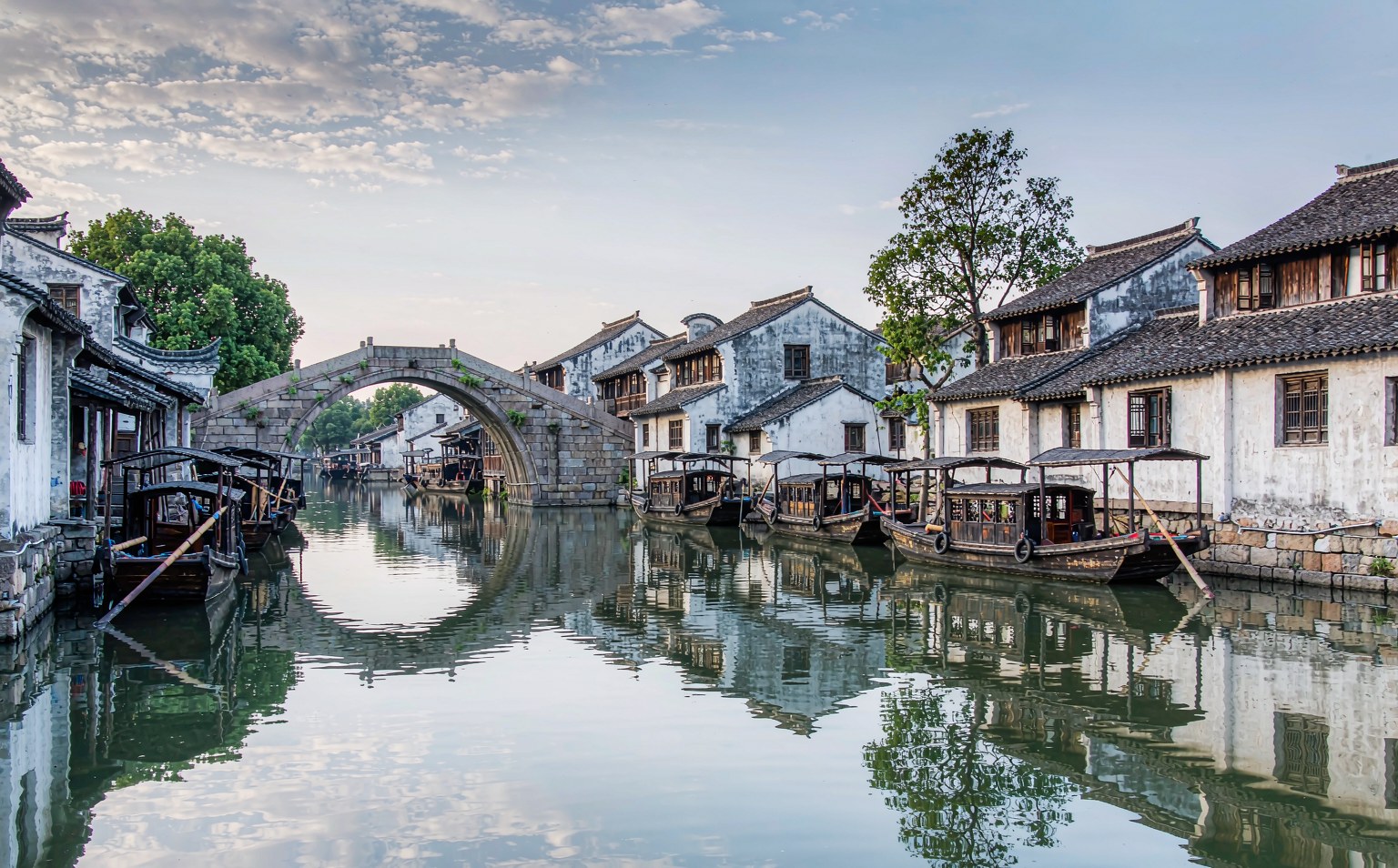
Luoyang Departure: West Lake, Wuzhen and Xitang, 5 Days 4 Nights
Five slow days beside southern water. West Lake charges no admission and plane trees drop along Beishan Street; lamps at Wuzhen stand in the river so each arch frames two streets; and the corridor at Xitang runs on until rain stops meaning anything.
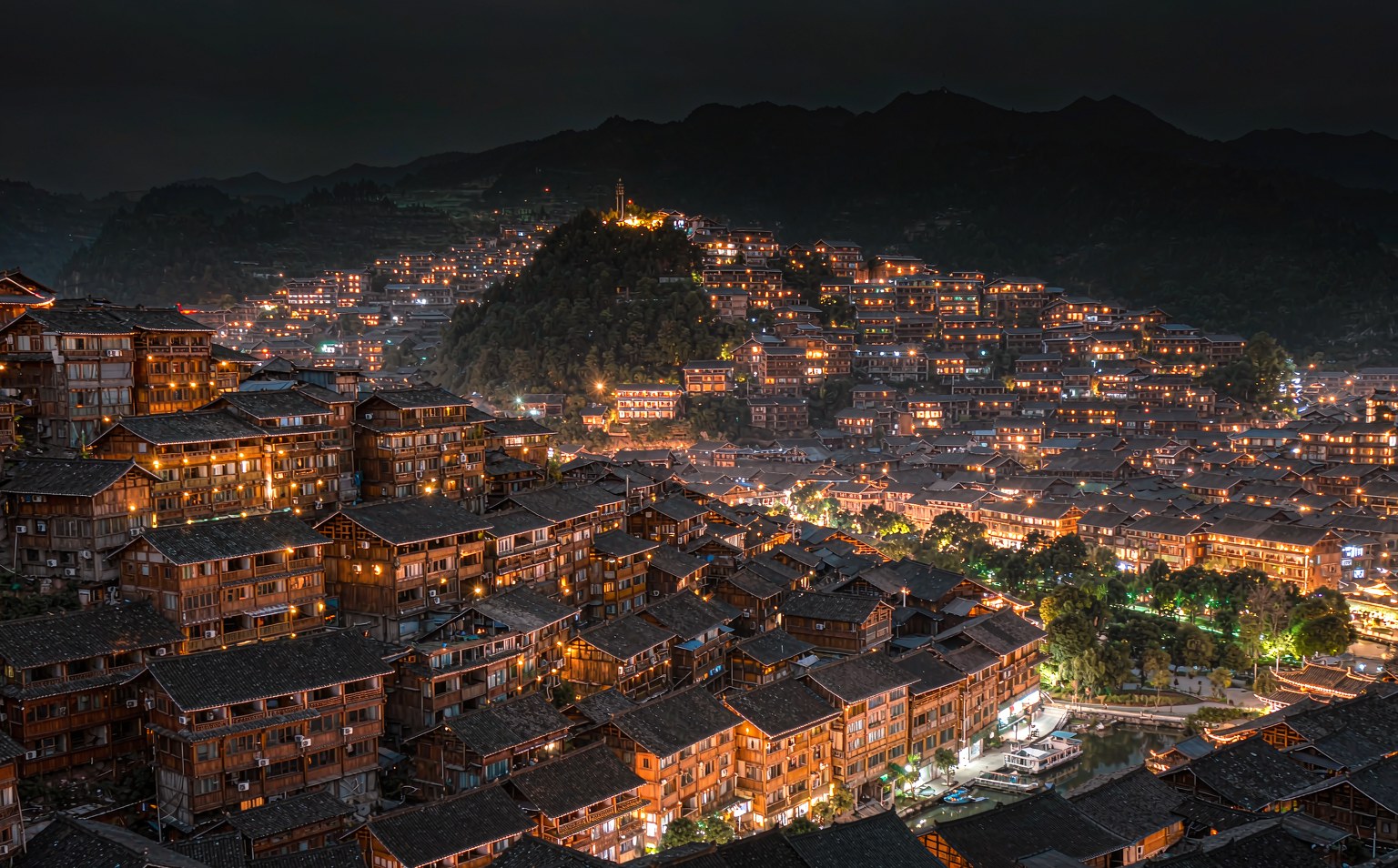
Luoyang Departure: Huangguoshu, Xijiang Miao Village and Fanjing Mountain, 5 Days 4 Nights
Five days from central Guizhou to its east. In November the falls still roar and mist climbs out of the gorge with a rainbow halfway up; Xijiang lights house by house after dark; and on Fanjing the cloud runs under your feet while the Red Cloud Peak shows half of itself.
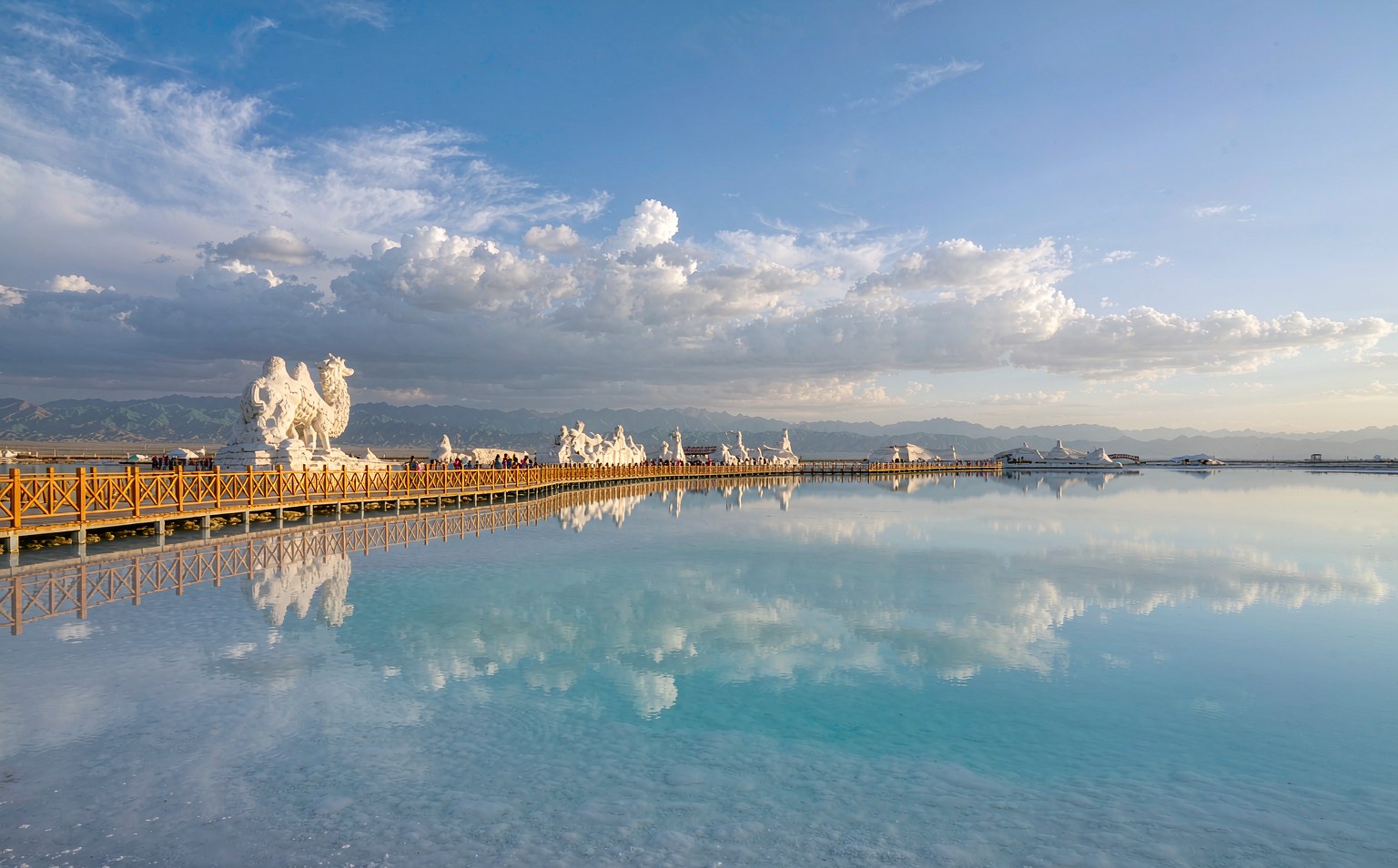
Luoyang Departure: Xining, Taer Temple, Qinghai Lake and Chaka, 5 Days 4 Nights
Five days from Luoyang. November empties the lake shore and the water turns a heavy blue while prayer flags snap in the wind; butter sculptures hold their colour behind glass at Taer; and at Chaka the water is ankle deep, so you walk to the middle and the reflection stands quieter than you do.