
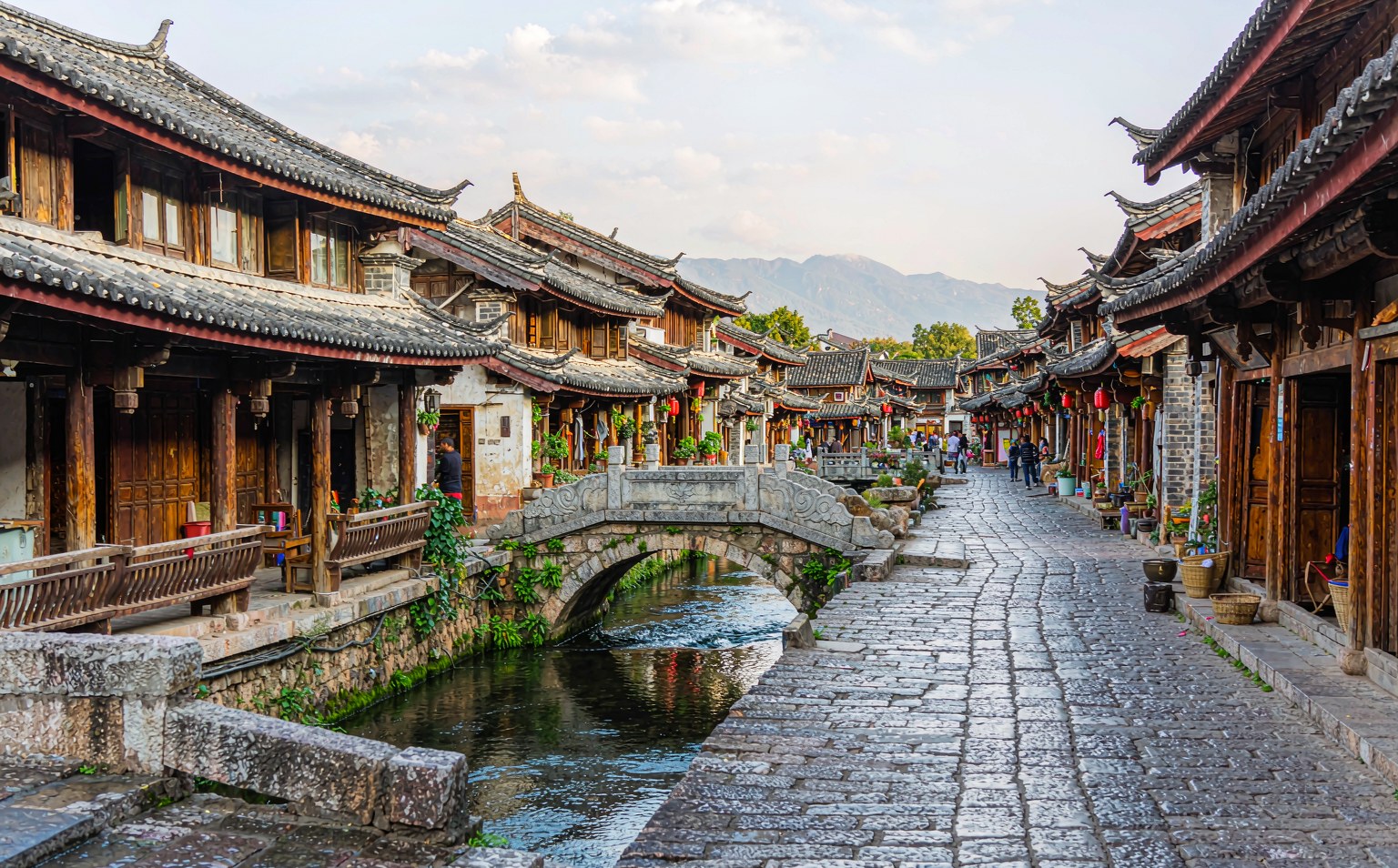
Luoyang Departure: Lijiang, Lugu Lake and Shangri-La, 6 Days 5 Nights
Six days from the old town of Lijiang to the shore of Lugu Lake and up into Shangri-La. In November the snow line drops on Jade Dragon, Blue Moon Valley turns a deep blue, and a pig trough boat crosses water so still the oars sound louder than talk.
Highlights
Day 1: Land in Lijiang and get lost in the old town once
The plane arrives at Sanyi airport, half an hour south of town. November sky here is thin blue, sun hot on your back, shade cool. The guesthouse is inside the old town where cars cannot go, so bags come in on a handcart. Out on the flagstones, polished by feet, water runs in channels past the doorways with flowers set along the edge. Sifang Square is crowded; turn into Wuyi Street and it goes quiet, lanes narrow, timber doors and screen walls on both sides, roof cats on the ridges when you look up. Dinner is cured rib hotpot, salted ribs in the base, broth savoury, mint and potato alongside.
Attraction introduction: Lijiang old town grew from a market in the late Song and early Yuan and was walled in the Ming, one of the best preserved minority towns in China and a World Heritage Site since 1997. Sifang Square is the centre, water drawn from the Yu River splits into three channels through the lanes, and houses follow a timber and earth plan with a courtyard and screen wall.
Tips: Flagstones are uneven and wheeled cases struggle, so a backpack is easier. Guests generally find Sifang Square loudest after eight while the Lion Hill side gives the whole roofscape. In practice Lijiang sits at 2,400 metres, so skip the long hot shower on day one, walk slowly and go easy on alcohol.
Day 2: Up Jade Dragon Snow Mountain, down to Blue Moon Valley
Out at seven, the mountain straight ahead the whole way north, snow line low, ridges like a row of blades. A shuttle takes you to the cable station and the car climbs at an angle, ears plugging, a sweet to chew. The upper station sits at 4,500 metres, wind hard, and the boardwalk needs one step at a time with pauses when breath runs short. Glacier lies below, grey white with blue in the cracks. Down at Blue Moon Valley the water is melt from the peak, blue on a clear day, the bed white travertine, terraced pools strung together. Afternoon light slants and the surface glares.
Attraction introduction: Jade Dragon Snow Mountain north of Lijiang belongs to the Hengduan range, thirteen peaks running about 35 kilometres north to south, the highest Fanjingshou at 5,596 metres, and holds modern maritime glaciers at a comparatively low latitude. Blue Moon Valley east of Ganhaizi collects meltwater stepping down calcified terraces into a chain of shallow pools.
Tips: Do not exert yourself before the cable car; collect the oxygen on the bus and sip it in small amounts on top. Guests generally find quick movement at the upper station brings a headache and slow walking avoids it. In practice the summit is below zero with fierce UV, so bring sunglasses and sunscreen, and note the valley colour depends on weather.
Day 3: Over the mountains to Lugu Lake, bigger than expected
East out of the city in the morning, across the Jinsha River, and the road begins to coil with cliff on one side and water below, bend after bend. Lunch in Ninglang, then the last ridge, and the lake appears below, deep blue with small islands at its centre. The ring road runs along the shore to Lige Peninsula where the guesthouse sits on the slope with a window facing water. In the afternoon a pig trough boat, hollowed from a single log, the boatwoman standing at the stern, oars entering quietly. Water is clear to the weed beds and the weed sways as you pass. Wind comes up at dusk and waves slap the timber jetty.
Attraction introduction: Lugu Lake straddles Ninglang in Yunnan and Yanyuan in Sichuan at 2,690 metres, about 50 square kilometres of water and over 90 metres at its deepest, among China deep freshwater lakes. Small islands such as Liwubi and Xiwae sit in the lake, and the shore is home to Mosuo communities who keep matrilineal households.
Tips: The ring road is steep and winding, so sit on the inner side. Guests generally find afternoon calm and good light for the boat, while mornings are still but backlit. In practice lakeside nights are cold, switch the electric blanket on early, and at Mosuo houses do not step on the threshold or press on private matters.
Day 4: Wait for the lake mist, then back to Shuhe
Up at half past six and mist is forming, first a layer lying on the water, then lifting to swallow half the far ridge. A boat comes out of it with only the bow and a silhouette visible. Sun clears the ridge and the mist goes quickly, the lake bright again. A walk along the shore, cosmos flowers finished, only stems left. Lunch in Ninglang, back over the mountains in the afternoon, and you sleep in the car. Shuhe by dusk, quieter than Dayan, a stream running through the village loud enough to drown conversation. Dinner in the courtyard, the owner roasts potatoes.
Attraction introduction: Shuhe north of Lijiang was an important station on the Tea Horse Road, called Shihe Yuan in the Ming, with the Qinglong River running through the town and surviving bridges and squares. Its lanes are narrower and its commercial life thinner than Dayan, with more Naxi courtyards intact.
Tips: Mist forms about half an hour before sunrise and waiting in the wind gets cold, so do not force it. Guests generally find Shuhe empty after eight in the evening, good for walking. In practice the return drive is three and a half hours with one stop, so manage fluids and keep motion sickness tablets handy.
Day 5: Through Tiger Leaping Gorge to Shangri-La
North in the morning past the first bend of the Yangtze and into Tiger Leaping Gorge. The river runs narrow between two snow mountains and water explodes against boulders, sound bouncing off the walls. The walkway follows the cliff, three hundred steps down, and your legs shake on the way back up. Lunch at the bridgehead, then on to Shangri-La, altitude climbing to 3,300, meadows turning brown, yaks scattered on slopes. Dukezong by evening, the great prayer wheel on Moonlight Square needing several people to turn it, timber polished by hands. The old town was rebuilt after fire, new wood pale against surviving old walls.
Attraction introduction: Tiger Leaping Gorge lies between Jade Dragon and Haba mountains where the Jinsha cuts a deep channel, less than thirty metres wide at its narrowest, one of the deepest gorges in China. Dukezong in Shangri-La was a Tibetan town on the Tea Horse Road, with Guishan Park at its centre holding a temple and the great prayer wheel.
Tips: The gorge walkway is many steps down and harder coming up, so turn back halfway if your knees object. Guests generally find the first night at altitude sleeps poorly, so do not shower late. In practice at 3,300 metres walk slowly, drink little alcohol, and ask how the room oxygen supply works if there is one.
Day 6: Songzanlin in the morning, back to Lijiang by afternoon
First to Songzanlin Monastery on the slope north of town, gilded roofs and white walls, steps running up from the road. Inside is dim, butter lamps in rows, columns wrapped in coloured silk, the air a mix of butter and incense. Monks chant in the corridor, low and indistinct. From the terrace the basin below is stripped barley fields. Lunch in town, then the afternoon drive to Lijiang past Xiaozhongdian, meadows yellow, prayer flags pulled straight by wind. You reach Lijiang before dark, in time for an evening flight.
Attraction introduction: Songzanlin stands below Foping Mountain north of Shangri-La, founded in the Kangxi reign, the largest Gelug monastery in Yunnan, built up the hillside with the Zhacang and Jikang halls at the centre and monks quarters ringing them, which is why it is called a small Potala.
Tips: No photography inside, hats off, and walk the prayer wheel circuit clockwise. Guests generally find the monastery quietest before nine with eastern light entering the halls. In practice there are many steps at altitude, so rest between flights of stairs, and allow four hours before a flight given the three and a half hour drive back.
Related Tours
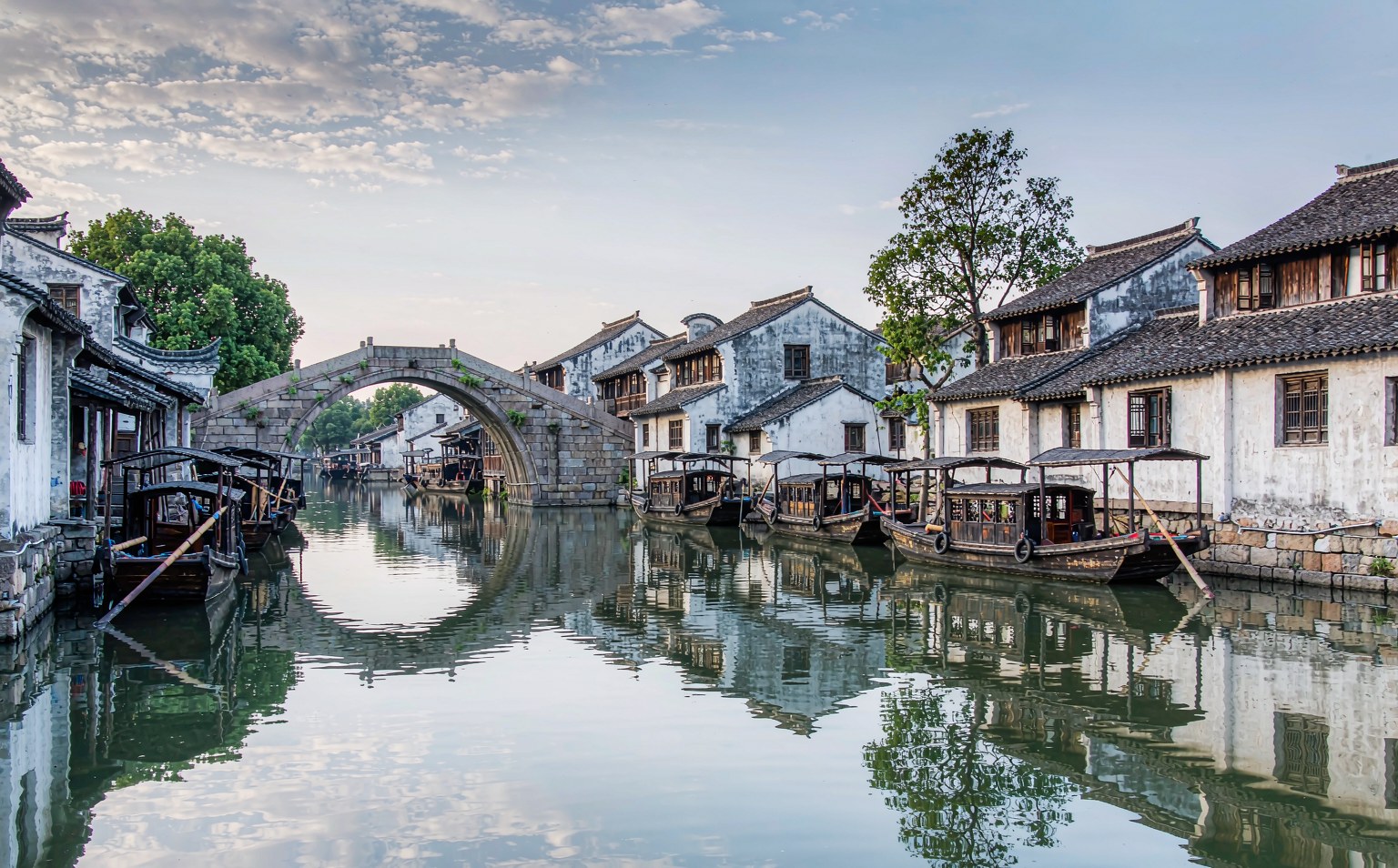
Luoyang Departure: West Lake, Wuzhen and Xitang, 5 Days 4 Nights
Five slow days beside southern water. West Lake charges no admission and plane trees drop along Beishan Street; lamps at Wuzhen stand in the river so each arch frames two streets; and the corridor at Xitang runs on until rain stops meaning anything.
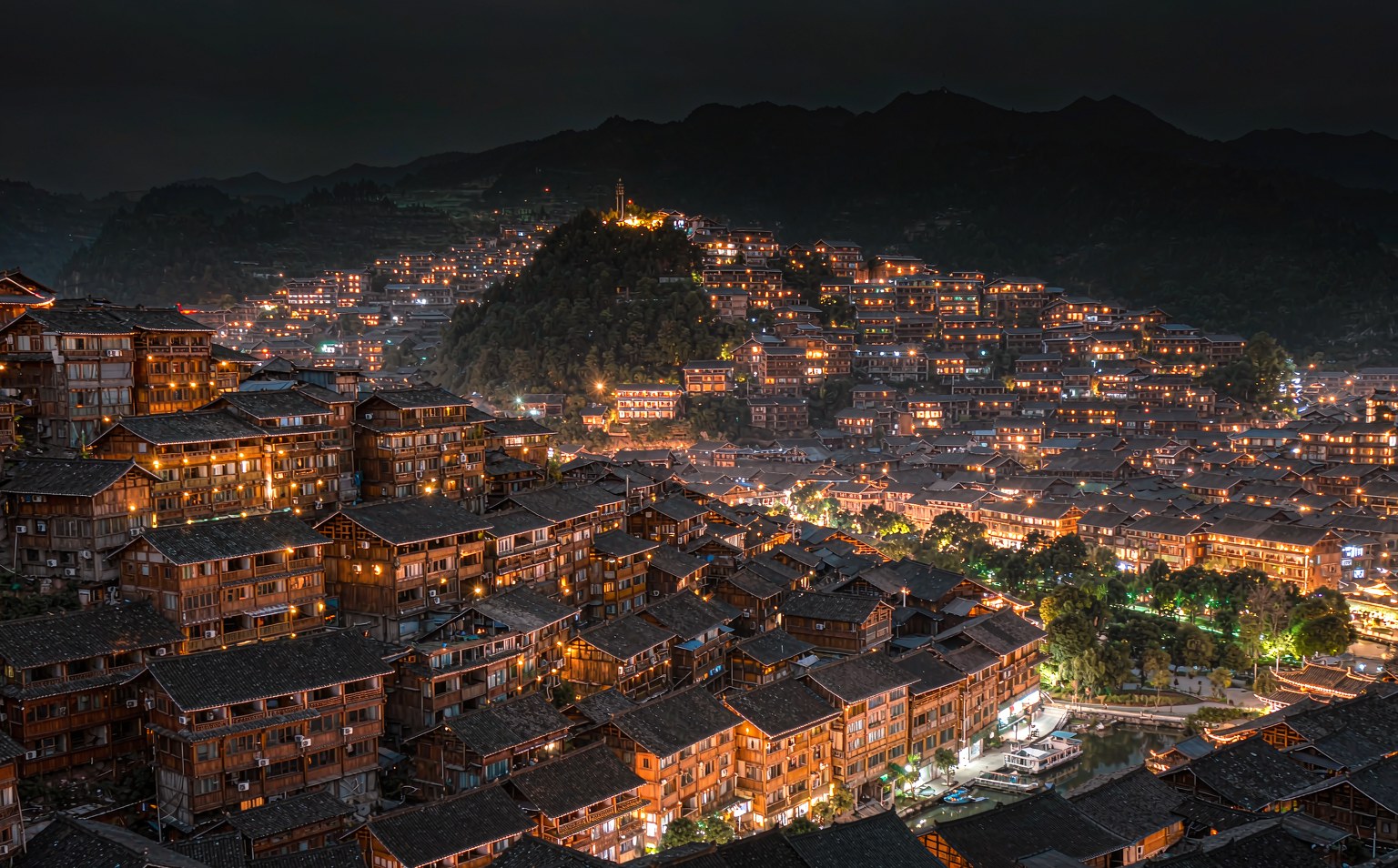
Luoyang Departure: Huangguoshu, Xijiang Miao Village and Fanjing Mountain, 5 Days 4 Nights
Five days from central Guizhou to its east. In November the falls still roar and mist climbs out of the gorge with a rainbow halfway up; Xijiang lights house by house after dark; and on Fanjing the cloud runs under your feet while the Red Cloud Peak shows half of itself.
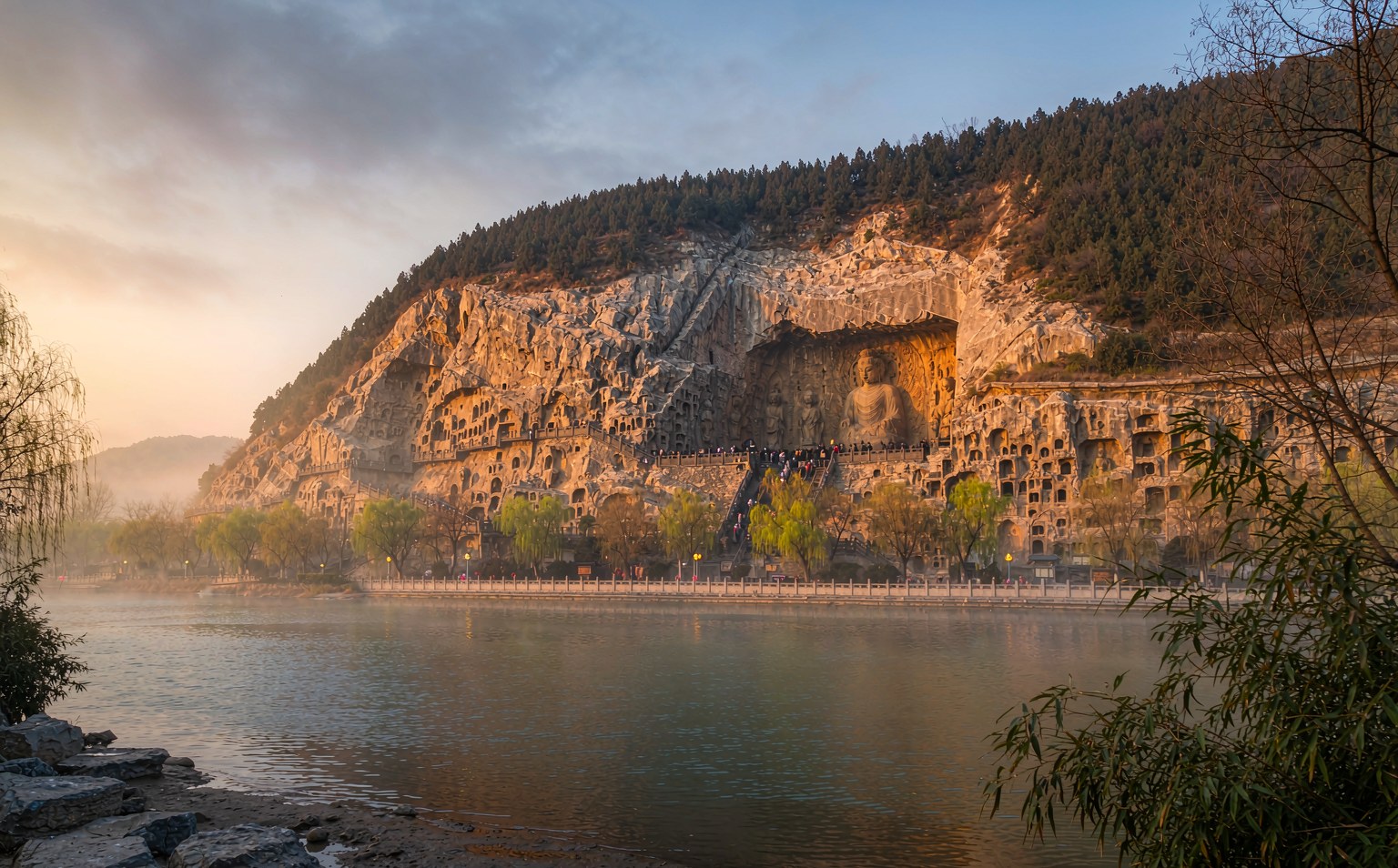
Luoyang Departure: Yungang Grottoes, Hanging Temple and Pingyao, 5 Days 4 Nights
Five days north from Luoyang by rail. The Buddhas at Yungang have sat in the cliff for fifteen centuries and admission falls to 100 yuan in November; planks creak underfoot at the Hanging Temple; and Pingyao closes its shop boards as if locking the Qing dynasty indoors.
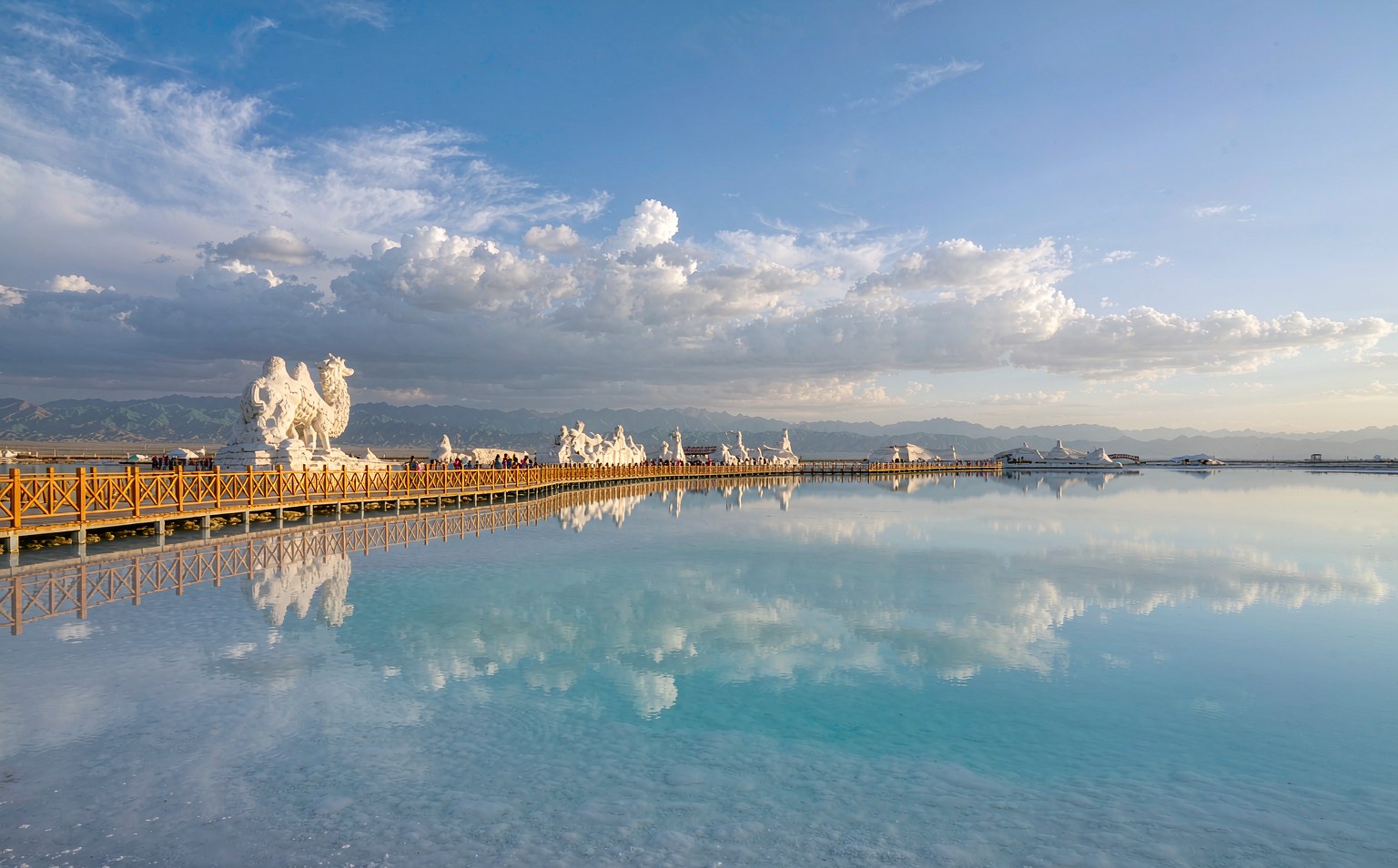
Luoyang Departure: Xining, Taer Temple, Qinghai Lake and Chaka, 5 Days 4 Nights
Five days from Luoyang. November empties the lake shore and the water turns a heavy blue while prayer flags snap in the wind; butter sculptures hold their colour behind glass at Taer; and at Chaka the water is ankle deep, so you walk to the middle and the reflection stands quieter than you do.