
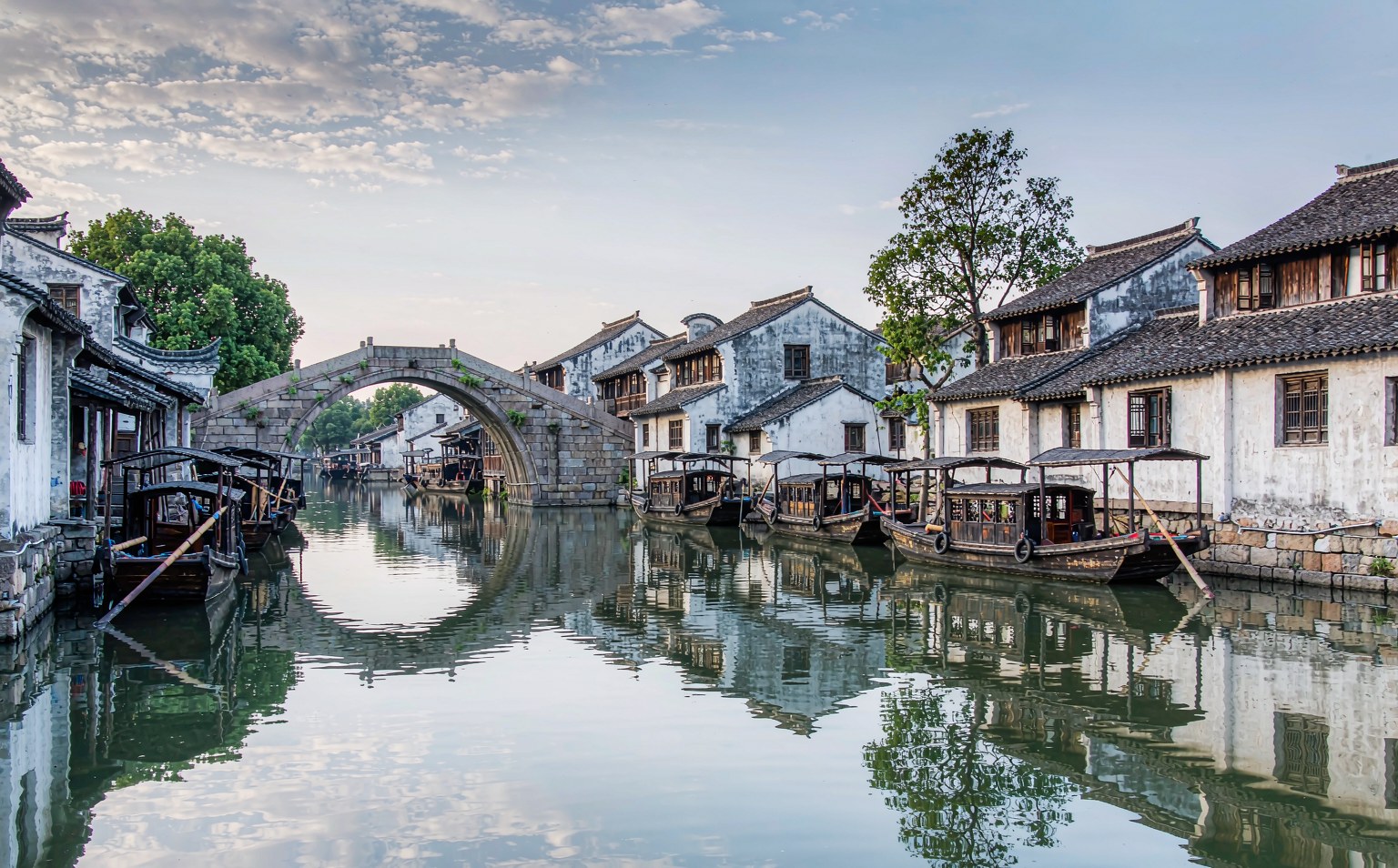
Luoyang Departure: West Lake, Wuzhen and Xitang, 5 Days 4 Nights
Five slow days beside southern water. West Lake charges no admission and plane trees drop along Beishan Street; lamps at Wuzhen stand in the river so each arch frames two streets; and the corridor at Xitang runs on until rain stops meaning anything.
Highlights
Day 1: Rail to Hangzhou, half a loop of West Lake at dusk
You board at Luoyang Longmen and reach Hangzhou East in a little over four hours, then take the metro; the city feels damp, moisture hanging in the air. The hotel is near the lake, so bags down and straight out. Broken Bridge is busy and narrow, two steps then a pause. West along Bai Causeway only willows and peach branches remain in November, the water wide, Baochu Pagoda on its hill as thin as a brush. By Pinghu Qiuyue it is dark, lights come on across the water and stretch into long streaks. Dinner is pian er chuan noodles on Hefang Street, preserved greens, bamboo slices, shredded pork, clear broth.
Attraction introduction: West Lake lies west of the city with about 6.4 square kilometres of water, divided by the Su and Bai causeways into a pattern of hills, pagodas, islands and dykes, and was listed as a World Heritage Site in 2011. The lakeside public area is free, with views such as Quyuan Fenghe and Huagang Guanyu along the shore; Baochu Pagoda on Baoshi Hill is a solid brick pagoda from the Five Dynasties to Song.
Tips: Wind off the water makes November evenings cold, so carry a light jacket. Guests generally find Broken Bridge the busiest stretch and the Yanggong Causeway far quieter. In practice a full loop is over ten kilometres, so walk a section and use a bus or taxi for the rest.
Day 2: Lingyin in the morning, West Scenic Zone of Wuzhen by lamp light
Out at half past seven toward Lingyin, tea hills on both sides, mist still down. The carvings at Feilai Peak run along the cliff, a laughing Maitreya with bare belly, neighbours darkened by rain. Entering Lingyin itself needs a separate incense ticket; a service is underway inside and the wooden fish sounds in rhythm. Lunch is vegetarian noodles outside the temple, clear broth, dried bamboo savoury. Afternoon toward Tongxiang, and you enter Wuzhen Xizha with the sun low and the water throwing white light. Along the Xishi River doors stand side by side, blue cloth hanging on bamboo poles at the dye works, the whole sheet moving in the wind. Dusk comes early, dark by half past five, lamps starting at the bridge arches, two rows of light floating on the water so each arch frames two streets. After nine the lanes empty and your own steps are the loudest thing.
Attraction introduction: Lingyin Temple sits below Feilai Peak northwest of the lake, founded in 326 by the Indian monk Huili and one of the great monasteries of the region. The cliff holds more than three hundred carvings from the Five Dynasties to the Yuan, the Yuan Maitreya the best known. Wuzhen Xizha in Tongxiang keeps a cross of waterways with late Qing and early Republican houses, workshops and bridges, lit along the banks at night.
Tips: The peak ticket and the temple incense ticket are separate and both are needed. Guests generally find the lanes empty after eight in the evening, good for photographs. In practice the flagstones are slippery in the dark, so watch your feet, and rooms inside the zone cost far more than guesthouses ten minutes outside.
Day 3: Quiet Xizha at dawn, Dongzha after lunch, on to Xitang
Up at half past six before the gates open, entering from a lane outside so only sweepers and vegetable sellers are about. The water lies flat as cloth, eaves reflected whole, the shade under the bridge arch ink green. A bowl of mutton noodles, fine noodles, meat falling apart. The morning goes to the small museums, foot binding and folk customs, wood and cloth holding their age. Checkout at noon and across to Dongzha, narrower, one street end to end, a calico workshop where someone twists cloth at the dye vat. At three the road runs to Xitang, and you enter with the sun slanting, the corridor roof laying a long shadow across the water.
Attraction introduction: Wuzhen Dongzha follows the Dongshi River with shops and houses continuous, keeping places such as Xiangshan Hall, Xiuzhen Temple and a shadow puppet theatre, and feels more lived in than Xizha. Xitang in Jiashan is threaded with channels and lined by roofed corridors nearly a kilometre long that keep you dry in rain, with lanes such as Shipi Nong barely a metre wide.
Tips: Inside Xizha a room card lets you come and go before opening; from outside, start earlier. Guests generally find Dongzha done in an hour and slower in pace, good for buying hand printed cloth. In practice old houses in Xitang are damp, so keep bags off the floor, and the corridor is cool at night, worth an extra layer if you sit with tea.
Day 4: The corridor end to end, then a West Lake sunset
Early in Xitang the lanes are so narrow two people turn sideways, Shipi Nong takes one at a time with a strip of sky overhead. The corridor runs along the river, post after post, and you sit on the rail watching a boat go by, the boatwoman sculling with her foot. Lunch is lotus leaf pork and eight treasure cake. Back in Hangzhou by afternoon for the lake at sunset: from Huagang Guanyu toward the Su Causeway, the sun drops onto the far ridge and the water turns from gold to grey blue in a quarter of an hour. Dinner on Nanshan Road, plane leaves on the pavement lit yellow.
Attraction introduction: Xitang corridors are brick and timber with tiled roofs and even colonnades, serving both as shop awnings and public walkway. Shipi Nong is the narrowest lane, about 68 metres long and under a metre at its tightest. The Su Causeway was built by Su Shi from dredged silt in the Northern Song, nearly three kilometres with six bridges.
Tips: Do not walk two abreast in Shipi Nong and do not block the entrance for photographs. Guests generally find Xitang emptiest before nine, with groups arriving after ten. In practice the causeway is long enough that half is plenty, and wind rises after sunset, so bring a layer.
Day 5: Tea by the lake, home in the afternoon
One more lake walk, this time Beishan Street. Plane leaves cover the ground and a sweeper rakes them into piles that crunch underfoot. Mist sits on the water and boats pass through it showing only silhouettes. A teahouse by the lake, a pot of Longjing, rice cakes and cat ear pasta, and you sit until nine. Bags packed, checkout, East Station. Two water towns and one lake in five days, and what stays is not a photograph but ten o clock that night in Xizha, streets empty and only lamps rocking on the water.
Attraction introduction: Beishan Street runs along the north shore, lined with villas built in the Republican era and shaded by plane trees, a good stretch for walking. Longjing tea comes from Shifeng, Longjing, Yunqi, Hupao and Meijiawu southwest of the lake, most prized before the Qingming and Grain Rain pickings, while November pours the autumn leaf, heavier in the cup.
Tips: Lakeside tables go early and are gone by nine. Guests generally find the plane trees start dropping in mid November, and piles at the kerb look better than a carpet. In practice Hangzhou East is half an hour from the lake and afternoon departures cluster, so leave room for luggage.
Related Tours
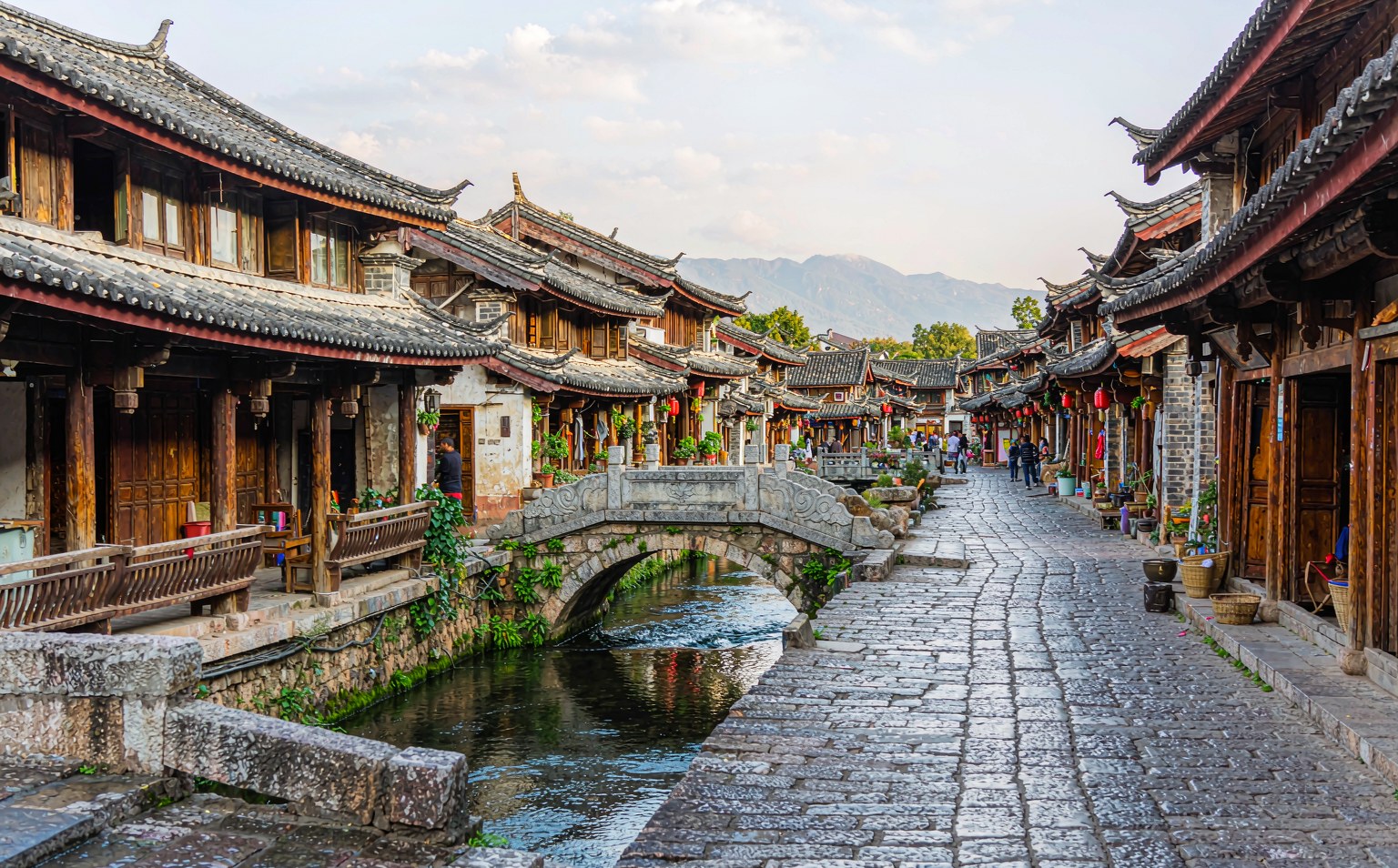
Luoyang Departure: Lijiang, Lugu Lake and Shangri-La, 6 Days 5 Nights
Six days from the old town of Lijiang to the shore of Lugu Lake and up into Shangri-La. In November the snow line drops on Jade Dragon, Blue Moon Valley turns a deep blue, and a pig trough boat crosses water so still the oars sound louder than talk.
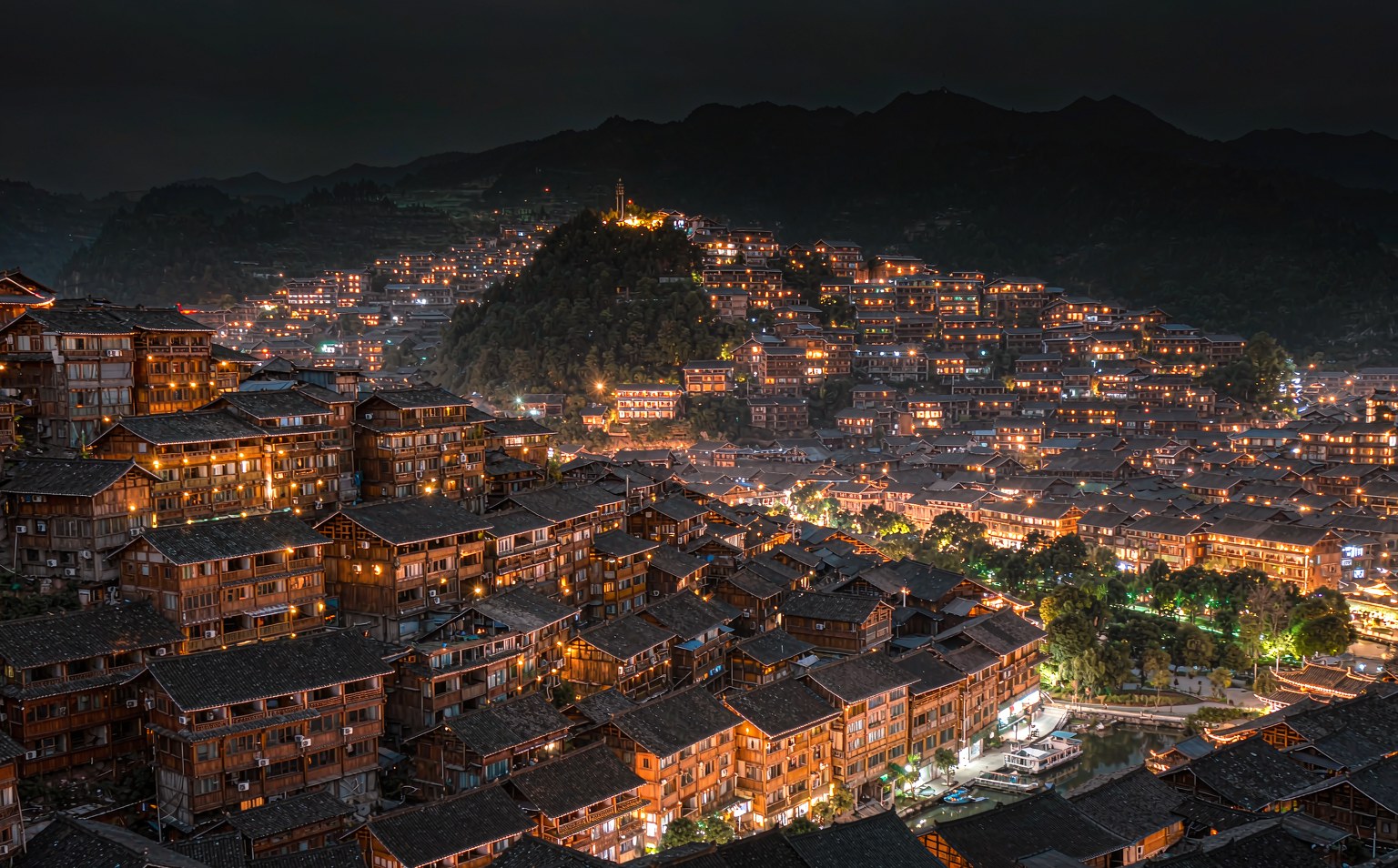
Luoyang Departure: Huangguoshu, Xijiang Miao Village and Fanjing Mountain, 5 Days 4 Nights
Five days from central Guizhou to its east. In November the falls still roar and mist climbs out of the gorge with a rainbow halfway up; Xijiang lights house by house after dark; and on Fanjing the cloud runs under your feet while the Red Cloud Peak shows half of itself.
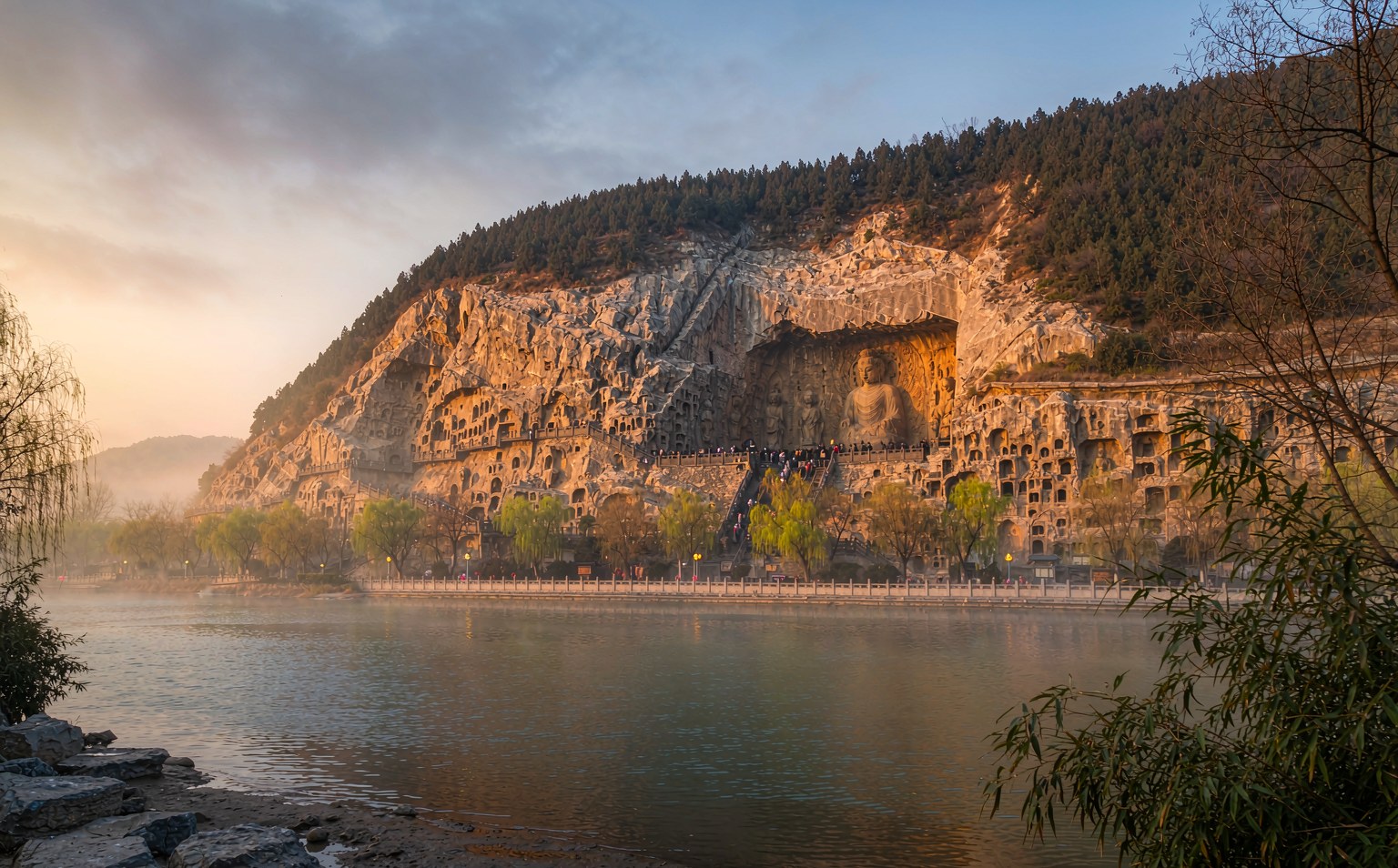
Luoyang Departure: Yungang Grottoes, Hanging Temple and Pingyao, 5 Days 4 Nights
Five days north from Luoyang by rail. The Buddhas at Yungang have sat in the cliff for fifteen centuries and admission falls to 100 yuan in November; planks creak underfoot at the Hanging Temple; and Pingyao closes its shop boards as if locking the Qing dynasty indoors.
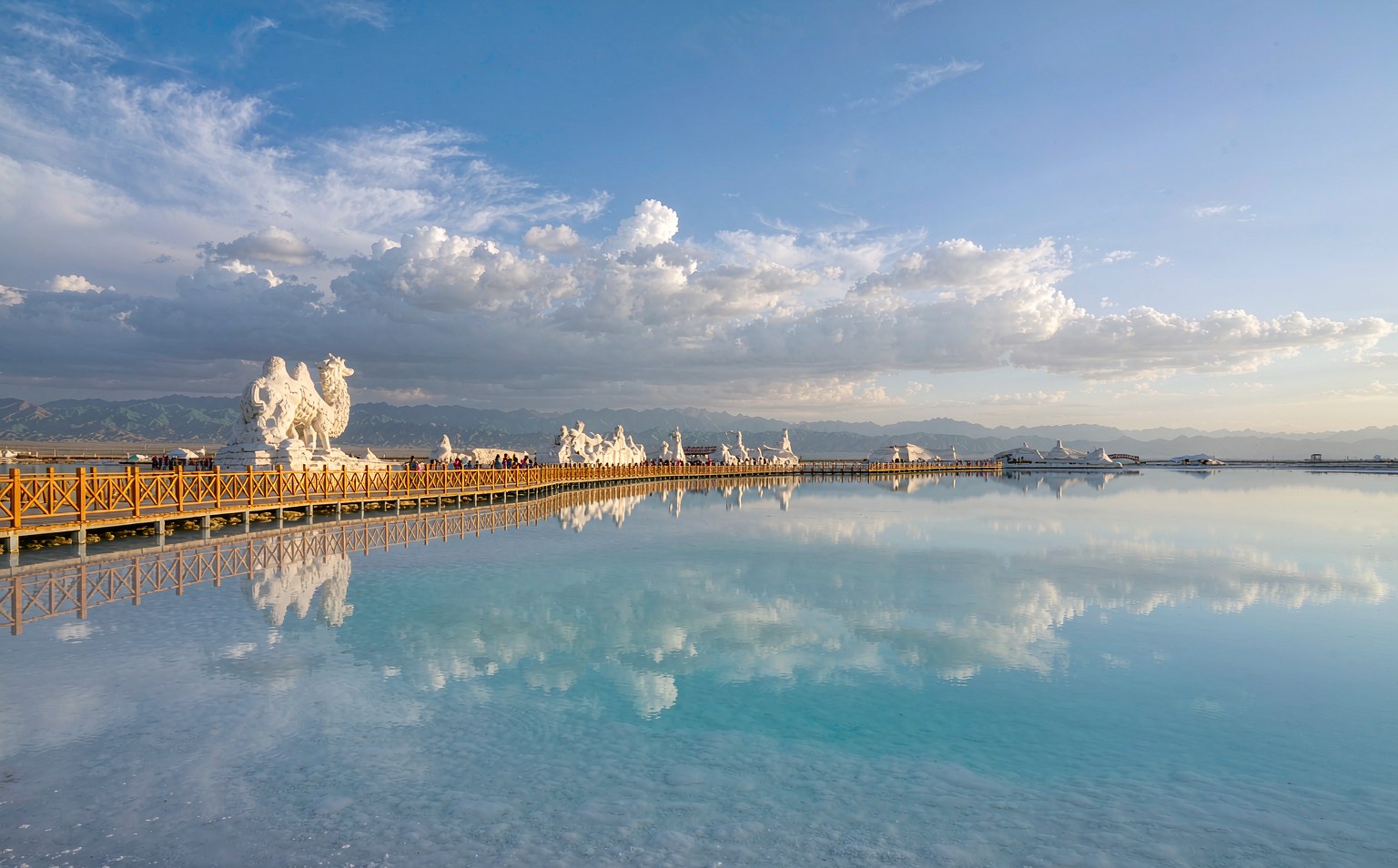
Luoyang Departure: Xining, Taer Temple, Qinghai Lake and Chaka, 5 Days 4 Nights
Five days from Luoyang. November empties the lake shore and the water turns a heavy blue while prayer flags snap in the wind; butter sculptures hold their colour behind glass at Taer; and at Chaka the water is ankle deep, so you walk to the middle and the reflection stands quieter than you do.