
Guilin, Haiyang Ginkgo Villages and Yangshuo in Four Days from Luoyang
Late November turns the ginkgo yellow in Haiyang township, where more than a million trees stand between the houses. Four days link Guilin, the villages and Yangshuo, without the big Li River cruise.
Highlights
Day 1: Rail to Guilin and a first look at Elephant Trunk Hill
A morning train from Luoyang Longmen with one change, arriving in Guilin in the afternoon. Bags into the hotel, then a walk to Elephant Trunk Hill, in through the first gate and round to the Water Moon Cave, where the trunk reaches into the meeting of two rivers. After dark, a stretch of the Two Rivers and Four Lakes on foot.
Attraction introduction: Elephant Trunk Hill sits on the Li River in the south east of the city, its shape cut so that the trunk dips into the water. Water Moon Cave is the round opening beneath the trunk, and poets have carved the walls since the Song dynasty. Entry is free but needs a booking on the official account, checked against an identity card. Dongxi Lane is the old quarter of grey brick and horse head walls.
Tips: Guests generally find the first day in Guilin is wasted by chasing stops. In practice we keep it to the hill and a stretch of night walking, both within fifteen minutes on foot, with no vehicle. Bookings for the hill open on the morning of the visit, so do not leave it until dusk.
Day 2: Three ginkgo villages in Haiyang
Out of the city at eight, ninety minutes north into Lingchuan county. Datongmuwan first, where the old king tree stands on the slope and its roots have lifted the flagstones. Then Datangbian, with trees lining the ridges and yellow leaves settling on the harvested fields. Noodles and oil tea at noon, and Xiaotongmuwan in the afternoon when the light comes in sideways.
Attraction introduction: Haiyang is the ginkgo heartland of Lingchuan, with ancient trees standing in clusters and more planted around every farmhouse. The king tree at Datongmuwan is over a thousand years old and needs several people to reach around it, with an old well at its foot worn into grooves by rope. At Datangbian the trees follow the field edges, and the shallow water left in the paddies doubles them.
Tips: Guests generally find the trouble here is narrow lanes and parking, with weekend traffic backing up for an hour. In practice we leave the vehicle in the township and walk the field paths, which is faster than driving in. The full colour lasts about twenty days, steadiest from late November into early December, and early arrivals still see green.
Day 3: Across to Yangshuo and a raft on the Yulong
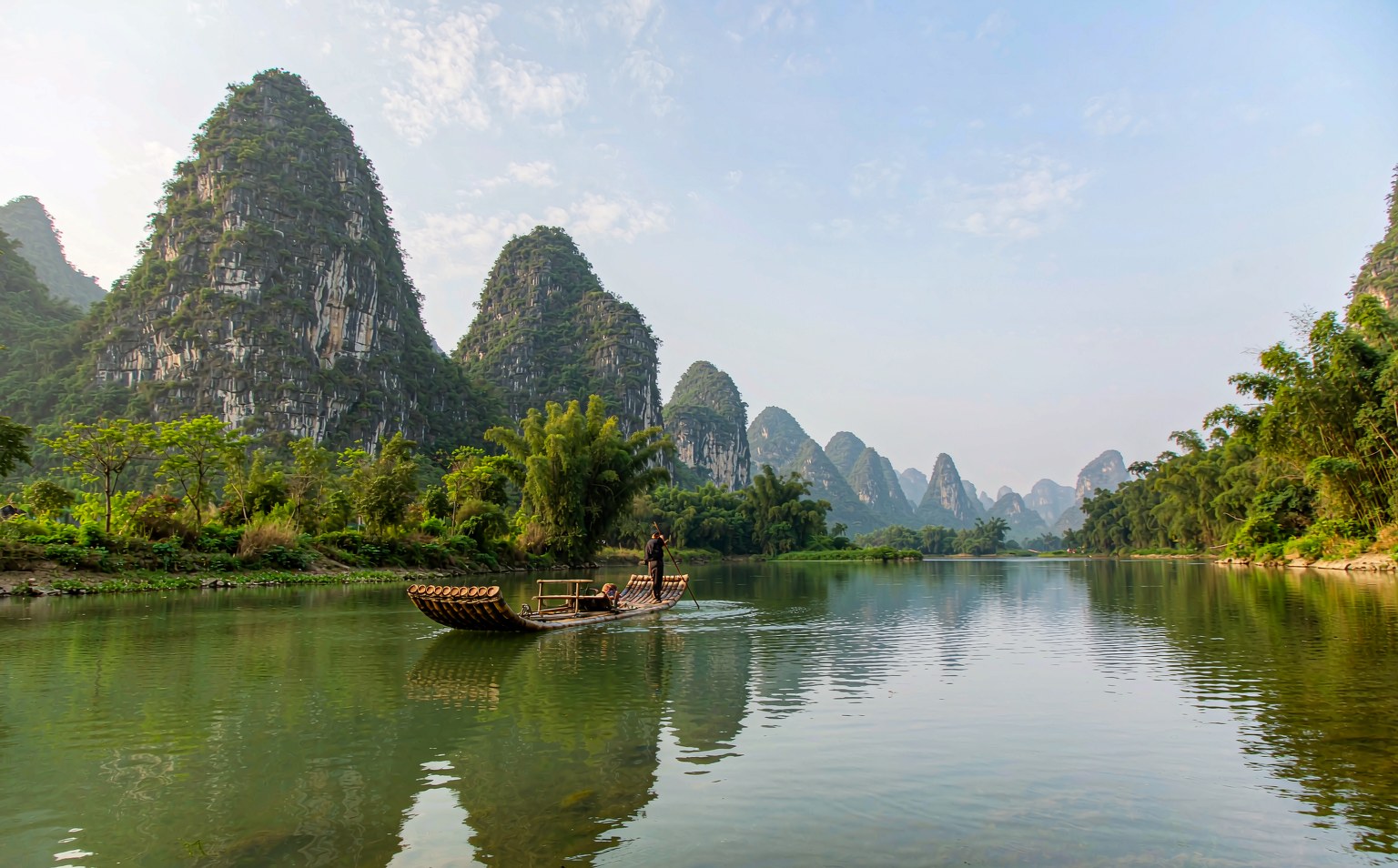
An hour from Guilin to Yangshuo in the morning. Lunch away from West Street to avoid the crush, then to Jinlong Bridge for a raft down to Jiuxian, an hour and a bit on the water, with the boatman stepping off to push where it runs shallow. Into a riverside room for the night, where the water is audible with the window shut.
Attraction introduction: The Yulong is a tributary of the Li, shallow, slow and with almost no drop, worked by bamboo rafts poled by hand and carrying two. The stretch from Jinlong Bridge to Jiuxian is the finest, with rice fields, bamboo and isolated limestone peaks on both banks, and places where only one raft fits. West Street is the old paved lane running from the wharf into town, quiet by day and crowded after dark.
Tips: Guests generally find the rafts must be booked, since walk-ups at the wharf rarely get one in season. In practice we take the three o clock slot, when the light comes in from the side and the crowd has thinned. Water comes over the weirs, so bag the phone and wear shoes that can get wet.
Day 4: A morning on the Ten Mile Gallery, then north
Out at seven for a rented bicycle and the road toward Moon Hill, flat the whole way with peaks and pomelo orchards on either side. Turn back at the foot of the hill, return the bike and eat breakfast. Away to Yangshuo station at half past ten, and the train north brings us home in the evening.
Attraction introduction: The Ten Mile Gallery is the stretch of road from the county town toward Moon Hill, where the peaks line up one after another and the name comes from the density of sights along it. Moon Hill carries a hole through its summit, and riding past it the opening shifts from a crescent to a full circle. Yangshuo station stands out toward Xingping, with a shuttle to town taking half an hour.
Tips: Guests generally find the last day is where things get rushed and connections are cut too fine. In practice the bicycle loop ends at Moon Hill, an hour out and back, leaving time to return the bike and eat. The station is half an hour from town, so leave the town ninety minutes before the train.
Related Tours
Xiamen, Gulangyu, Quanzhou and Yunshuiyao in Seven Days from Luoyang
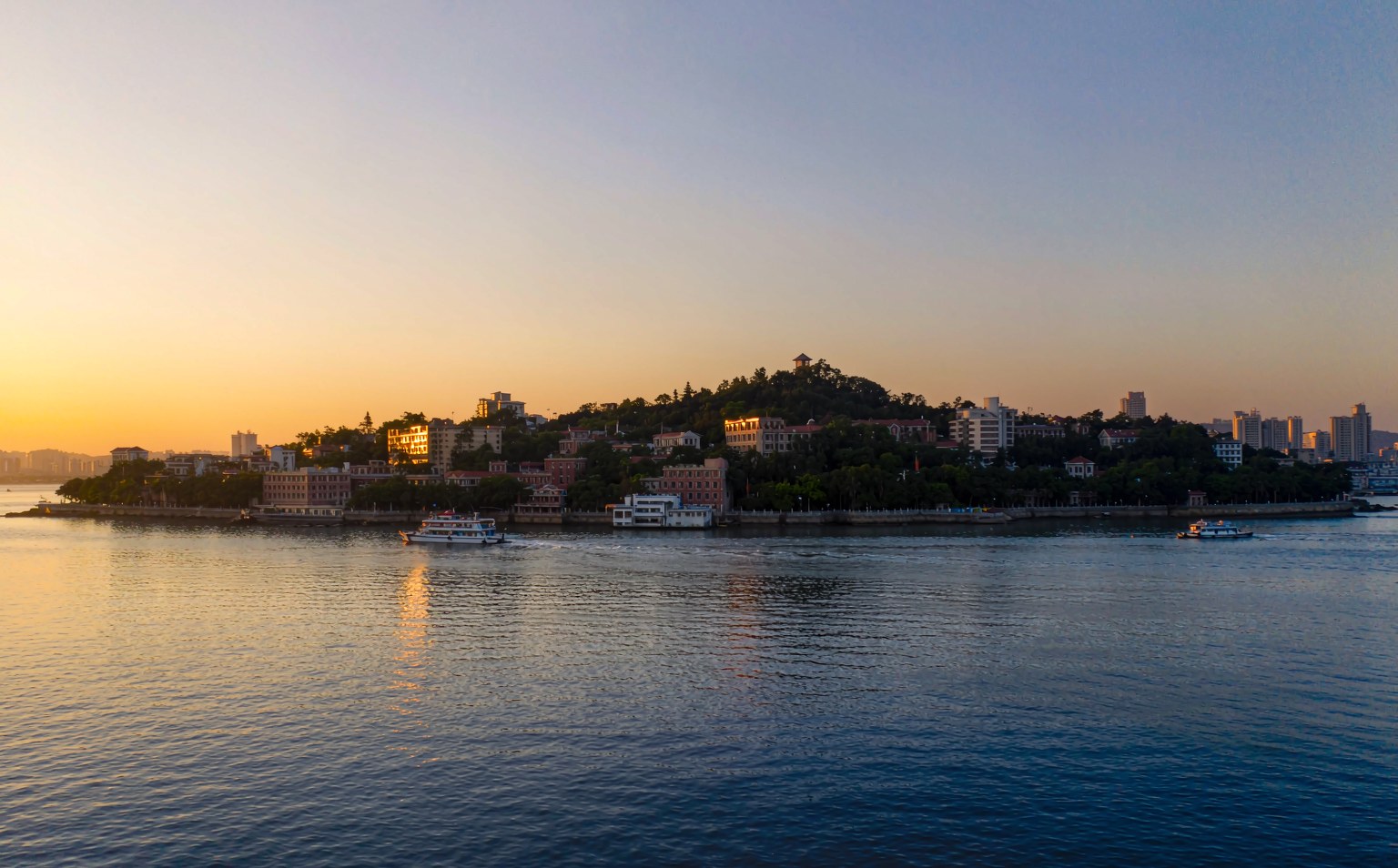
Xiamen sits at twenty three degrees in November with a dry sea breeze. Seven unhurried days: a night on Gulangyu, two in Quanzhou, an afternoon under the banyans at Yunshuiyao, and a last ride along the island road.
Zhangjiajie, Furong and Fenghuang in Six Days from Luoyang, Chasing the Sea of Cloud
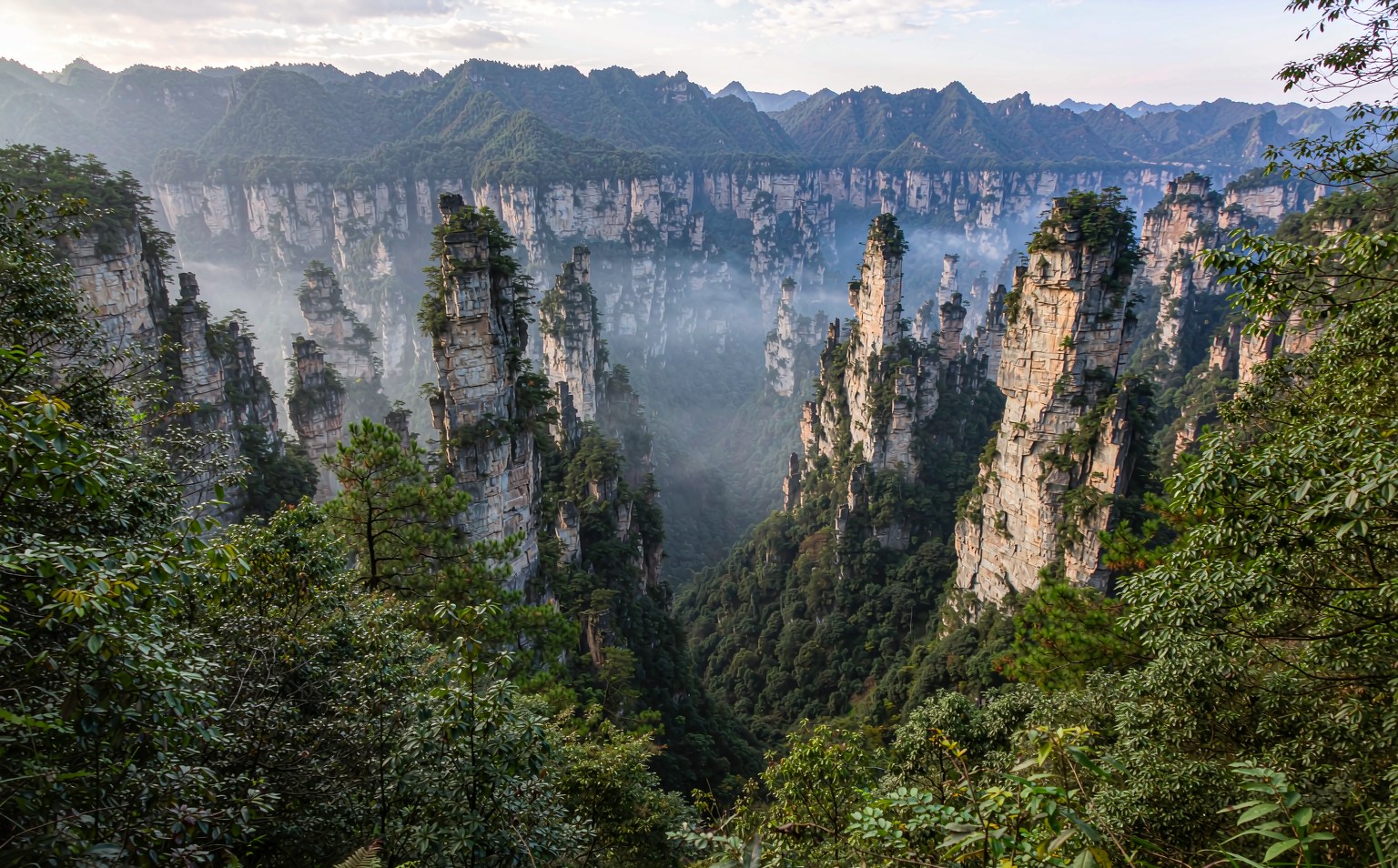
November brings the most cloud to Zhangjiajie, and on the morning after rain the peaks show only their tops. Six days link Wulingyuan, the waterfall town of Furong and Fenghuang, with two nights in the mountains and two in the old towns.
Five Days in Xishuangbanna from Luoyang, Skipping Winter
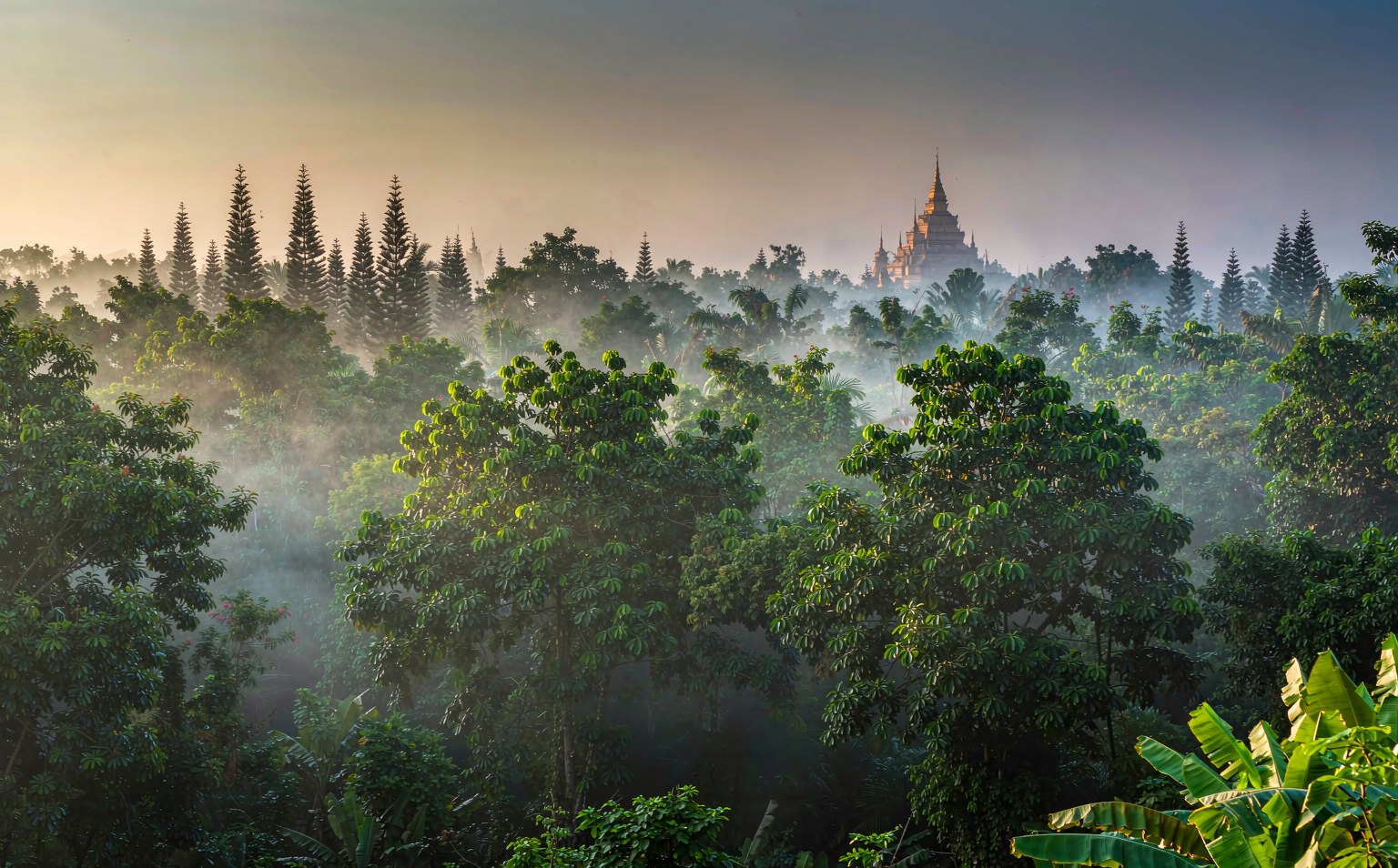
Jinghong runs to twenty five degrees in November and the night market at Gaozhuang stays open past midnight. Five days without long drives: one for the botanical garden, one for the elephants, one for the Dai villages.
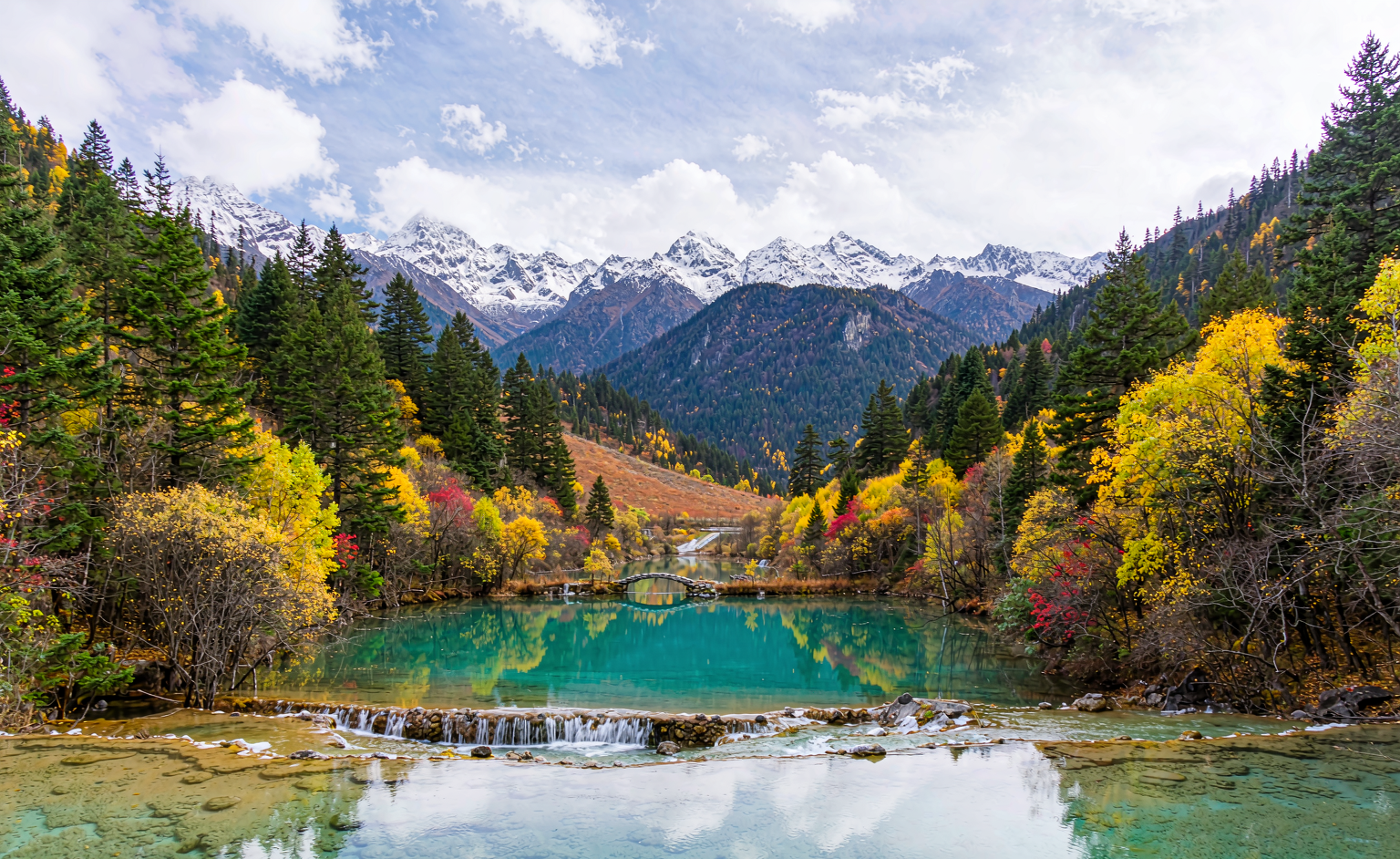
Jiuzhaigou and Huanglong in Four Days from Luoyang, the Last of the Autumn Colour
Mid November is the tail of the colour season in Jiuzhaigou. The birches by the lakes have turned, the first snow has touched the ridges, and the park drops to winter pricing on 16 November.