
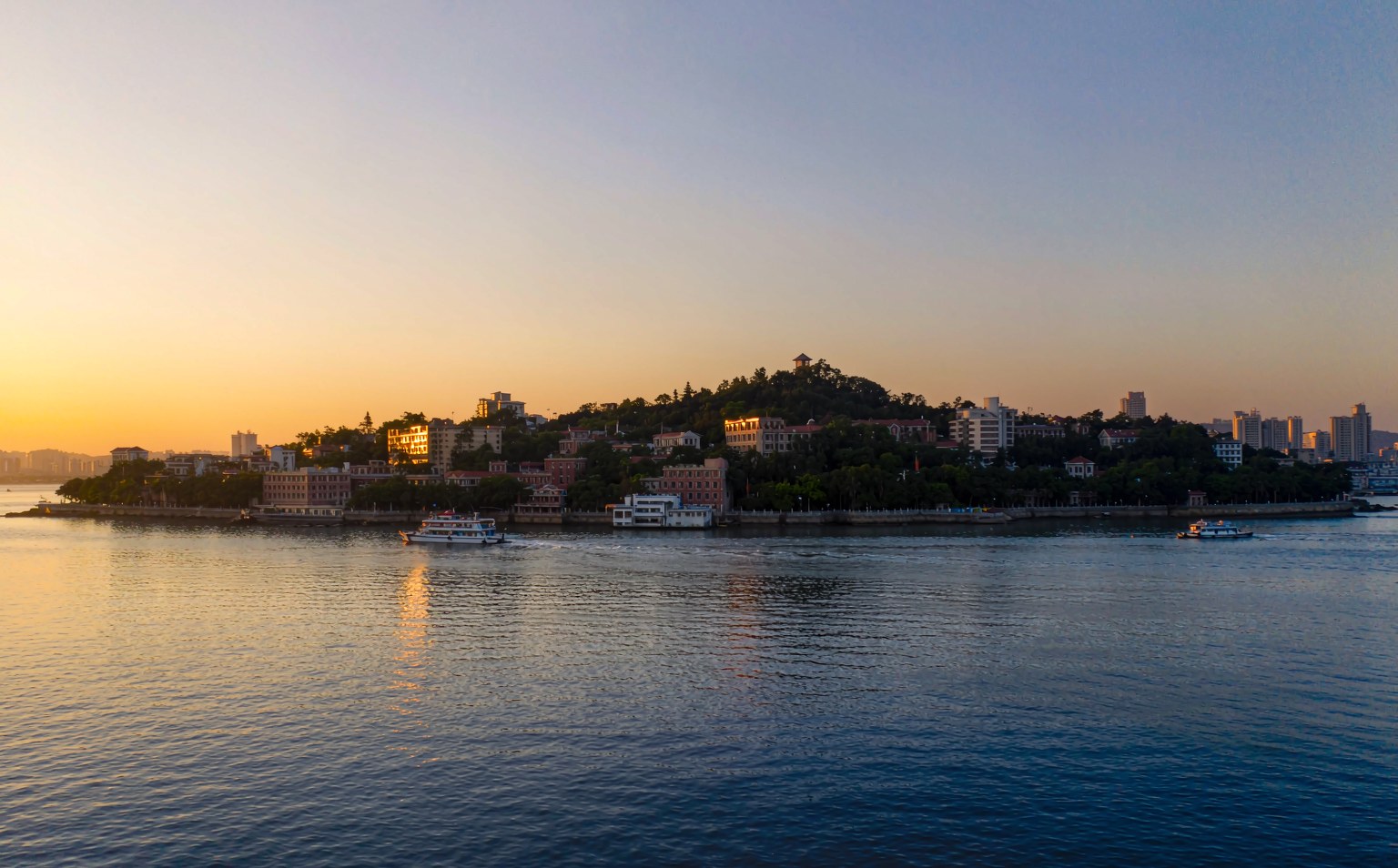
Xiamen, Gulangyu, Quanzhou and Yunshuiyao in Seven Days from Luoyang
Xiamen sits at twenty three degrees in November with a dry sea breeze. Seven unhurried days: a night on Gulangyu, two in Quanzhou, an afternoon under the banyans at Yunshuiyao, and a last ride along the island road.
Highlights
Day 1: Fly to Xiamen and walk Shapowei
A midday flight from Zhengzhou, two and a half hours to Xiamen. Half an hour into town, bags down, and a walk to Shapowei. Old fishing boats still lie in the sheltered basin, the warehouses along the edge have become shops, and as the light goes the lamps come on one by one under the bridge.
Attraction introduction: Shapowei sits in the south west of the island and was the harbour where fishing boats sheltered from weather, still holding a few hulls today. The old industrial sheds on the bank now house coffee rooms and small stores, and the Yanwu bridge crosses overhead with the sea beneath it. The island itself is small, forty kilometres around, and reachable by bus or metro in a loop.
Tips: Guests generally find the first night gets eaten by queues at the famous shops on Zhongshan Road, an hour of waiting for ten minutes of eating. In practice we put the first night at Shapowei, within walking distance of the hotel. The sea breeze is cool in November, so bring a light jacket.
Day 2: Across to Gulangyu for the night
A morning boat from the Dongdu cruise terminal, twenty minutes to Sanqiutian wharf. No vehicles on the island, so the guesthouse collects the bags. Longtou Road and Fujian Road in the morning for the gateways and colonnades of the old villas, then up Sunlight Rock in the afternoon for the whole island and the skyline across the water. By dusk the day boats have gone and the island goes quiet.
Attraction introduction: Gulangyu covers under two square kilometres south west of Xiamen and bans motor traffic entirely. A century ago the foreign consulates were here, leaving whole streets of Western buildings that give the island its name as a museum of architecture. Sunlight Rock is the high point, a single granite mass with a platform looking back at the city. Shuzhuang Garden belonged to a wealthy Taiwan family and holds a piano museum.
Tips: Guests generally find the island feels like a market by day, with Longtou Road impassable. In practice we stay the night, wait for the half past five boats to carry the crowd away, and walk the Neicuoao lanes after dinner where the street lamps light almost nobody. Sunlight Rock is stone steps, so wear shoes with grip.
Day 3: Island morning, then the coast road
Up at half past six for sunrise near Bishan cave, then back around Neicuoao to breakfast. Boat back to Xiamen at ten, and a rented bicycle in the afternoon from Baicheng beach to Zengcuoan, the sea the whole way.
Attraction introduction: Early morning on Gulangyu is the island as it actually works, lanes being swept, vegetables being carried, piano notes coming through windows. The coast road follows the south east shore with water on one side and hills on the other, and the Baicheng to Zengcuoan stretch has a boardwalk and sand that can be walked at low tide. Zengcuoan was a fishing village and is now a cluster of guesthouses and snack stalls.
Tips: Guests generally find the coast road is longer than it looks and the distance gets underestimated. In practice we ride only Baicheng to Zengcuoan, about eight kilometres, which takes an hour. The wind is strong, so keep hats and loose items secured rather than chasing them into traffic.
Day 4: Rail to Quanzhou, West Street and the temple
A forty minute train to Quanzhou in the morning. Bags down and out to West Street, paved and lined with arcades and food stalls. On to the Kaiyuan temple, in through the gate to the two stone pagodas standing on either side of the courtyard, five storeys and eight faces each.
Attraction introduction: Quanzhou lies north of Xiamen and was the starting point of the maritime silk road in the Song and Yuan. Buddhist temples, mosques and churches stand a few streets apart. The Kaiyuan temple dates from the Tang, and its twin pagodas are Southern Song work with Hindu motifs still legible in the reliefs. West Street is the oldest lane in the city, selling noodle soup, spring rolls and seaweed jelly under the arcades.
Tips: Guests generally find Quanzhou gets treated as a transfer stop and given half a day. In practice we give it two nights, with West Street and the temple on the first afternoon, both within a kilometre on foot. The temple is free to enter and closes at half past five, so do not leave it late.
Day 5: The Song bridge and the flower village
Half an hour east of the city to the Luoyang bridge in the morning. It is a beam bridge, long and low, with oyster shells still clinging to the piers. In the afternoon, Zengpu village, where the women wear rings of fresh flowers, and an oyster omelette on the way back.
Attraction introduction: The bridge crosses the mouth of the Luoyang river east of Quanzhou and was built under the Northern Song, the oldest surviving sea crossing beam bridge in the country. Its foundations were fixed by growing oysters onto the stone, a technique still visible, and the deck is laid with long slabs between a mid pavilion and stone pagodas. Zengpu sits on the south shore of the bay, a fishing village where the flowers in the women hair come from the day market.
Tips: Guests generally find the bridge has no shade at midday and the deck bakes. In practice we cross before nine, with the light slanting and the wind cool and almost nobody on it. The flowers at Zengpu are daily life rather than a costume, so ask before photographing and do not push a phone into anyone face.
Day 6: Rail to Nanjing county and into Yunshuiyao
A ninety minute train from Quanzhou to Nanjing station in the morning, then an hour by road into the hills, arriving at Yunshuiyao around noon. The afternoon follows the old post road, with a row of ancient banyans along the stream and a waterwheel turning, past Hegui lou and Huaiyuan lou. A night in the village, where after nine there is only water.
Attraction introduction: Yunshuiyao lies in Meilin township of Nanjing county, its post road running beside the Changjiao stream, with a dozen old banyans leaning their branches over the water and roots trailing in it. Hegui lou is a square tulou built on marshy ground, where the courtyard floor gives underfoot, and Huaiyuan lou is a double ring circle with an earth outer wall and a brick inner one. These are Hakka clan houses, dozens of families to a building around a shared courtyard.
Tips: Guests generally find the village is busy by day and the post road full both ways. In practice we stay the night, walk it at dusk and again at dawn, and rest in the guesthouse through the middle. People still live inside the buildings, so ask before climbing the stairs rather than pushing a door open.
Day 7: One more walk, then home
Out at half past six with mist on the stream and banyan roots hanging into the water. Back for breakfast, checkout at nine, the road to Nanjing station, the train to Xiamen North, and the connection north that brings us home in the evening.
Attraction introduction: At dawn the stream runs shallow and clear, the stone blocks of the crossing stand clear of the surface, and mist comes down from upstream. The post road is the old courier route toward Zhangzhou, paved in river cobbles and polished by centuries of feet. Nanjing station stands at the edge of the county town on the Longyan Xiamen line, running east to the coast and west toward Longyan.
Tips: Guests generally find the last day is where connections get packed too tight. In practice the trains from Nanjing station to Xiamen North are not frequent, so the tickets are booked a day ahead, and an hour and a half is allowed for the road down from the village.
Related Tours
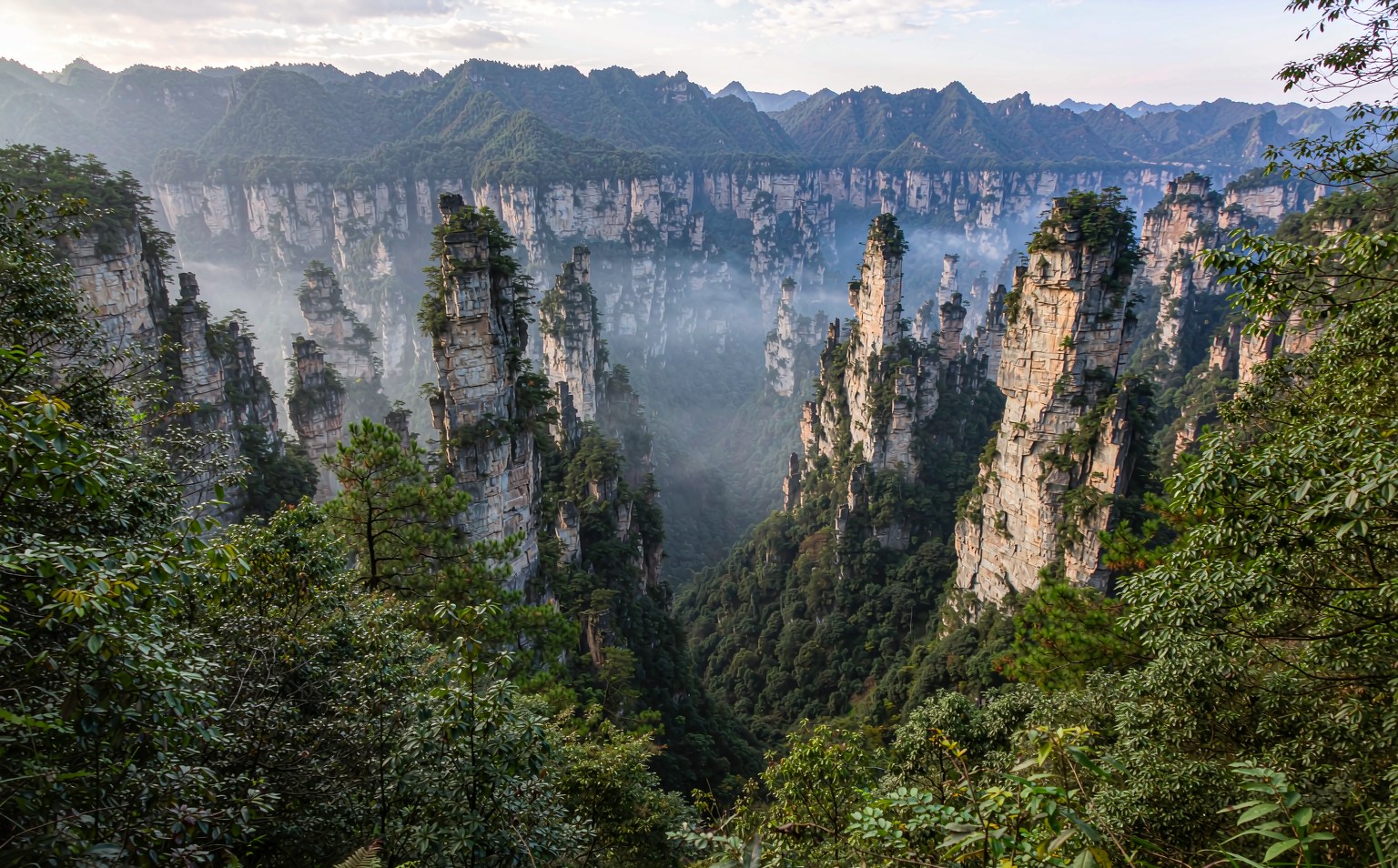
Zhangjiajie, Furong and Fenghuang in Six Days from Luoyang, Chasing the Sea of Cloud
November brings the most cloud to Zhangjiajie, and on the morning after rain the peaks show only their tops. Six days link Wulingyuan, the waterfall town of Furong and Fenghuang, with two nights in the mountains and two in the old towns.
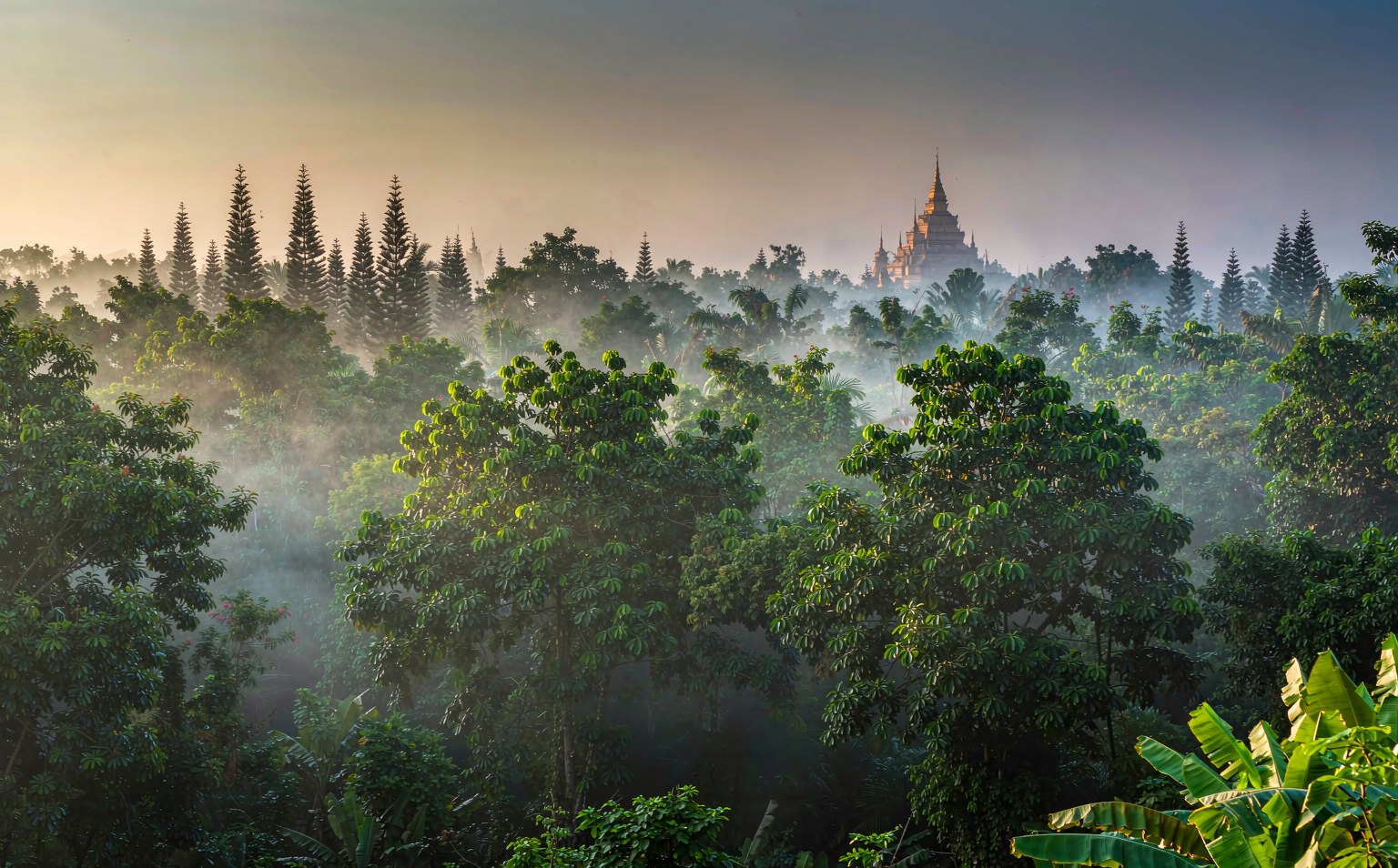
Five Days in Xishuangbanna from Luoyang, Skipping Winter
Jinghong runs to twenty five degrees in November and the night market at Gaozhuang stays open past midnight. Five days without long drives: one for the botanical garden, one for the elephants, one for the Dai villages.
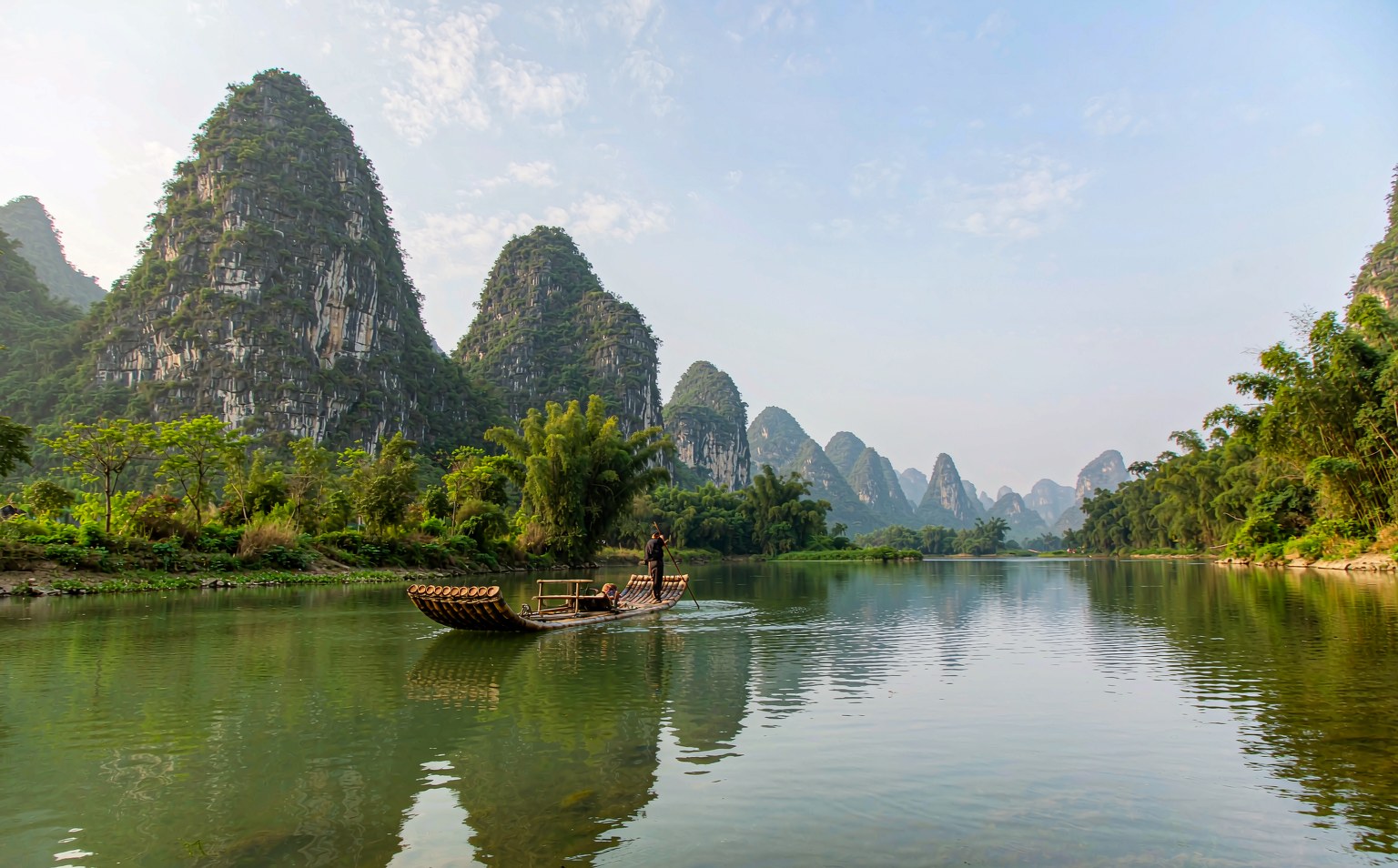
Guilin, Haiyang Ginkgo Villages and Yangshuo in Four Days from Luoyang
Late November turns the ginkgo yellow in Haiyang township, where more than a million trees stand between the houses. Four days link Guilin, the villages and Yangshuo, without the big Li River cruise.
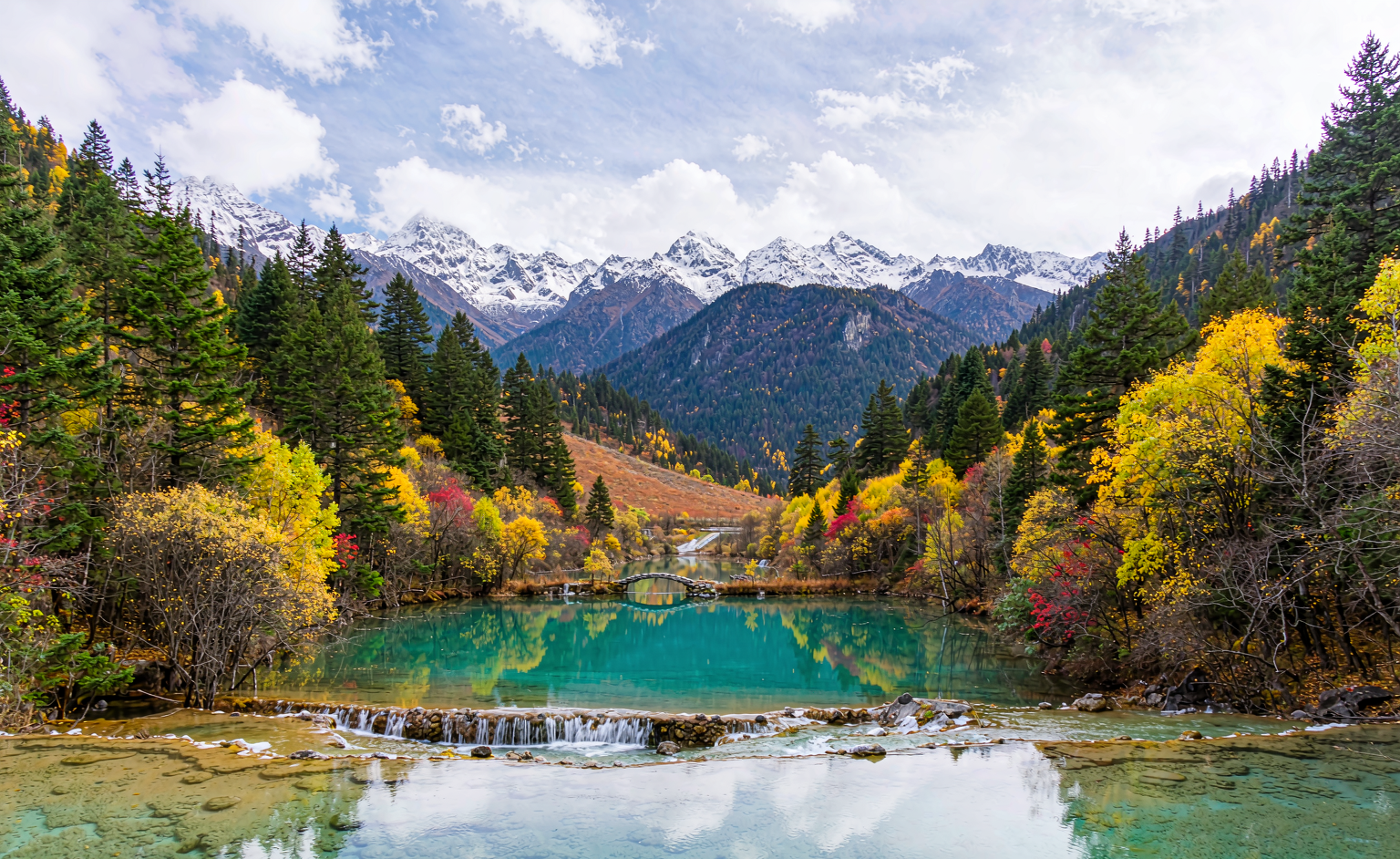
Jiuzhaigou and Huanglong in Four Days from Luoyang, the Last of the Autumn Colour
Mid November is the tail of the colour season in Jiuzhaigou. The birches by the lakes have turned, the first snow has touched the ridges, and the park drops to winter pricing on 16 November.