
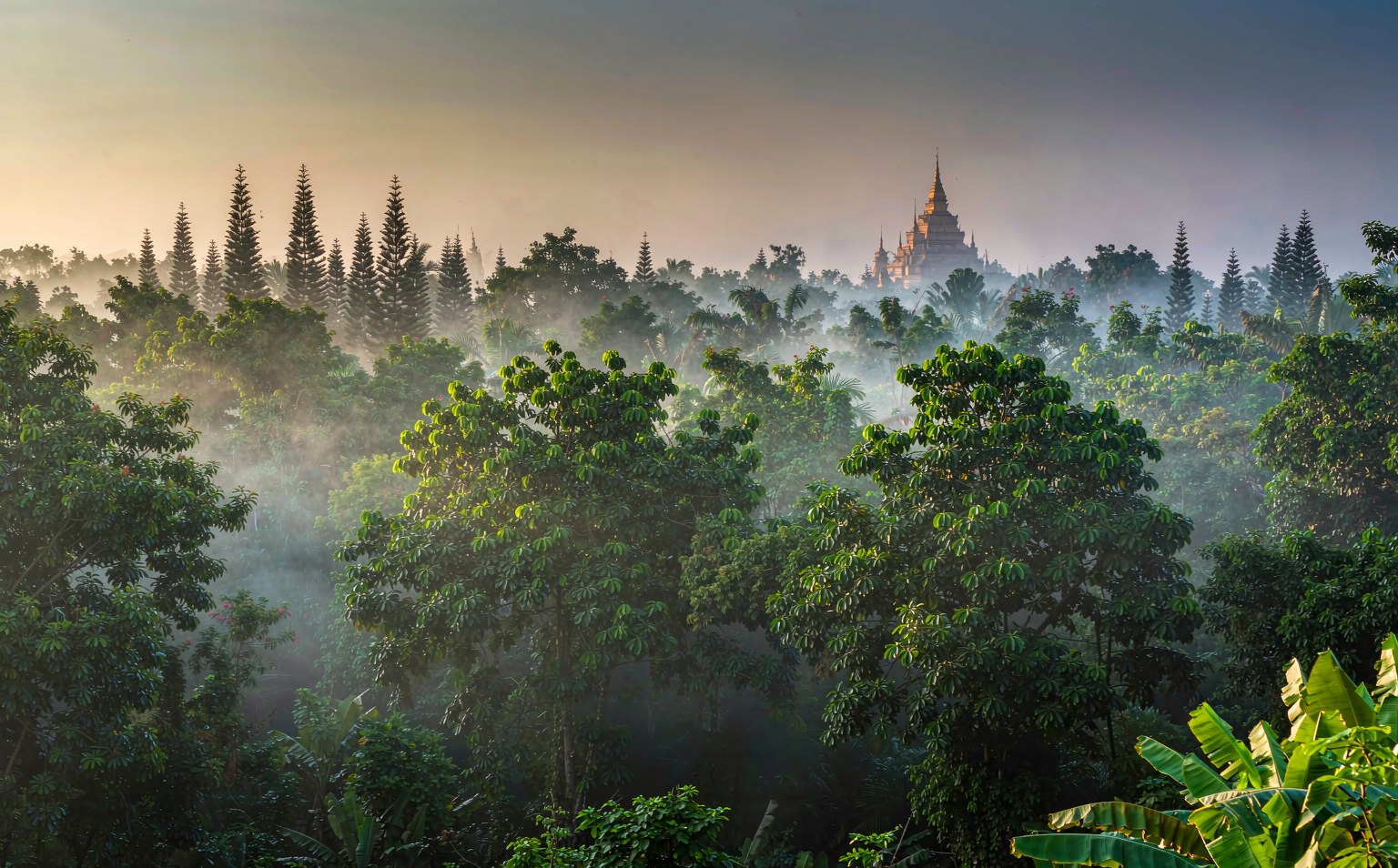
Five Days in Xishuangbanna from Luoyang, Skipping Winter
Jinghong runs to twenty five degrees in November and the night market at Gaozhuang stays open past midnight. Five days without long drives: one for the botanical garden, one for the elephants, one for the Dai villages.
Highlights
Day 1: Fly in and walk the night market
A midday flight from Zhengzhou with a change in Kunming, touching down at Jinghong around four. Twenty minutes to Gaozhuang, bags dropped and straight out again. As the light goes, the great golden pagoda comes on and the stalls of the night market run from the tower down to the river, grilled meat, cold chicken feet salad, coconut drinks.
Attraction introduction: Gaozhuang is a quarter of Dai style buildings east of the city centre, with the gilded pagoda at its heart and shrines on four sides. The night market only comes alive after dark, spread over several streets of food, craft work and Dai clothing, and takes over an hour to walk. The Lancang River runs past the edge of town and becomes the Mekong once it leaves the country.
Tips: Guests generally find the first night is when they overeat, hot and sour and grilled and iced all at once. In practice we keep the market for the arrival night, start with a bowl of hot rice noodles, and go easy on the cold drinks. The mosquitoes here are not the ones from home, so bring long trousers and repellent.
Day 2: A full day at the tropical botanical garden
Away at eight, ninety minutes toward Menglun. The garden splits into east and west, so the shuttle goes to the far end of the west first and the walking goes back through the water lily pond, the banyan grove, the palms and the ornamental beds. Lunch inside, then the rain forest section in the east, back in town by five.
Attraction introduction: The Chinese Academy of Sciences garden sits at Menglun in Mengla county, on a peninsula wrapped on three sides by the Luosuo River. The west is a planted collection, where a giant water lily holds the weight of a child and the banyans drop aerial roots that take hold and become new trunks, so that a whole grove is one tree. The east is primary rain forest, with strangler figs, buttress roots and heavy lianas.
Tips: Guests generally find the garden cannot be finished, since it is large and the sun is hard. In practice we buy one shuttle ticket for the west and one for the whole garden, and ride whenever the legs give out. There is no shade at midday, so carry your own water rather than counting on a kiosk.
Day 3: Wild Elephant Valley and the canopy walkway
Out at nine, forty minutes toward Mengyang. A cable car crosses the valley above the canopy first, then the walkway runs toward the elephant paths, and whether anything shows up is luck. The afternoon goes to the elephant school, watching from behind the rail as the animals bathe and feed. Back in town by four.
Attraction introduction: The valley lies in the Mengyang reserve north of Jinghong, where a stream runs all year and the Asian elephants follow it, which is why the walkway was built at canopy height along both sides. There is a butterfly garden and an elephant museum covering how the local herd has changed and how people and elephants negotiate the same ground. The cable car crosses a stretch of gully and shows the layers of the forest from above.
Tips: Guests generally find that seeing a wild elephant is the exception rather than the rule. In practice we finish the walkway and move on instead of waiting at the viewing platform, and take the certainty of the elephant school, where the animals are rescued rather than wild. Umbrellas are not allowed on the walkway, so bring a rain jacket.
Day 4: The Dai villages, then Manting Park
An hour south east to Ganlanba in the morning, where five villages run together and looms stand under the stilted houses. Dai food at noon, the water splashing square in the afternoon, then back to town for Manting Park and the walk from the white stupa to the great temple.
Attraction introduction: The Dai park covers five villages at Ganlanba, Manjiang, Manchunman, Manting, Manzha and Manga, where the temples and the timber houses are still in daily use rather than built for visitors. The splashing square runs a session every afternoon and guests can join. Manting Park was the royal garden, with a white stupa and a grove of ironwood, and the great temple beside it ranks highest in the prefecture.
Tips: Guests generally find the villages are where they get pulled into silver and tea shops and lose half a day. In practice we walk the lanes and the square only, and skip the shops. Joining the water throwing means a change of clothes, and there are rentals on site. Shoes come off inside temples and shorts are not acceptable, which locals take seriously.
Day 5: The river bank, then the flight home
No alarm. A slow walk along the Lancang, where people exercise and wash vegetables on the shingle. Checkout at ten, a last plate of pineapple rice at noon, and the airport in the afternoon for the flight back through Kunming.
Attraction introduction: The Lancang comes down from Qinghai and leaves the country as the Mekong, and at Jinghong it runs wide and fast with a promenade and viewing decks along the bank. Mornings on the shingle belong to fishermen and washerwomen, evenings to walkers and dancers. Gasa airport sits south west of the city, close enough that arrival and departure are not an expedition.
Tips: Guests generally find the last day is where security and connections get underestimated. In practice we reach the airport ninety minutes early for a domestic flight, and allow over two hours for the change in Kunming. Mangoes and jackfruit cannot go in the cabin, so ask about checked baggage before packing them.
Related Tours
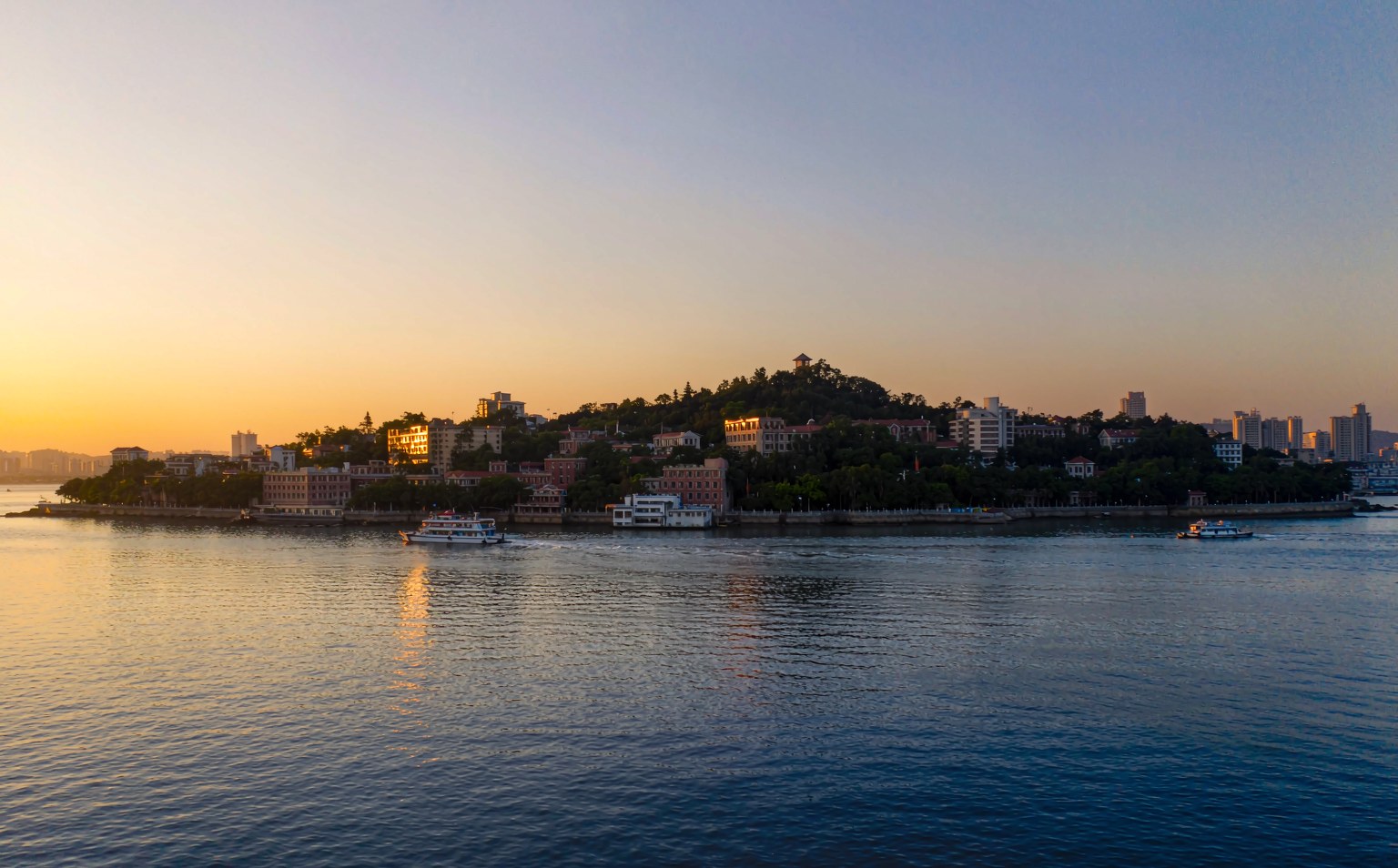
Xiamen, Gulangyu, Quanzhou and Yunshuiyao in Seven Days from Luoyang
Xiamen sits at twenty three degrees in November with a dry sea breeze. Seven unhurried days: a night on Gulangyu, two in Quanzhou, an afternoon under the banyans at Yunshuiyao, and a last ride along the island road.
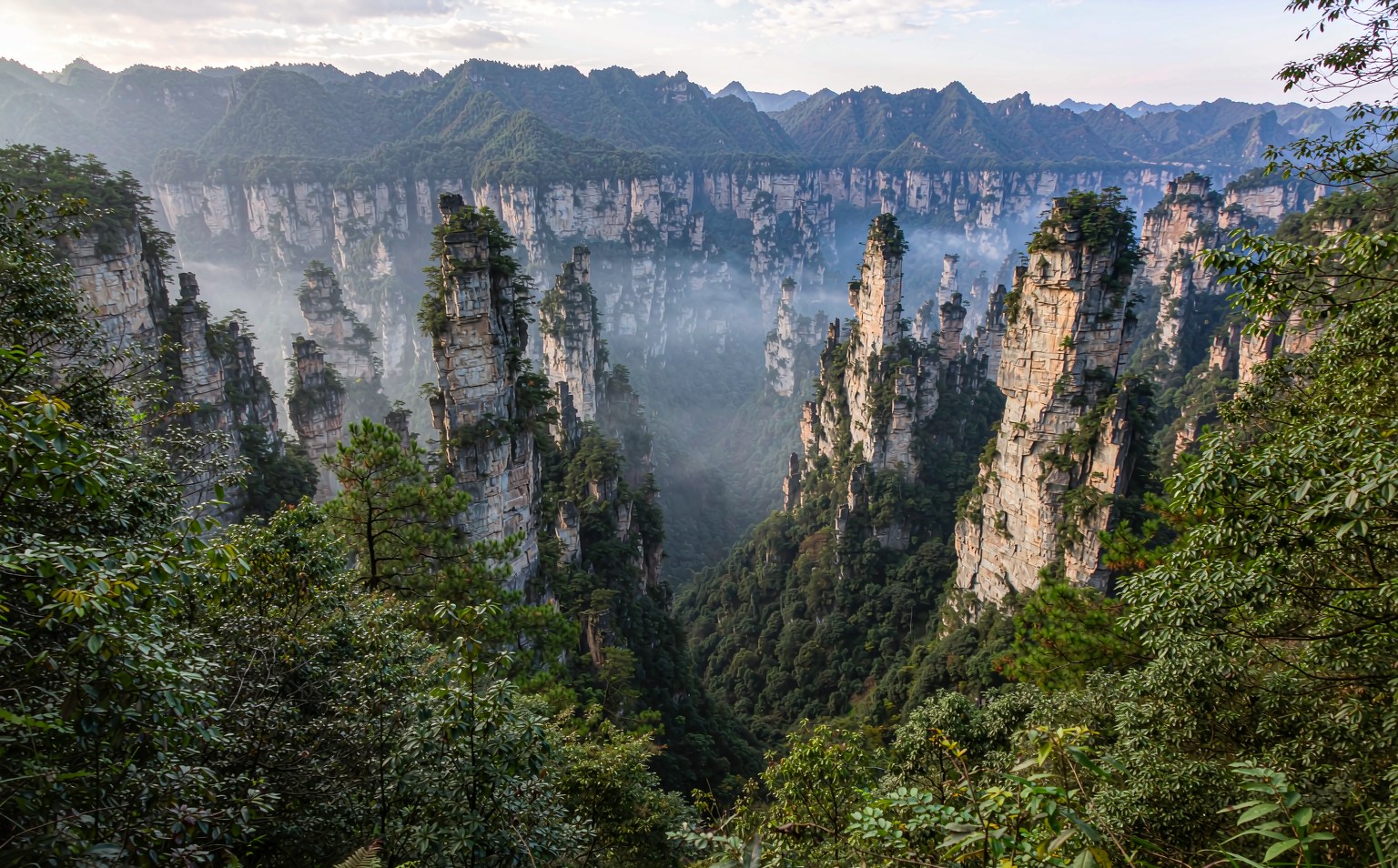
Zhangjiajie, Furong and Fenghuang in Six Days from Luoyang, Chasing the Sea of Cloud
November brings the most cloud to Zhangjiajie, and on the morning after rain the peaks show only their tops. Six days link Wulingyuan, the waterfall town of Furong and Fenghuang, with two nights in the mountains and two in the old towns.
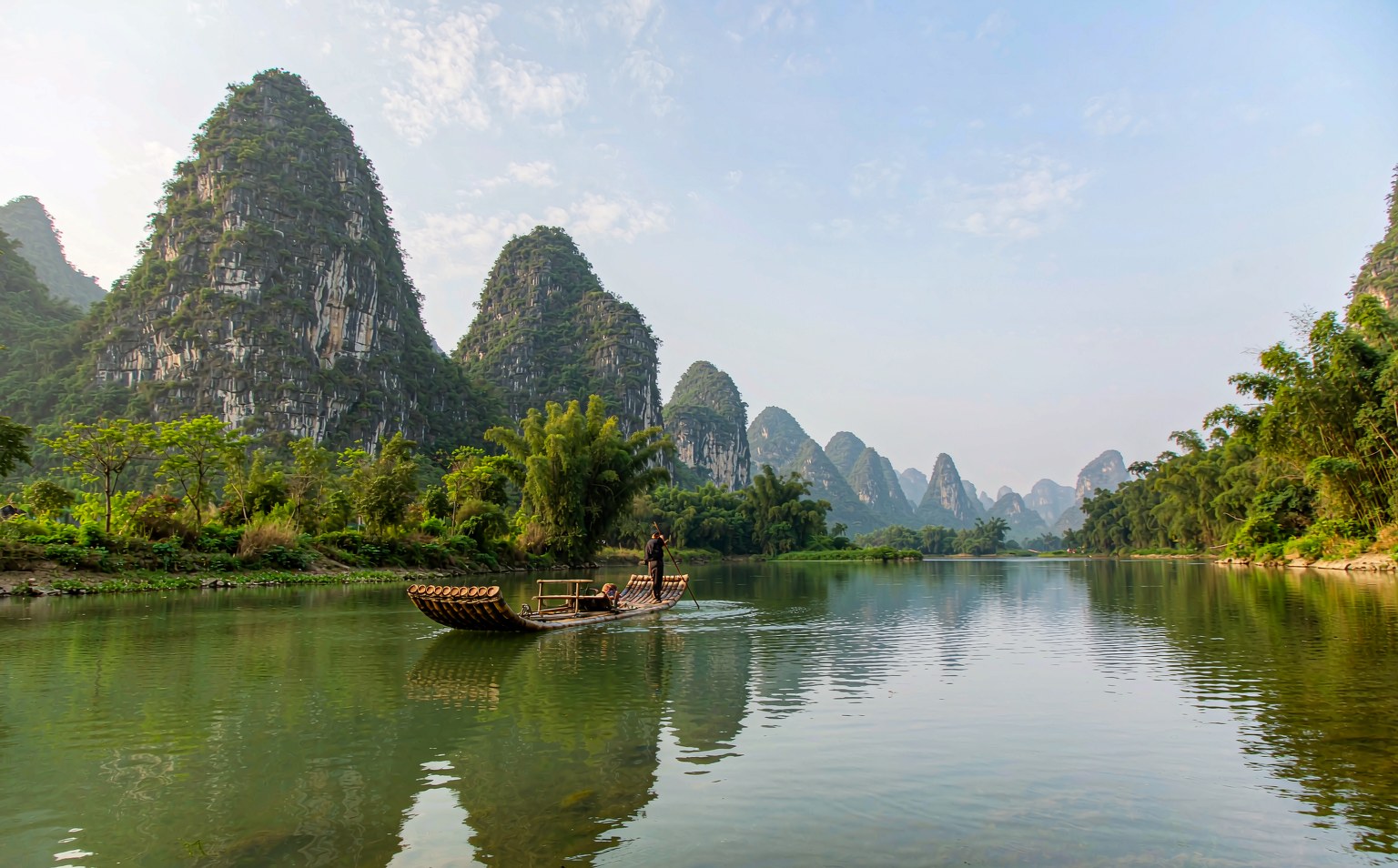
Guilin, Haiyang Ginkgo Villages and Yangshuo in Four Days from Luoyang
Late November turns the ginkgo yellow in Haiyang township, where more than a million trees stand between the houses. Four days link Guilin, the villages and Yangshuo, without the big Li River cruise.
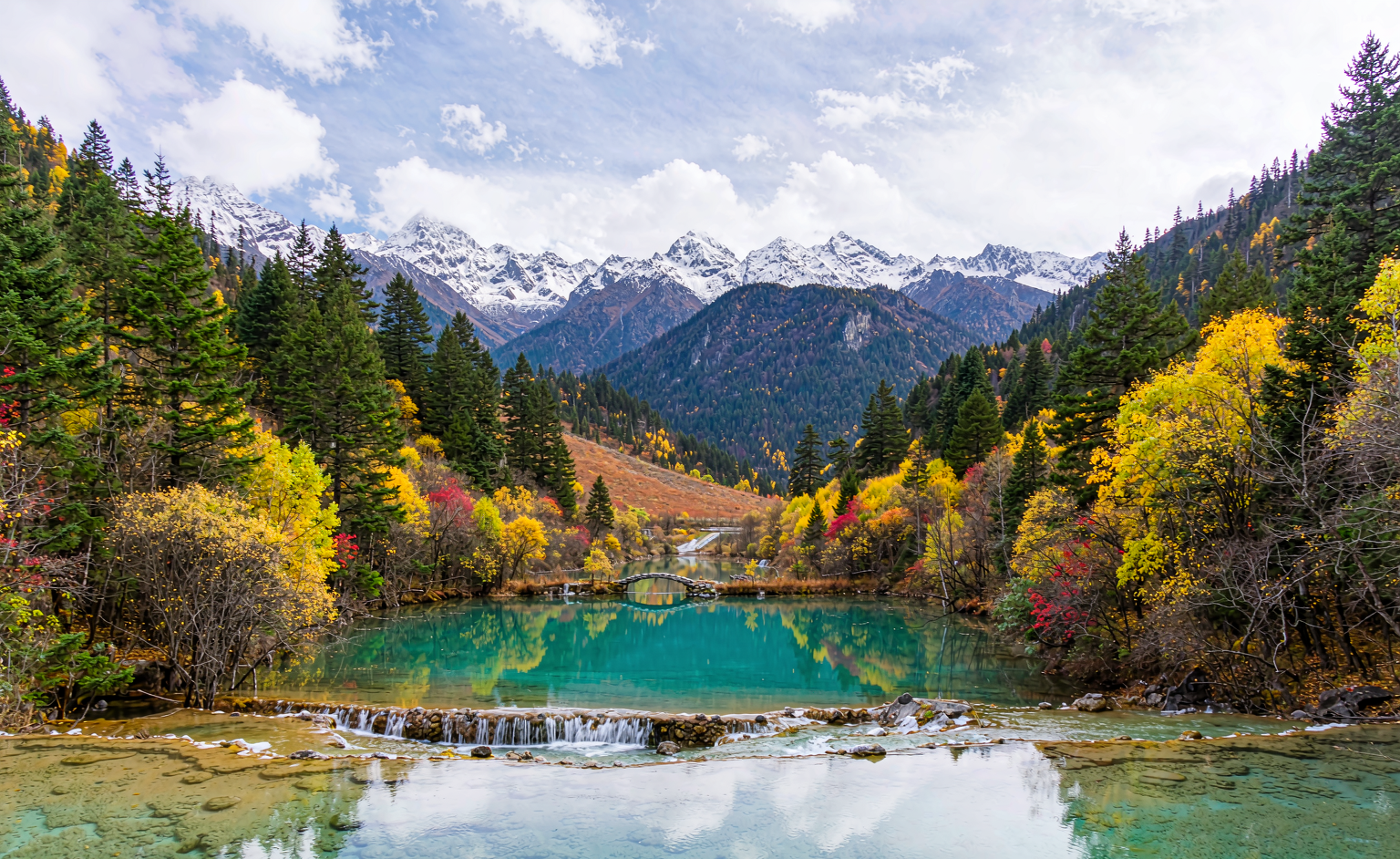
Jiuzhaigou and Huanglong in Four Days from Luoyang, the Last of the Autumn Colour
Mid November is the tail of the colour season in Jiuzhaigou. The birches by the lakes have turned, the first snow has touched the ridges, and the park drops to winter pricing on 16 November.