
Zhangjiajie, Furong and Fenghuang in Six Days from Luoyang, Chasing the Sea of Cloud
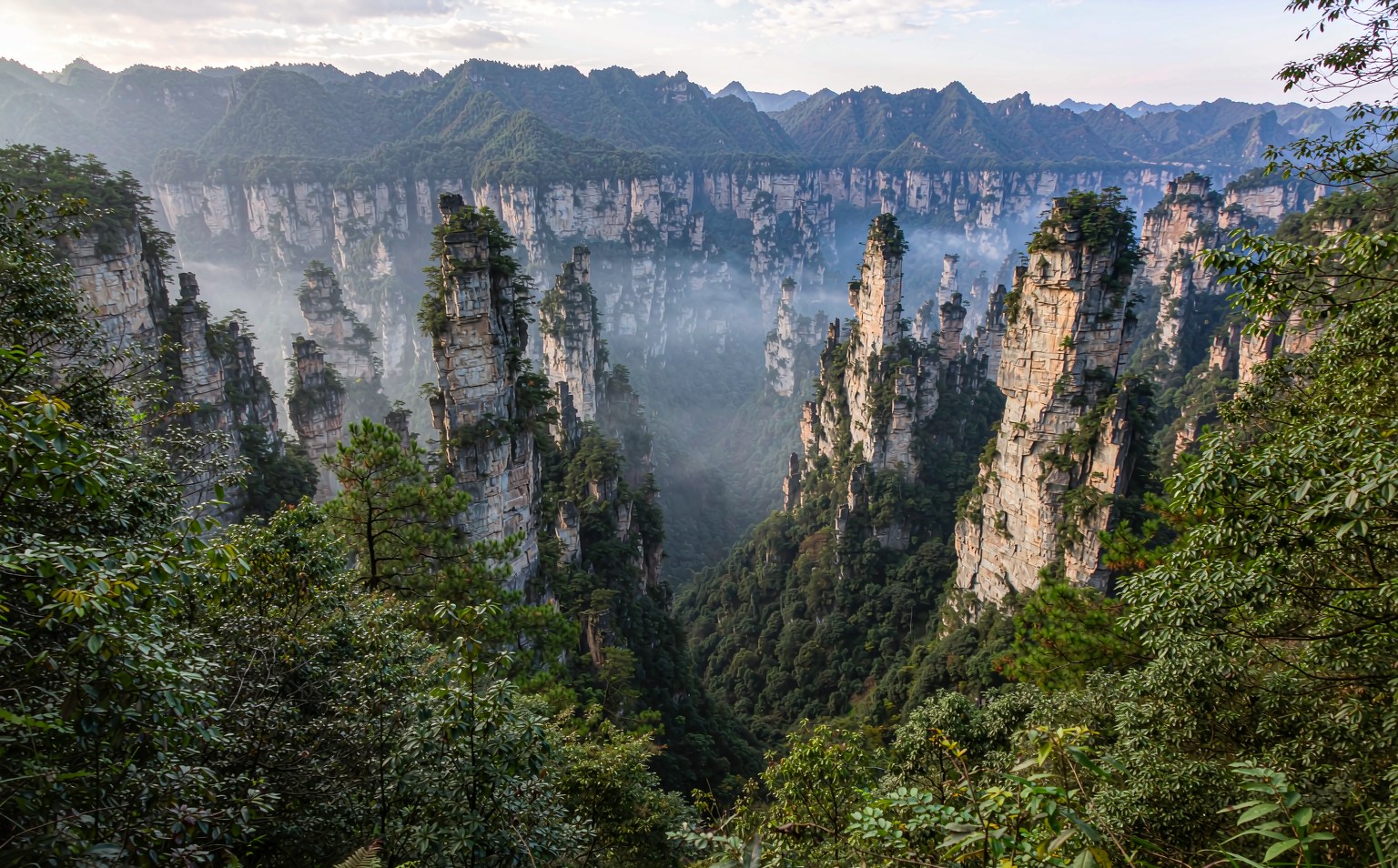
November brings the most cloud to Zhangjiajie, and on the morning after rain the peaks show only their tops. Six days link Wulingyuan, the waterfall town of Furong and Fenghuang, with two nights in the mountains and two in the old towns.
Highlights
Day 1: Rail to Zhangjiajie and into the mountains
A morning train from Luoyang Longmen through Zhengzhou and Changsha with one change, reaching Zhangjiajie West in the afternoon. The car climbs into Wulingyuan for forty minutes, past orange orchards and guesthouses. Bags down, a walk along Xibu street and a bowl of the local three pot stew.
Attraction introduction: The station sits west of the city, forty kilometres from the Wulingyuan gate, forty minutes on the expressway. Wulingyuan is a district of Zhangjiajie holding four blocks, the national forest park, Suoxiyu, Tianzi Mountain and Yangjiajie, covered by one ticket valid four days and linked by green shuttle buses. Xibu street is the commercial lane at the gate, with rice cake pounding and Tujia performances at night.
Tips: Guests generally find the first night is when they drag every bag into the mountains and regret it at the next hotel. In practice the big cases stay on the vehicle and only one night of clothes goes in. The ticket must be scanned and activated at first entry, so the itinerary names the gate for each day.
Day 2: Golden Whip Stream, then up to Yuanjiajie
In through the forest park gate at eight and down the Golden Whip Stream, five kilometres of flat path between fir and nanmu. At Shuirao Simen a shuttle reaches the base of the Bailong lift, which rises to the rim in a little over a minute, and Yuanjiajie begins at the top. In the afternoon, the Mihun and Houhuayuan platforms, looking down on pillars standing in the gorge.
Attraction introduction: The stream runs about five kilometres from Tudiya to Shuirao Simen between quartz sandstone walls, clear enough to read the grain of the stones below. The Bailong lift is bolted to a vertical cliff and climbs over three hundred metres in a glass cabin, so the canopy suddenly drops away beneath the floor. Yuanjiajie sits on a terrace around a thousand metres up, and its two viewing platforms push out over the gorge.
Tips: Guests generally find the stream leaves the legs sore, since five flat kilometres takes three hours with stops. In practice we walk it in the morning and take the mid-route shuttle if needed. The lift queues badly, so arrive half an hour early rather than joining the three o clock crowd, and never cross the warning line where the rail is missing.
Day 3: Tianzi Mountain for the cloud, then the gallery road
Away at seven by shuttle to the Tianzi cable car. On the summit, Helong Park and Yubi Peak first, where on a good morning the cloud pours up out of the gorge. Lunch on the mountain, then down to the Ten Mile Gallery for the open tram in and a walk back out.
Attraction introduction: Tianzi Mountain stands in the north of Wulingyuan above twelve hundred metres, and Yubi Peak is a rank of stone columns side by side, with the heaviest cloud arriving on clear mornings after rain. The gallery is a gorge about five kilometres long with a tram along the floor, and the walls carry shapes that people have named, the herb gatherer and the golden rooster among them. Helong Park holds a bronze of the general and looks across the West Sea stone forest.
Tips: Guests generally find the cloud is weather, not schedule, so a blank morning is normal and the mist clears fast. In practice we are on the cable car before half past seven, when the queue is short and the summit is still in fog. On the gallery road, ride in and walk out for an hour of easy ground.
Day 4: Out of the mountains to Furong
Out of Wulingyuan in the morning, ninety minutes to Furong. The town sits on top of its waterfall, and the way in drops onto a paved street five li long with Tujia houses on both sides. The afternoon is spent at the platform beside the falls, watching water go straight down through the middle of the town. A night in the town, which goes quiet soon after the lamps come on.
Attraction introduction: Furong was called Wangcun until a film gave it the present name, and it belongs to Yongshun county in western Hunan. The houses stand on the cliffs on both sides of the falls on timber stilts, and the water drops in two steps into the Youshui. The stone street runs from the old wharf to the far end of town, polished by feet, lined with rice tofu shops and bamboo ware.
Tips: Guests generally find the mistake here is coming and leaving the same day, which means seeing only crowds. In practice we stay the night, look at the falls at dusk and again at dawn, and skip the middle of the day when the tour buses arrive. The stone street is slippery in rain, so wear soles with tread.
Day 5: Across to Fenghuang and the Tuojiang
After breakfast, ninety minutes to Fenghuang. Blood duck for lunch in the old town, then a walk along the Tuojiang, crossing to the far bank on the stepping stones and climbing the Rainbow Bridge for the stilted houses on both sides. A river boat in the late afternoon, before the town lights up.
Attraction introduction: Fenghuang spreads along both banks of the Tuojiang, with timber houses built out over the water so that half of each one hangs above it. The stepping stones are a line of square blocks in the river, used by residents and now by everyone. The Rainbow Bridge is a Ming three arch stone bridge with two storeys built on top, and the view from it is the most photographed stretch of the river.
Tips: Guests generally find the nights are louder than the days, with the bar street running to dawn. In practice we book rooms downstream, away from that lane, and take the boat in the late afternoon when the lamps are on but the crowd has not yet arrived.
Day 6: The river at six, then the train north
Out at six, when mist sits on the water and the stepping stones belong to women washing clothes. Along the bank to the north gate wharf, then into a side lane for a bowl of rice noodles. Checkout at ten, the station at noon, and the train north brings us home in the evening.
Attraction introduction: The early mist on the Tuojiang breaks up the reflections of the stilted houses, and these two hours are the quietest of the day. The north gate wharf was the old water entrance to the town, its steps running down into the river. Fenghuang station stands outside the county town on the Zhangjihuai line, which runs north to Huaihua South and joins the Shanghai Kunming corridor.
Tips: Guests generally find the last morning is when they oversleep and lose the river. In practice the alarm goes at half past five, we are out by six and back for breakfast at eight without delaying checkout. The station is twenty kilometres away, so allow an hour on the road.
Related Tours
Xiamen, Gulangyu, Quanzhou and Yunshuiyao in Seven Days from Luoyang
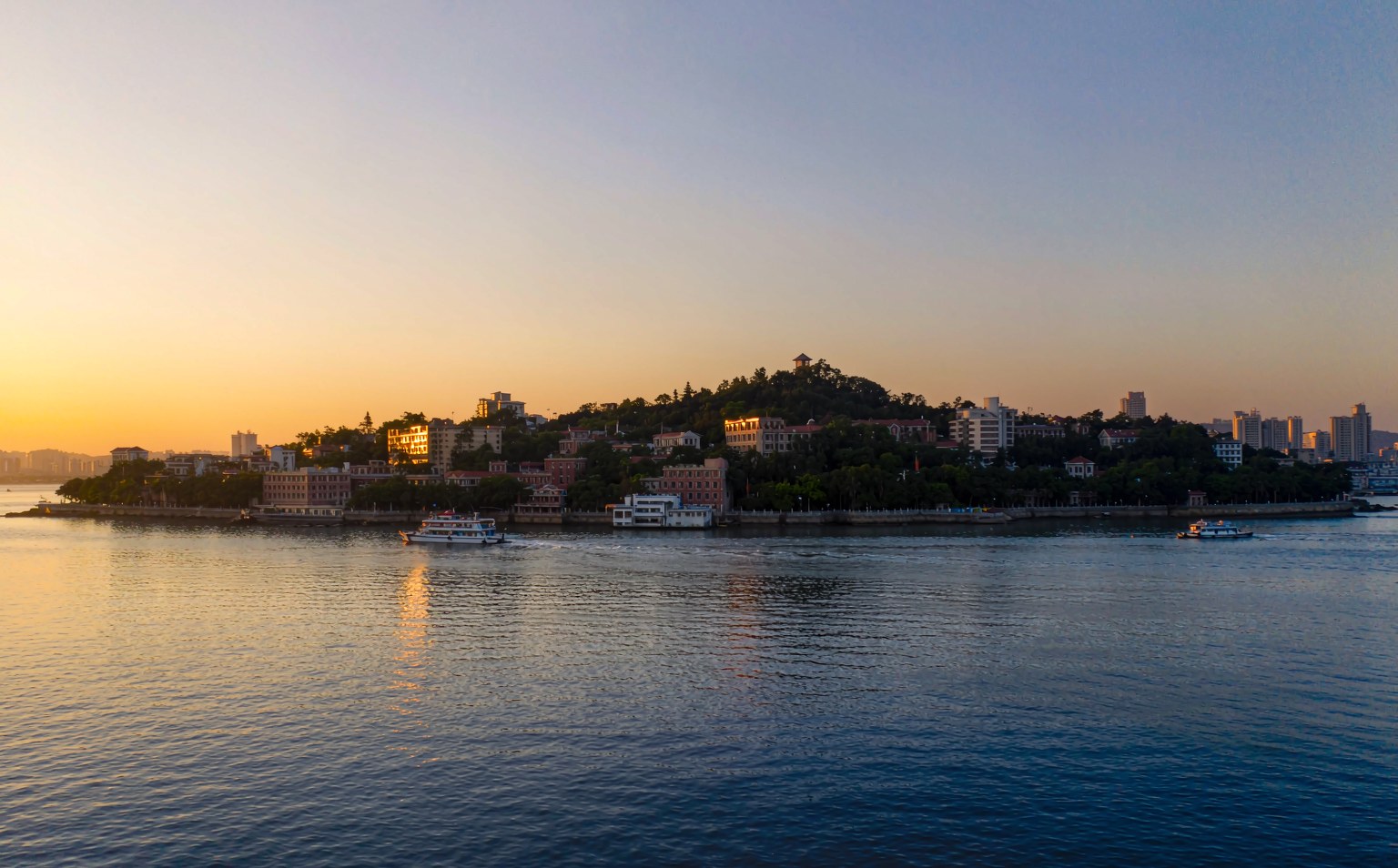
Xiamen sits at twenty three degrees in November with a dry sea breeze. Seven unhurried days: a night on Gulangyu, two in Quanzhou, an afternoon under the banyans at Yunshuiyao, and a last ride along the island road.
Five Days in Xishuangbanna from Luoyang, Skipping Winter
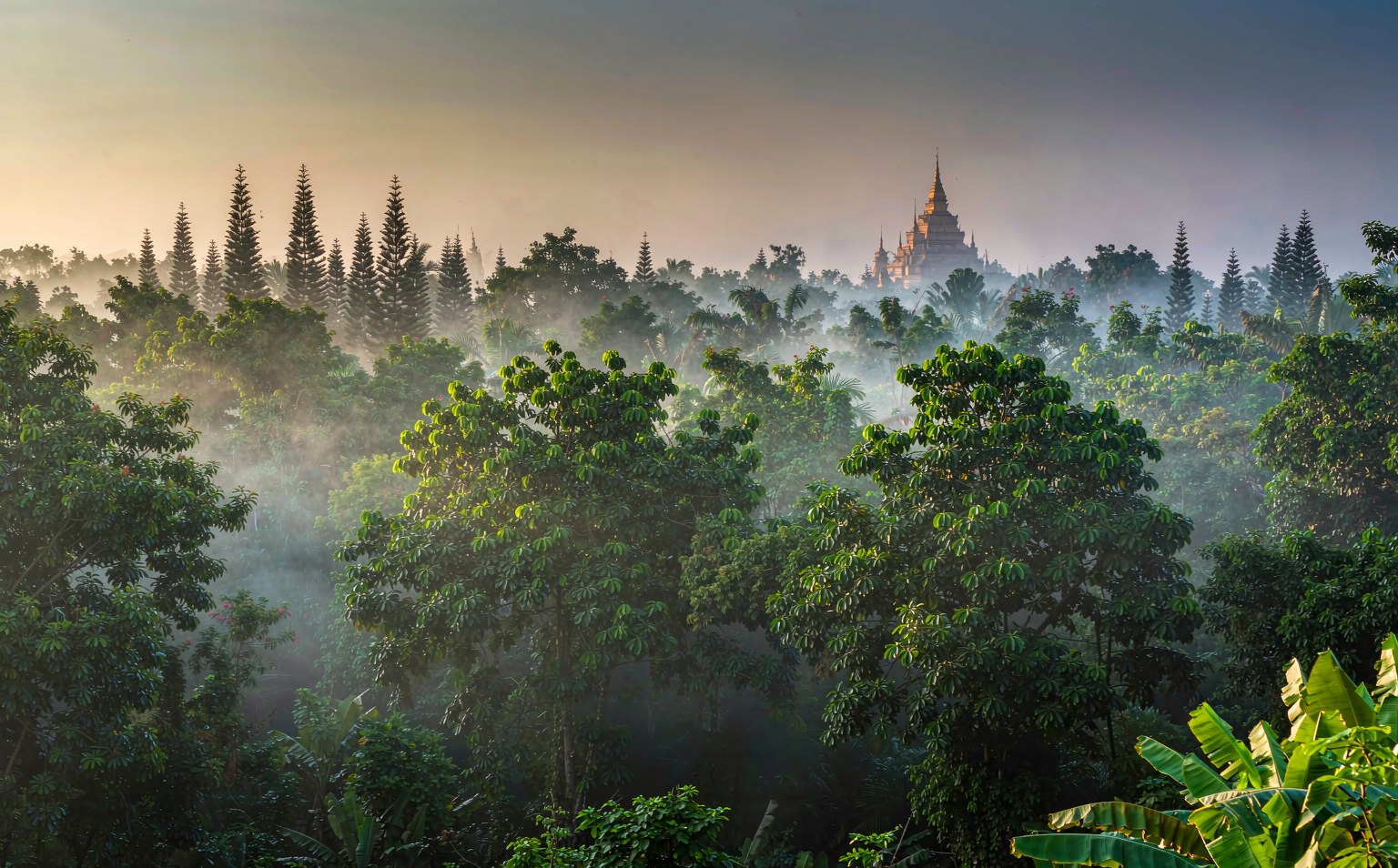
Jinghong runs to twenty five degrees in November and the night market at Gaozhuang stays open past midnight. Five days without long drives: one for the botanical garden, one for the elephants, one for the Dai villages.
Guilin, Haiyang Ginkgo Villages and Yangshuo in Four Days from Luoyang
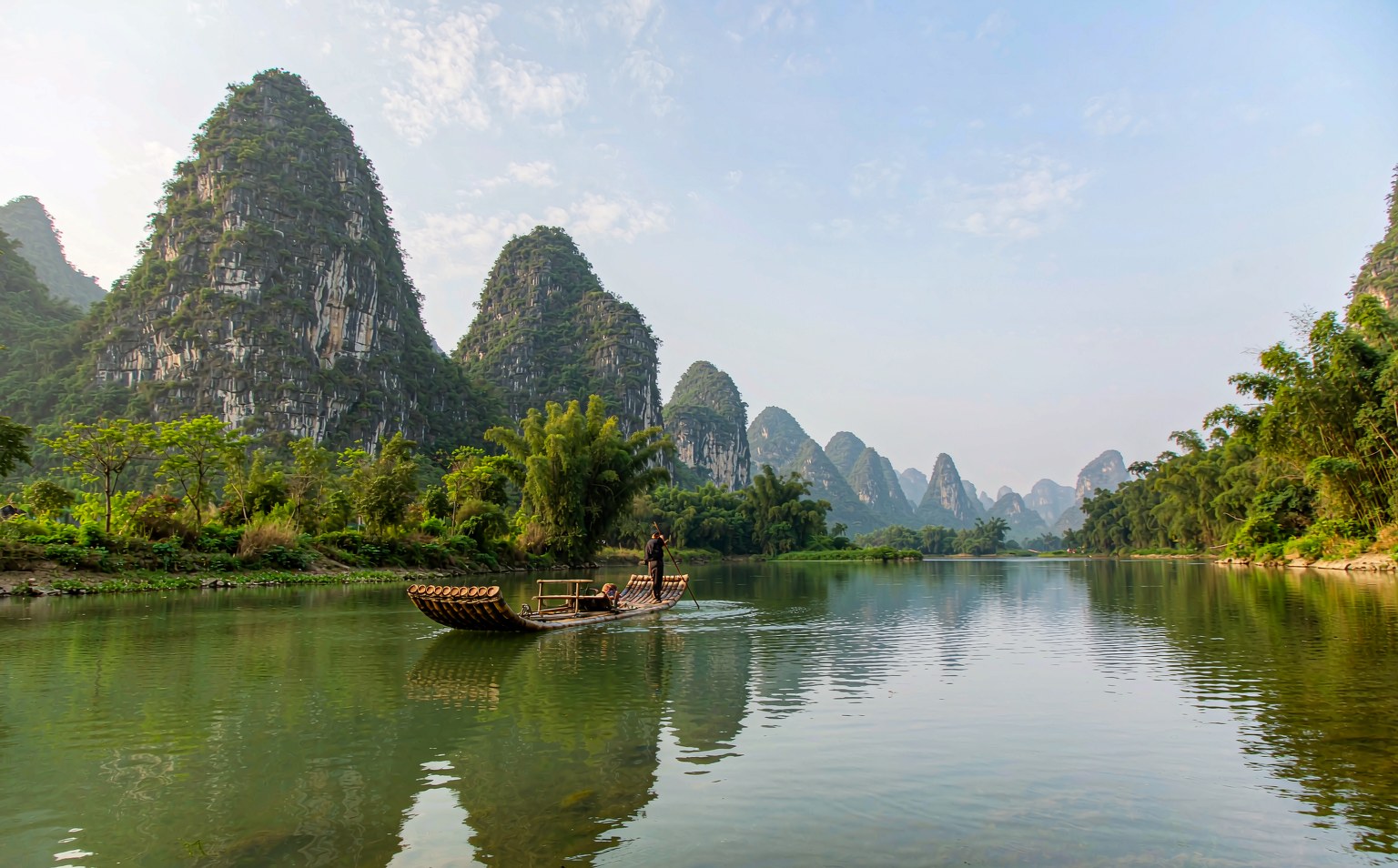
Late November turns the ginkgo yellow in Haiyang township, where more than a million trees stand between the houses. Four days link Guilin, the villages and Yangshuo, without the big Li River cruise.
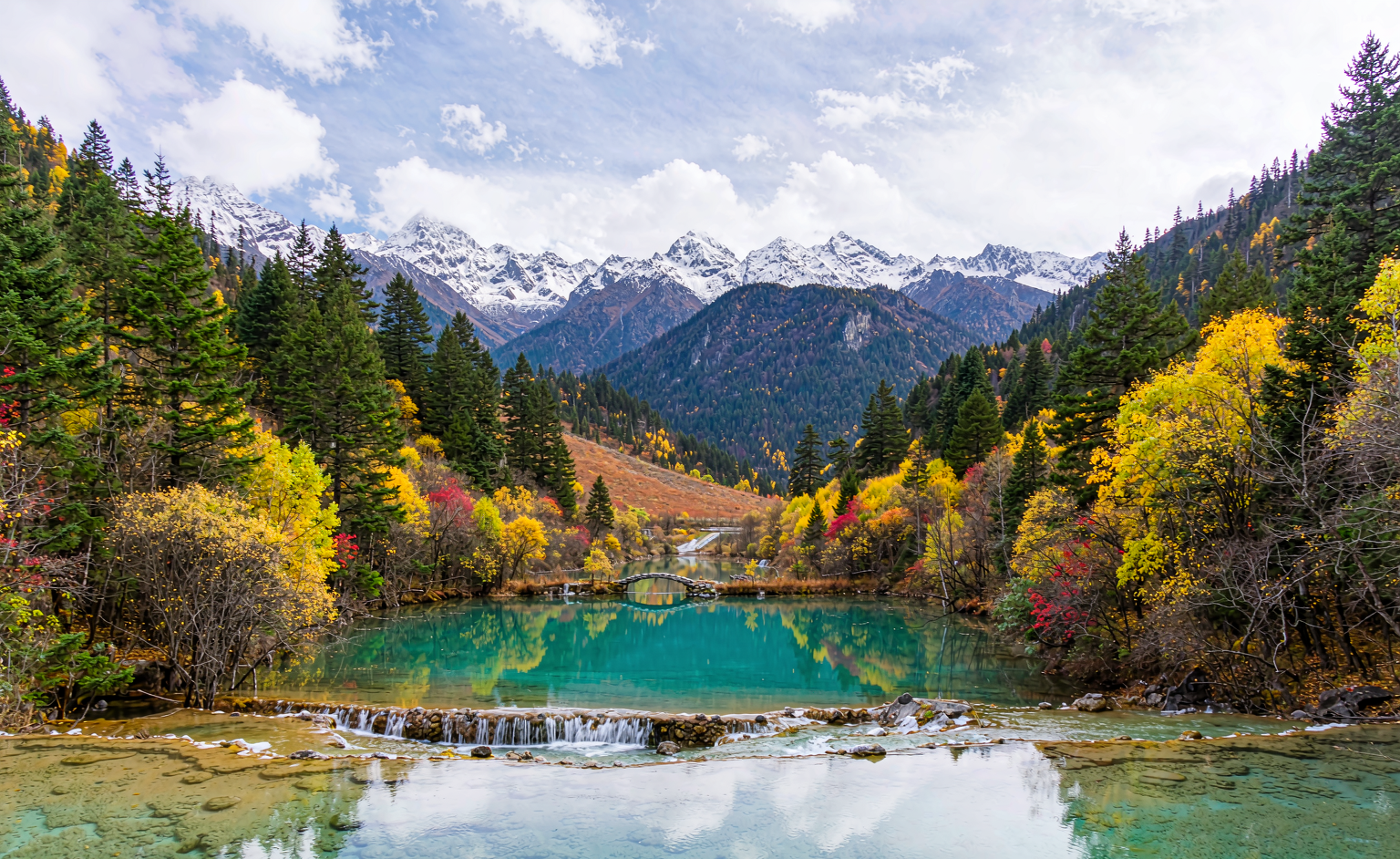
Jiuzhaigou and Huanglong in Four Days from Luoyang, the Last of the Autumn Colour
Mid November is the tail of the colour season in Jiuzhaigou. The birches by the lakes have turned, the first snow has touched the ridges, and the park drops to winter pricing on 16 November.