
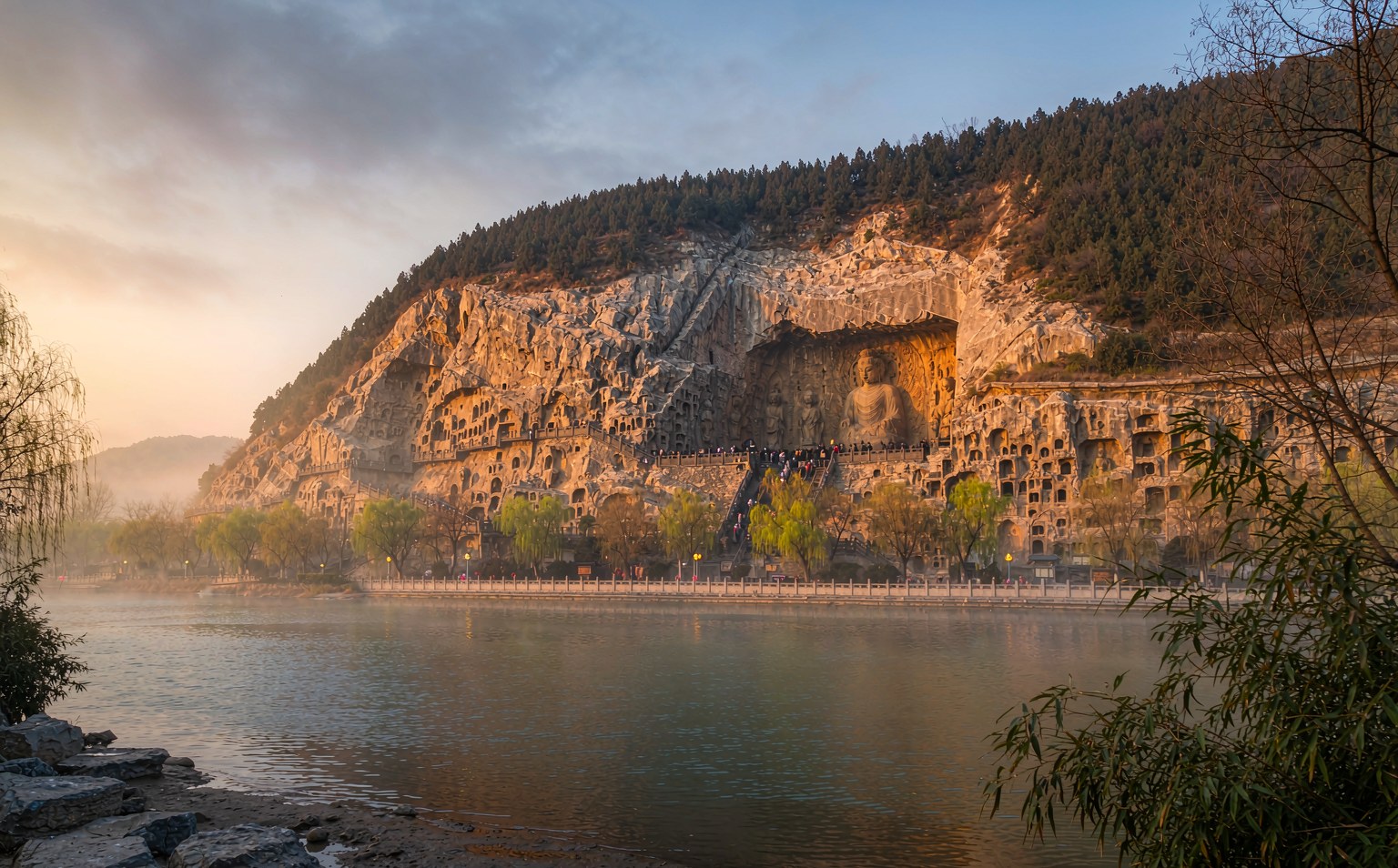
Luoyang to Longmen Grottoes, White Horse Temple and Shaolin, 3 Days 2 Nights
Three days, three ways of looking. Longmen is cut into a cliff, White Horse is built around courtyards, Shaolin hides in a valley. Longmen runs winter hours from November, so the first morning cannot start late.
Highlights
Day 1: Longmen Grottoes, west bank to east bank
We leave the old town at eight and cross the Luo River southward, reaching Longmen in twenty minutes. From November the site runs winter hours, opening at eight, closing the ticket office at half past four and the gate at five, an hour earlier than summer, so the first morning has no slack. The walk from the west service area to the gate takes twenty minutes, or ten yuan on the shuttle. Inside, the west hill comes first: Binyang, Wanfo, cave after cave, ending at Fengxian Temple, where the Vairocana Buddha sits more than seventeen metres high, an ear taller than a person, with disciples, bodhisattvas, heavenly kings and guardians lined up beside him. We cross the Yi River to the east bank and look back at a cliff packed with niches, which is why the place was once called Yique, the gate of Yi. Back in town by dusk, the soup houses are lighting their second fire.
Attraction introduction: Longmen was begun around the time Emperor Xiaowen of Northern Wei moved the capital to Luoyang, and work continued through Eastern Wei, Western Wei, Northern Qi, Sui, Tang and Song. More than 2,300 niches and some 100,000 figures survive, and UNESCO listed the site in 2000. The west hill holds the finest caves, with the 17.14 metre Vairocana Buddha at Fengxian Temple; the east bank is the viewpoint for the whole cliff, while Xiangshan Temple and Bai Garden sit inside the same ticket.
Tips: The night tour at Longmen has been suspended since 1 November 2026, so the site closes after dark and summer itineraries that wait for lanterns no longer work. Guests generally find the light turns oblique after three in the afternoon and the faces read more clearly, but the half past four ticket cutoff is a hard line. In practice, put Longmen on the first morning, when the crowd is thin and the east bank is still comfortable, and take the boat across the Yi if the legs are tired.
Day 2: White Horse Temple, from the gate to Qiyun Pagoda
At nine we reach White Horse Temple, which requires a reservation on the official account because no tickets are sold at the gate. The pair of stone horses outside the gate came from elsewhere and have been polished by hands. The axis runs inward: Heavenly King Hall, Great Buddha Hall, Great Hero Hall, Reception Hall, Qingliang Terrace, with the Yuan dynasty dry lacquer figures in the Great Hero Hall still holding a soft sheen behind glass. East of the axis stand the Thai, Indian and Burmese halls, three rooflines inside one wall. Past a bamboo grove there is a silent tea house serving free tea in coarse bowls, and nobody speaks. Two hundred metres southeast of the west gate stands Qiyun Pagoda, thirteen close eaved storeys of brick, with few visitors circling it. We leave at half past two and reach Dengfeng in ninety minutes.
Attraction introduction: White Horse Temple was founded in 68 AD, in the eleventh year of Yongping of the Eastern Han, as the first monastery built by the state after Buddhism entered China, and it is honoured as the origin of Chinese Buddhism. The axis holds the Heavenly King Hall, Great Buddha Hall, Great Hero Hall, Reception Hall and Qingliang Terrace, with Yuan dynasty dry lacquer statues as the temple treasure. The international zone gathers Thai, Indian and Burmese halls, and Qiyun Pagoda, a Jin dynasty brick tower of thirteen storeys, stands outside the grounds as the only nunnery of its kind in Henan.
Tips: From November the temple opens at eight and closes at half past five, an hour earlier than in the high season. Guests generally find the quietest and best lit window is eight to ten, when the axis photographs without backlight, and groups arrive after ten. In practice, three sticks of incense are free inside, the expensive bundles at the gate are unnecessary, and fortune tellers should be waved away; shoes stay off the thresholds and cameras stay away from the images, which is enforced more strictly than visitors expect.
Day 3: Shaolin and the pagoda forest
We enter Shaolin at half past eight. The first compound holds the stele corridor, where the imperial inscription of Emperor Taizong is still legible, then the Heavenly King Hall, Great Hero Hall and Sutra Library, with the abbot quarters at the back. A kung fu session runs at half past nine and again at eleven in the practice hall, about twenty minutes of child monks and hard qigong, worth sitting through if the timing lines up. West of the compound lies the pagoda forest, more than two hundred brick and stone tombs rising and falling across a slope, plain in Tang and Song, ornate in Ming and Qing, with dated inscriptions close enough to read. Sanhuangzhai is on the same ticket but the cable car is separate, and the climb needs three hours, so a tight schedule means lingering among the pagodas instead. We eat a bowl of braised noodles outside the gate and drive back to Luoyang.
Attraction introduction: Shaolin was founded in 495 AD, the nineteenth year of Taihe of the Northern Wei, taking its name from the forest on the northern slope of Shaoshi Mountain, and it is the ancestral temple of Chan Buddhism, inscribed by UNESCO in 2010 as part of the historic monuments of the centre of heaven and earth. The main compound runs seven courtyards along the axis, and the pagoda forest holds more than two hundred tombs from Tang to Qing, the largest such group in China. The ticket covers the compound, the forest and Sanhuangzhai, with performances in the practice hall.
Tips: There is no shade among the pagodas, and the November wind makes standing cold, so bring a hat and a jacket. Guests generally find the two morning sessions draw the biggest crowd, and arriving ten minutes early still finds a place at the side while the centre is packed. In practice, the walk from the pagoda forest to the Sanhuangzhai cable car plus the climb takes at least three hours, so skip it if the return to Luoyang is fixed for three in the afternoon.
Related Tours
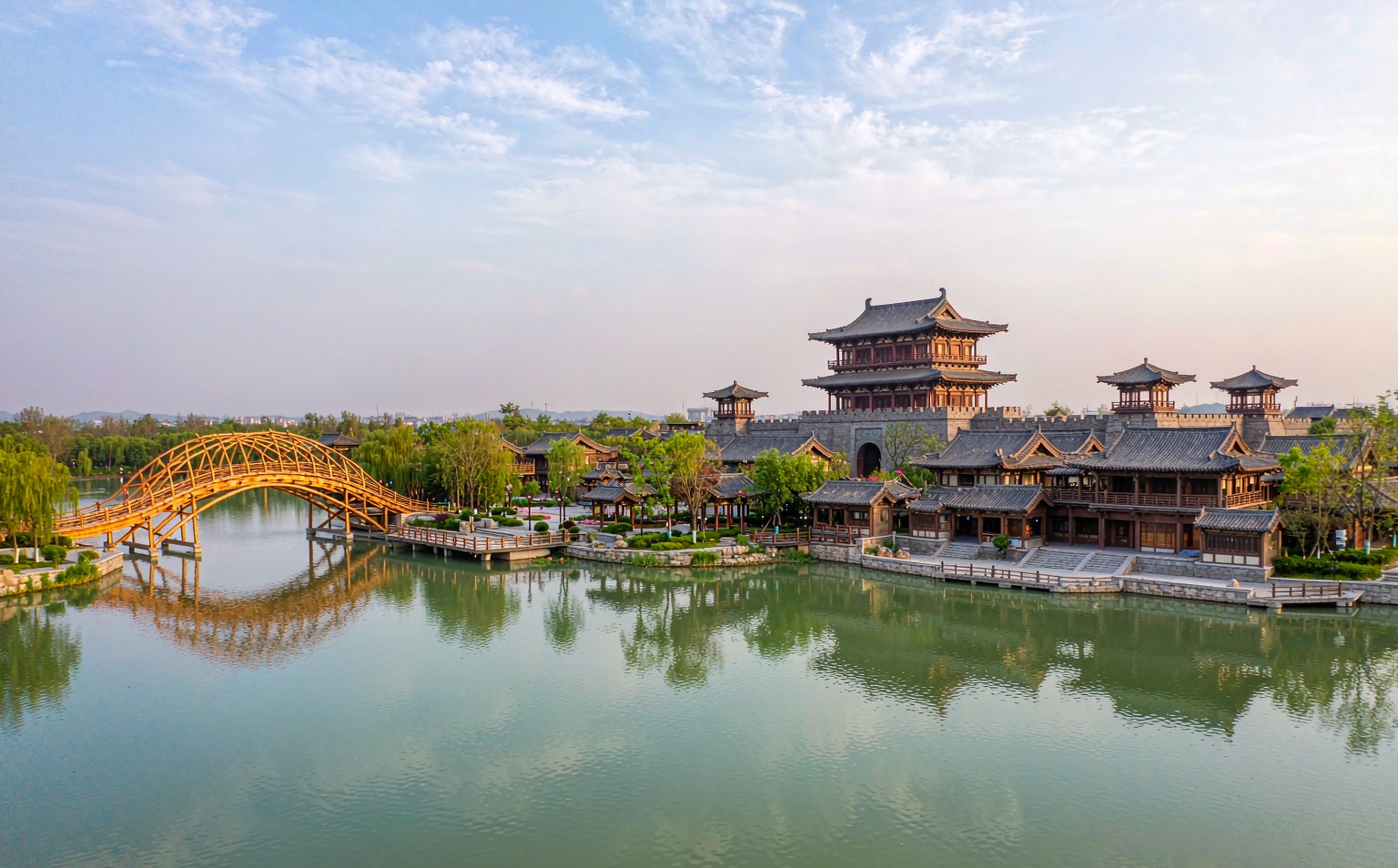
Qingming Riverside Garden, Iron Pagoda, Dragon Pavilion and Tianbo Yang Mansion, 4 Days
Four days inside the old capital of Kaifeng during the last week of the chrysanthemum festival. Dragon Pavilion holds the main display, the Qingming garden keeps its painted river, and the Iron Pagoda turns brown at sunset.
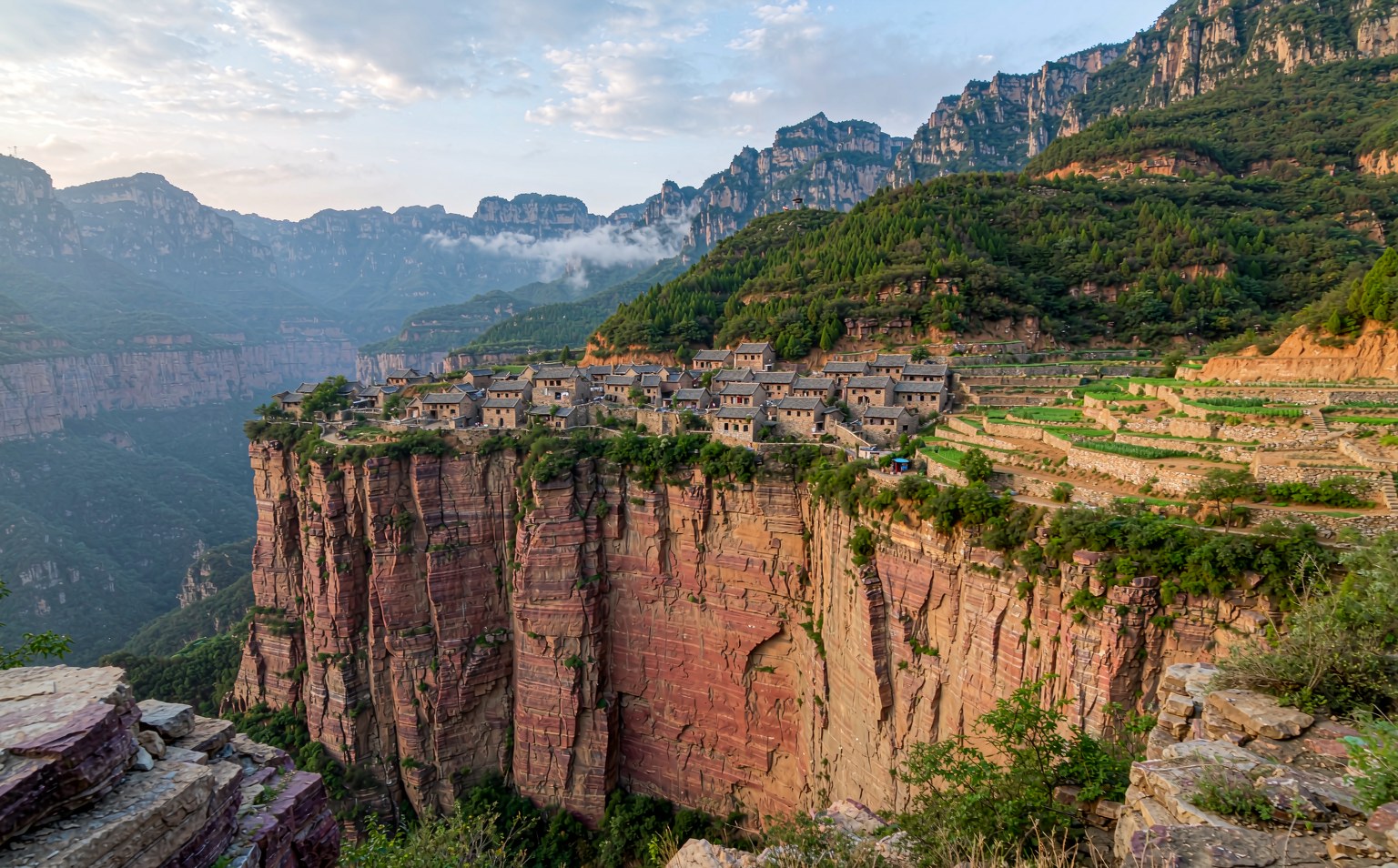
Wanxianshan, Guoliang Village and Qiugou, Five Days Above the Cliff
Five days living on the cliff edge. Guoliang houses sit right on the precipice, and the tunnel road with its thirty five windows was cut by thirteen men with hammers. Qiugou is the quiet finish.
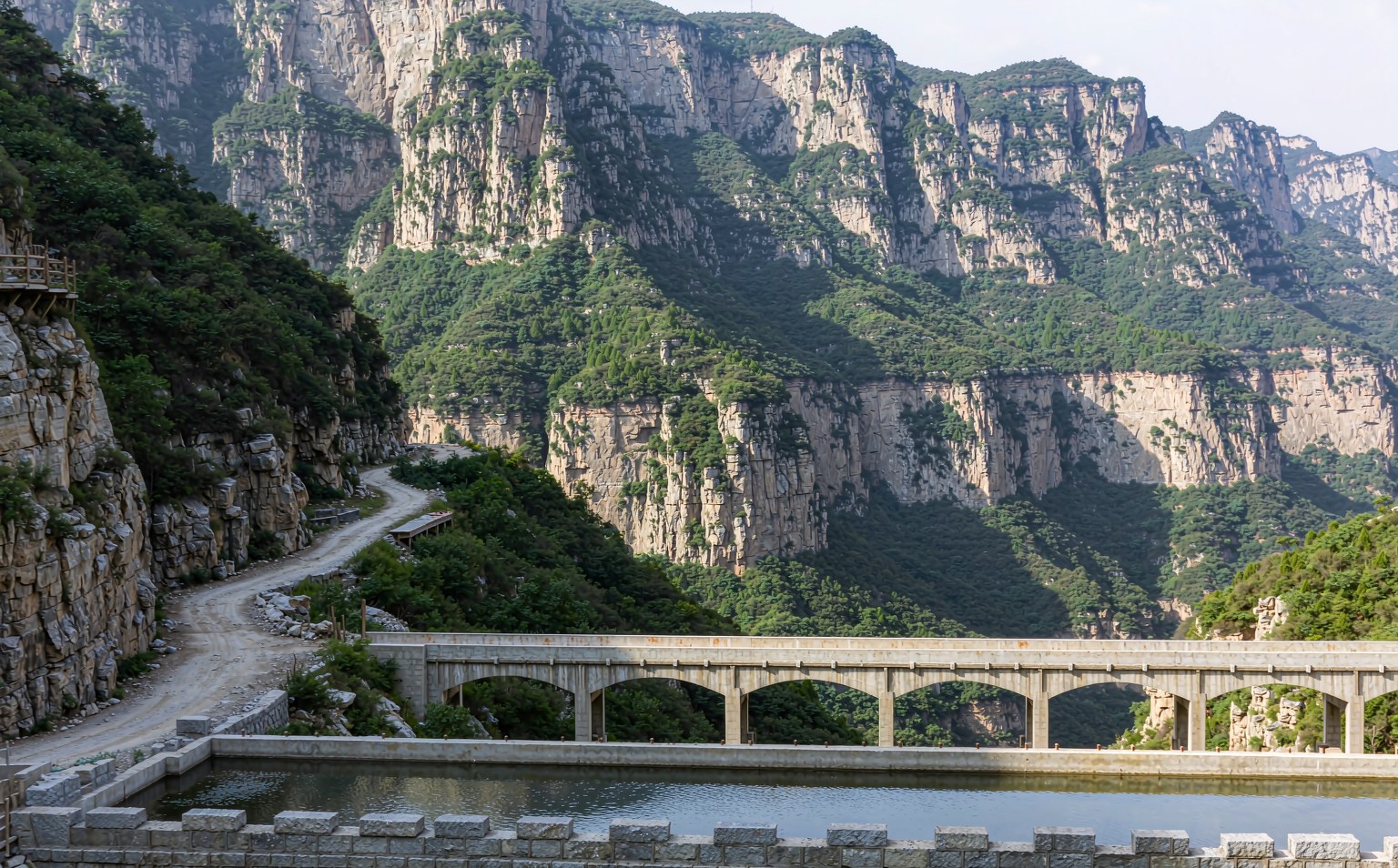
Red Flag Canal and Taihang Grand Canyon, Six Days Based in Shibanyan
Six days at the eastern foot of the Taihang range. The first three look at a channel cut by hand, the last three at gorges the mountain made itself. Every night returns to Shibanyan, a town of easels.
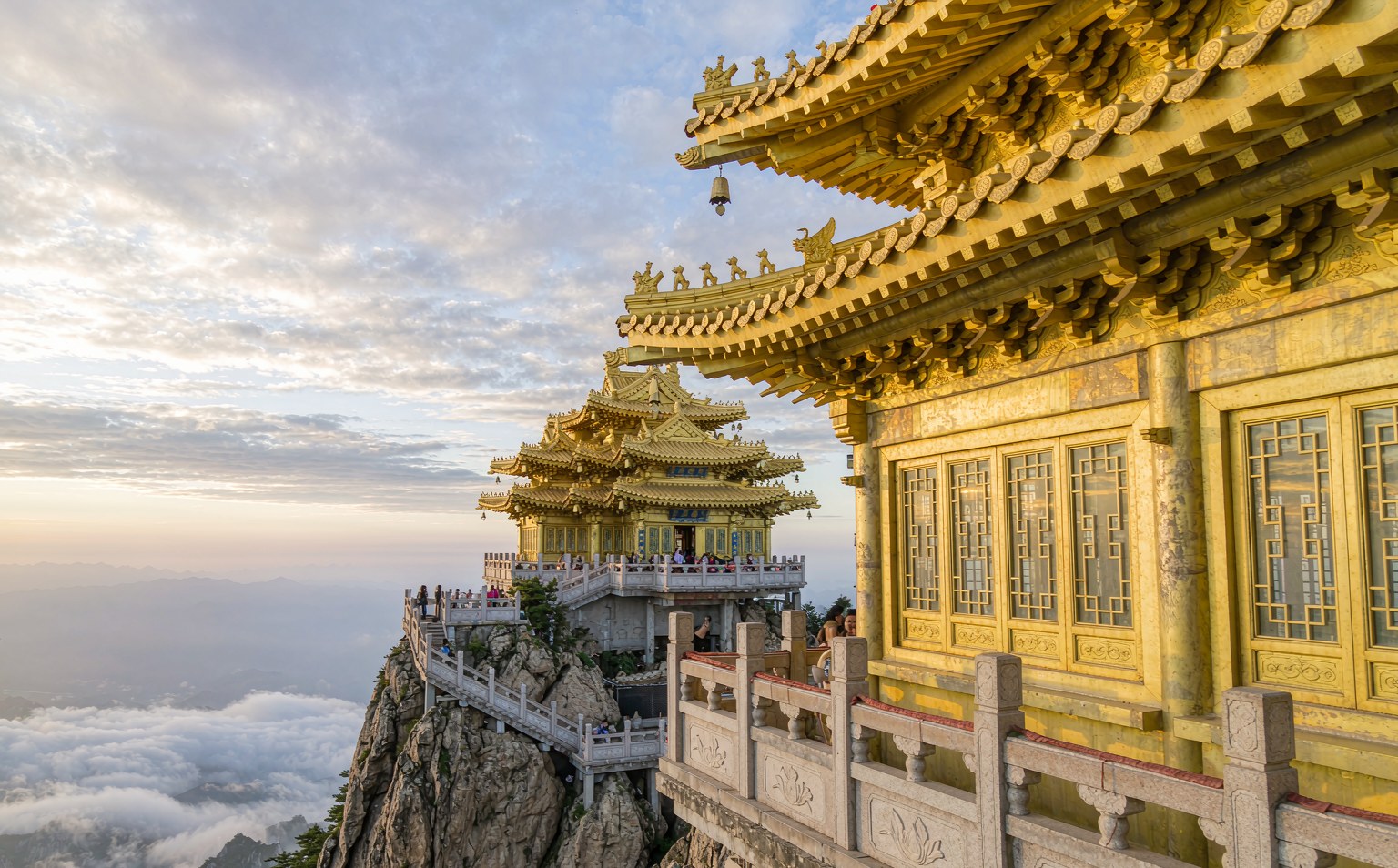
Laijunshan, Tianhe Canyon and Chongdugou in Five Slow Days from Luoyang
Five days circling the northern slope of the Funiu Mountains: the golden summit of Laojunshan at lighting time, the gorge walk at Tianhe, and two nights in Chongdugou where the water runs under the window.