
Red Flag Canal and Taihang Grand Canyon, Six Days Based in Shibanyan
Six days at the eastern foot of the Taihang range. The first three look at a channel cut by hand, the last three at gorges the mountain made itself. Every night returns to Shibanyan, a town of easels.
Highlights
Day 1: Luoyang to Linzhou, understanding the canal first
We leave at half past seven and reach Linzhou in three hours on the expressway, eating a bowl of braised vegetables in town at noon. At two we enter the diversion garden of the Red Flag Canal, where the eighty yuan ticket covers all three sections. This is where the main channel splits into three branches, the sluice gates still working and the water loud. The memorial hall beside it deserves an hour: photographs of the construction on the walls show men suspended on ropes drilling holes, the other end of each rope tied to a stake on the ridge, and the cases hold hammers, steel chisels, worn baskets and letters written home. We come out, sit in the yard and let it settle, because seeing the channel tomorrow after this is a different experience. By dusk we are settled in Shibanyan.
Attraction introduction: The Red Flag Canal was built by the people of Linxian in the 1960s to draw water from the Zhang River across the Taihang mountains, begun in 1960 and completed in 1969, with a main channel of 70.6 kilometres cut through ridges and tunnels and known as the canal in the sky. The diversion garden marks the point where the main channel becomes three branches and is now laid out as a memorial park, while the memorial hall presents ten years of work through archives, tools and film.
Tips: The photographs in the hall do not reward a quick walk through, and forty minutes is the minimum. Guests generally find that seeing the exhibition before walking the channel changes everything, while the reverse makes the canal look like a concrete gutter. In practice, some sections prohibit photography, so put the phone away when the sign appears rather than waiting to be told.
Day 2: Qingnian Cave and the path under the channel
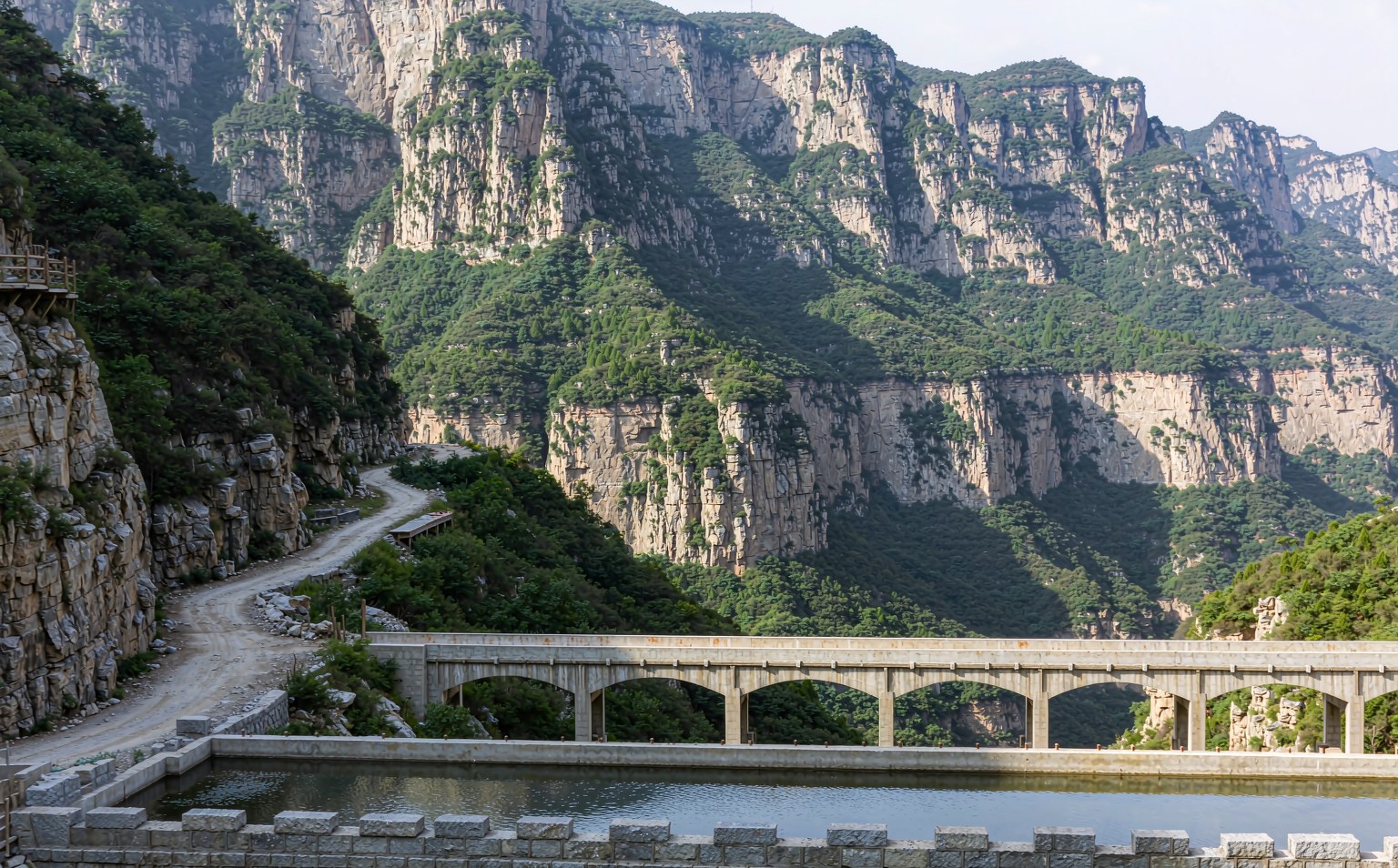
In the morning we drive twenty five kilometres from the hall to Qingnian Cave, using the free shuttle that comes with the ticket. Here the channel hangs on the cliff face, and the path runs beneath the wall, water seeping through the joints so the stone is always wet. At the mouth of the cave the tunnel runs more than six hundred metres through the mountain, cut by three hundred young workers in one year and five months, their names carved on the stele outside. A thirty yuan boat goes a short way inside, turning in the narrow channel under tool marks overhead. The twenty yuan shuttle saves a stretch of uphill. We eat outside the gate at noon and return to Shibanyan in the afternoon past students setting up their easels.
Attraction introduction: Qingnian Cave is the critical section of the Red Flag Canal main channel, cut into the cliff at Lujiaguai village in Rencun town, over six hundred metres long. A detachment of three hundred young people opened it in 1961 over one year and five months, which gave the cave its name. The channel wall runs along the precipice and the walkway is built against it, allowing a close look at the tool marks and the structure, the most representative stretch of the whole canal.
Tips: The walkway is wet and the handrail is damp all year, so soles need grip. Guests generally find the light reaches the wall between nine and eleven in the morning and the tool marks read clearly, while the afternoon is backlit and dim. In practice, the queue for the boat grows long on holidays for a twenty minute ride, so walking to the end of the path shows more if time is short.
Day 3: Peach Blossom Valley, following the water
We enter the Taihang Grand Canyon, whose one hundred and forty yuan ticket covers Peach Blossom Valley, Wangxiangyan and the sky road. The morning goes up the valley, about four kilometres of water: Huanglong Pool runs deep green, the Flying Dragon Gorge section requires turning sideways between rocks, the nine cascades stack one above another, and at the foot of Peach Blossom Cave the cliff looks sliced. November thins the flow without stopping it, and the patterns in the riverbed come clear. A few places demand a bent head, so wide brims come off. We eat at the valley mouth, rest in Shibanyan in the afternoon, or wander a town that smells of pigment.
Attraction introduction: Peach Blossom Valley is a core scenic section of the Taihang Grand Canyon, about four kilometres long, alternating pools, falls and narrows, with Huanglong Pool, the Flying Dragon Gorge, the nine cascades and Peach Blossom Cave along the way. The floor is a gorge cut by year round water, the walls red quartz sandstone with clear bedding, a representative section of the block mountain landform of the southern Taihang.
Tips: The path has wet sections and low rock squeezes, so shoes should tolerate water and bags should be carried. Guests generally find the full valley takes about two and a half hours, three at a slow pace, with no need to hurry. In practice, the gorge is cold in November and colder near the water, so a dry shirt in the vehicle prevents a chill on the way out.
Day 4: Wangxiangyan, the vertical hundreds
The fourth day climbs Wangxiangyan, named for the legend that King Wuding of Shang met Fu Yue here and made him minister, the mountain wrapping a terrace in a ring. A gentle slope opens the route, then the stairs begin, hundreds of steps almost against the cliff with chains on both sides, and halfway up the only option is to stop and breathe. A natural arch of rock midway pushes cold air through and wakes anyone dozing. On the terrace the valley floor returns, houses the size of matchboxes and the road reduced to a line, while the top holds a flat with old trees where a seated rest shows the walkway on the opposite wall. We start down at two, slow on the knees, and soak our feet back in Shibanyan.
Attraction introduction: Wangxiangyan lies in the west of the Taihang Grand Canyon, where tradition says the young Wuding met Fu Yue before raising him to minister. The site centres on a terrace enclosed by a ring of cliffs, with a trail climbing along the wall past walkways, rock arches and viewing platforms, reaching a summit flat that overlooks the whole gorge, typical of the Zhangshi rock landform of the southern Taihang.
Tips: These stairs are unkind to knees, and the descent costs more than the climb. Guests generally find a walking stick saves real effort, and vendors at the gate sell wooden ones for a few yuan. In practice, the climb takes about an hour and photographs plus rest need two, so do not plan against the gate, because the half past four last entry is absolute.
Day 5: The Taihang Sky Road along the rim
The fifth day follows the sky road, more than thirty kilometres built along the cliff top, winding up from Shibanyan with enough bends that passing needs patience. Viewing platforms sit along the way, and the best known one shows the whole line of the gorge, the mountain stacked in sedimentary layers lifted and then cut, the section as neat as pages. Stop the vehicle before stepping out, because the wind will take a hat. At noon a village along the road serves hand pulled noodles, and in the afternoon we loop back to Shibanyan to watch students paint, easels standing for half a day on the same cliffs seen that morning. Dried persimmons in the town carry a thick frost.
Attraction introduction: The Taihang Sky Road is a scenic highway along the canyon rim inside the Taihang Grand Canyon area, over thirty kilometres long, linking Peach Blossom Valley, Wangxiangyan and several villages, with platforms overlooking the gorge and the layered landform of the Taihang block mountains. Shibanyan serves as a base for art students, with galleries and supply shops in the town.
Tips: The road bends and climbs, so drivers should take passing slowly and avoid it in rain or fog. Guests generally find the platforms windy enough in November to feel near freezing, and a down jacket is not excessive. In practice, sections close temporarily for ice in winter, so ask about conditions before setting out rather than turning back at the foot of the mountain.
Day 6: A Shibanyan morning, then Luoyang
The last day holds no sights. We walk the town in the morning, built along the river with houses of stacked stone, small stones wedged into the joints and slate on the roofs. Someone washes vegetables at the water, which comes down from the gorge. At the town entrance a few breakfast stalls serve fried dough, soy milk and millet porridge, and afterwards the bridge is a good place to sit while students carry out their easels. We check out at half past ten and drive towards Linzhou, stopping at a service area for hawthorn flakes. Lunch is beside the expressway, and by three we are in Luoyang, dropped at Longmen Station or the old town.
Attraction introduction: Shibanyan sits at the mouth of the Taihang Grand Canyon and takes its name from roofs of slate and walls of stone, a well preserved settlement of stone architecture in northern Henan. The Luoshui River runs through the town between red quartz sandstone cliffs, and since the 1990s it has served as a base for art academies, with dozens of studios resident through the year.
Tips: Mornings and evenings differ sharply in temperature, so carry an extra layer. Guests generally find this last half day is not wasted, and the studios can be visited without charge. In practice, restaurants serve home style food, and asking prices first is sensible, since mountain transport makes costs a little higher than in Luoyang.
Related Tours
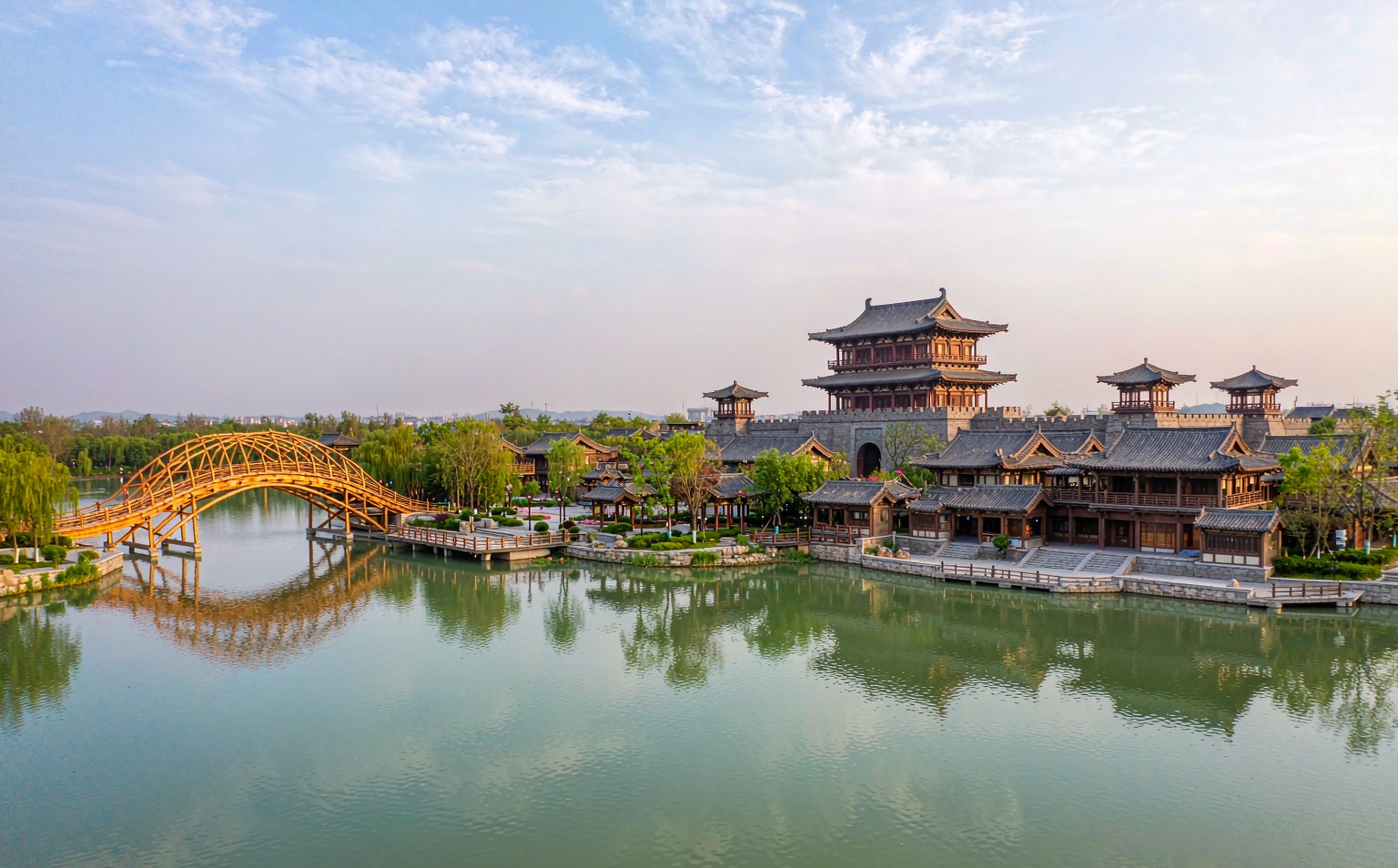
Qingming Riverside Garden, Iron Pagoda, Dragon Pavilion and Tianbo Yang Mansion, 4 Days
Four days inside the old capital of Kaifeng during the last week of the chrysanthemum festival. Dragon Pavilion holds the main display, the Qingming garden keeps its painted river, and the Iron Pagoda turns brown at sunset.
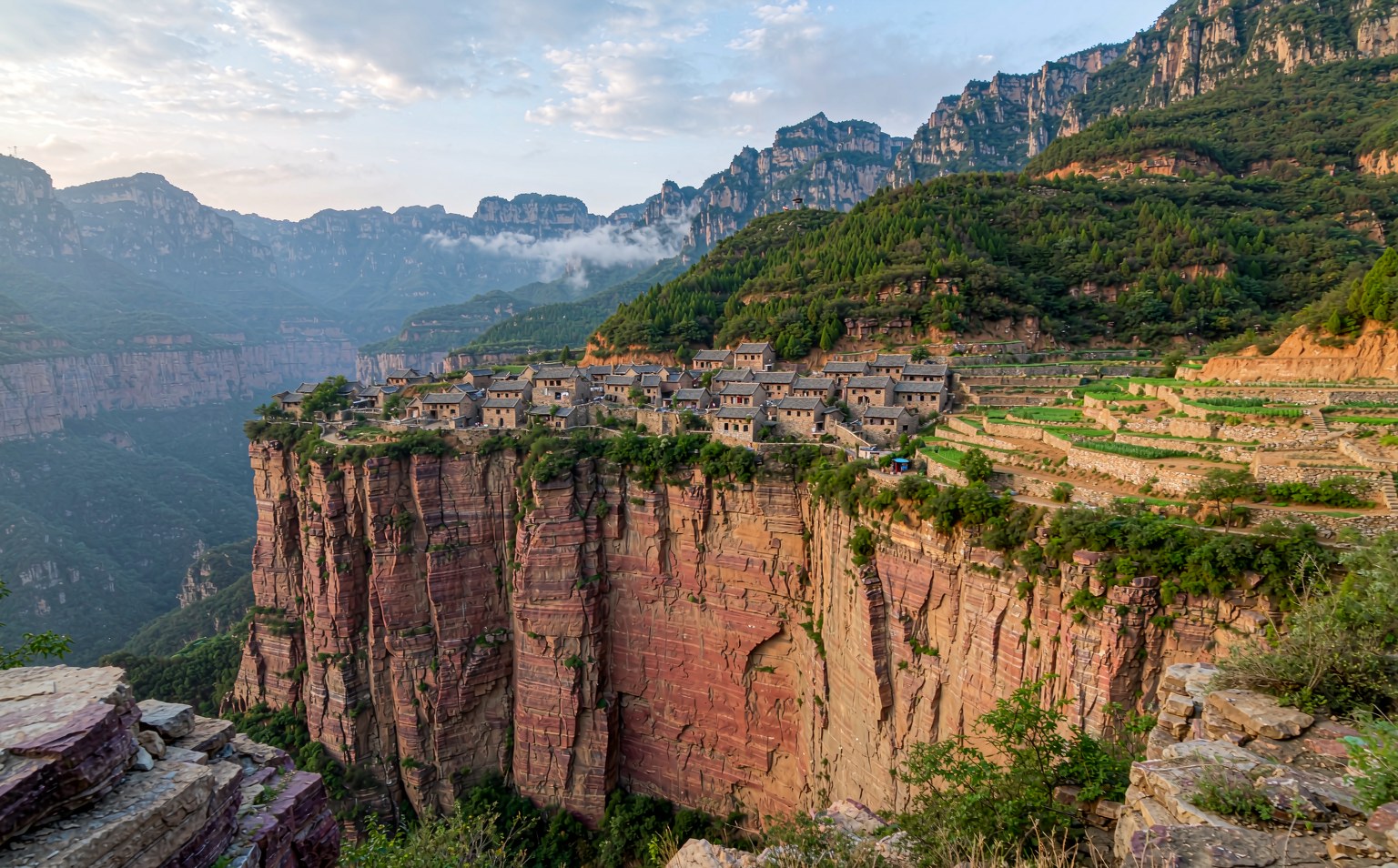
Wanxianshan, Guoliang Village and Qiugou, Five Days Above the Cliff
Five days living on the cliff edge. Guoliang houses sit right on the precipice, and the tunnel road with its thirty five windows was cut by thirteen men with hammers. Qiugou is the quiet finish.
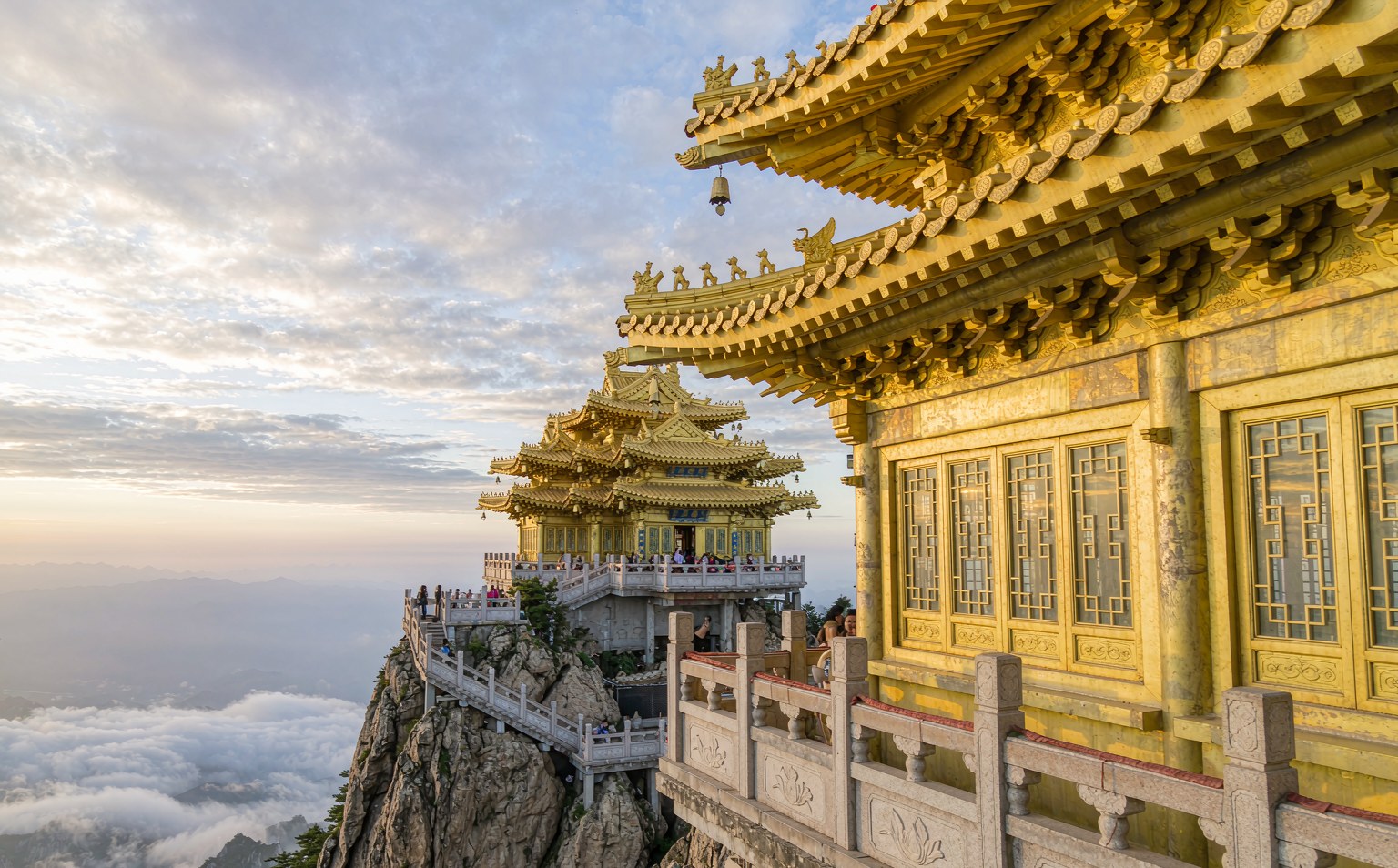
Laijunshan, Tianhe Canyon and Chongdugou in Five Slow Days from Luoyang
Five days circling the northern slope of the Funiu Mountains: the golden summit of Laojunshan at lighting time, the gorge walk at Tianhe, and two nights in Chongdugou where the water runs under the window.
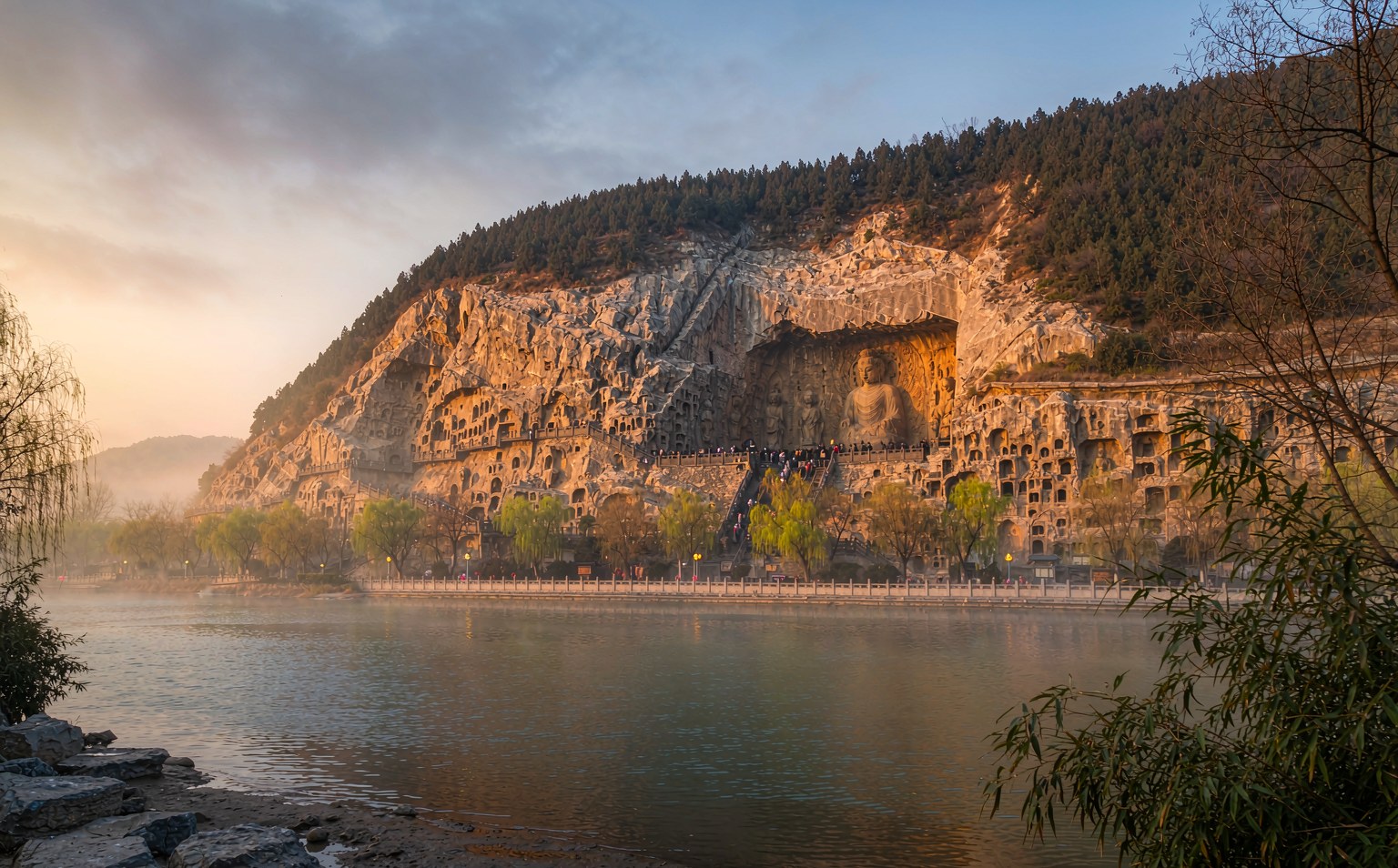
Luoyang to Longmen Grottoes, White Horse Temple and Shaolin, 3 Days 2 Nights
Three days, three ways of looking. Longmen is cut into a cliff, White Horse is built around courtyards, Shaolin hides in a valley. Longmen runs winter hours from November, so the first morning cannot start late.