
Luoyang 5-Day Tour: Wangcheng Park & Erlitou Site
Luoyang 5-day tour covering Wangcheng Park and Erlitou Site and Laojun Mountain. Sightseeing tickets and shuttle bus included.
Highlights
Day 1: Wangcheng Park
Depart from the hotel early in the morning and head straight to Wangcheng Park. First, listen to the guide explain the background and highlights, then enjoy a leisurely tour and take additional photos of the plane as desired. After lunch, take a short rest, then return to the hotel in the evening to recharge for the next day. Clarify the session before arranging your route; Wangcheng Park historical details are often hidden within the explanation.
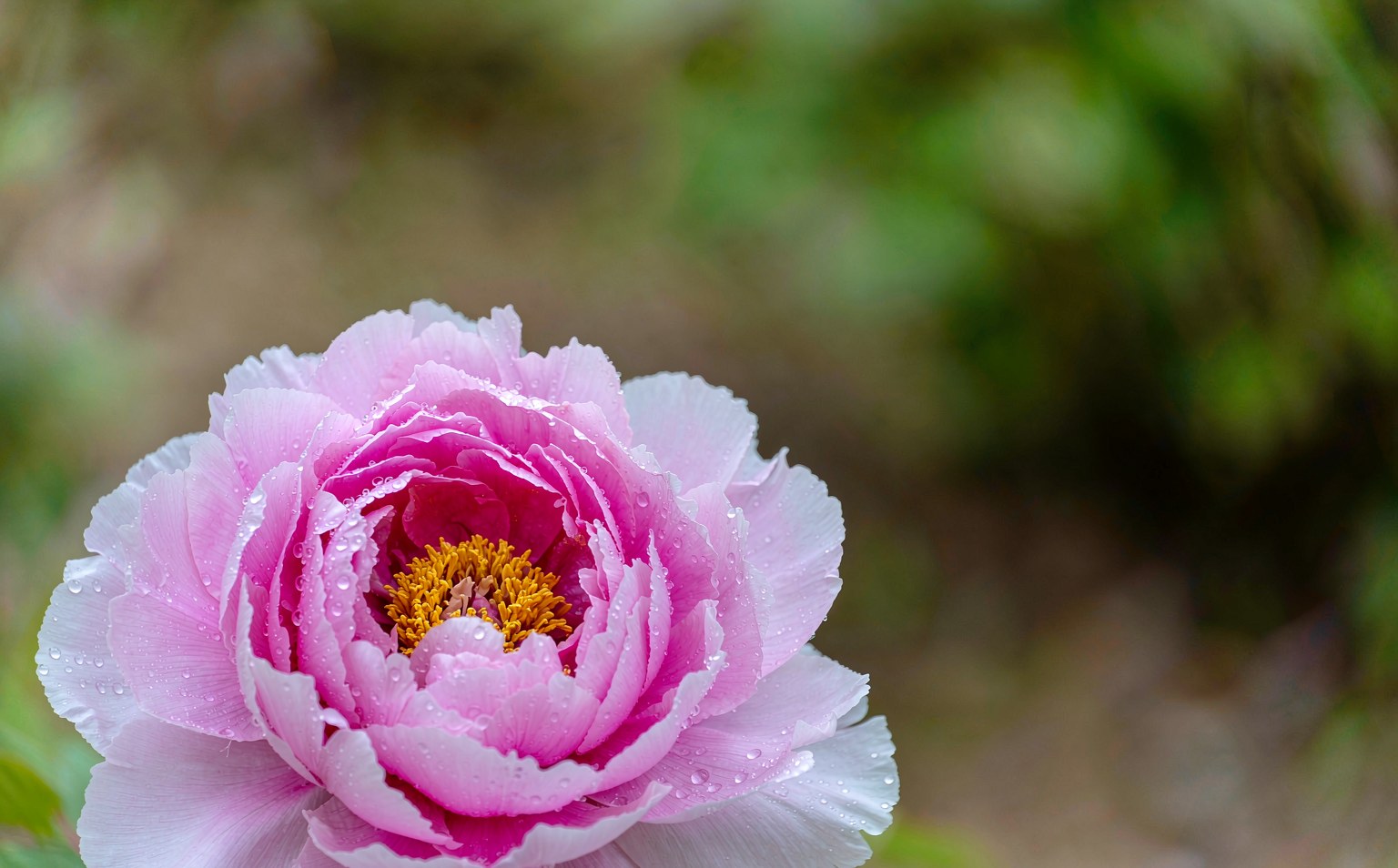
Attraction introduction: The route makes Wangcheng Park an important stop. Wangcheng Park is located at Luoyang and has been one of the main venues for the Peony Culture Festival. In April, visitors can admire famous peonies such as Yao, Huang, Wei, and Zi in the park; The park also features the ruins of Zhou King's City and a zoo, making it a classic spot for citizens and tourists to check in at Luoyang Flower City.
Friendly reminder: The tour involves quite a bit of walking, so it's recommended to choose comfortable sports shoes and bring a light jacket according to the weather; Please carry valid ID cards and other documents, keep close to the guide, and remember the meeting time and place. Many visitors say Wangcheng Park is even more worth stopping than expected, so follow the explanations and take time to take great photos. In practice, Wangcheng Park is a classic spot for peony viewing at Luoyang, with the peony blooming season around April, so you can arrange to enjoy the flowers together then.
Day 2: Erlitou
Today's theme is Erlitou, avoiding peak crowds and staggering visits, and following the recommended route for an in-depth tour; Enjoy local flavors nearby at noon, free time or guided tours in the afternoon, and stay at a hotel to rest in the evening. It's best to first visit the permanent exhibition or main hall, then explore the special sections. Concentrate the essence of Erlitou, don't overdo it.
Attraction introduction: Erlitou is a major highlight of this trip. The Erlitou site is known as the "Earliest China," a capital from the mid to late Xia Dynasty. Turquoise dragon-shaped vessels and bronze jue artifacts have been unearthed, revealing the appearance of China's first royal capital. The site museum presents the site with an archaeological sense and is an unmissable stop for studying the origins of Chinese civilization.
Friendly reminder: There is a lot of walking throughout the trip, so comfortable shoes are crucial. Also, prepare a light jacket according to the weather; Be sure to carry your ID card and other documents, join the group throughout the trip, and remember the meeting time and place. Visitors generally agree that Erlitou is worth leaving plenty of time; don't miss following the guide, listening to the explanation, or taking photos at your own pace. Based on actual conditions, the Erlitou Xiadu site is known as the "earliest in China," mainly featuring cultural relics and archaeological restorations. It is recommended to include a guided tour.
Day 3: Laojun Mountain
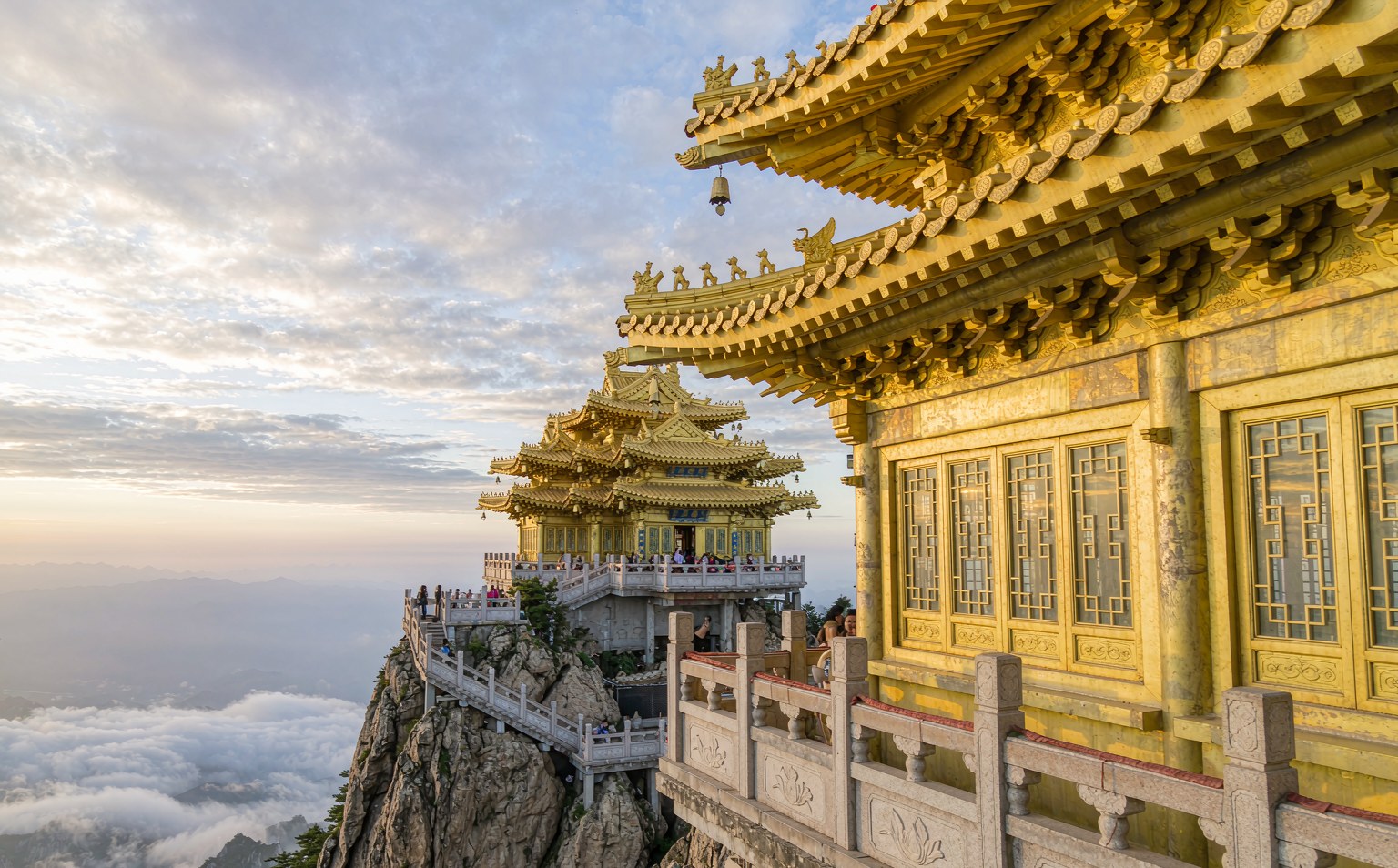
In the morning, take the cable car to Laojun Mountain to the Golden Summit Temple complex. On clear days, you can encounter a sea of clouds; Have a light meal at the summit at noon; in the afternoon, walk the ten-li Huaping Trail to overlook the mountains from a glass viewing platform, then descend in the evening and check into the hotel. Choosing the cable car uphill saves energy; hiking downhill pays attention to details. This Laojun Mountain arrangement is the easiest to manage.
Attraction introduction: A highlight of the itinerary is Laojun Mountain. Located in Luoyang Luanchuan, the Golden Summit Taoist Temple complex stands above a sea of clouds. The sunrise and snowfall resemble a fairyland, making it a popular Taoist sacred mountain and photo spot in recent years. Night hikes to admire the Milky Way are also a scenic spot, with the Golden Summit Temple complex, Ten-Mile Painted Screen, and glass viewing platform being the most worth seeing.
Friendly reminder: Most of the itinerary takes place in mountainous areas with large temperature differences and steep sections. Lightweight jackets and non-slip shoes are recommended, and be mindful of your steps when going up and down. Be sure to bring your ID card and other valid documents, follow the guide throughout, and remember the meeting time and place. From experience, it's hard to get a clean shot when it's crowded; Don't stand at the edge of the boardwalk just for a single angle. In practice, Laojun Mountain Golden Summit is about 2217 meters above sea level. The summit is windy and temperature differences are significant, so bring windproof jackets and light rain gear; In winter, snow requires non-slip shoes.
Related Tours
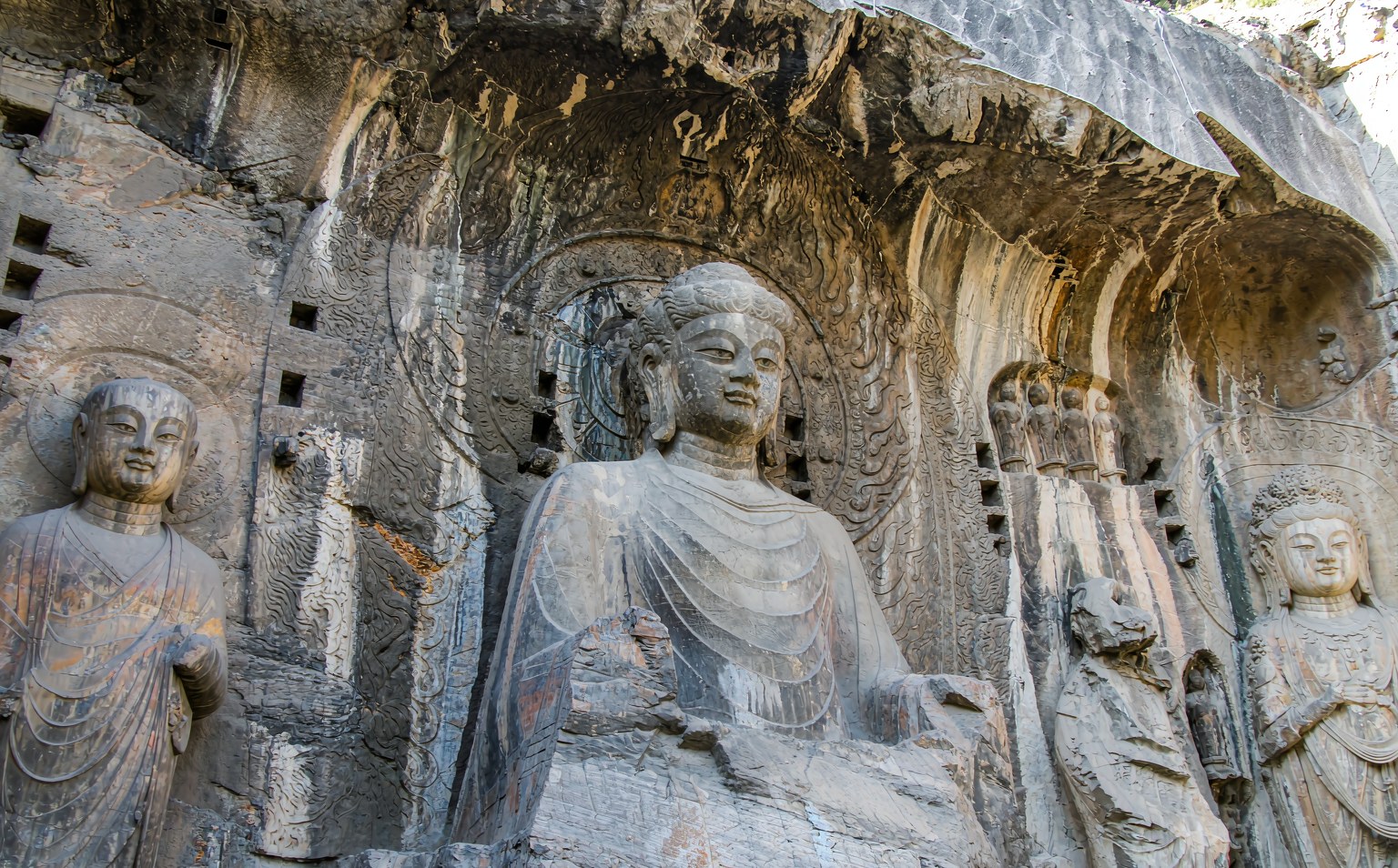
Luoyang Departure: Longmen Grottoes, White Horse Temple and the Han-Wei City, 4 Days
Four days without leaving the city: carved stone at Longmen, the first Buddhist temple at Baima, and six hundred years of capital pressed into the earth at the Han-Wei site. From November Longmen closes its gate at five.
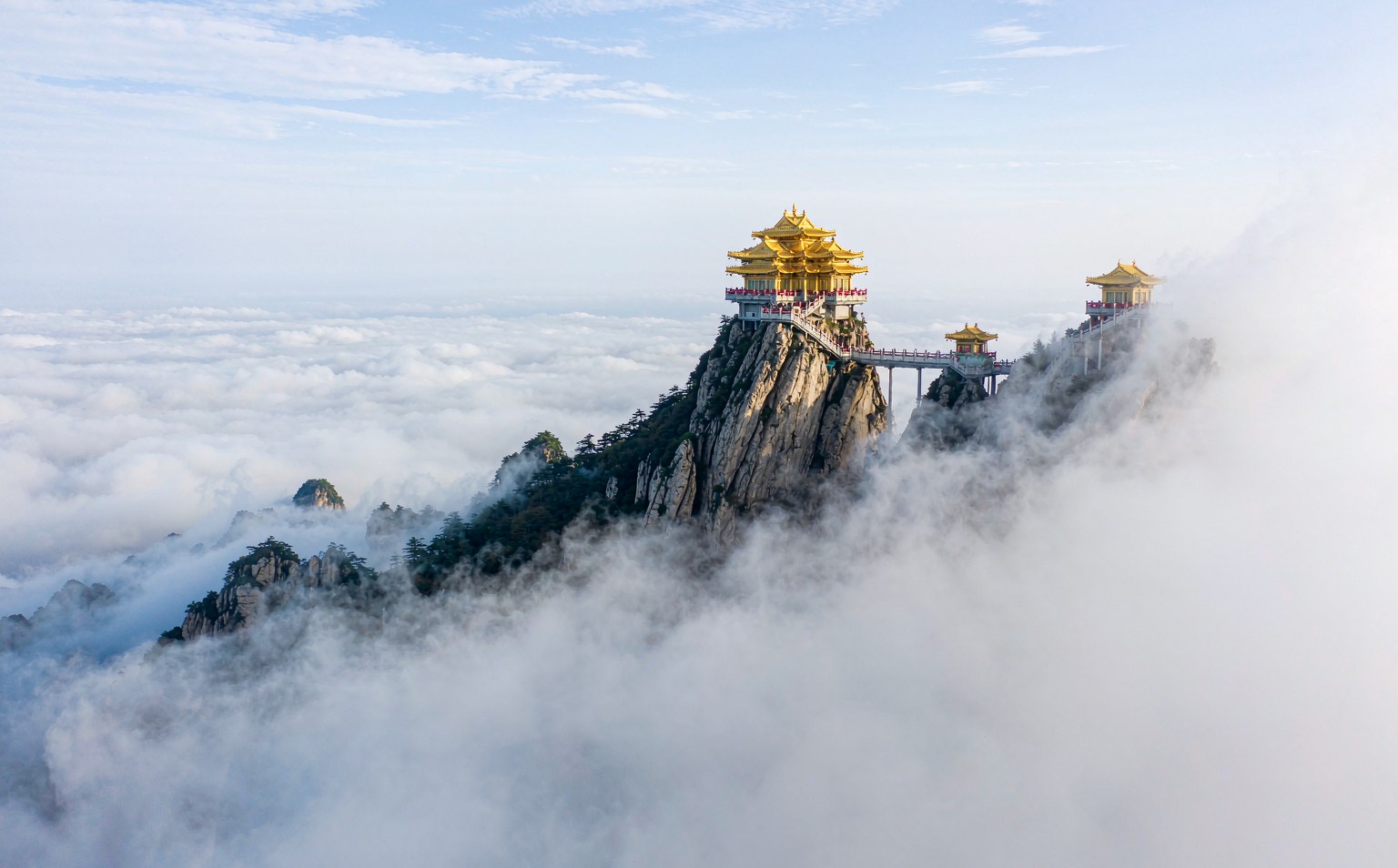
Luoyang Departure: Laojun Mountain, Jiguan Cave and Tianhe Grand Canyon, 5 Days
Down into a cave first, then up a mountain, then along a gorge: 1,800 metres inside Jiguan, a night on the summit waiting for the lamps and the sunrise, and a canyon so empty in low season that only water makes noise.
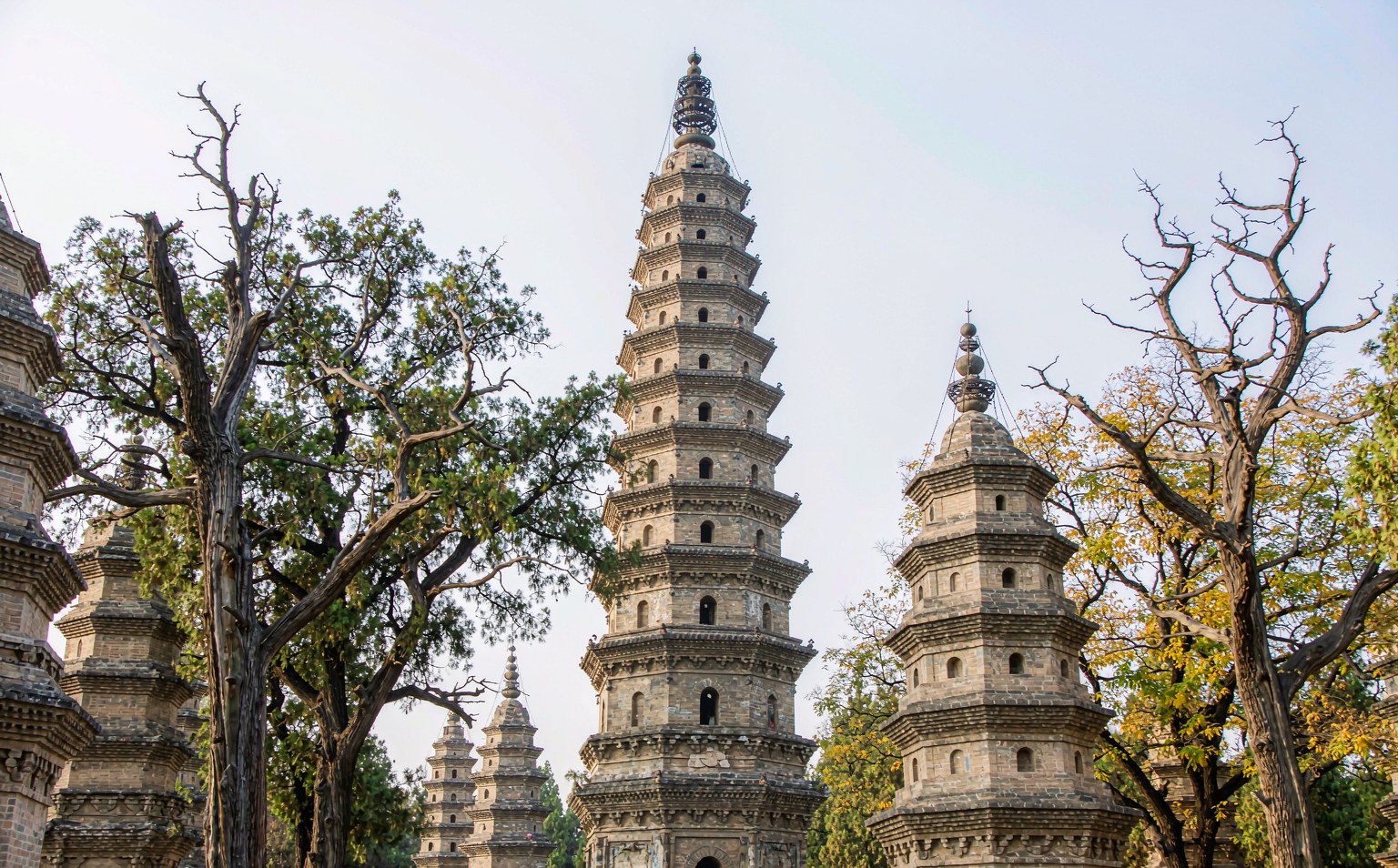
Luoyang Departure: Shaolin Temple, Sanhuangzhai, Songyang Academy and the Observatory, 4 Days
Four days moving between the two flanks of Mount Song: two-thousand-year-old cypresses at the academy, the pagoda forest at Shaolin, a cliff boardwalk at Sanhuangzhai, and a Yuan dynasty observatory at the end. Lodging stays in the county town, half an hour from everything.
Laijunshan, Tianhe Canyon and Chongdugou in Five Slow Days from Luoyang
Five days circling the northern slope of the Funiu Mountains: the golden summit of Laojunshan at lighting time, the gorge walk at Tianhe, and two nights in Chongdugou where the water runs under the window.