
Luoyang Departure: Shaolin Temple, Sanhuangzhai, Songyang Academy and the Observatory, 4 Days
Four days moving between the two flanks of Mount Song: two-thousand-year-old cypresses at the academy, the pagoda forest at Shaolin, a cliff boardwalk at Sanhuangzhai, and a Yuan dynasty observatory at the end. Lodging stays in the county town, half an hour from everything.
Highlights
Day 1: Songyang Academy, beginning with two cypresses
We leave Luoyang in the morning and reach Dengfeng in an hour, then park at the gate of Songyang Academy rather than heading straight into the mountains. The academy faces south, entered along a straight path flanked by old cypresses. The two thickest were granted military titles in the Western Han, and their bark splits like the back of a work-worn hand. The courtyard is quiet enough to hear wind moving through the needles. A few steps west stands the Songyue Pagoda, a twelve-sided brick tower from the Northern Wei, the only one of its kind.
Attraction introduction: Songyang Academy was founded in the Northern Wei and became a centre of Neo-Confucian teaching under the Cheng brothers in the Song, one of the four great academies. Its Tang stele stands nine metres high with calligraphy by Xu Hao. The Songyue Pagoda was built in the Zhengguang era of the Northern Wei, fifteen eaves of grey brick laid in a twelve-sided plan, the oldest brick pagoda still standing in China.
Tips: The ticket is thirty yuan and an hour covers the buildings, but the courtyard rewards sitting still. Guests generally find the light after four comes in from the west and picks out the texture of the cypress bark. In practice we keep the first day to the academy and the pagoda and save legs for the mountains, sleeping in Dengfeng where dinner is easy.
Day 2: Shaolin Temple, from the gate to the pagoda forest
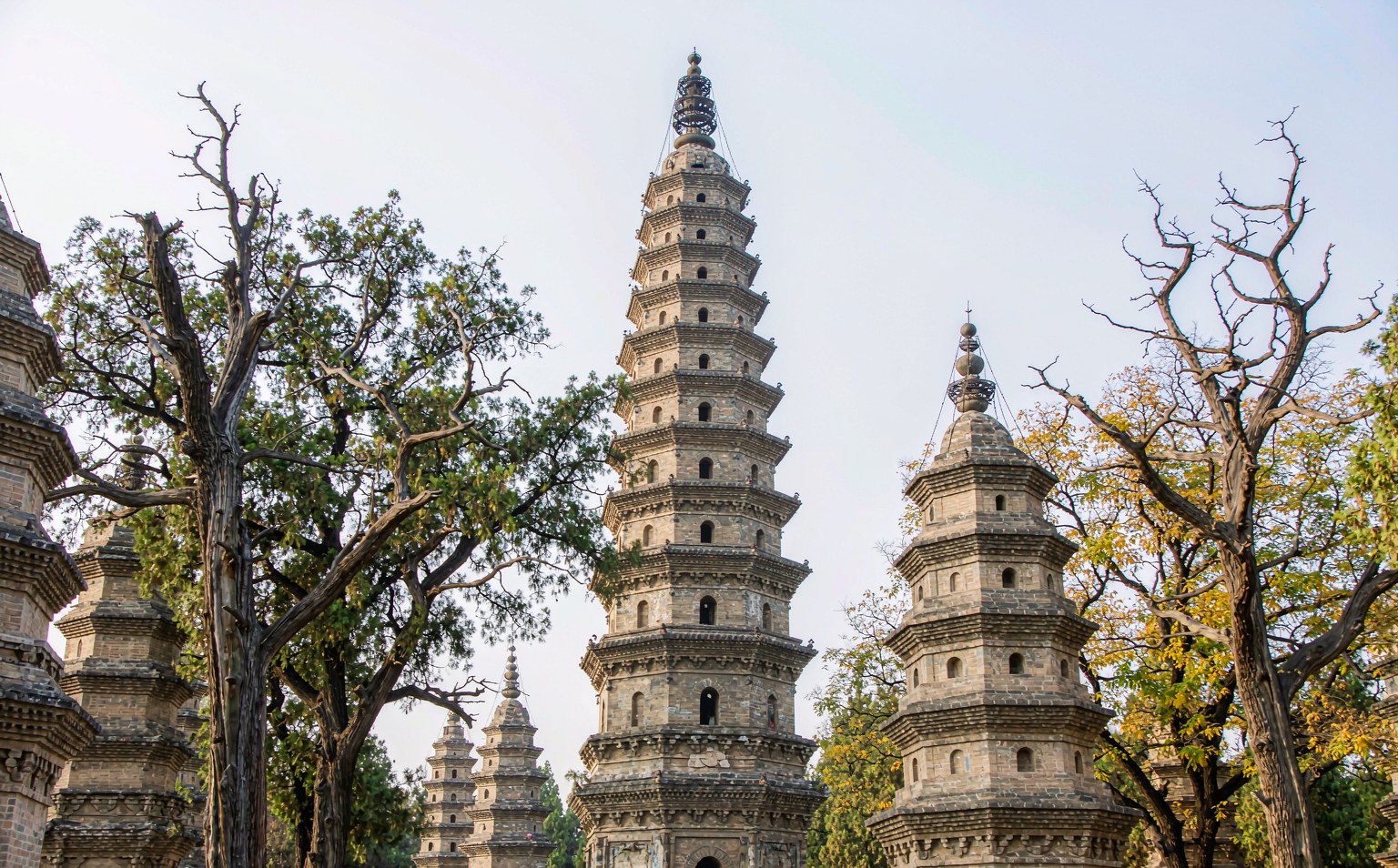
We are at the gate before eight and walk in with the first group. A sloping road lined with stalls selling bruise ointment leads to the temple entrance in ten minutes. Inside, the halls follow one another, and the stele corridor holds the Tang inscription recording the thirteen monks who rescued the future emperor. Four hundred metres west, more than two hundred pagodas crowd a single slope, no two alike. At half past ten the martial arts hall fills for a thirty-minute show, and when the youngest students start their flips the whole room claps.
Attraction introduction: Shaolin Temple was founded in the nineteenth year of Taihe in the Northern Wei. Bodhidharma sat in meditation in a cave above it for nine years and is honoured as the first patriarch of Chan Buddhism. The pagoda forest holds more than 240 brick and stone tombs from the Tang to the Qing, in dense-eave, pavilion and tower forms, a history of pagoda building in three dimensions.
Tips: The main compound usually stops admitting visitors after four, so the temple belongs in the morning. Guests generally find the pagoda forest worth more time than the halls, but from midday the tour buses arrive and the stillness goes. In practice we book the half past ten show, eat afterwards, and rest in town instead of pushing on to Sanhuangzhai the same day.
Day 3: Sanhuangzhai, a boardwalk pinned to the cliff
We enter at half past eight and go straight to the cable car station beside the pagoda forest. As the car rises, the cliff below shows its bedding planes stacked like upright books, which is why it is called Shuce Cliff. From the upper station a half-hour climb on dirt and stone leads to the Sanhuangzhai entrance, steep enough to make you breathe. Inside, the boardwalk is pegged to a vertical wall, one person wide at the tightest point, and you turn sideways to let people pass. Below LianTian Peak the summit disappears into cloud.
Attraction introduction: Sanhuangzhai occupies the southwest flank of Shaoshi Mountain and takes its name from shrines to the three legendary sovereigns. It is known for quartzite pinnacles and a suspended walkway; Shuce Cliff is a wall of paper-thin bedding planes standing on end. LianTian Peak is the highest point of Shaoshi Mountain at over 1,500 metres, viewed from here rather than climbed.
Tips: The half hour between the cable car and the gorge entrance is the most underestimated stretch of the trip, so wear trainers rather than flat shoes. Guests generally find the full walk takes three to four hours with no resupply inside, so carry water. In practice the hundred-yuan round-trip cable car is worth it: walking up costs two hours that you would rather spend on the boardwalk.
Day 4: The observatory, then Zhongyue Temple, home
We drive twelve kilometres southeast to Gaocheng, where the observatory sits in a quiet walled yard. First comes the Tang platform of the Duke of Zhou, a stone base with a vertical column. Beyond it stands the Yuan observatory itself, a brick tower with one sheer face, one stepped face and a slot cut through the middle. On the ground in front lies a thirty-one-metre stone rule called the gnomon, aligned with the tower and running off toward the far wall. Walking its length explains how a shadow once fixed the solstices.
Attraction introduction: The observatory was built under the astronomer Guo Shoujing from 1276 and served as the physical instrument behind the Shoushi calendar; it is the oldest surviving observatory in China. Just over twelve metres tall, its slot carries two crossbeams whose noon shadow fell on the stone rule to mark the seasons. The Tang platform in front shares the same compound, and both belong to the Historic Monuments of Dengfeng, inscribed by UNESCO in 2010.
Tips: There is no admission charge, only an identity registration, and an hour covers the yard. Guests generally find it startlingly empty compared with Shaolin and linger longer than planned. In practice we add Zhongyue Temple on the way back, thirty yuan for seven successive courtyards and four iron figures, and leave for Luoyang at two.
Related Tours
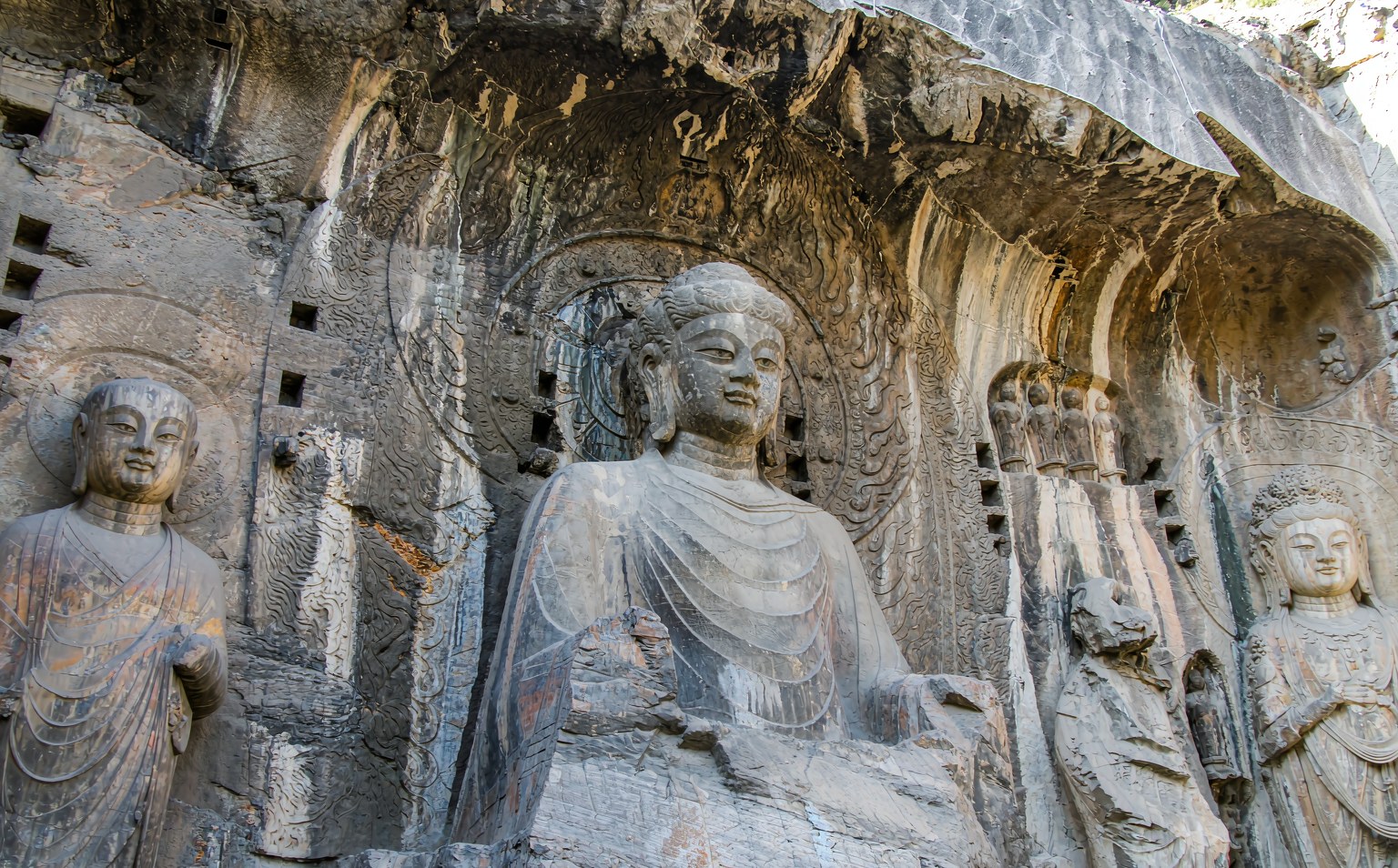
Luoyang Departure: Longmen Grottoes, White Horse Temple and the Han-Wei City, 4 Days
Four days without leaving the city: carved stone at Longmen, the first Buddhist temple at Baima, and six hundred years of capital pressed into the earth at the Han-Wei site. From November Longmen closes its gate at five.
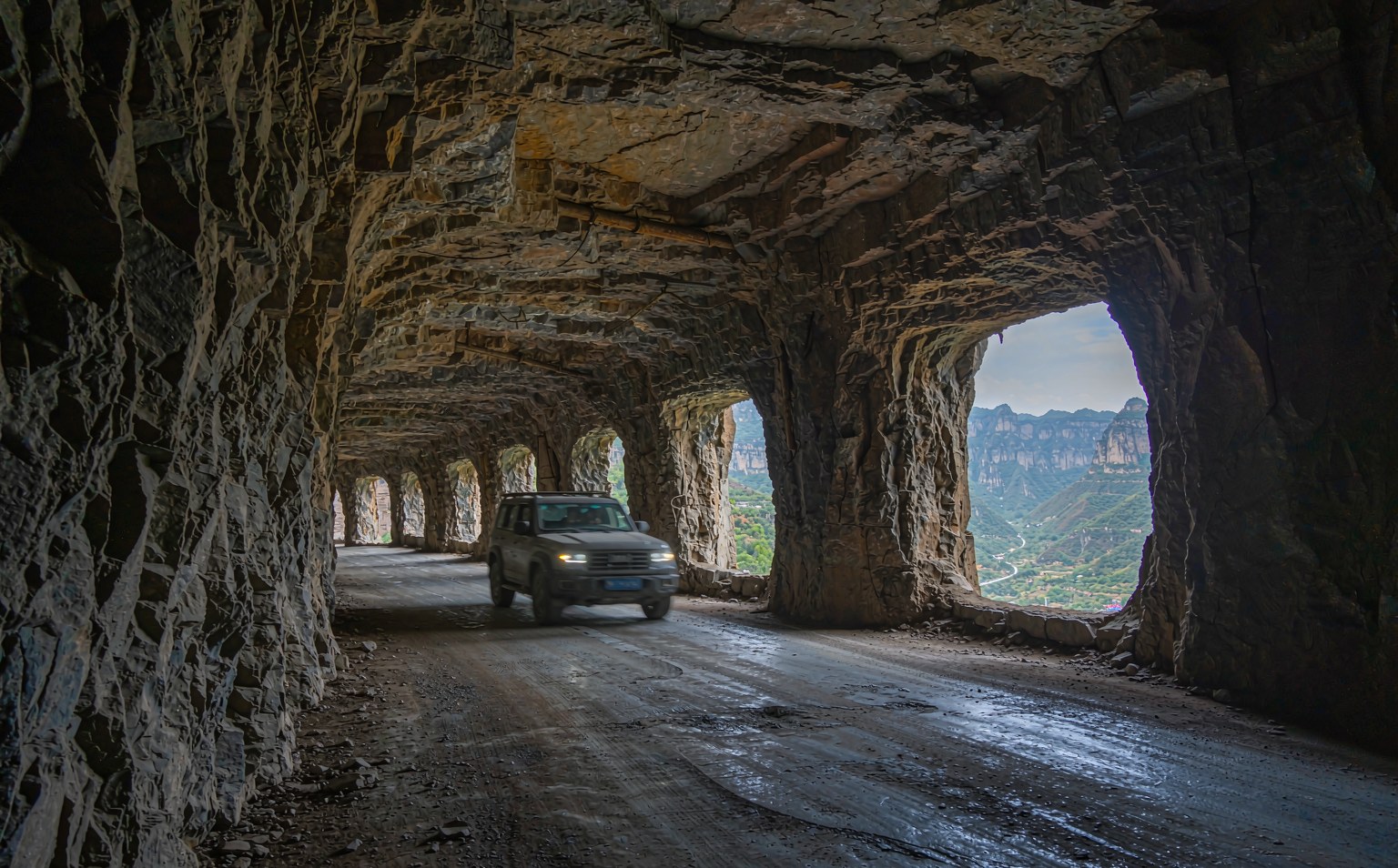
Luoyang Departure: Wanxian Mountain, Guoliang Village, Nanping and Luojiezhai, 3 Days
Three days living on the Taihang cliffs: the 1,250-metre tunnel road at Guoliang first, then the streams of Nanping, and finally the stone houses of Luojiezhai. By November the leaves are down and the rock face shows itself.
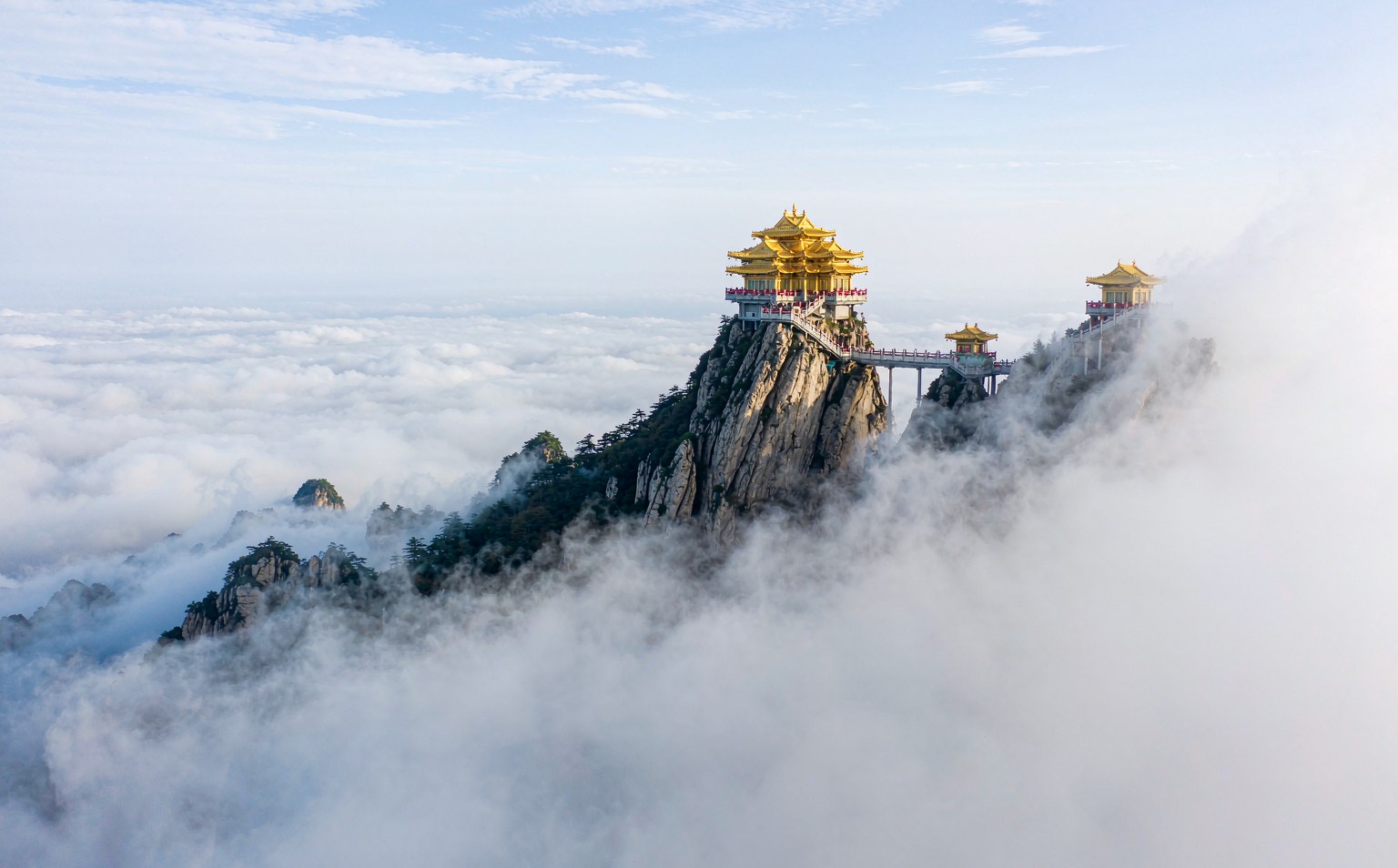
Luoyang Departure: Laojun Mountain, Jiguan Cave and Tianhe Grand Canyon, 5 Days
Down into a cave first, then up a mountain, then along a gorge: 1,800 metres inside Jiguan, a night on the summit waiting for the lamps and the sunrise, and a canyon so empty in low season that only water makes noise.
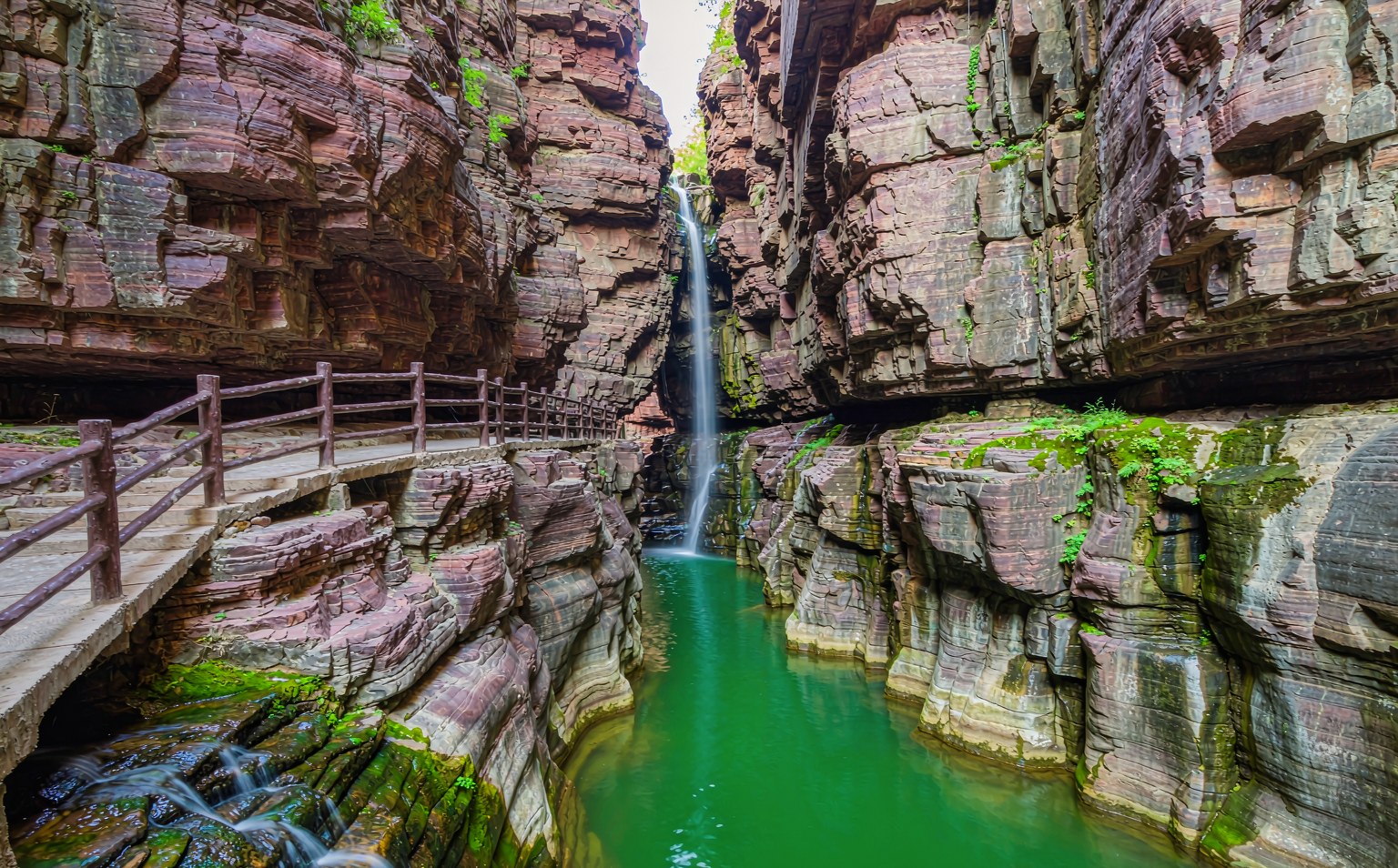
Luoyang Departure: Yuntai Mountain, Fenglin Gorge, Qinglong Gorge and Chenjiagou, 5 Days
Five days across the canyons north of Jiaozuo: red rock at Yuntai Mountain, a boat through the drowned gorge at Fenglin, a descent to the river bed at Qinglong, and two opening moves of taiji at Chenjiagou. Late November is the last fortnight of peak season.