
Luoyang Departure: Longmen Grottoes, White Horse Temple and the Han-Wei City, 4 Days
Four days without leaving the city: carved stone at Longmen, the first Buddhist temple at Baima, and six hundred years of capital pressed into the earth at the Han-Wei site. From November Longmen closes its gate at five.
Highlights
Day 1: Longmen Grottoes, west bank to east bank
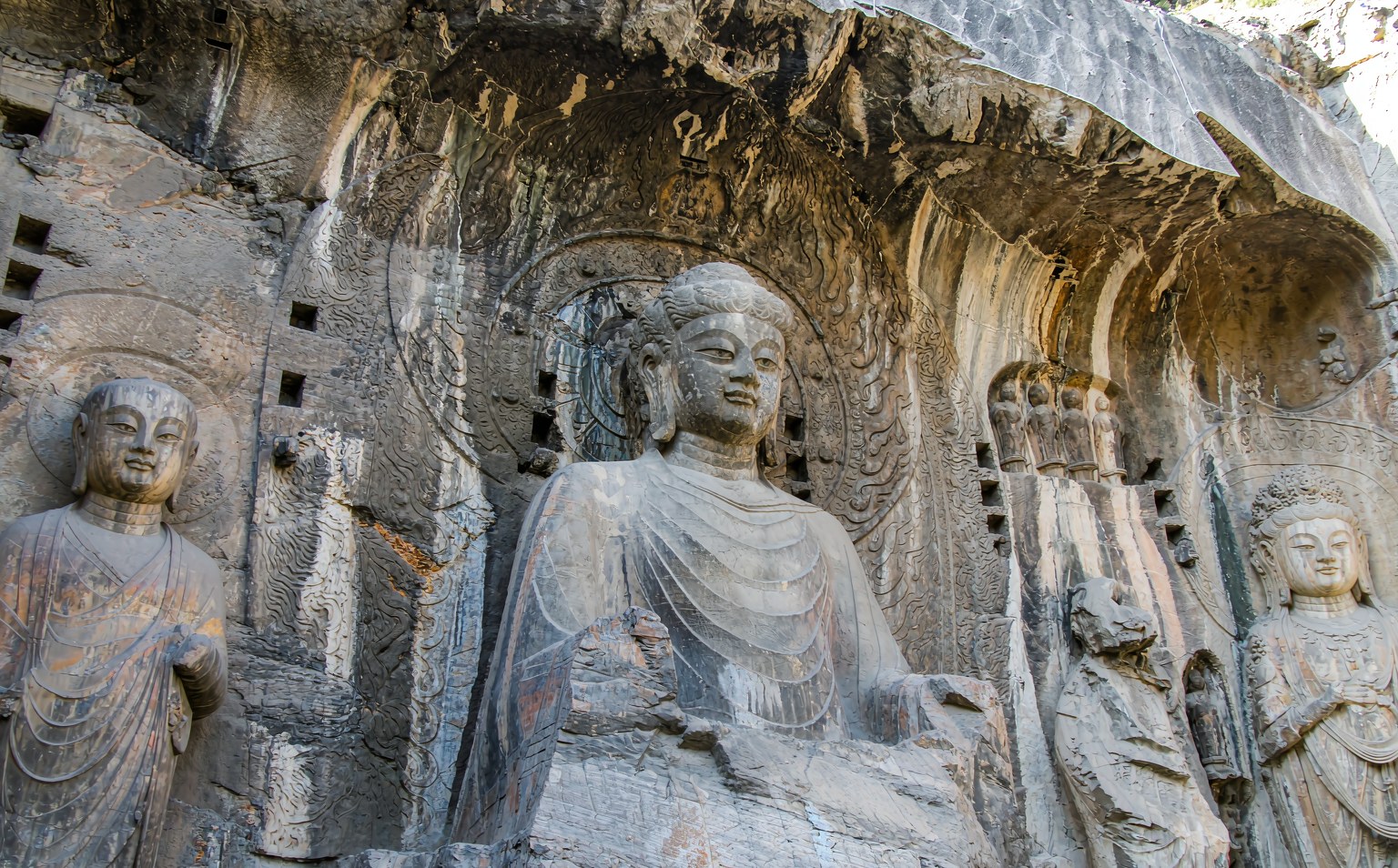
We leave the old town at half past seven, cross the Luo river southward and reach the west service area in twenty minutes, then walk to the gate or pay ten yuan for the shuttle. We are in when the gate opens at eight and start on the west hill: Binyang, Wanfo, cave after cave, ending at Fengxian Temple, where the Vairocana Buddha sits more than seventeen metres high, his ears longer than a human arm, with disciples, bodhisattvas and guardians ranked on either side. Afterwards we cross the Yi river to the east bank and look back: the whole cliff is packed with niches, and the name Yique finally makes sense.
Attraction introduction: Longmen was begun around the Northern Wei move of the capital to Luoyang and continued through the Eastern Wei, Western Wei, Northern Qi, Sui, Tang and Song, leaving 2,345 niches and more than a hundred thousand figures; it joined the World Heritage list in 2000. The west hill holds the finest work, including the 17.14-metre Vairocana Buddha at Fengxian Temple. The east bank is for the view back, and Xiangshan Temple and Bai Garden are inside the same ticket.
Tips: Evening opening at Longmen was suspended from the first of November, so the site shuts at dusk and summer itineraries no longer apply. Guests generally find morning light even across the faces on the west hill while the afternoon turns side-lit, but the half past four ticket cut-off is absolute. In practice Longmen belongs on the first morning, leaving strength for the east bank and the boat back across the Yi.
Day 2: White Horse Temple, then five hundred metres east
We are at Baima Temple at eight, with a queue already at the gate. Inside we pass the Heavenly Kings hall, the Great Buddha hall, the Mahavira hall and the reception hall, finishing at Qingliang terrace, where the scriptures were once translated. Do not leave at the gate: two hundred metres southeast stands the Qiyun courtyard with its thirteen-storey Jin dynasty brick pagoda, its walls tapering gently. Almost nobody is there, and the wind keeps the corner bells moving. In the afternoon, five hundred metres east, we reach the Han-Wei city museum.
Attraction introduction: Baima Temple was founded in the eleventh year of Yongping in the Eastern Han, the first monastery built by imperial order after Buddhism reached China, and is honoured as the first ancient temple of the country. The Qiyun pagoda outside its southeast corner dates from the Jin, thirteen eaves of brick, among the oldest standing structures in the Luoyang area. The international halls on the west side, Indian, Thai and Burmese, come with the same ticket.
Tips: Entry is by reservation through the temples official account only, with no tickets sold at the gate, so arriving without one means turning around. Guests generally find the Qiyun courtyard far quieter than the temple, and most visitors do not know it exists. In practice the museum follows in the afternoon, a five-minute walk away, so the car stays parked and the day stays easy on the feet.
Day 3: The Han-Wei capital under the soil
In the morning we enter the Han-Wei city museum. The ground floor explains the idea of building at the centre of the world; upstairs holds what came out of the earth. The clay Buddha head from Yongning Temple has a case to itself, smiling faintly with closed eyes, unchanged in fifteen hundred years. A bronze mirror showing Zhaojun leaving for the frontier and several Eastern Roman gold coins sit nearby, evidence that this city reached the Mediterranean. Outside, to the north, the site opens up: rammed-earth platforms one after another, the highest being the Taiji hall.
Attraction introduction: Han-Wei Luoyang served as capital for six hundred years, under the Eastern Zhou, Eastern Han, Cao Wei, Western Jin and Northern Wei. The Yongning pagoda base, the Taiji hall and the Changhe gate are protected and displayed, and the northeast city wall section shows Eastern Zhou, Eastern Han and Northern Wei rammed layers stacked on one another. The museum opened in 2024 under the title The World at the Centre.
Tips: The museum closes on Mondays except public holidays, so check the calendar before fixing dates. Guests generally find the small things stay with them: the Buddha head, the sections of rammed earth. In practice we take the museum in the morning and the open site after lunch, where there is no shade, so hats and scarves matter in a November wind.
Day 4: Guanlin, then the old town
We drive south to Guanlin for the half past eight opening. A stone archway leads to a paved way, then the main hall, and finally the tomb itself, a great mound of earth with a stele in front. The old cypresses in the yard grow with twisted trunks. Guanlin is said to hold the head of Guan Yu, and incense has burned here for centuries; the stone lions by the hall are polished by hands. At noon we return to the old town for a water banquet: peony-style turnip, pork in broth, fried meatballs, one dish after another. A walk by Lijing gate closes the trip.
Attraction introduction: Guanlin stands south of Luoyang and is said to be the burial place of Guan Yu head, enlarged in the Wanli era of the Ming; most surviving buildings are Ming and Qing, arranged along an axis from the opera tower to the tomb. The courtyard holds a forest of old cypresses and dozens of steles. The Luoyang water banquet is a local tradition of twenty-four dishes served in sequence, mostly soups, beginning with the peony dish.
Tips: Guanlin opens at half past eight and stops admitting at five, and morning light from the east picks out the eaves of the main hall. Guests generally find it smaller than expected, covered in an hour or so, and quiet for it. In practice the last day holds only this, with the water banquet at noon, which leaves time for any train or flight.
Related Tours
Luoyang Departure: Wanxian Mountain, Guoliang Village, Nanping and Luojiezhai, 3 Days
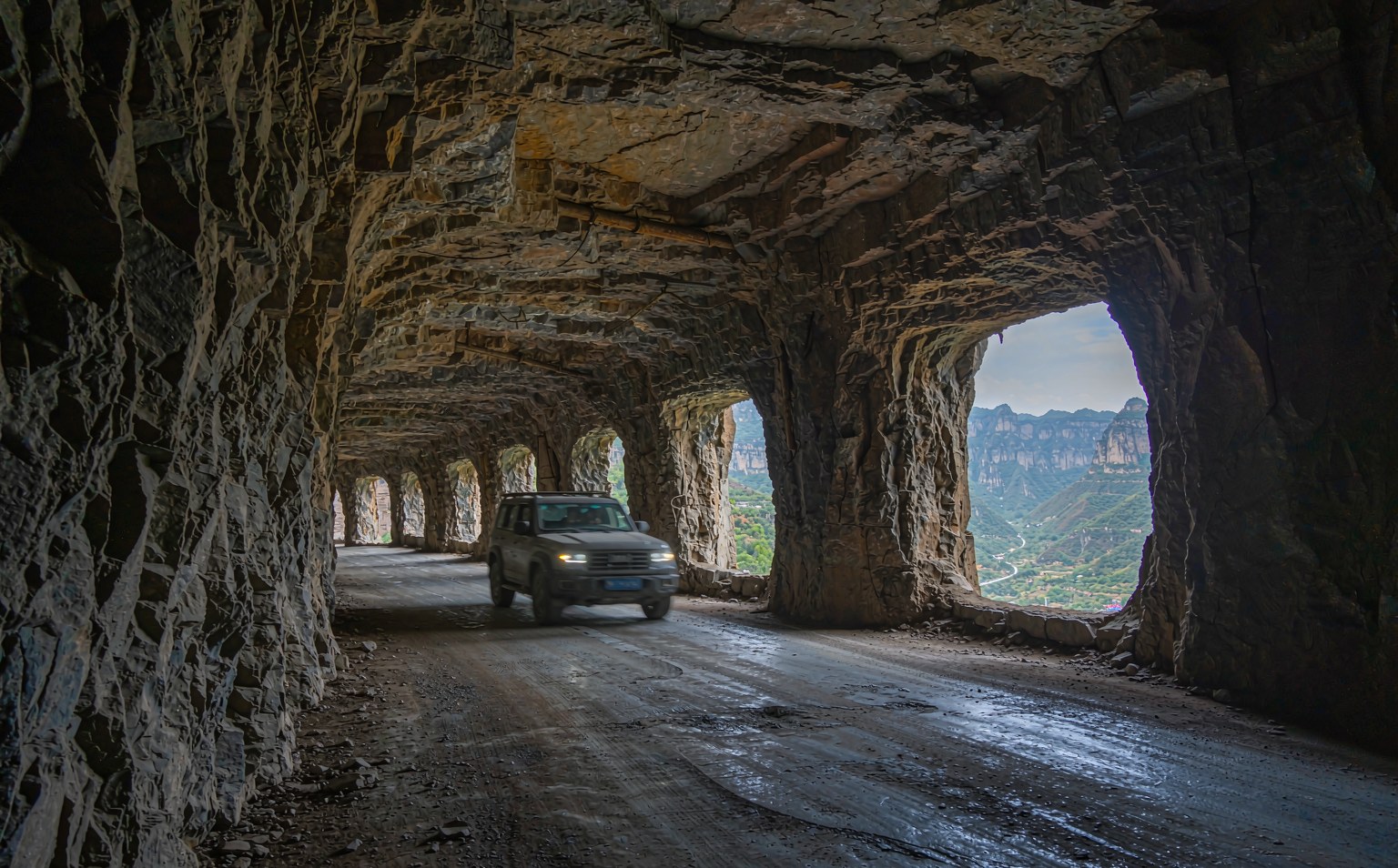
Three days living on the Taihang cliffs: the 1,250-metre tunnel road at Guoliang first, then the streams of Nanping, and finally the stone houses of Luojiezhai. By November the leaves are down and the rock face shows itself.
Luoyang Departure: Laojun Mountain, Jiguan Cave and Tianhe Grand Canyon, 5 Days
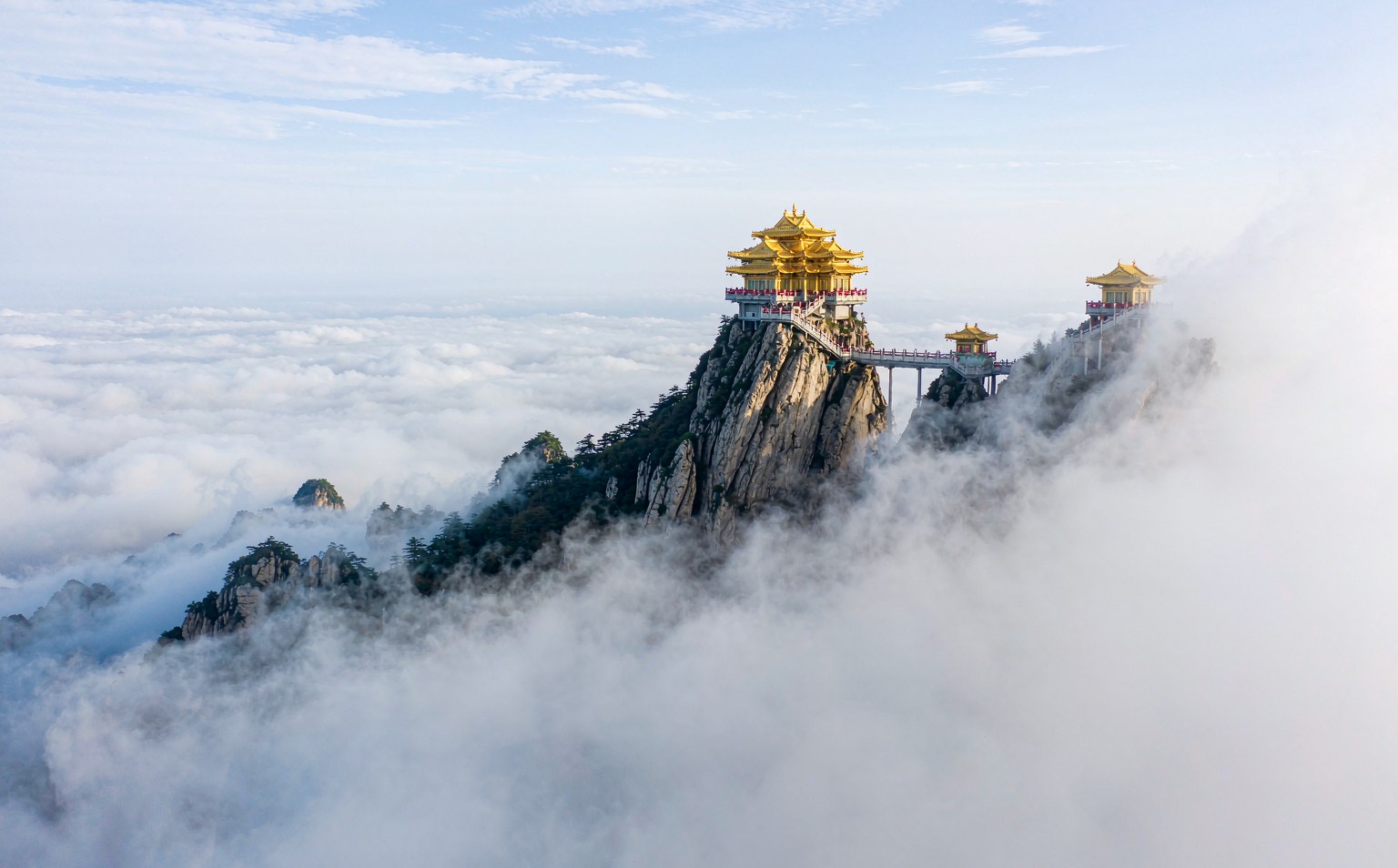
Down into a cave first, then up a mountain, then along a gorge: 1,800 metres inside Jiguan, a night on the summit waiting for the lamps and the sunrise, and a canyon so empty in low season that only water makes noise.
Luoyang Departure: Shaolin Temple, Sanhuangzhai, Songyang Academy and the Observatory, 4 Days
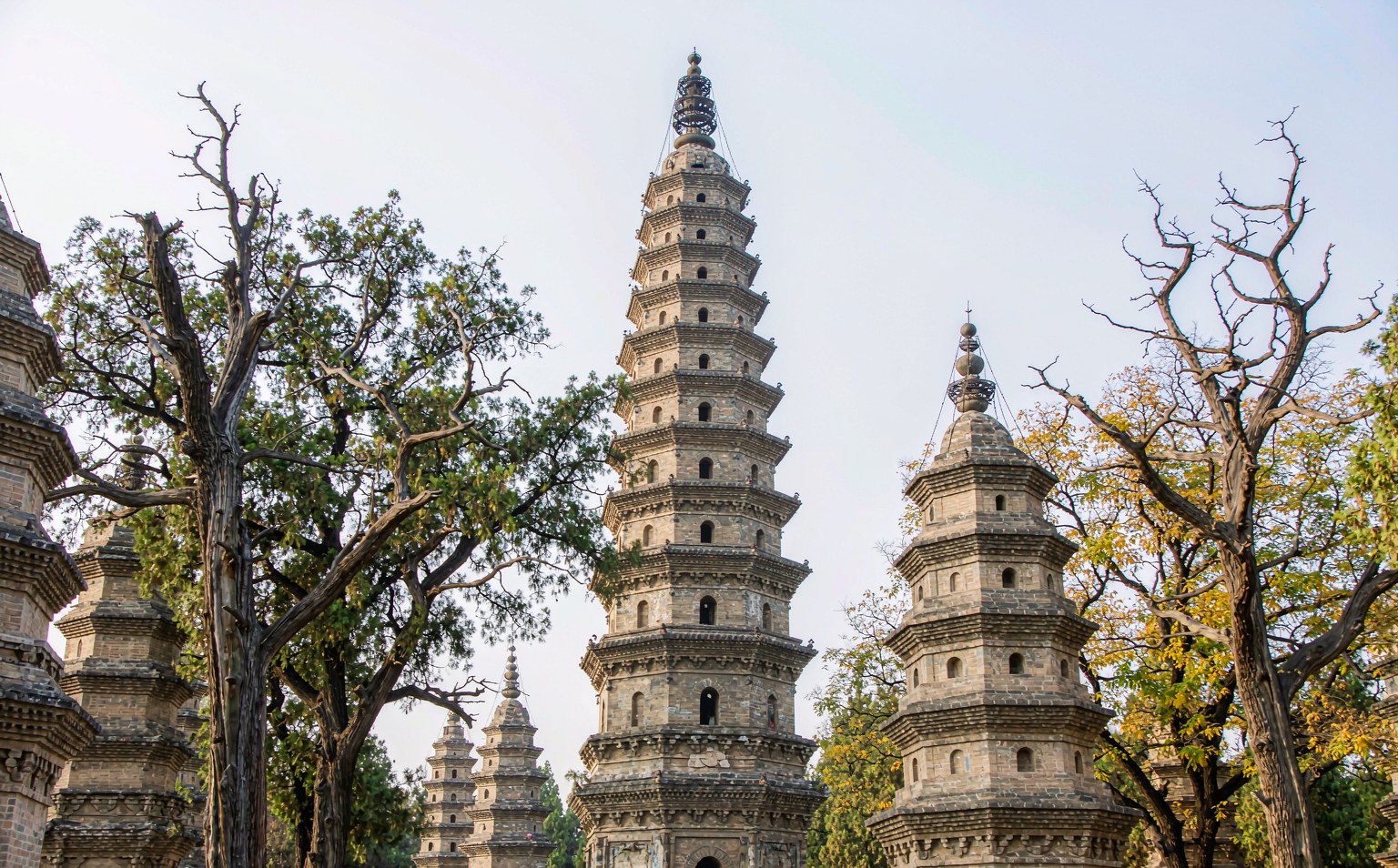
Four days moving between the two flanks of Mount Song: two-thousand-year-old cypresses at the academy, the pagoda forest at Shaolin, a cliff boardwalk at Sanhuangzhai, and a Yuan dynasty observatory at the end. Lodging stays in the county town, half an hour from everything.
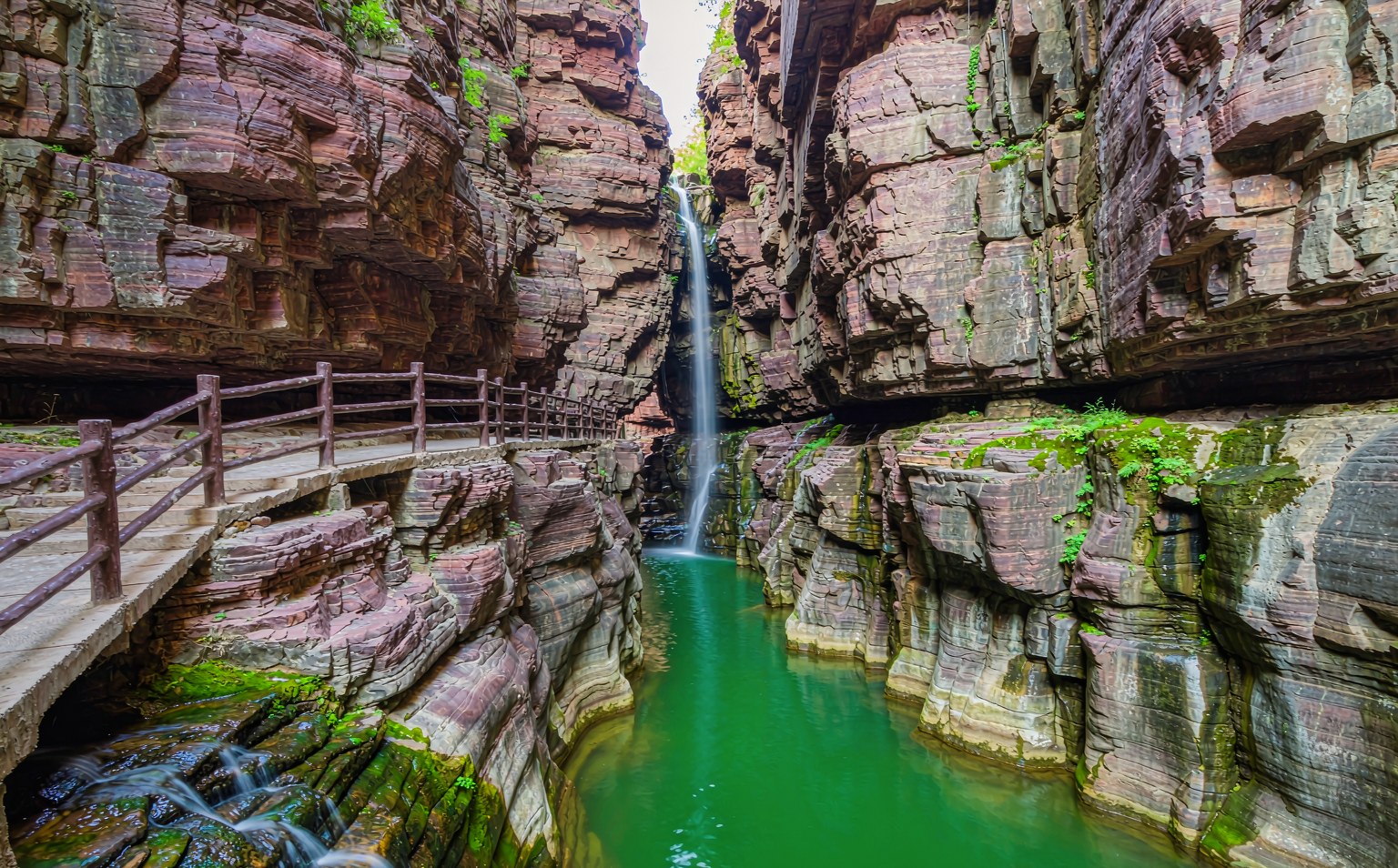
Luoyang Departure: Yuntai Mountain, Fenglin Gorge, Qinglong Gorge and Chenjiagou, 5 Days
Five days across the canyons north of Jiaozuo: red rock at Yuntai Mountain, a boat through the drowned gorge at Fenglin, a descent to the river bed at Qinglong, and two opening moves of taiji at Chenjiagou. Late November is the last fortnight of peak season.