
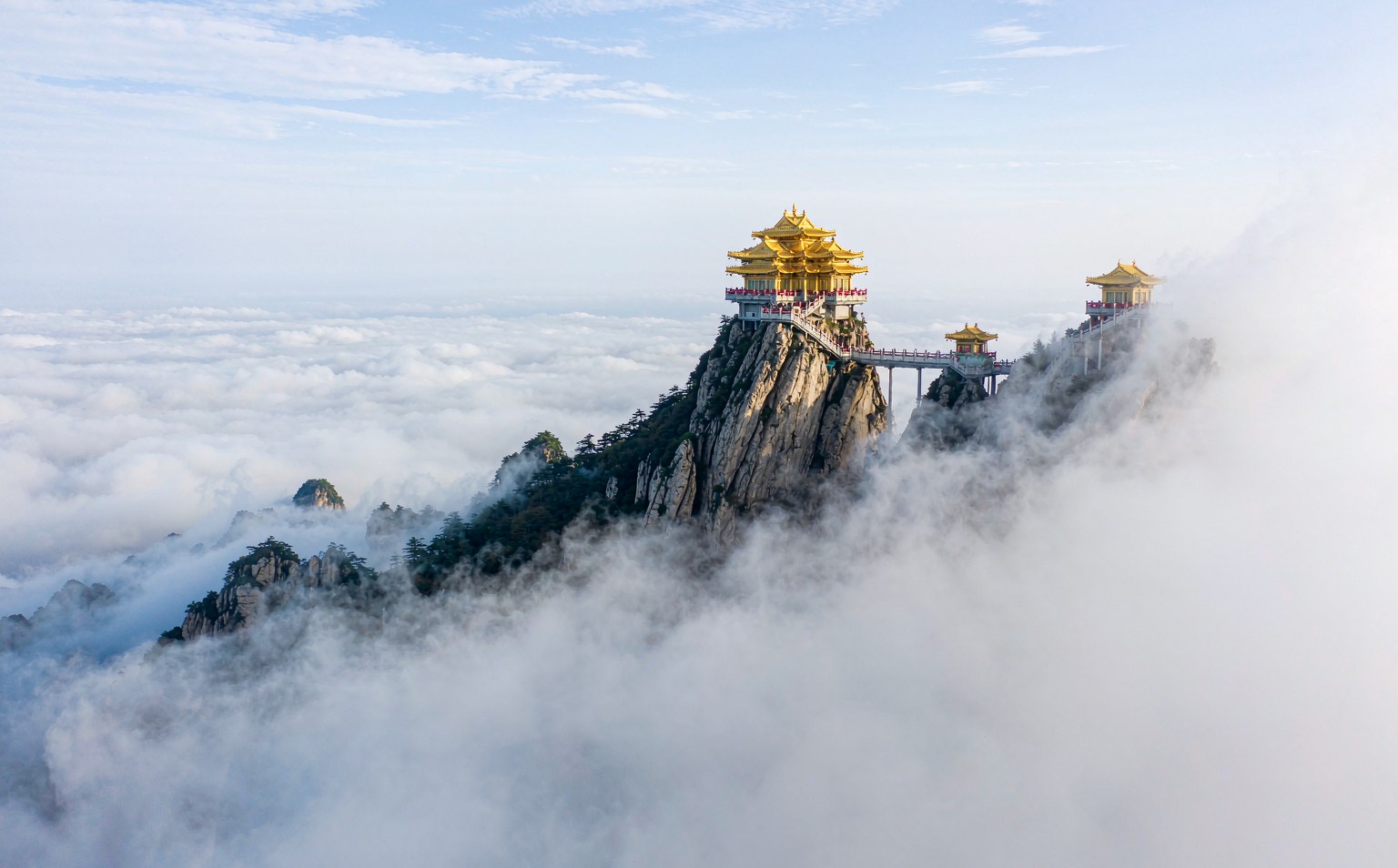
Luoyang Departure: Laojun Mountain, Jiguan Cave and Tianhe Grand Canyon, 5 Days
Down into a cave first, then up a mountain, then along a gorge: 1,800 metres inside Jiguan, a night on the summit waiting for the lamps and the sunrise, and a canyon so empty in low season that only water makes noise.
Highlights
Day 1: Luoyang to Luanchuan, down into Jiguan Cave
We leave at half past eight, take the Luoluan expressway and reach Luanchuan county in two and a half hours. After lunch a half-hour drive west brings us to Jiguan Cave. Coats come off at the entrance: the cave holds eighteen degrees all year, so a sweater is exactly right. Visitors enter in batches with a guide, climbing section by section. Stalactites hang from the roof, stalagmites rise from the floor, and in a few places the two have met, including the pillar they call the jade column. The lighting is deliberate, reds and blues, and it makes the stone look alive. Forty minutes later we step out into a cold wind and remember it is November.
Attraction introduction: Jiguan Cave lies three kilometres west of Luanchuan town and is a rare karst cave in the north, 1,800 metres long with five main chambers at a constant eighteen degrees. Stalactites, columns and flowstone are well developed, and one column over ten metres high is the signature of the cave. The hill above is shaped like a rooster comb, which gives the cave its name.
Tips: Floors are wet and steps are many, so wear grippy shoes and use the handrail if your knees complain. Guests generally find photography difficult inside, since the lighting is staged and phone cameras shift the colour. In practice we schedule only this cave on day one and sleep in the county town, keeping the whole of tomorrow for the mountain.
Day 2: Up Laojun Mountain, sleeping at the summit
We reach the gate at half past seven and take the first cable car, coming out at the mid-station fifteen minutes later into air seven or eight degrees colder. A second cable car lifts us to the edge of Shili Huaping, a boardwalk that runs along a forest of stone pinnacles, each one standing on end as if pushed into the ground by hand. We reach the golden summit in the afternoon, where the temple group lines up along the ridge. Bags go down in the lodge, and at half past five we step outside to wait; around six the lamps come on one by one and the halls turn gold against a darkening mountain.
Attraction introduction: Laojun Mountain is the highest peak of the Funiu range at 2,217 metres. The summit temples were first built in the Northern Wei and rebuilt repeatedly; the Laojun hall, Yuhuang summit and Liangbao terrace survive today. Shili Huaping is a five-kilometre boardwalk through dense stone pinnacles. The evening illumination is a recent addition, switched on around dusk and cancelled in high wind or during maintenance.
Tips: The main cable car stops taking passengers uphill at half past three, and that rule is absolute. Guests generally find the summit about ten degrees colder than the valley, so a down jacket, gloves and a hat are all worth carrying in November. In practice the ticket is valid for two days, which is why we sleep up here and walk down after sunrise instead of chasing the last car.
Day 3: Sunrise, then the long way down
Up at six, coat on, out to the Yuhuang terrace. The horizon shows a pale grey line first, then red, and the sun comes out of the cloud sea quickly, fully bright within minutes. The clouds below are moving, sliding east in sheets, and the peaks stick out like islands. Back inside for a bowl of noodles, we start down at nine on foot rather than by cable car, following the Shili Huaping boardwalk. In daylight the pinnacles show their bedding, quite unlike the silhouette of the evening before. By two we are at the base and back in town, where dinner is tofu soup on the old street.
Attraction introduction: The summit is known for cloud seas because the massif stands well above its neighbours and autumn and winter carry more moisture than summer. The descending path follows the pinnacles past several viewing platforms that look back at the golden summit. Luanchuan town sits at about seven hundred metres, some 1,400 below the top, and the temperature climbs all the way down.
Tips: Sunrise shifts with the season, around seven in November, so confirm with the lodge the night before. Guests generally find the wind the hardest part of waiting, with hands stiff after ten minutes, which makes hand warmers more useful than a camera. In practice we walk down instead of paying for the cable car, saving eighty yuan on the best scenery of the mountain.
Day 4: Tianhe Grand Canyon in low season
We leave at eight, take the Luanlu expressway to Jiaohe town and reach the gate in an hour. Low season means the shuttle meets no other vehicle on the way up. The gorge follows the stream, the boardwalk crossing from bank to bank, water always audible. Below Wusheng Peak the Qingtian pillar stands with walls cut sheer, its top out of sight. Higher up, toward Dapeng Mountain at over two thousand metres, there is already snow on the slopes, and the cable car shows a white distance.
Attraction introduction: Tianhe Grand Canyon, formerly called Daohuigou, is a national 4A scenic area and a core zone of the Funiu Mountains UNESCO Global Geopark, covering fifty-six square kilometres in three sections: Tianhe valley, Wusheng peaks and Dapeng mountain. Dapeng stands at 2,116 metres and the Qingtian pillar at 1,850. The valley floor averages above 1,500 metres with an annual mean of 10.2 degrees and more than 1,400 medicinal plants, which locals call the little Tibet of the Central Plains.
Tips: Low season runs eight to five, an hour shorter than summer, so summer itineraries will not work. Guests generally find the rock more interesting than the water here, since winter flow is low but the pinnacles read more clearly. In practice both the thirty-yuan shuttle and the eighty-yuan cable car are worth taking; the gorge runs for more than ten kilometres and a day on foot is not enough.
Day 5: From Jiaohe back to Luoyang
No early start today. After breakfast we look into the dried-goods shop at the corner, where the walnuts, wood ear and dogwood are honest and the owner hands you a handful to taste. We leave at half past nine, join the Luanlu expressway and then the Luoluan, reaching Luoyang in two and a half hours. The road passes Tantou and Jiuxian, where the hillsides have lost most of their leaves and only persimmon trees hold colour, red enough to notice from a moving car. A stop at the Songxian service area, and we are home by two.
Attraction introduction: Jiaohe is a small mountain town in the depths of the Funiu range at around 1,200 metres, surrounded by the Tianhe canyon and the Laojieling ridge. It holds a periodic market where farmers bring down dried goods. The two expressways between Luanchuan and Luoyang run through deep cuttings and long bridges, scenery for the whole drive.
Tips: Dried goods cost less in town than at any scenic gate, but check that they are local: good wood ear is small, thick and grey-white underneath. Guests generally find the last day gets over-scheduled and the drive turns into a rush. In practice we allow three and a half hours with one service-area stop, which feels far easier than driving straight through.
Related Tours
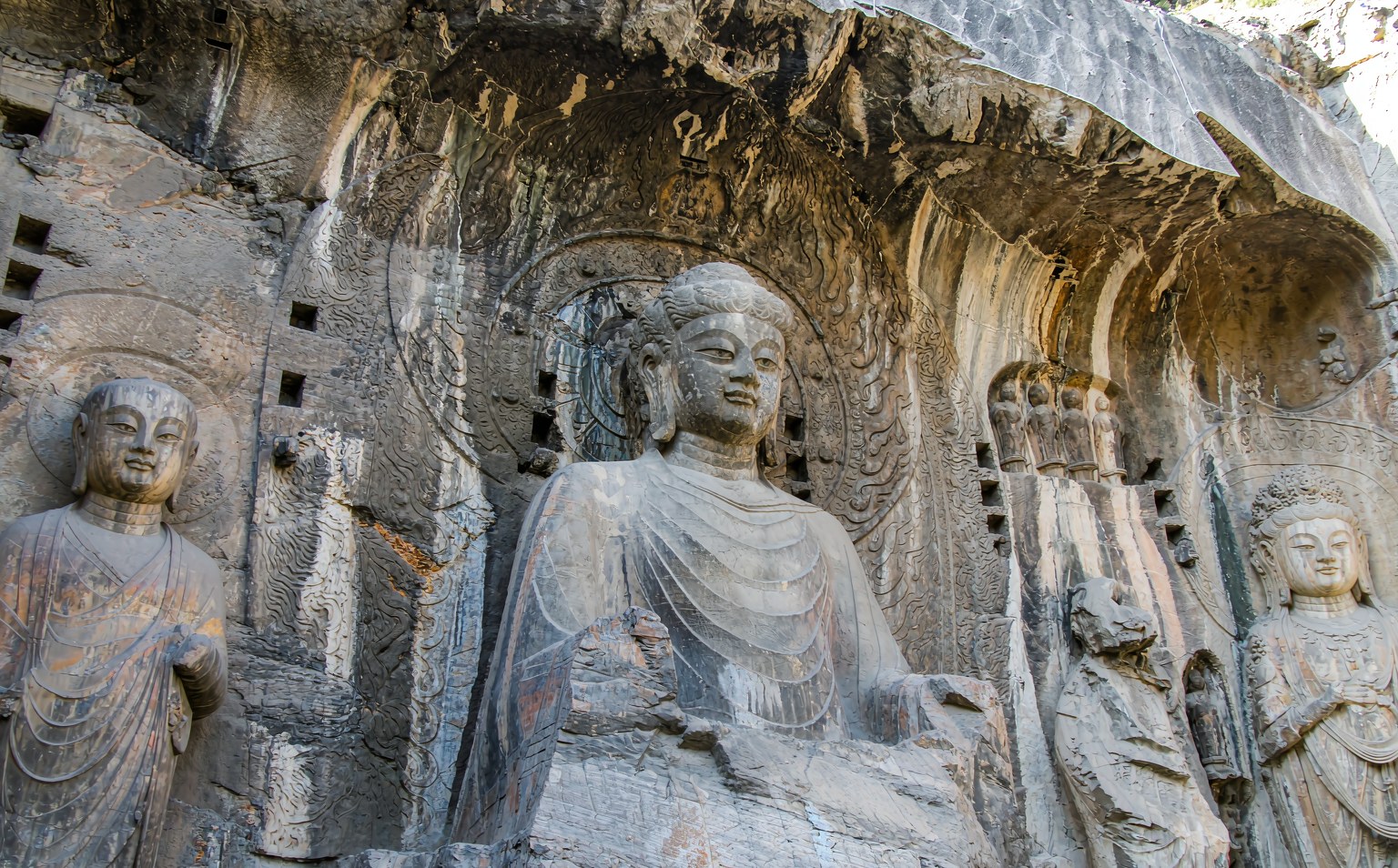
Luoyang Departure: Longmen Grottoes, White Horse Temple and the Han-Wei City, 4 Days
Four days without leaving the city: carved stone at Longmen, the first Buddhist temple at Baima, and six hundred years of capital pressed into the earth at the Han-Wei site. From November Longmen closes its gate at five.
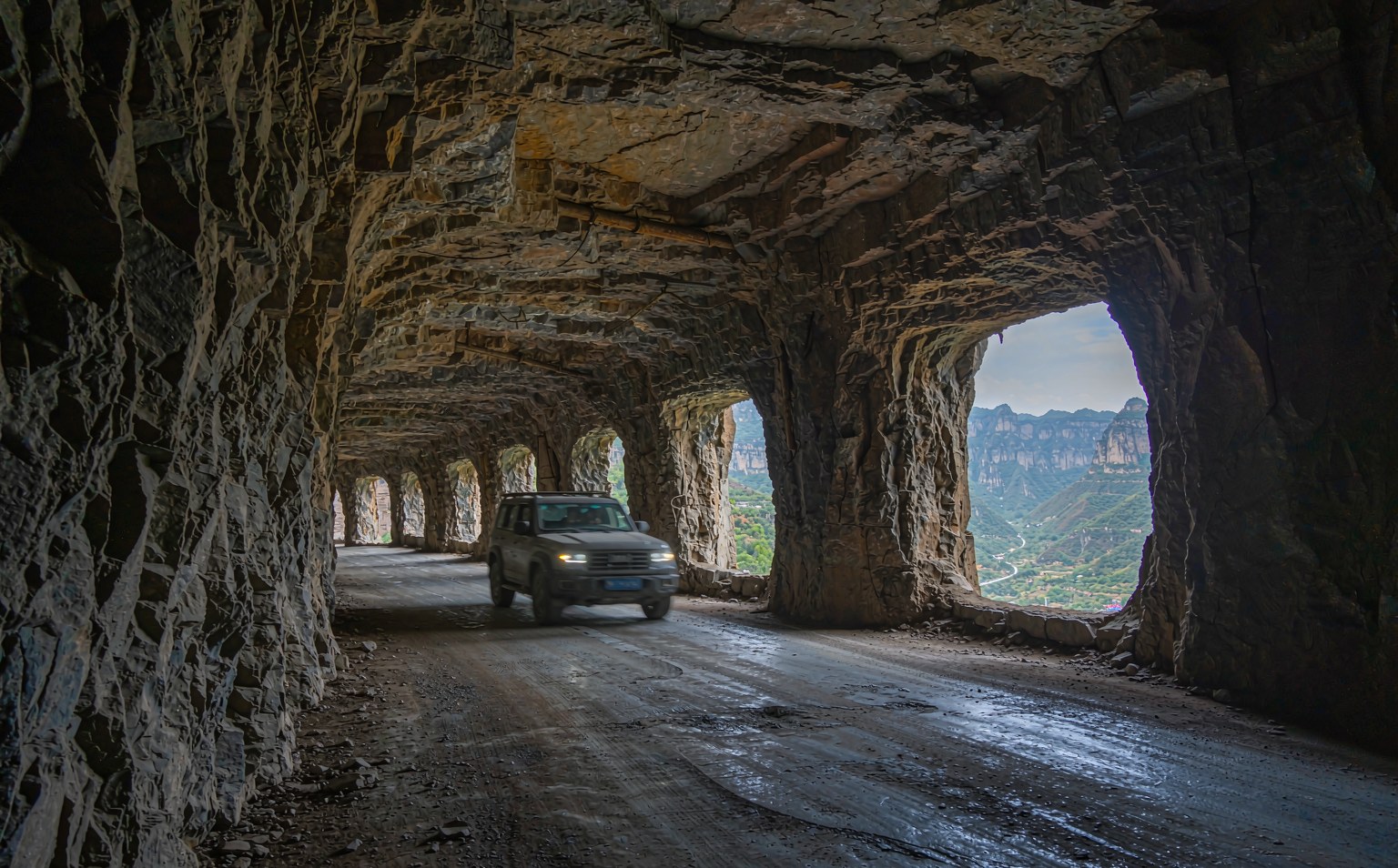
Luoyang Departure: Wanxian Mountain, Guoliang Village, Nanping and Luojiezhai, 3 Days
Three days living on the Taihang cliffs: the 1,250-metre tunnel road at Guoliang first, then the streams of Nanping, and finally the stone houses of Luojiezhai. By November the leaves are down and the rock face shows itself.
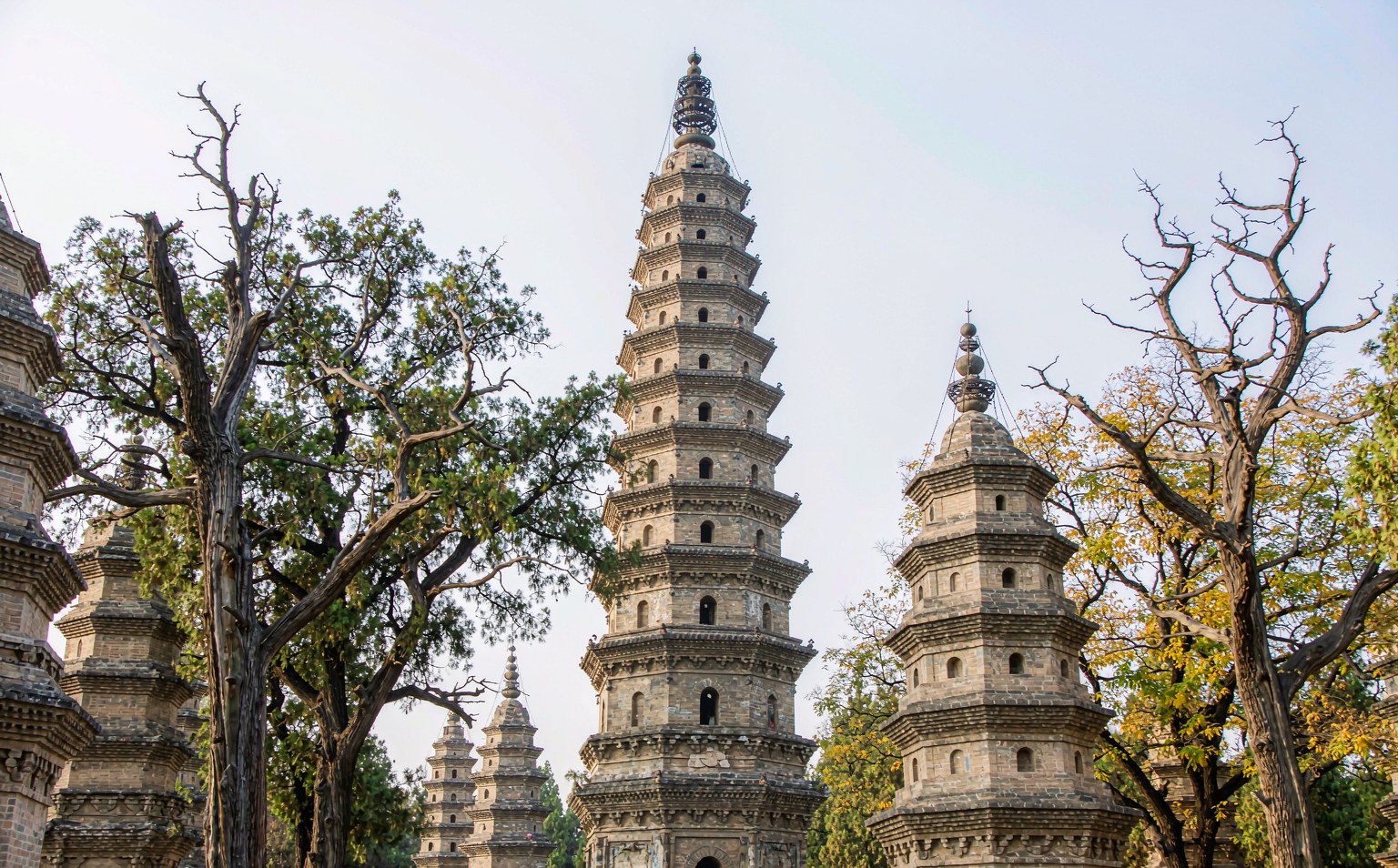
Luoyang Departure: Shaolin Temple, Sanhuangzhai, Songyang Academy and the Observatory, 4 Days
Four days moving between the two flanks of Mount Song: two-thousand-year-old cypresses at the academy, the pagoda forest at Shaolin, a cliff boardwalk at Sanhuangzhai, and a Yuan dynasty observatory at the end. Lodging stays in the county town, half an hour from everything.
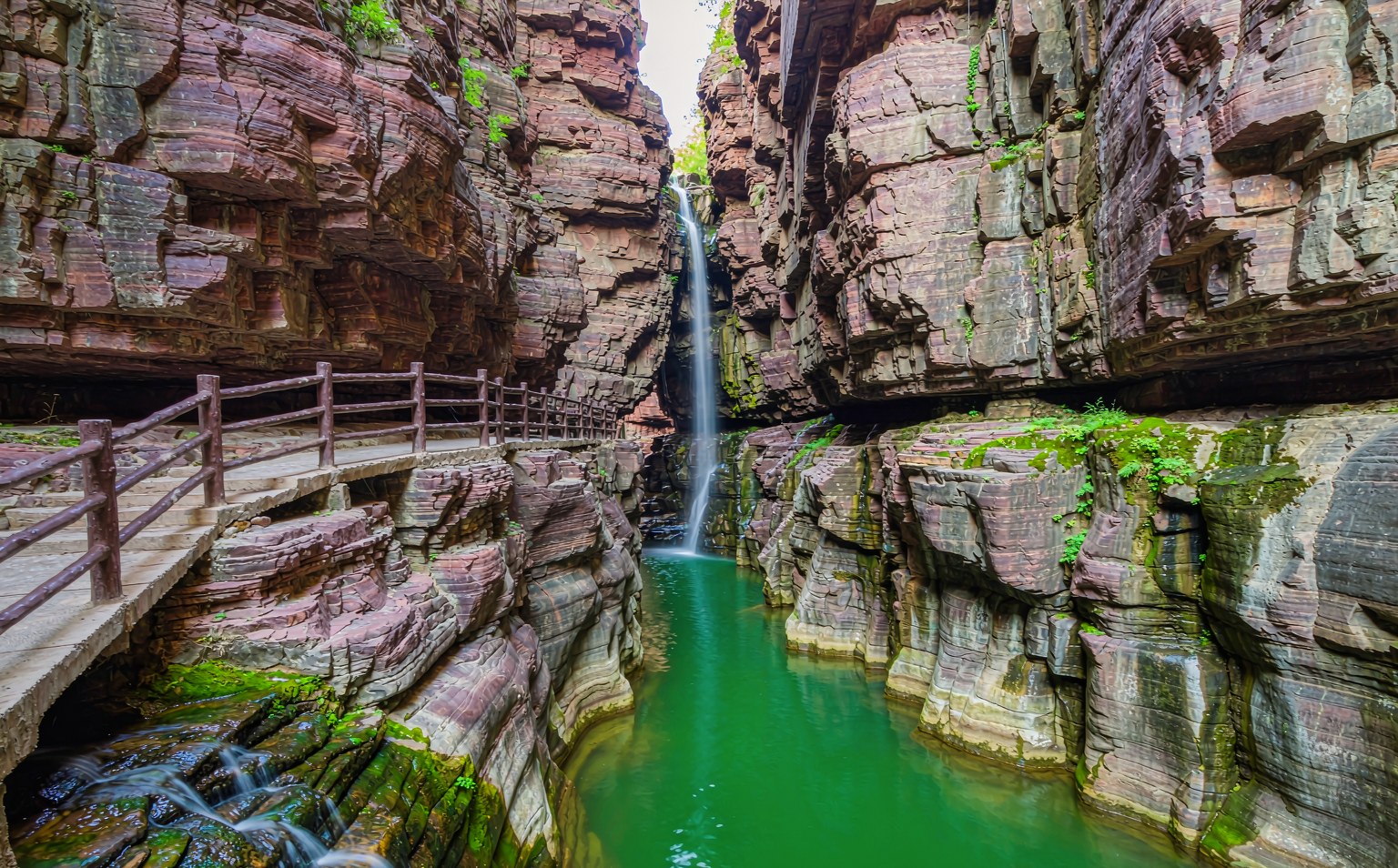
Luoyang Departure: Yuntai Mountain, Fenglin Gorge, Qinglong Gorge and Chenjiagou, 5 Days
Five days across the canyons north of Jiaozuo: red rock at Yuntai Mountain, a boat through the drowned gorge at Fenglin, a descent to the river bed at Qinglong, and two opening moves of taiji at Chenjiagou. Late November is the last fortnight of peak season.