
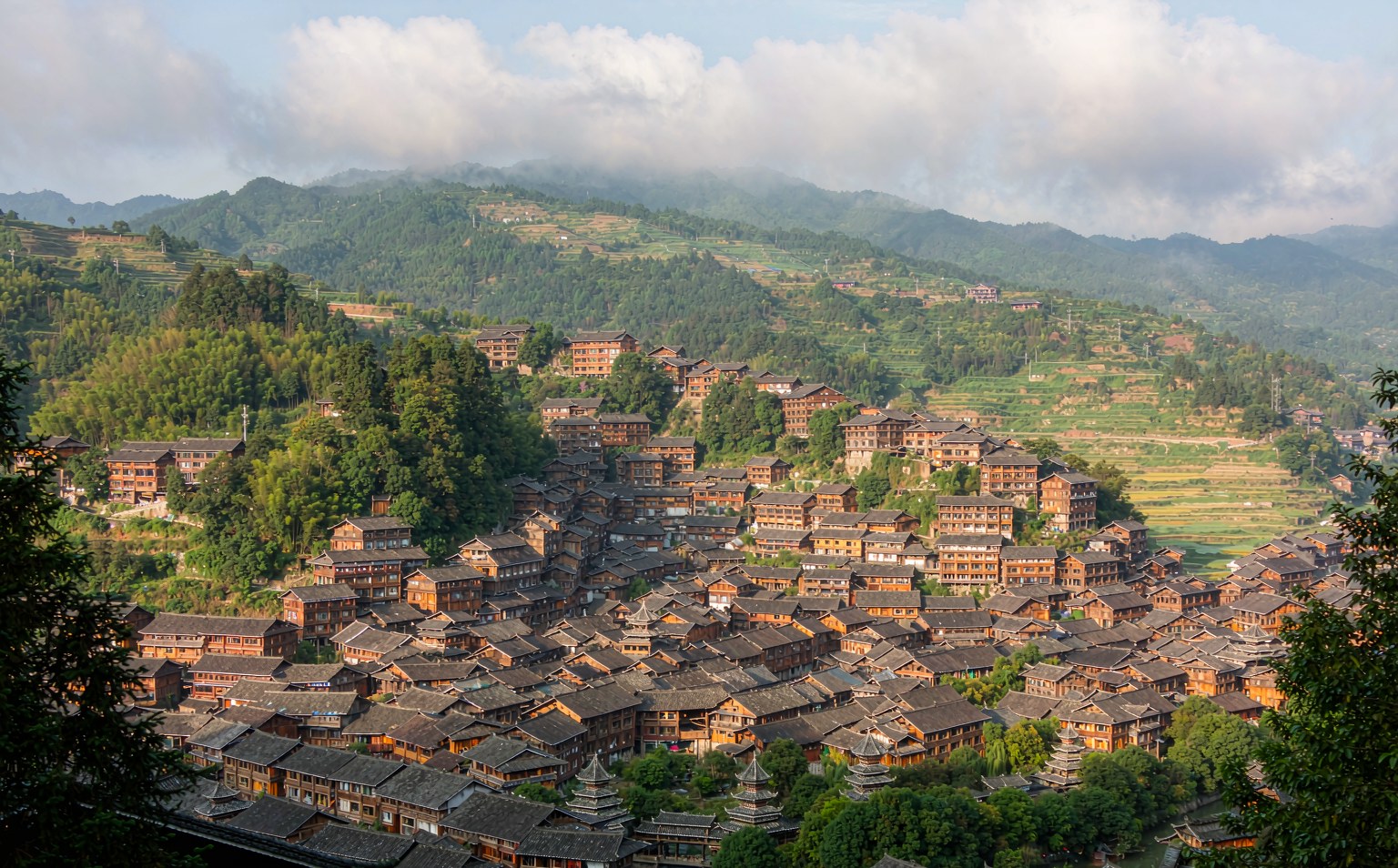
Luoyang Departure: Huangguoshu, Libo, 7 Days 6 Nights
Seven days crossing Guizhou from west to east: the roar of Huangguoshu first, then the blue water of Libo, a night in a Miao wooden house, and finally the Mushroom Stone on Fanjing Mountain. Rail between stops, no backtracking.
Highlights
Day 1: Leave Luoyang, land in Guiyang
We fly out of Luoyang with a connection at Xian or Zhengzhou and land at Guiyang Longdongbao in the afternoon. The airport is half an hour from the centre, so bags go to the hotel and we walk a stretch of the Nanming River beside Jiaxiu Pavilion. Dinner is sour soup fish, fermented with tomato, served with a dipping sauce of fish mint that surprises most first-timers.
Attraction introduction: Guiyang sits on the Guizhou plateau at about 1,100 metres, cool in summer and overcast in winter. Jiaxiu Pavilion was first built in the Wanli years of the Ming dynasty on a stone outcrop in the Nanming River, three storeys rising straight out of the water as the old mark of the city.
Tips: The first day is for arrival only. Guests generally find that pushing on to Anshun the same day leaves nobody interested in the waterfall next morning. In practice one night in Guiyang is the steadier choice, and keeping dinner mild helps before a week of sour and chilli.
Day 2: Guiyang to Anshun, the great waterfall and Doupotang
After breakfast we take the expressway to Anshun, reaching Huangguoshu in ninety minutes. Doupotang comes first, wide and low, the shot that opens the old television adaptation of Journey to the West. Lunch is inside the scenic area, then the main fall in the afternoon, walking through the Water Curtain Cave and getting wet on the way. We sleep in Anshun and soak in hot water.
Attraction introduction: Huangguoshu drops more than seventy metres over a crest about a hundred metres wide, the broadest waterfall in Asia. The Water Curtain Cave runs behind the falling water for over 130 metres with six openings, and from inside the water comes down overhead. The shuttle bus is valid for three days across the three separate sections.
Tips: The cave guarantees wet clothes. Guests generally find a disposable raincoat beats an umbrella and that grip matters more than waterproofing on the slick steps. In practice we put the main fall after three in the afternoon, when the light softens and rainbows show up in the spray.
Day 3: Tianxingqiao lower half, then rail to Libo
We return to Huangguoshu in the morning for Tianxingqiao, where stone, water and trees grow into one another. Most groups turn back at the halfway point, but the water garden beyond is the reason to come. Lunch back in Anshun, then an afternoon train to Libo, a short transfer into town, and grilled fish by the Zhangjiang in the evening.
Attraction introduction: Tianxingqiao has two halves, the first a stone garden and the second a walk along the Xiangshui River where water pushes out between rocks in a chain of small falls. The numbered stepping stones mark a date on each block, so visitors hunt for their birthday.
Tips: The second half takes over an hour on foot. Guests generally find that stopping with the group at the first section misses every water view. In practice we allow two hours for the full walk and ask for shoes with real tread, since the slabs stay damp all year.
Day 4: A full day at Xiaoqikong, west gate in and east gate out
We enter Xiaoqikong at half past seven with the first group through the west gate, walking downhill the whole way. Wolong Pond holds that mineral blue-green, then Cuigu Falls and the water forest follow in sequence down to the seven-arch bridge. Lunch is simple inside the park, and by late afternoon we are back in town with time to rest.
Attraction introduction: Xiaoqikong is a gorge section of the Xiangshui River running more than ten kilometres, named for a seven-arch stone bridge built in the Daoguang years. The water forest is a stretch where trees grow straight out of the rock and the river runs between the roots, crossed on stone blocks.
Tips: West gate to east gate runs downhill, and the reverse means climbing. Guests generally find that entering at half past seven photographs Wolong Pond empty before the coaches arrive. In practice the ticket covers two days, but with one day only an early start is the whole game.
Day 5: Libo to Xijiang, a night in a wooden house
We leave Libo in the morning, take the train to Kaili and transfer up to Xijiang, arriving after lunch. Bags go to a guesthouse halfway up the slope and we walk down the stone lanes to the first wind-rain bridge. Before dusk a shuttle carries us to the viewpoint to watch the lamps come on across the whole hillside. Dinner is a long-table feast with sour soup and rice wine.
Attraction introduction: Xijiang Miao village is built on two ridges on the northern slope of Leigong Mountain, with more than a thousand timber stilt houses stacked up the hillside, the largest Miao settlement still standing. The wind-rain bridges hold together on mortise joints alone, without a single nail.
Tips: Every lane in the village is steps. Guests generally find that wheeled suitcases are hopeless here and a backpack or a porter is the practical answer. In practice the mid-slope guesthouses are quieter than those at the foot, though the walk down for food at night needs a torch.
Day 6: Village morning, then on to Jiangkou
We are up for the mist, which around seven mixes with cooking smoke while the viewpoint is still quiet. The morning is free to wander past silversmiths hammering ornaments and old women drying chillies on racks. After an early lunch we leave the village, change trains at Kaili for Tongren, and drive to Jiangkou to sleep below the mountain.
Attraction introduction: Early morning is when Xijiang looks best, half the grey tile roofs swallowed by cloud and the sound of chickens and washing drifting up from the valley floor. Silverwork is the core craft here, and a full ceremonial headdress takes tens of thousands of hammer blows, still made by hand in the village.
Tips: Morning mist is a matter of luck. Guests generally find the day after rain gives the best chance and a clear night gives none at all. In practice we set the alarm according to the previous evening sky and give it an extra half hour when the cloud sits low.
Day 7: Fanjing Mountain by cable car, home in the afternoon
We enter the east gate in the morning, take the shuttle to the lower cable station and ride fourteen minutes up to Wanbaoyan, then climb the remaining eight hundred-odd steps to the Mushroom Stone. Hongyun Golden Summit depends on legs, since the stairs are steep and narrow and the chains are there for a reason. We descend at midday and transfer to Tongren for the journey home.
Attraction introduction: Fanjing Mountain is the highest peak of the Wuling range at over 2,500 metres and joined the World Heritage list in 2018. The Mushroom Stone is two blocks balanced one on the other, wider above than below, standing for tens of thousands of years; the Golden Summit is split into two halves with a temple on each, joined by a stone bridge.
Tips: The summit runs eight to ten degrees colder than the valley. Guests generally find that mist below and clear sky above is common, so a grey morning is no reason to stay down. In practice the return cable car is included, but the last stretch to the summit is on foot only and hard on bad knees.
Related Tours
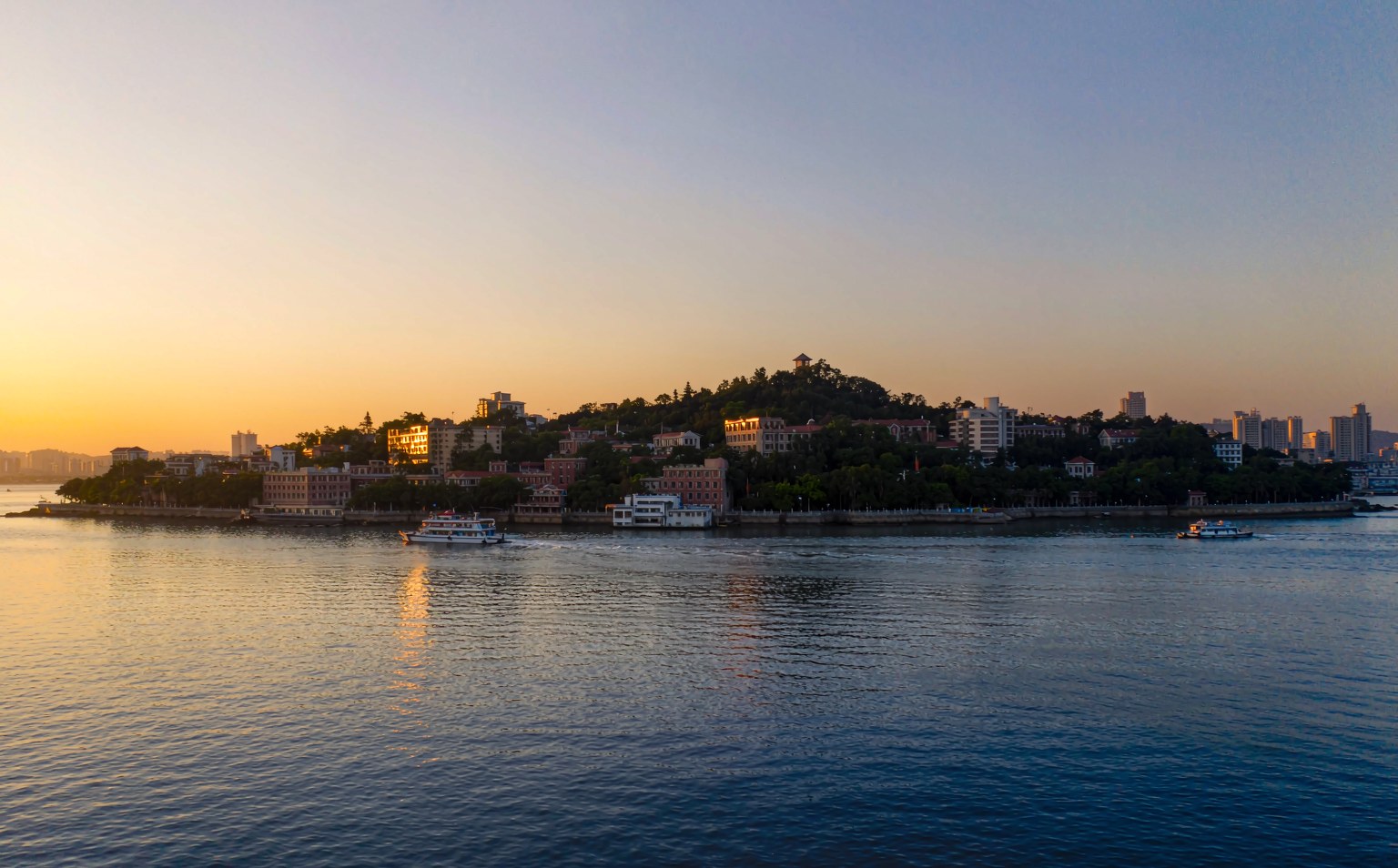
Xiamen, Gulangyu, Quanzhou and Yunshuiyao in Seven Days from Luoyang
Xiamen sits at twenty three degrees in November with a dry sea breeze. Seven unhurried days: a night on Gulangyu, two in Quanzhou, an afternoon under the banyans at Yunshuiyao, and a last ride along the island road.
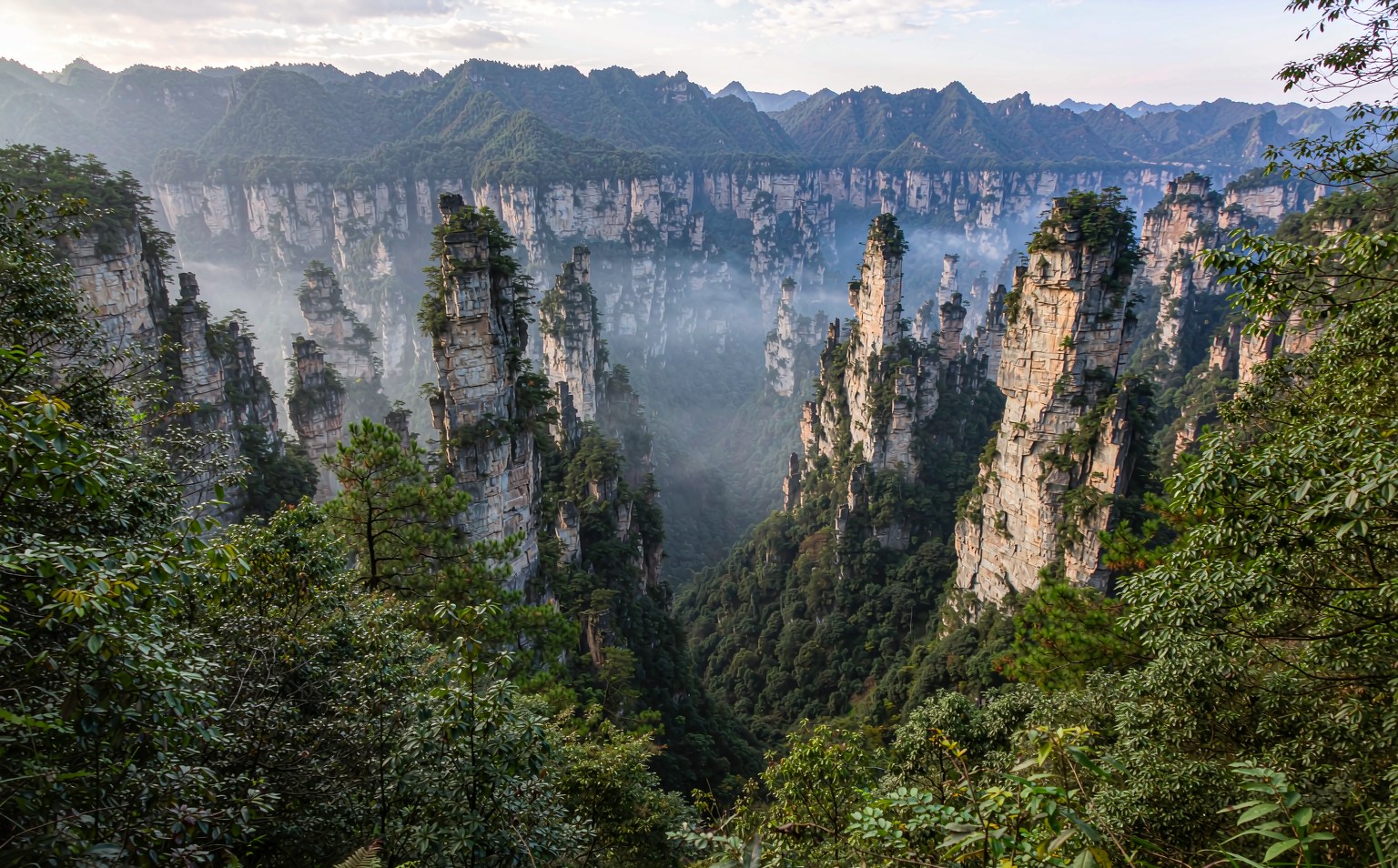
Zhangjiajie, Furong and Fenghuang in Six Days from Luoyang, Chasing the Sea of Cloud
November brings the most cloud to Zhangjiajie, and on the morning after rain the peaks show only their tops. Six days link Wulingyuan, the waterfall town of Furong and Fenghuang, with two nights in the mountains and two in the old towns.
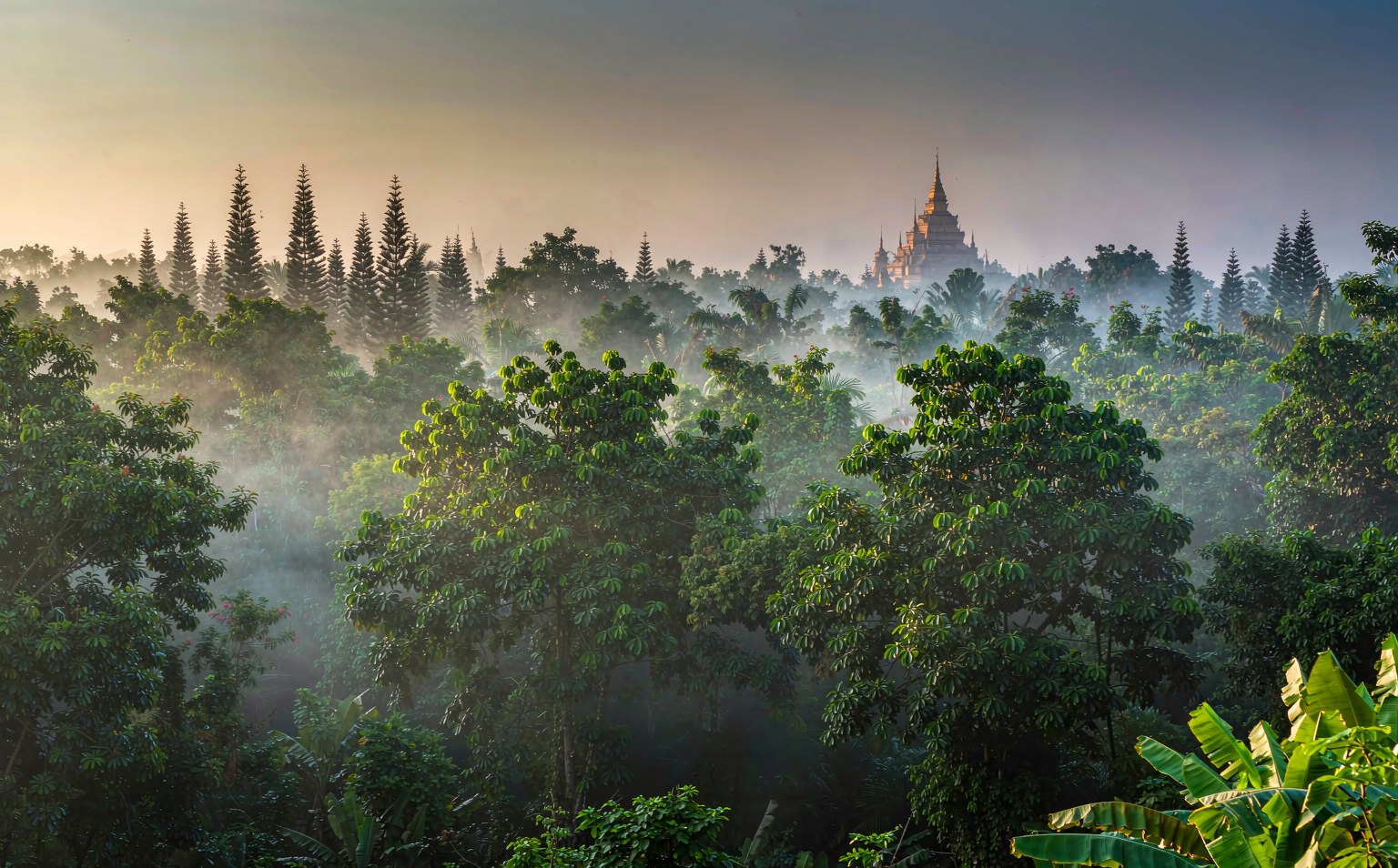
Five Days in Xishuangbanna from Luoyang, Skipping Winter
Jinghong runs to twenty five degrees in November and the night market at Gaozhuang stays open past midnight. Five days without long drives: one for the botanical garden, one for the elephants, one for the Dai villages.
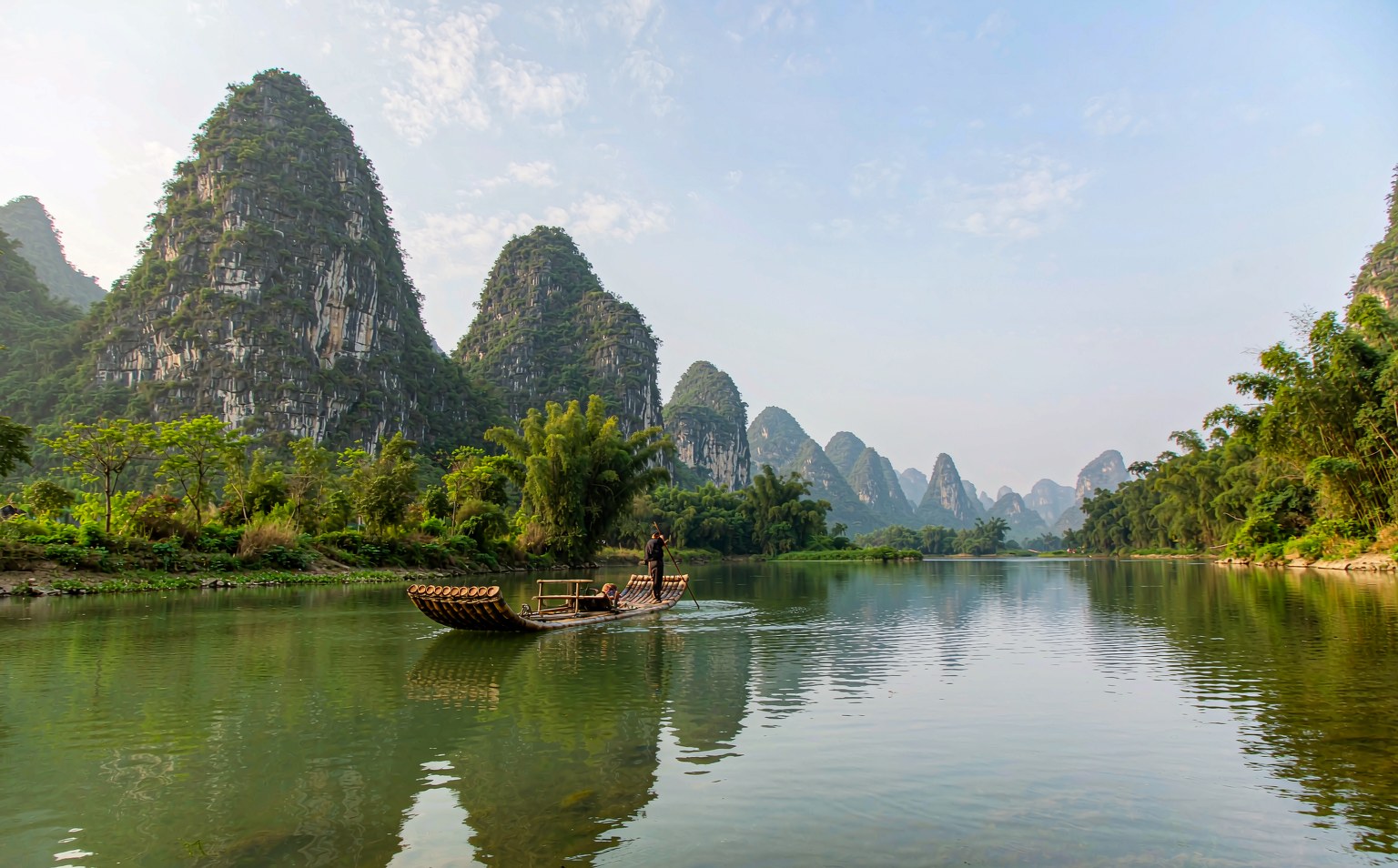
Guilin, Haiyang Ginkgo Villages and Yangshuo in Four Days from Luoyang
Late November turns the ginkgo yellow in Haiyang township, where more than a million trees stand between the houses. Four days link Guilin, the villages and Yangshuo, without the big Li River cruise.