
Luoyang Departure Beijing Forbidden City Great Wall 6 Days 5 Nights
A six-day loop with one hotel inside the Second Ring. Forbidden City tickets fall to 40 yuan on 1 November, Badaling to 35, the Temple of Heaven to 10. Fewer people, lower sun, brickwork you can actually see.
Highlights
Day 1: Luoyang to Beijing, an evening at Shichahai
The morning train leaves Luoyang Longmen a little after eight and reaches Beijing West in about four hours. Drop the bags at the hotel inside the Second Ring, then do nothing for a while. Around five, walk to Shichahai and stand on Yinding Bridge; on a clear day the Western Hills show as a thin grey line. Dinner is a small place off Yandai Xiejie, where the tripe is blanched to order.
Attraction introduction: Shichahai is three linked lakes, Qianhai, Houhai and Xihai, and it was the end point of the Yuan dynasty canal system. The Prince Gong Mansion sits on the west bank of Qianhai, and the lanes around the water have housed writers and officials for centuries.
Tips: Guests generally find the first day is where people overdo it and then pay for it the next morning. In practice we keep the arrival afternoon empty and walk only one loop of Houhai, so anyone tired can turn back at any corner.
Day 2: The Forbidden City, then up Jingshan Hill
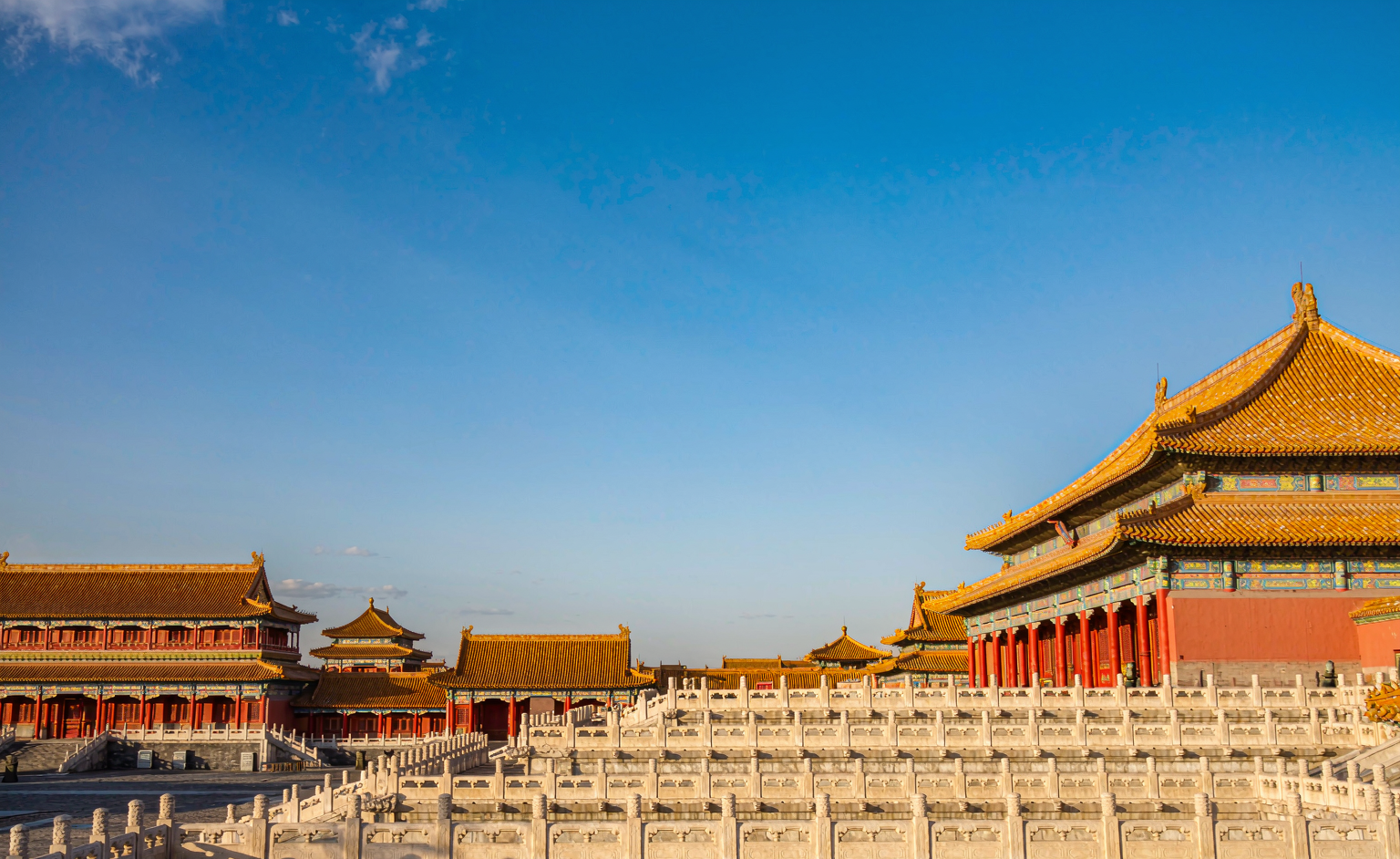
Out of the door at eight, at the Meridian Gate by half past. Follow the central axis north through the three great halls, whose terraces join into one long block of white marble. The Treasure Gallery on the east route is quiet, and the pearl-studded crown is worth the detour. Leave by the Gate of Divine Prowess at three, cross the road, and climb Jingshan in ten minutes for the whole roofscape below.
Attraction introduction: The palace was finished in 1420, though most standing halls were rebuilt under the Qing. The three main halls rest on a three-tier marble base, and the Hall of Supreme Harmony is the largest timber hall still standing in China. Jingshan is the hill dug out of the moat, and its pavilion sits exactly on the palace axis.
Tips: Guests generally find there is no way back once inside, since the route runs one way from south to north. In practice the guide carries water and we eat near the Ice Cellar rather than fighting the half past eleven crowd at the main restaurants.
Day 3: Badaling Great Wall, then down into Dingling
Leave at half past six, take the expressway, and reach Badaling before eight. Ride the cable car up the north line and walk from Tower Eight toward Tower Twelve, where the steps are steep and the parapet is your friend. Down by eleven for a bowl of noodles, then drive to Changping and enter Dingling, passing one stone gate after another until the rear hall and its coffin.
Attraction introduction: Badaling guards the north mouth of the Guan Pass and was the forward post of Juyong Pass. Its wall follows the ridge, with watchtowers spaced by bow range. Dingling is the tomb of the Wanli Emperor, excavated in 1956, with a five-chamber underground palace; the nanmu coffin on display is a copy.
Tips: Guests generally find the descent is harder than the climb, because the knees give out after the steep section. In practice the cable car is included for the way up and the return uses the gentler south line, so anyone with old knee trouble can simply ride down.
Day 4: Summer Palace by boat, Yuanmingyuan in the afternoon
Enter by the East Palace Gate at half past eight, look into the Hall of Benevolence, then follow the Long Corridor west and read the painted beams one bay at a time. Turn back at the Marble Boat and cross Kunming Lake by boat, so the hill and its pagoda rise behind the pines. Out by two, cross the road into Yuanmingyuan and see only the Western Mansions and the fountain ruins.
Attraction introduction: The Summer Palace began as the Garden of Clear Ripples, built for a birthday in the Qianlong years, burned in 1860 and rebuilt under Guangxu. The corridor runs more than seven hundred metres. The Western Mansions of Yuanmingyuan were designed with Jesuit advice, and only broken stone columns remain at the fountain basin.
Tips: Guests generally find this is the day that turns into a marathon, since the East Gate to the Marble Boat is two kilometres one way. In practice the boat crossing removes half the walking, and Yuanmingyuan is limited to the ruins line so the afternoon stays short.
Day 5: Temple of Heaven at dawn, Qianmen for lunch, Prince Gong
In by the east gate at half past seven, where the corridor belongs to locals doing diabolo, opera and taiji rather than to tour groups. Step back from the Hall of Prayer for Good Harvests to see the three round roofs at once. Lunch on Qianmen, then the Prince Gong Mansion in the afternoon, its western gate and its timber opera house with wisteria painted across the ceiling.
Attraction introduction: The Temple of Heaven was built in 1420 for imperial sacrifices, and the round hall is put together with joinery alone, without a single nail. The Echo Wall curves around the Imperial Vault. The Prince Gong Mansion is the largest princely residence of the Qing, and its garden is known as Cuijin.
Tips: Guests generally find the park ticket and the hall ticket are separate, and people queue twice because of it. In practice we buy the combined ticket at the gate, and lunch moves two lanes into Xianyukou where prices are ordinary.
Day 6: Incense at Yonghegong, afternoon train home
Leave the bags at the front desk and walk to Yonghegong, where three sticks of incense are handed out at the gate. Do not bow at every image; walk slowly to the Pavilion of Ten Thousand Happinesses and look up at the sandalwood Maitreya. The Guozijian street next door is worth a turn, its hall ringed by water. Collect the bags at eleven and take the afternoon train.
Attraction introduction: Yonghegong was the residence of the Yongzheng Emperor before he took the throne and became a lama temple under Qianlong, the largest Tibetan Buddhist temple in Beijing. Its Maitreya is carved from one white sandalwood trunk, eighteen metres above the floor. Guozijian was the highest academy of three dynasties.
Tips: Guests generally find the last morning is where time disappears, because the temple reads as a small stop and then takes two hours. In practice we allow two and a half hours and leave by eleven, with luggage kept at the hotel rather than dragged along.
Related Tours
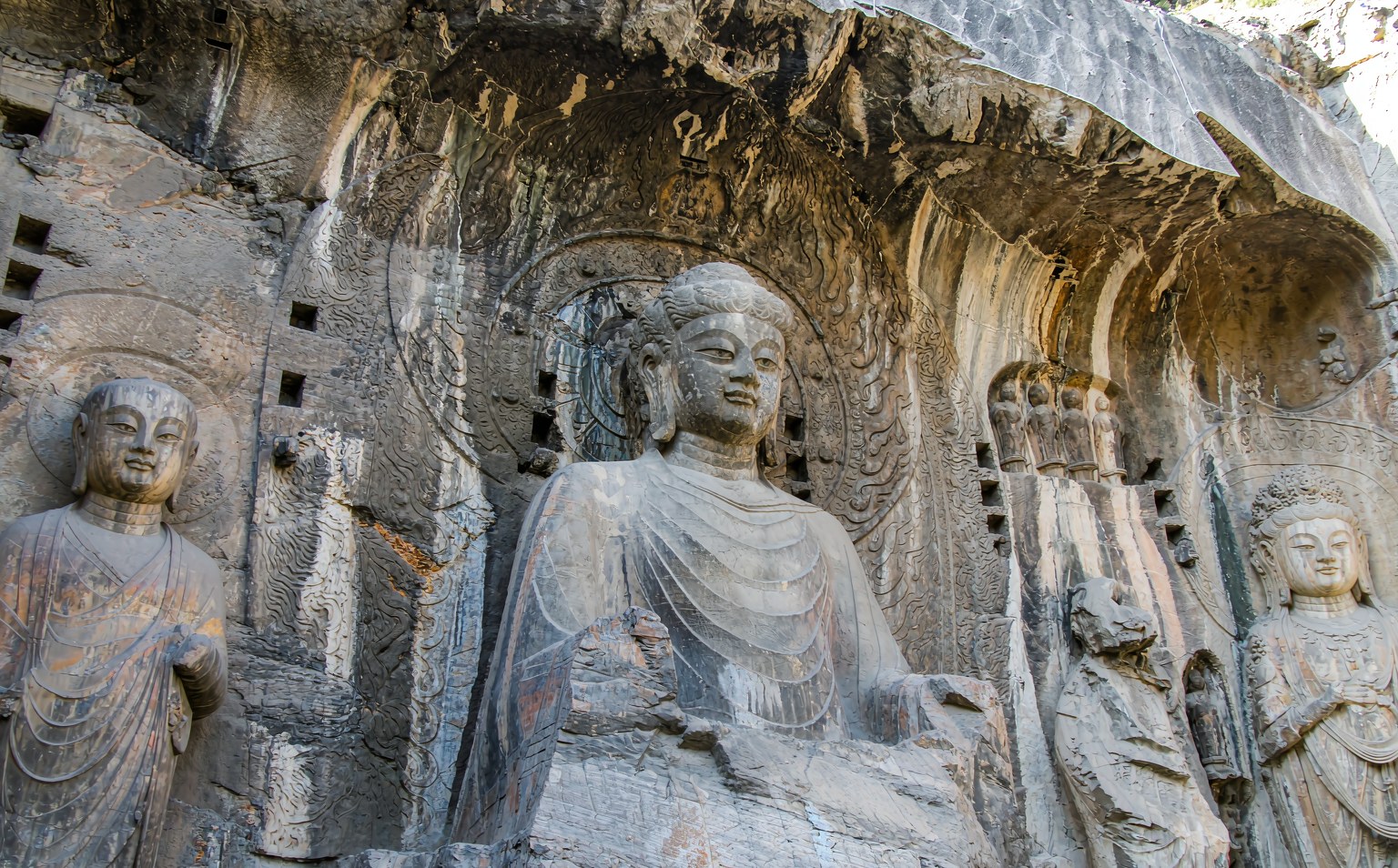
Luoyang Departure: Longmen Grottoes, White Horse Temple and the Han-Wei City, 4 Days
Four days without leaving the city: carved stone at Longmen, the first Buddhist temple at Baima, and six hundred years of capital pressed into the earth at the Han-Wei site. From November Longmen closes its gate at five.
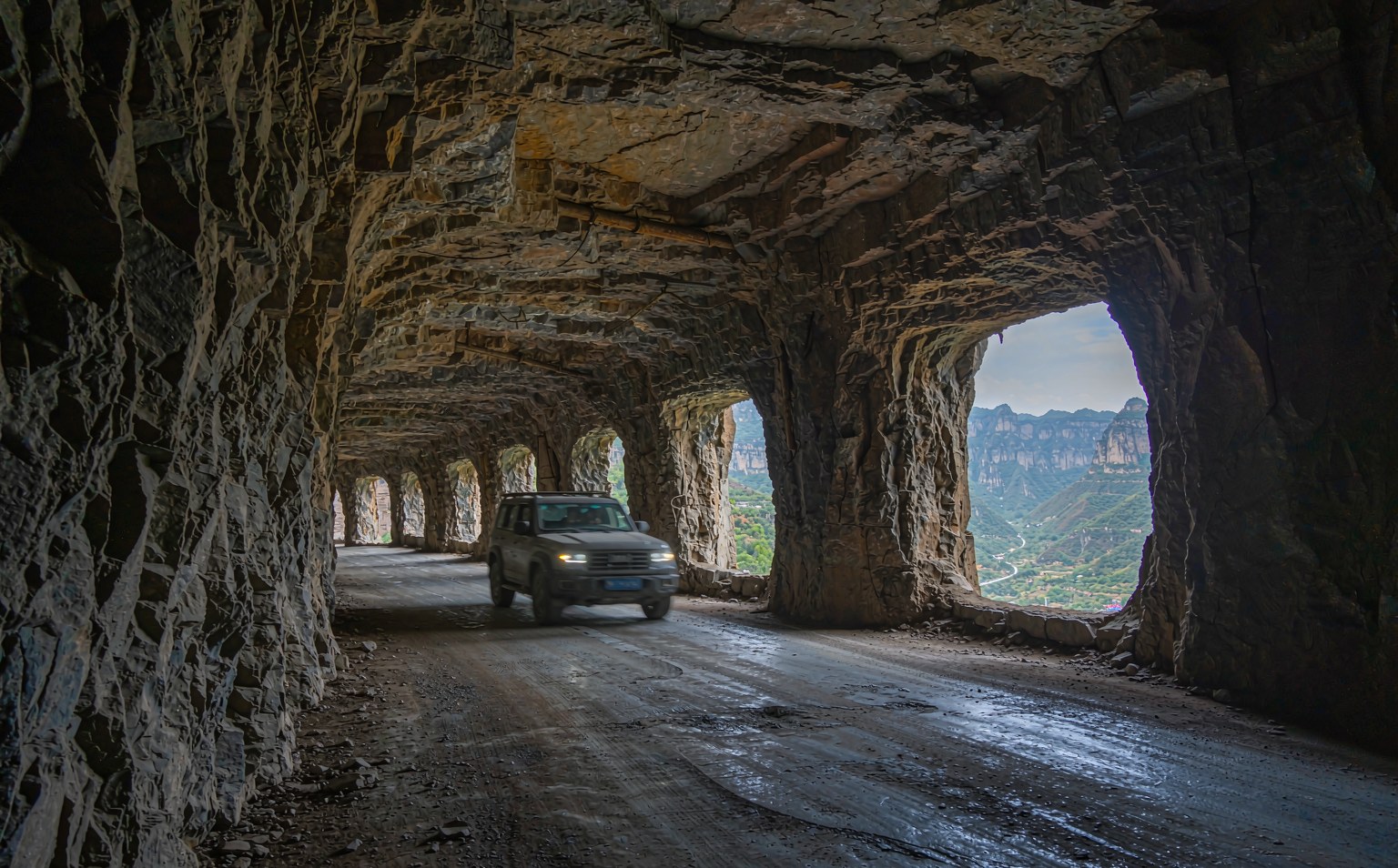
Luoyang Departure: Wanxian Mountain, Guoliang Village, Nanping and Luojiezhai, 3 Days
Three days living on the Taihang cliffs: the 1,250-metre tunnel road at Guoliang first, then the streams of Nanping, and finally the stone houses of Luojiezhai. By November the leaves are down and the rock face shows itself.
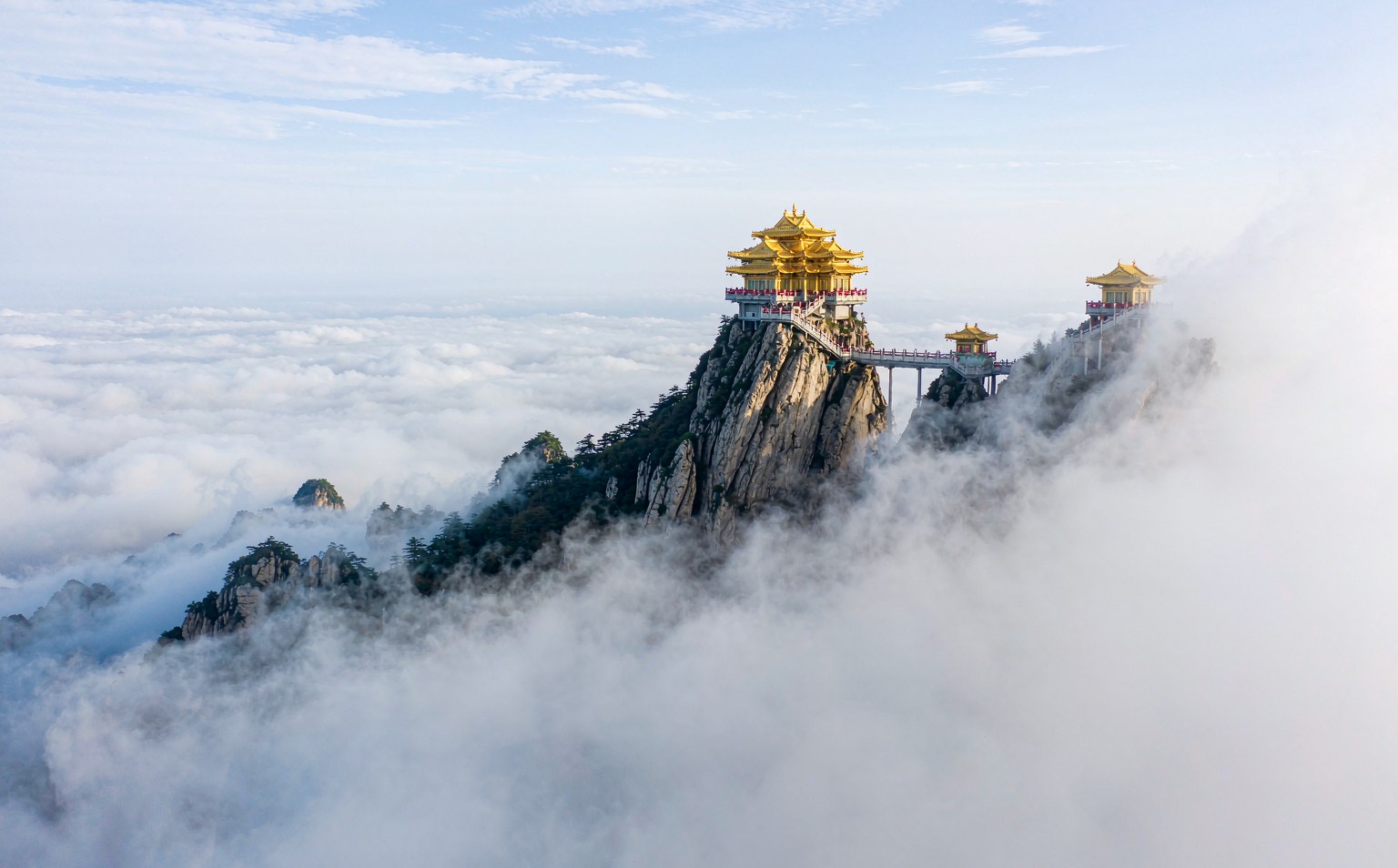
Luoyang Departure: Laojun Mountain, Jiguan Cave and Tianhe Grand Canyon, 5 Days
Down into a cave first, then up a mountain, then along a gorge: 1,800 metres inside Jiguan, a night on the summit waiting for the lamps and the sunrise, and a canyon so empty in low season that only water makes noise.
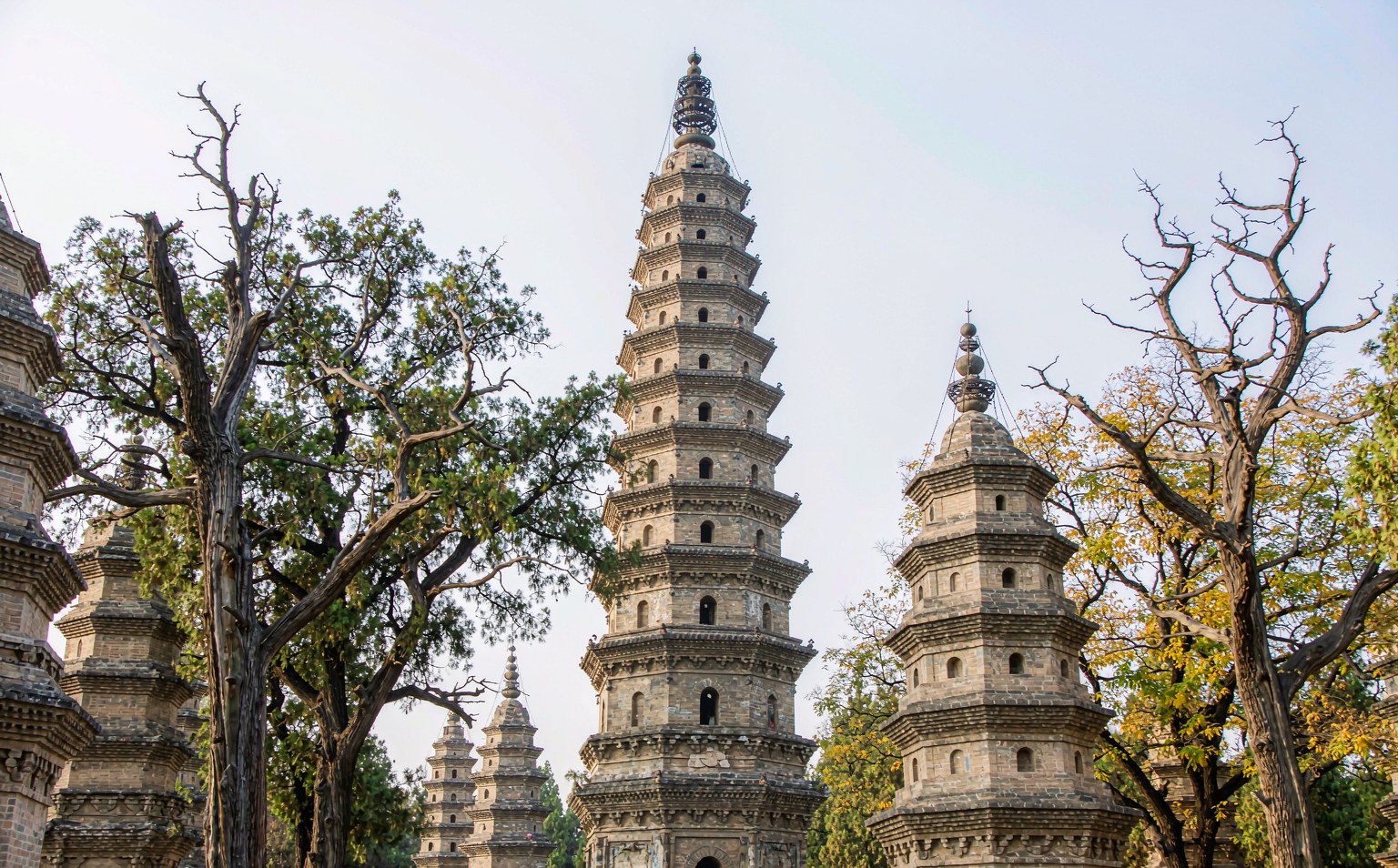
Luoyang Departure: Shaolin Temple, Sanhuangzhai, Songyang Academy and the Observatory, 4 Days
Four days moving between the two flanks of Mount Song: two-thousand-year-old cypresses at the academy, the pagoda forest at Shaolin, a cliff boardwalk at Sanhuangzhai, and a Yuan dynasty observatory at the end. Lodging stays in the county town, half an hour from everything.