
Luoyang Departure: Wanxian Mountain, Guoliang Village, Nanping and Luojiezhai, 3 Days
Three days living on the Taihang cliffs: the 1,250-metre tunnel road at Guoliang first, then the streams of Nanping, and finally the stone houses of Luojiezhai. By November the leaves are down and the rock face shows itself.
Highlights
Day 1: Luoyang to Guoliang, along the cliff road
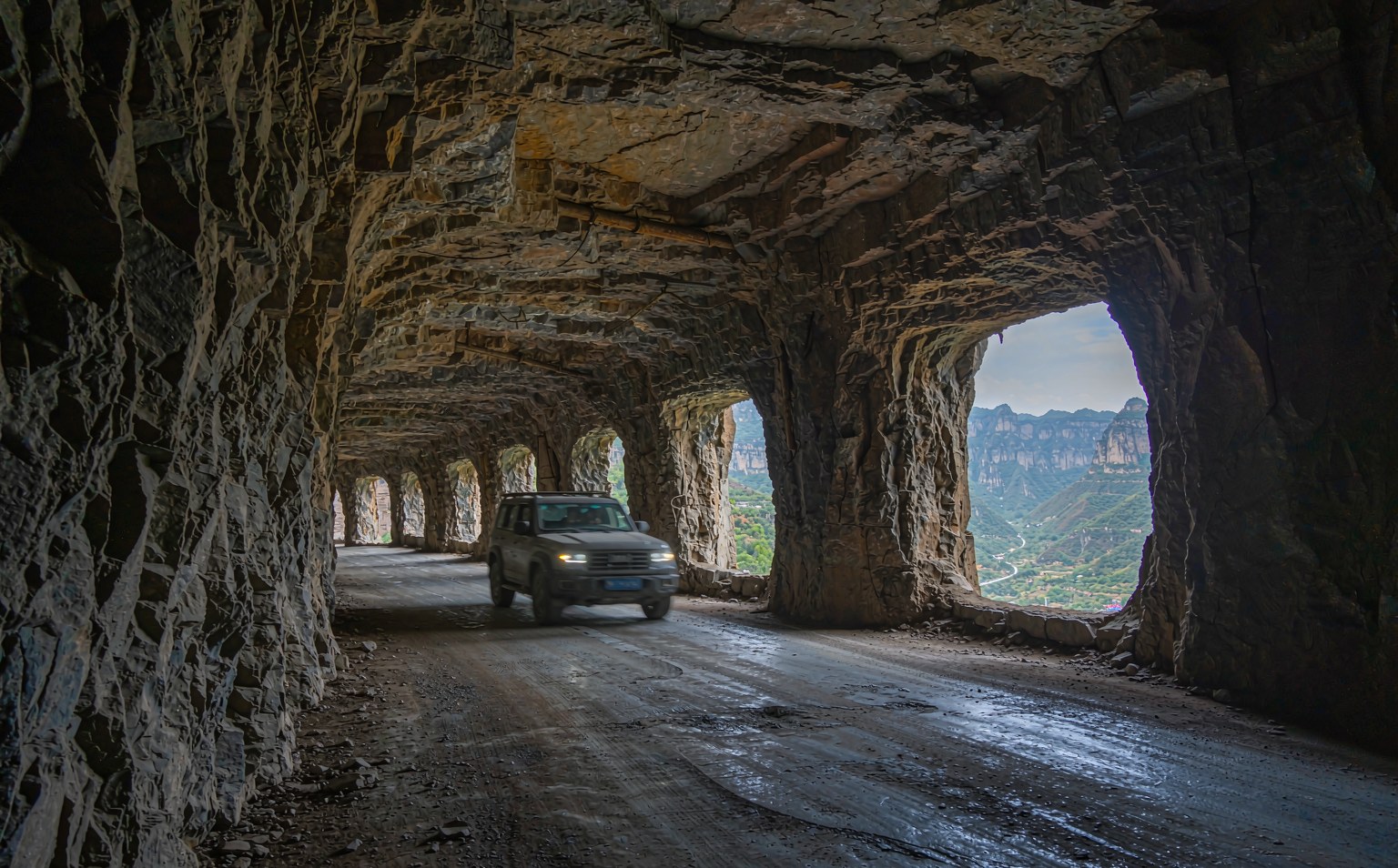
We leave at seven, take the expressway and then a provincial road, and reach Nanzhai town in three and a half hours. After lunch the shuttle climbs into the mountains, the road narrowing until it disappears into a tunnel. This is the cliff road: 1,250 metres long, with thirty-five openings cut along one side, so that every window brings a slab of daylight and then darkness again. Beyond the openings the drop runs several hundred metres, and anyone by the window finds a hand on the rail. The village itself is stone underfoot and stone overhead.
Attraction introduction: Guoliang sits on top of a Taihang cliff at roughly a thousand metres. In 1972 thirteen villagers began cutting a tunnel with hammers and steel chisels, and five years later, in 1977, the road opened: 1,250 metres long with thirty-five windows. It is now called the corridor in the precipice and is the best-known sight of the mountain. A viewing platform at the village edge looks back along the whole road.
Tips: The mountain road is tight, so take motion-sickness tablets early and sit at the front. Guests generally find the cliff road must be driven in daylight, since the windows only read as light; after dusk it is a dark hole. In practice an afternoon arrival is ideal because the sun is low and the light comes in sideways.
Day 2: The cliff at dawn, then across to Nanping
Up at half past six and out to the platform east of the village. The far wall is grey in first light, with the cliff road drawn across it like a seam. As the sun clears the ridge the rock turns red by degrees while mist still sits in the gorge. Back for breakfast we look at the old stone houses, where the hammers and chisels of that year still hang on a wall. At ten we pack and drop down to Nanping, twenty minutes away, where the Danfen valley follows its stream, the stones polished bright and the water never out of earshot.
Attraction introduction: Guoliang houses are built of red sandstone blocks with slabs of stone for roofs, the standard method of the Taihang hills; tools and photographs from the road-building years are kept in the village. Nanping lies on the southern slope of Wanxian Mountain and is known for water: Danfen is a narrow valley with a stream that runs all year, and Heilong pool lies deep inside it, its water dark.
Tips: The platform is twenty minutes of dirt track outside the village, windy around dawn, so carry an extra layer. Guests generally find Nanping better for slow walking than Guoliang: fewer people, and the water drowns out conversation. In practice we take the valley in the afternoon, turn back halfway, and are indoors before dark rather than walking mountain roads at night.
Day 3: Luojiezhai, then back to Luoyang
After breakfast we drive up toward Luojiezhai, the last stretch unpaved. The village hangs on a ridge, a few dozen households of stone walls and stone tiles, corn spread out to dry in the yards and strings of red chilli under the eaves. An old locust tree at the entrance shades a few stone benches. To the west the ridges stack toward Shizi Ling. We wander for half an hour and stop to talk with an old woman shelling corn. Lunch is back down in Nanzhai town, and we leave for Luoyang at two.
Attraction introduction: Luojiezhai is the innermost section of Wanxian Mountain at nearly a thousand metres, named for a woman surnamed Luo who is said to have camped here. Whole rows of stone houses survive, most now run as farm guesthouses. The view opens toward Shizi Ling and the inner Taihang ridges, which makes it a sunset spot, though the road is narrow and night driving is unwise.
Tips: The road here is the roughest of the three sections, so leave the low-chassis car behind and take the shuttle or a hired vehicle. Guests generally find this the least commercialised and quietest village of the three. In practice we keep the last day to this one place, come down at noon, and allow the full three and a half hours for the return.
Related Tours
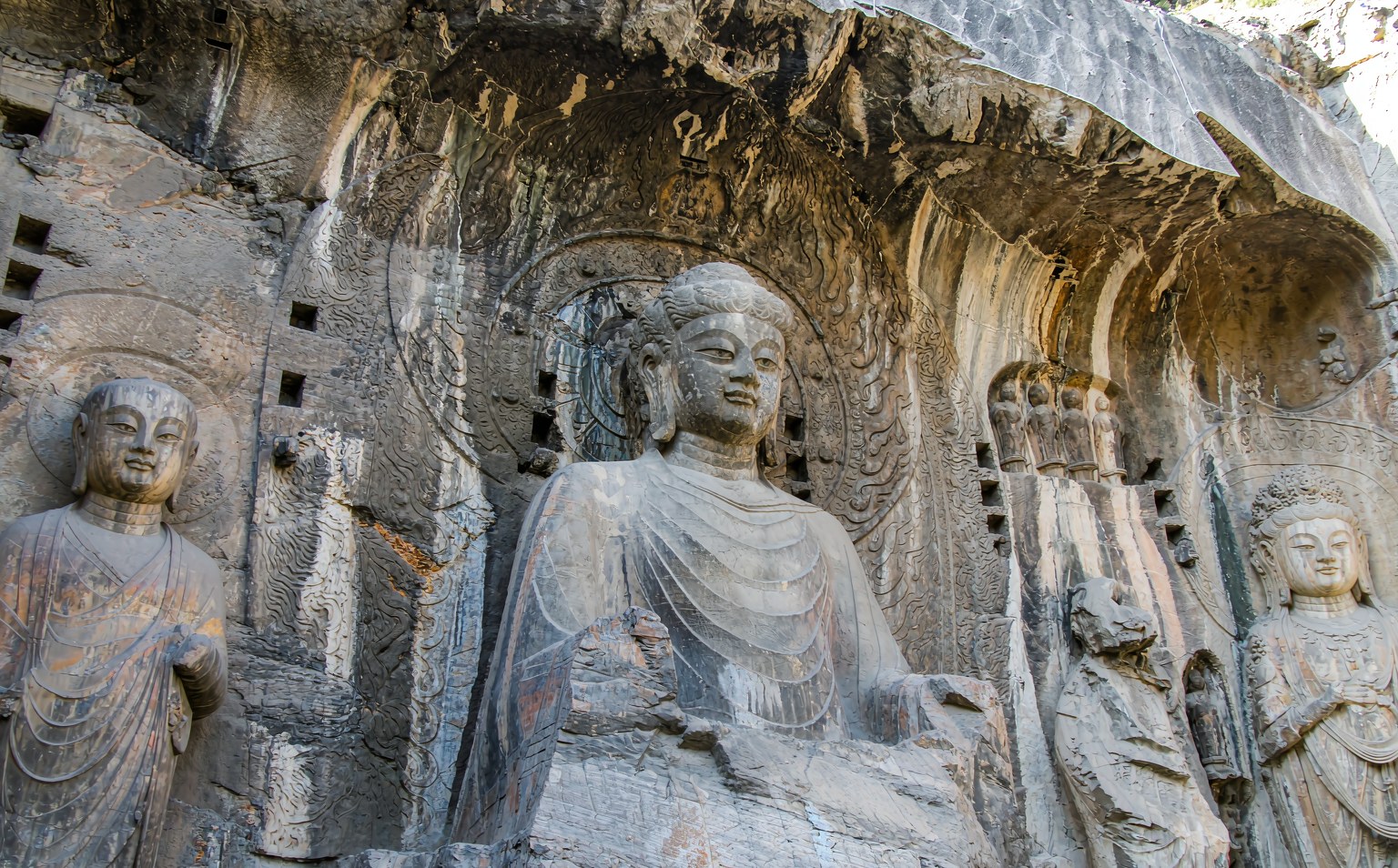
Luoyang Departure: Longmen Grottoes, White Horse Temple and the Han-Wei City, 4 Days
Four days without leaving the city: carved stone at Longmen, the first Buddhist temple at Baima, and six hundred years of capital pressed into the earth at the Han-Wei site. From November Longmen closes its gate at five.
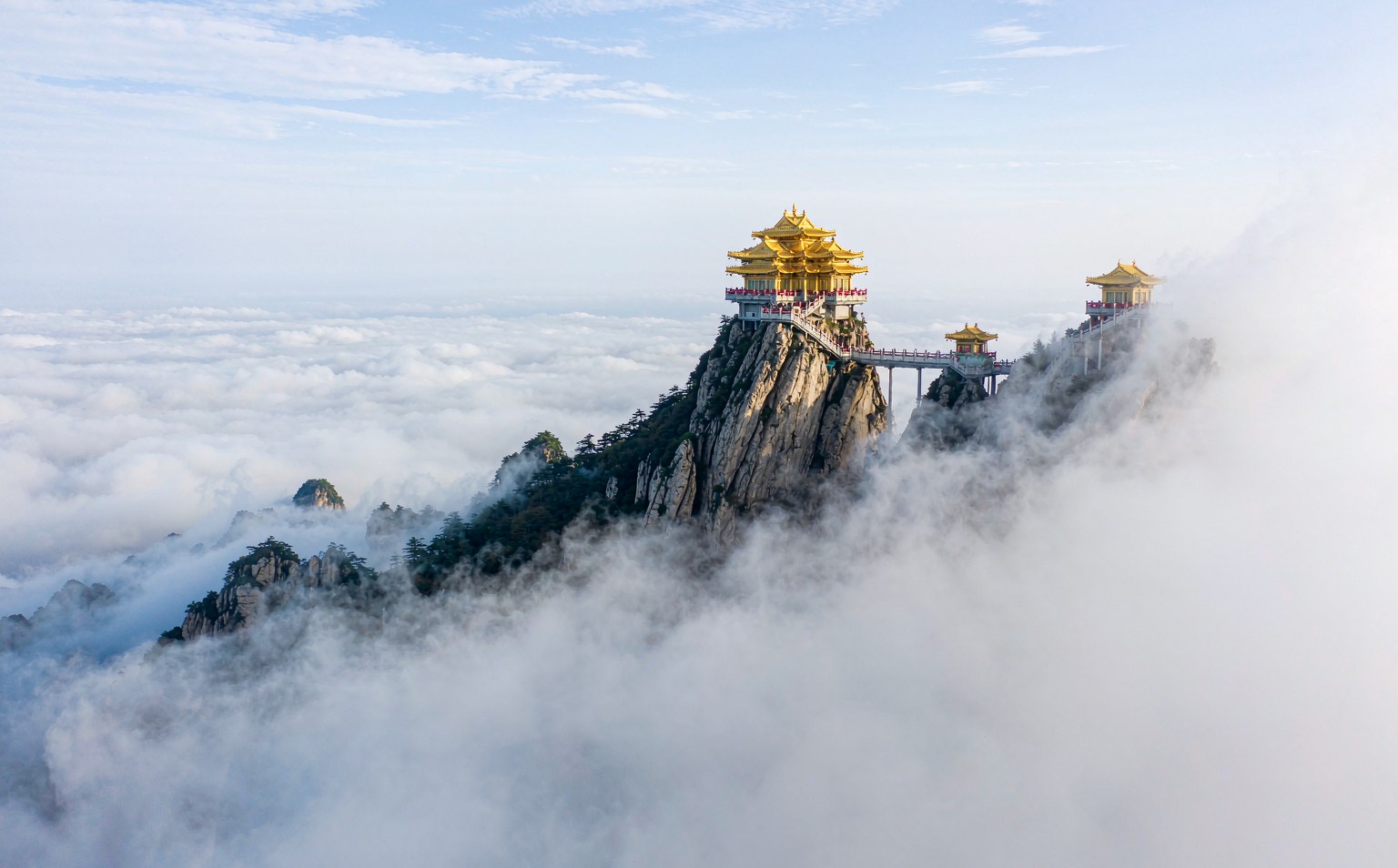
Luoyang Departure: Laojun Mountain, Jiguan Cave and Tianhe Grand Canyon, 5 Days
Down into a cave first, then up a mountain, then along a gorge: 1,800 metres inside Jiguan, a night on the summit waiting for the lamps and the sunrise, and a canyon so empty in low season that only water makes noise.
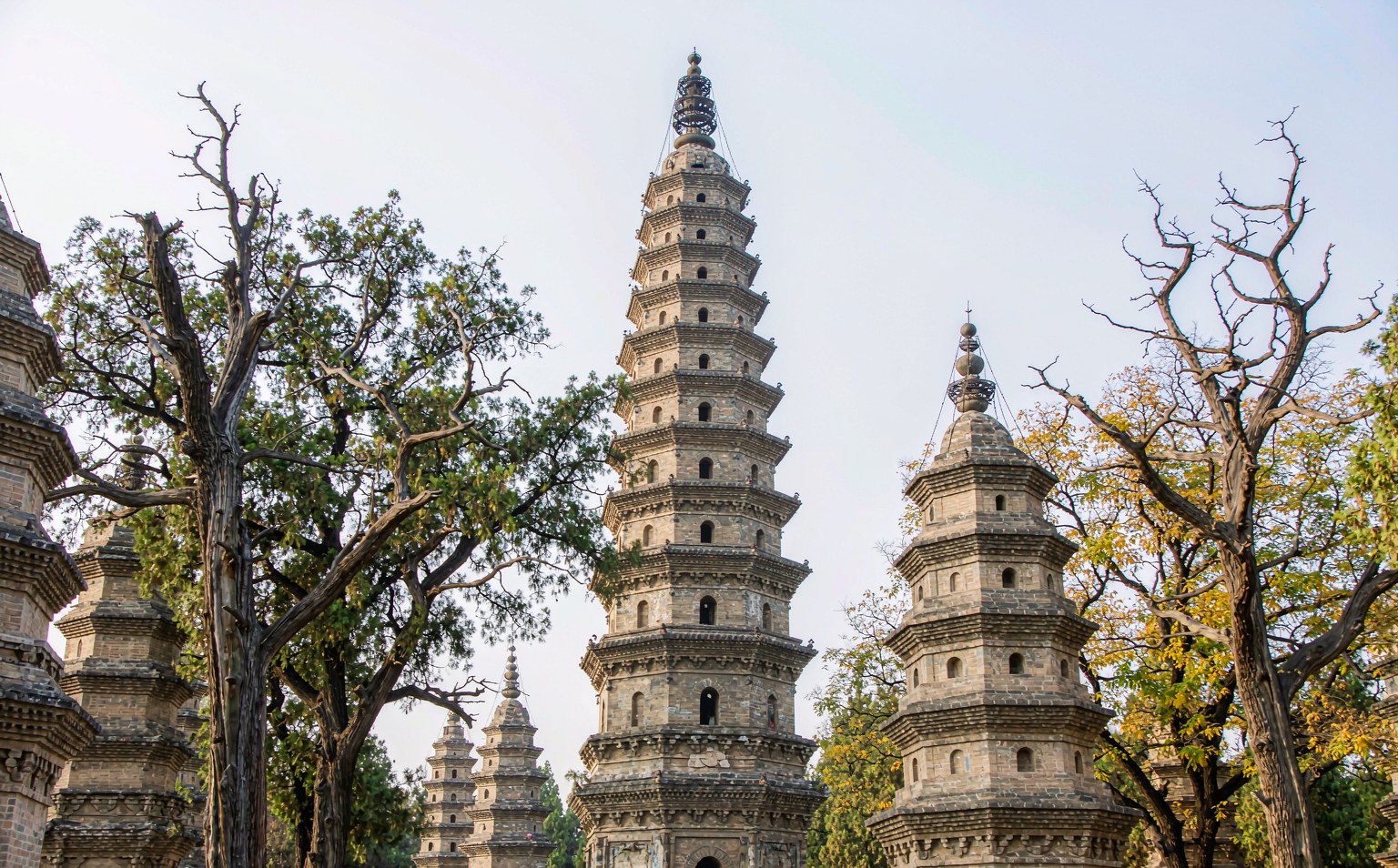
Luoyang Departure: Shaolin Temple, Sanhuangzhai, Songyang Academy and the Observatory, 4 Days
Four days moving between the two flanks of Mount Song: two-thousand-year-old cypresses at the academy, the pagoda forest at Shaolin, a cliff boardwalk at Sanhuangzhai, and a Yuan dynasty observatory at the end. Lodging stays in the county town, half an hour from everything.
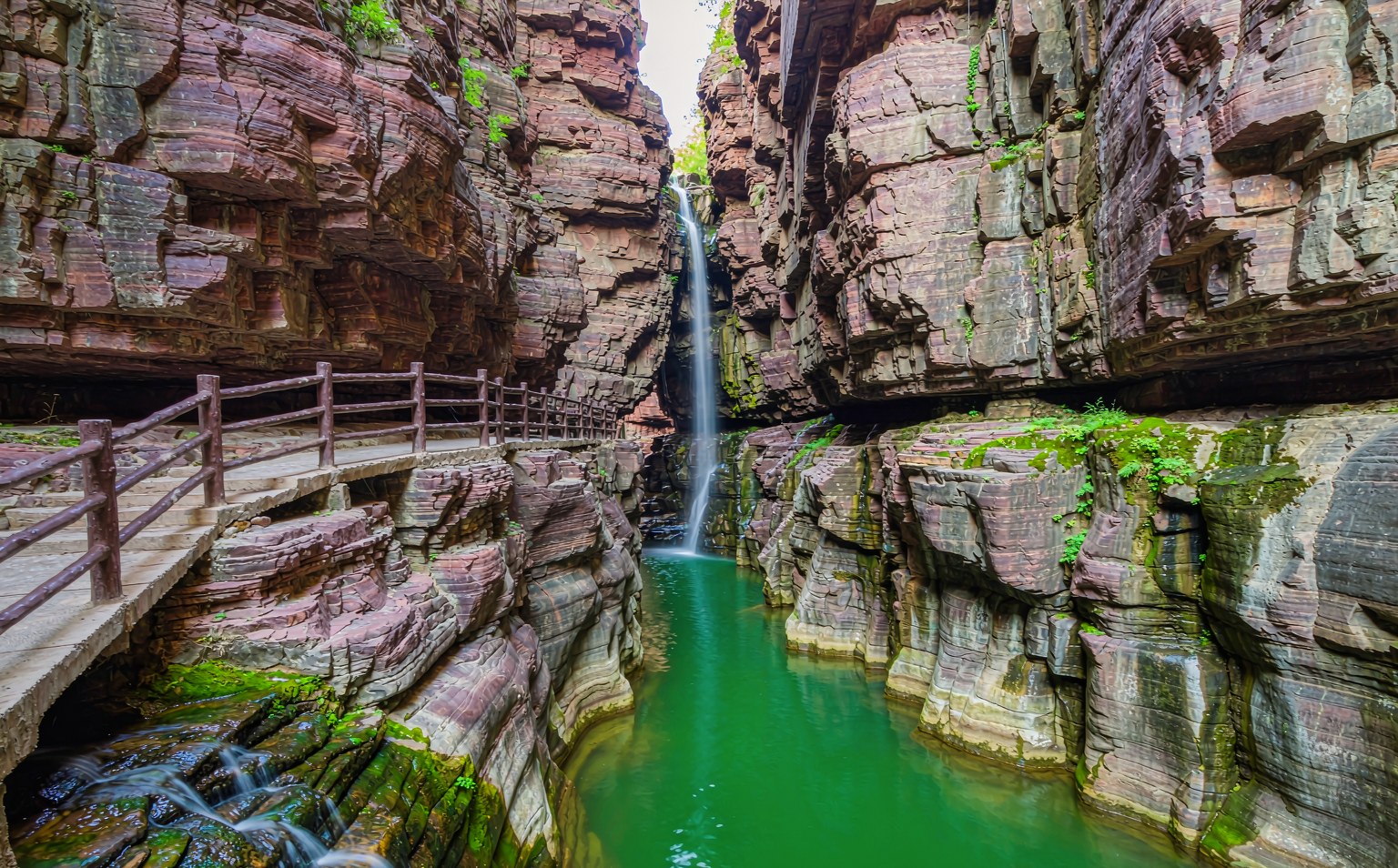
Luoyang Departure: Yuntai Mountain, Fenglin Gorge, Qinglong Gorge and Chenjiagou, 5 Days
Five days across the canyons north of Jiaozuo: red rock at Yuntai Mountain, a boat through the drowned gorge at Fenglin, a descent to the river bed at Qinglong, and two opening moves of taiji at Chenjiagou. Late November is the last fortnight of peak season.