
Luoyang Departure Guilin Li River Yangshuo Longji 7 Days 6 Nights
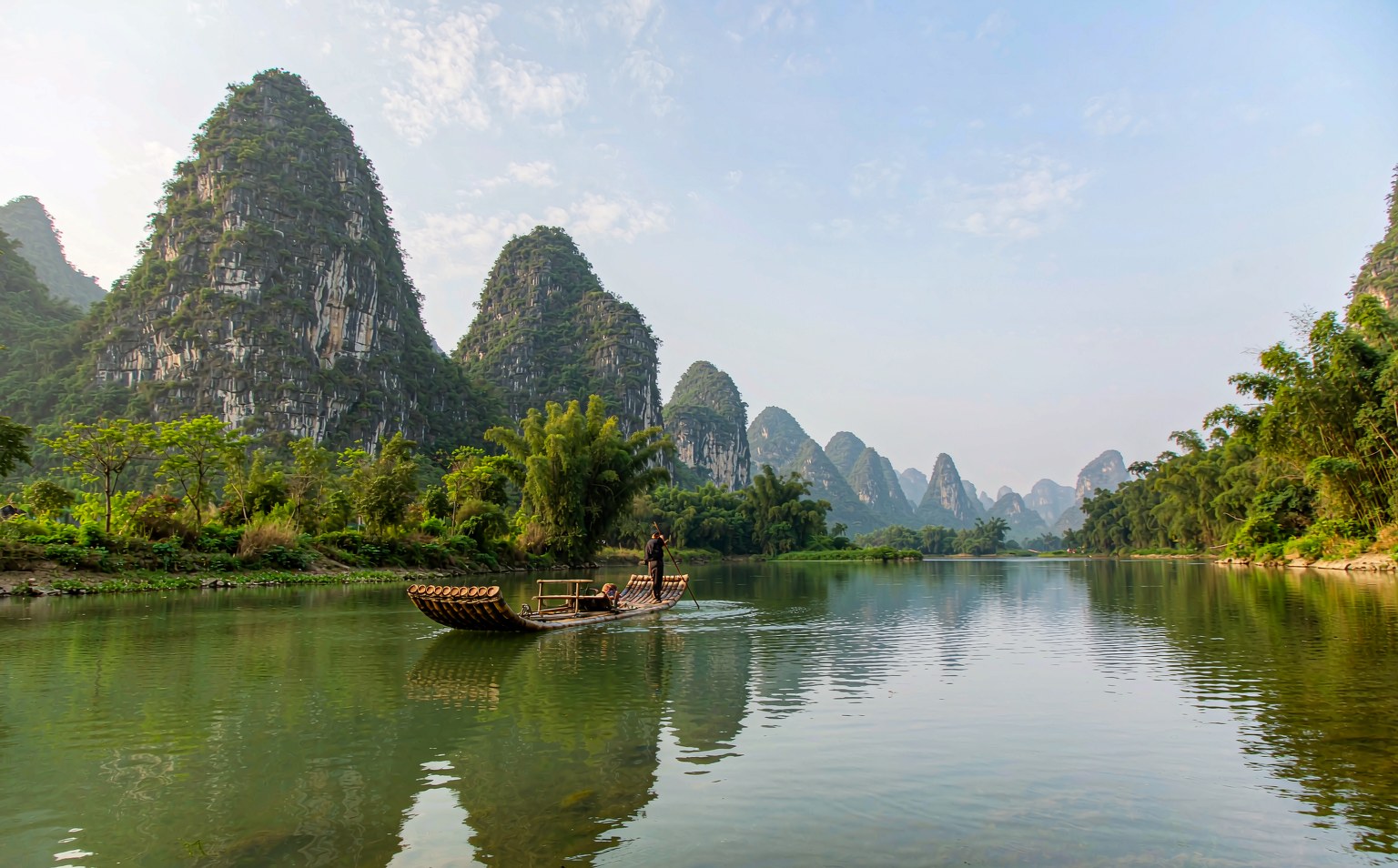
Seven slow days with two nights in Yangshuo and one on the terraces. In November the Li River drops and flattens, so the bamboo raft glides over stones you can see. One place a day, no rushing.
Highlights
Day 1: Luoyang to Guilin by rail, evening in the old lanes
The seven o clock train from Luoyang Longmen, one change at Zhengzhou East, and Guilin North by five. The hotel sits downtown, so the bags go down and the walking starts. Dongxi Xiang at night has lamps on grey brick and a stretch of Ming city wall at the far end. Find a rice noodle shop and order the dry version, with pickled bamboo and fried soybeans added at the table.
Attraction introduction: Guilin sits on the twenty-fifth parallel, with limestone towers running from the city all the way to Yangshuo. Dongxi Xiang is the lane quarter of the old town, its paving laid over an old drainage channel, and the wall of the Ming princely palace still stands beside it.
Tips: Guests generally find the evening boat tour is the easiest thing to be sold on arrival, and the same view is free from the bank. In practice the first night stays on foot, with the cruise left as an optional extra rather than a fixed item.
Day 2: Elephant Trunk Hill, then Duxiu Peak
At half past eight enter Elephant Trunk Hill and walk round to the water before the shape resolves: the hill drops its trunk into the river and the arch is the gap between. Morning light from the east gives the roundest reflection. Lunch is horse meat noodles, then the old princely city in the afternoon, climbing more than three hundred steps up Duxiu Peak for the whole forest of summits.
Attraction introduction: The hill is only two hundred metres high, its arch about ten metres tall, dissolved out of limestone where the Li and Taohua rivers meet. Duxiu Peak stands alone on the flat ground inside the palace walls, recorded since the Southern Dynasties, with a giant character cut into its cliff eight centuries ago.
Tips: Guests generally find the opposite bank gives the complete picture, not the viewing platform. In practice we book the first slot of the day, then cross the road for the second shot, and anyone with weak knees stays below the peak reading the inscriptions.
Day 3: Four-star boat down the Li River to Yangshuo
At the Zhuqiang pier by half past seven, away at half past eight. The boat enters the towers within minutes, one after another with the water turning between them. The painted cliff section draws everyone to the deck, though the stern stays quiet. Lunch is a box on board, and by early afternoon the boat ties up at the top of West Street.
Attraction introduction: The Li rises on Mount Maoer and runs eighty-three kilometres to Yangshuo between limestone towers, the tallest known as Xianren. Nine Horses cliff is a water-cut face whose streaks read as horses, and local saying holds that whoever finds all nine is lucky.
Tips: Guests generally find the four-star and three-star boats travel the same water, and the deck space fills within half an hour of departure. In practice we book four-star but board early to hold the stern rail, and a windproof jacket matters in November.
Day 4: Bamboo raft on the Yulong, bicycles in the afternoon
At eight, board at Jinlong Bridge on a raft of lashed bamboo, poled from the stern. The water is shallow enough for the pole to touch bottom, and at each weir the bow lifts and your trousers get wet. An hour of paddy and bamboo with nothing but water sound. After lunch, bicycles south along the Ten Mile Gallery to Moon Hill.
Attraction introduction: The Yulong is a tributary of the Li, slow and rarely deeper than two metres, its bed of rounded stones. Rafts are lifted over the weirs by hand. The Ten Mile Gallery is the road from Yangshuo to Moon Hill, whose summit carries a punched-through arch.
Tips: Guests generally find the Jinlong Bridge to Jiuxian stretch is the good half, and it flattens further downstream. In practice we pole only that forty-minute section and cycle the rest, and no tip is expected beyond the fare.
Day 5: Xingping old town and the view on the twenty-yuan note
A forty-minute drive from Yangshuo brings Xingping, one paved street worn shiny, cured meat hanging under the eaves. At three, start up Laozhai Hill, more than a thousand stone steps in about twenty minutes, and the Li bends below with a sandbar in the middle: the exact frame printed on the twenty-yuan note.
Attraction introduction: Xingping was a river port with a county seat in the Three Kingdoms period, and its shopfronts are still Ming and Qing. Laozhai Hill rises three hundred metres behind the town with a small pavilion on top, and the bend below matches the banknote view point for point.
Tips: Guests generally find the steps have no railing and are slick in rain, and sandals are a mistake here. In practice the climb is set before four so the descent finishes in daylight, and anyone waiting by the river still gets the view.
Day 6: Up to Longji and the Jinkeng terraces
Leave Xingping at half past seven, back through Guilin and north, reaching Longsheng by eleven. A park bus winds up to Jinkeng Dazhai, so take motion sickness pills early. Lunch is rice steamed in bamboo with cured pork. The afternoon climbs a thousand stone steps to the second viewing platform in ninety minutes; the rice is already cut, and the terrace lines read more clearly than in season.
Attraction introduction: The Longji terraces climb from three hundred to eleven hundred metres, cut by Zhuang and Yao farmers from the Yuan dynasty on. On the steepest ground twenty small plots fit inside one mu. Jinkeng Dazhai is a Yao village, where Red Yao women wear their hair coiled on top.
Tips: Guests generally find the step count is what surprises people, since the platform looks close and takes an hour and a half. In practice we ride the cable car to the Golden Buddha Peak and walk down, leaving the main luggage at the foot of the mountain.
Day 7: Sunrise on the terraces, then the afternoon train
Up at half past six, ten minutes to the platform. The sun comes over the eastern ridge and lights the top terraces first, then pours down tier by tier. Breakfast at eight, down the mountain by nine, in Guilin by eleven for one last bowl of noodles, and the early afternoon train with a change at Zhengzhou East.
Attraction introduction: The terraces follow the contour, fed by forest at the summit through bamboo pipes and channels. Yao houses are timber stilts, animals below and people above, and from the ridge the plots ring the slope like contour lines.
Tips: Guests generally find the last morning is where the schedule slips, since group buses leave the mountain at the same hour and jam the road. In practice we start down at ten to seven and are on the highway before nine, with tickets booked for after two.
Related Tours
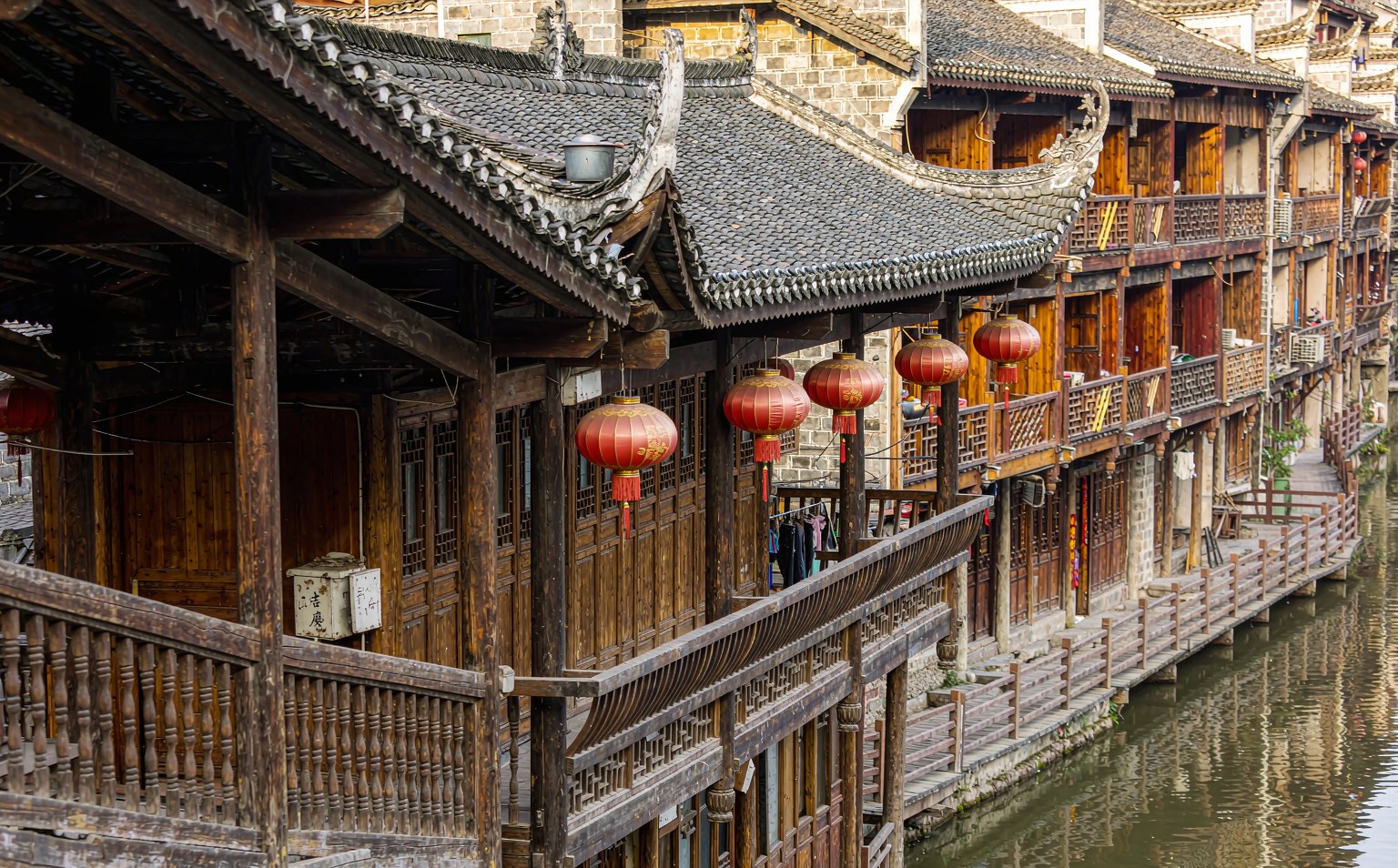
Fenghuang, Furong and Aizhai in Six Days from Luoyang
Fenghuang is only itself after the lamps come on, the waterfall at Furong runs through the middle of the town, and the bridge at Aizhai hangs over a gorge. Six days along one line in western Hunan, without Zhangjiajie, at an easy pace.
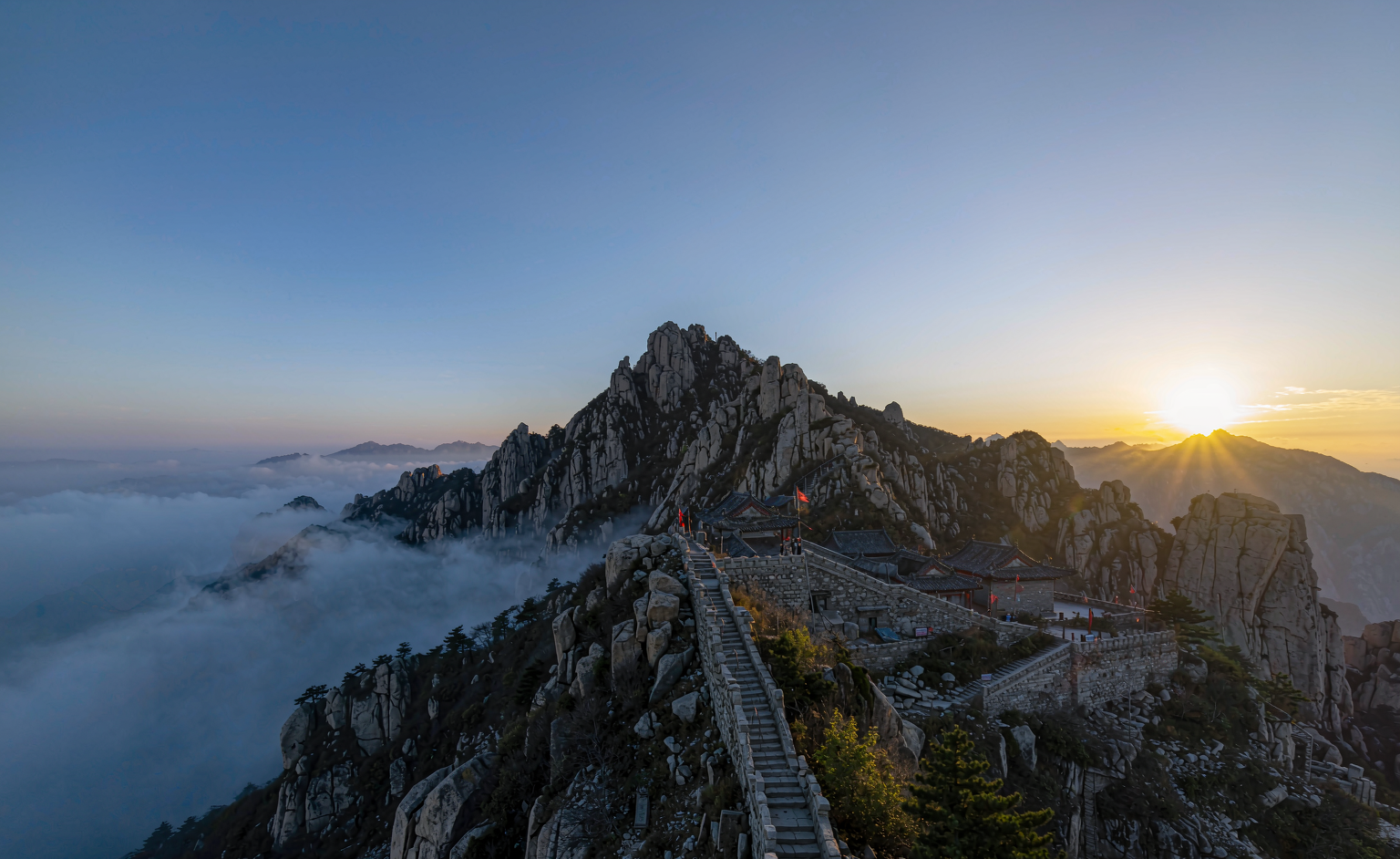
Mount Tai Sunrise, Qufu and Jinan in Six Days from Luoyang
Tai still sells peak-season tickets until the end of November, and the summit is cold without yet being frozen. Six days linking Tai, Qufu and Jinan, with a night on the mountain so the sunrise is not a midnight climb.
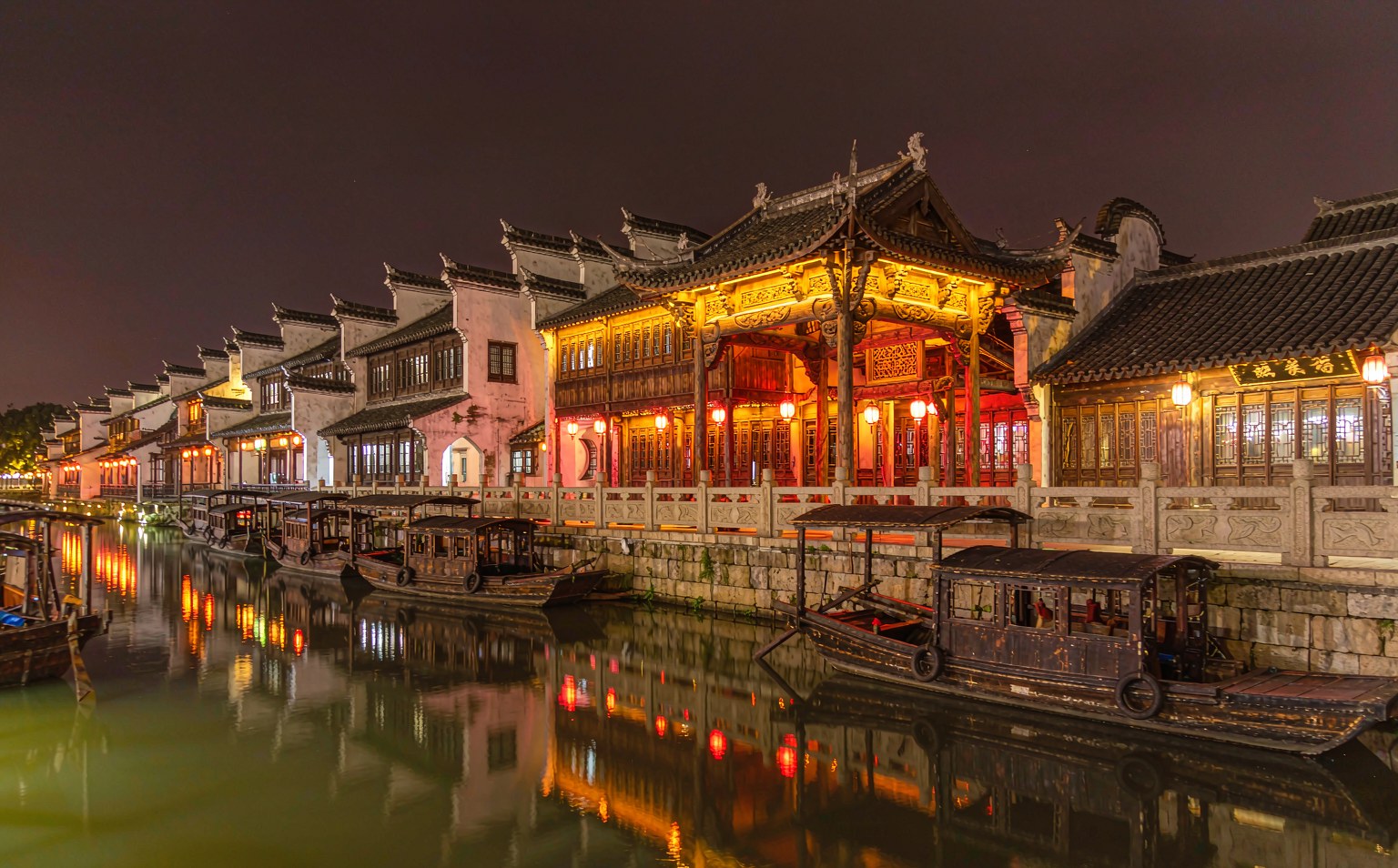
Wuzhen, Xitang, Nanxun and Hangzhou in Six Days from Luoyang
November in the lower Yangtze is damp, the canals fog over before breakfast and everything changes once the lanterns are lit. Three water towns, a night in each, and a final full morning on West Lake.
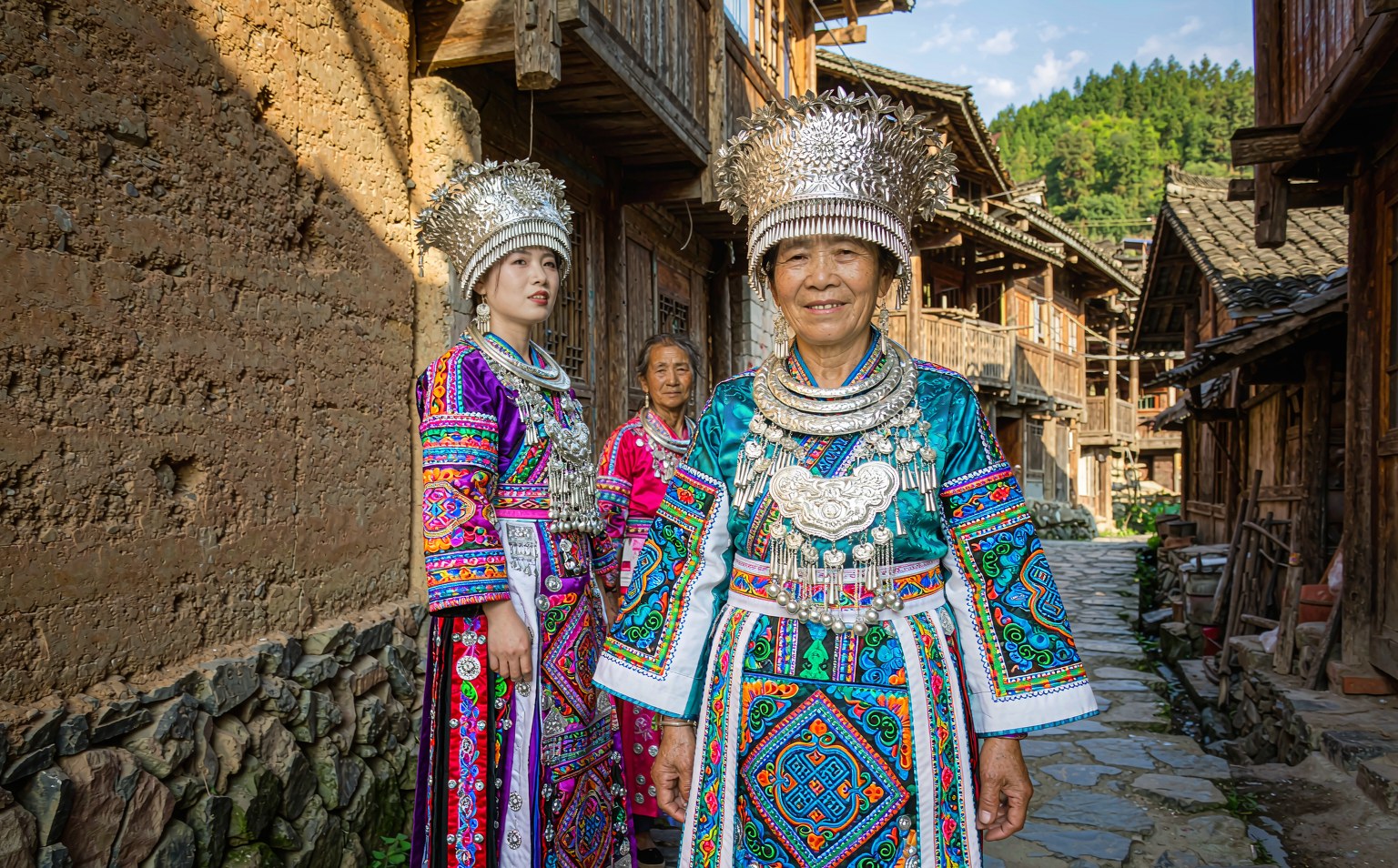
Huangguoshu, Libo and Xijiang in Six Days from Luoyang
In November the water in Guizhou is still full and the crowds have thinned. Six days along three axes: the waterfalls at Anshun, the green water at Libo, and the thousand-household Miao village at Kaili, without doubling back.