
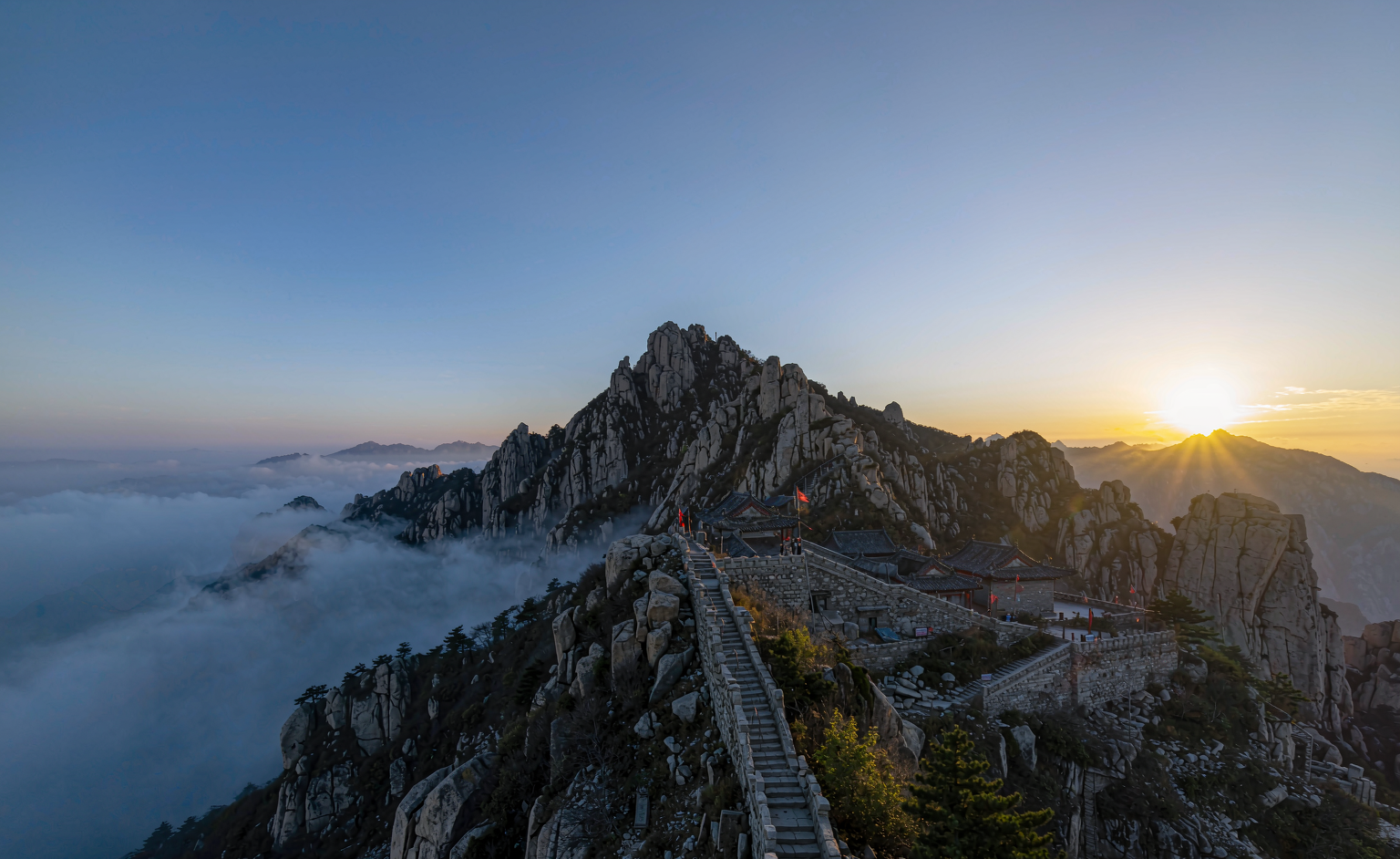
Mount Tai Sunrise, Qufu and Jinan in Six Days from Luoyang
Tai still sells peak-season tickets until the end of November, and the summit is cold without yet being frozen. Six days linking Tai, Qufu and Jinan, with a night on the mountain so the sunrise is not a midnight climb.
Highlights
Day 1: Luoyang to Tai an, gear laid out for the climb
A morning train from Luoyang Longmen with a change at Zhengzhou East, into Tai an around midday. The station is close to the Red Gate, so bags go to the hotel first and the afternoon is spent walking the town, with the north gate of the Dai temple at the end of a street. An early dinner, then the pack is sorted: water, head torch, gloves, one windproof layer.
Attraction introduction: Tai an exists because of the mountain and was once called Daiyue; the Dai temple at its centre was the fasting palace for emperors before the summit rites, and its Tiankuang hall, nine bays wide, is ranked with the Hall of Supreme Harmony in Beijing and the Dacheng hall at Qufu as one of the three great halls of China. The station sits on the Beijing-Shanghai line, ten minutes from the Red Gate and ten from Tianwai village, where the two climbing routes divide.
Tips: Guests generally find prices on the mountain steep, five to eight yuan for a bottle of water and twenty-five and up for a bowl of noodles. In practice everything is bought below and carried up, capped at three kilos; the summit rooms have limited hot water, so toiletries travel with you.
Day 2: The Dai temple, then up from the Red Gate to sleep on top
Into the Dai temple at half past eight, from the Tiankuang gate through to the hall itself, the bronze pavilion and iron pagoda standing in the courtyard and the Han cypress in the north-west corner split into vertical strips of bark. Lunch back on the street, at the Red Gate by half past twelve, and then upward: Hutian pavilion, Zhongtian gate, Yunbu bridge, and by the Eighteen Bends the light is going.
Attraction introduction: The Dai temple began in the Han and the present halls are Ming and Qing rebuilds; the mural inside Tiankuang hall runs some sixty metres and shows the god of the eastern peak setting out and returning. The Red Gate is the start of the central route, stone steps running past Wanxian tower and Doumu palace to Zhongtian gate, a climb of about seven hundred metres. The Eighteen Bends above it are more than sixteen hundred steps in three stages, the steepest close to seventy degrees.
Tips: Guests generally find the Eighteen Bends are not the worst of it, and that the long gentle slope before them is, flat to the eye and endless underfoot. In practice we eat a hot meal at Zhongtian gate before starting, keep the pace slow, and reach the South Gate before dark; a head torch is essential, since November nights arrive early.
Day 3: Sunrise at Riguan peak, down and on to Qufu
Up at half past five into the rented coat, ten minutes to Riguan peak where a ring of people is already sitting on the rock. The sun comes up behind the south-eastern ridge, reddening the cloud first and then lifting clear in under three minutes. Breakfast and a nap back at the hotel, then the cable car down from the South Gate at half past nine, and the bus from Zhongtian gate to Tianwai village.
Attraction introduction: Riguan peak lies south-east of the summit and is the classic sunrise position, with the Sea-Probing rock reaching north-east in front of it, where cloud often turns over before dawn. The South Gate of Heaven ends the Eighteen Bends, and the Street of Heaven inside it is a short row of food stalls and souvenirs. The Zhongtian cable car runs just over two kilometres and takes fifteen minutes, which is the practical choice when coming down is harder than going up.
Tips: Guests generally find they underestimate the cold on top, around five below at dawn in November, where wind matters more than temperature. In practice coats are rented together below and hats and gloves are brought from home; the cable car saves knees, and if wind closes it we take the road down towards Taohuayu instead.
Day 4: Temple, mansion and forest of Confucius in one day
Into the temple at half past eight, from the Jinsheng Yuzhen arch through to the Dacheng hall, where the ten dragon columns in front read in layers under the light. Out through the eastern side into the mansion, offices in front and family quarters behind, with a garden at the very back. Lunch on Gulou street, then the shuttle to the forest and a few minutes standing at the tomb of Confucius.
Attraction introduction: The temple was founded in the reign of Duke Ai of Lu and what stands now is Ming and Qing work; the Dacheng hall is double-eaved with nine ridges, and its ten front columns carry deep-cut dragons said to have been wrapped in cloth in their day so outsiders would not see them. The mansion combined the office of the sage descendants with their household and is the largest aristocratic residence surviving in China. The forest holds the graves of Confucius and his line, with more than twenty thousand old trees and Ming stone figures before the tomb.
Tips: Guests generally find the three sites tiring in sequence, two hours for the temple, one for the mansion and one for the forest, with nowhere much to sit between them. In practice the forest is cut to forty minutes using the shuttle to the tomb and walking back; the group closes at half past three, leaving the rest of the afternoon for the old city wall.
Day 5: Qufu to Jinan, Baotu spring and Daming lake
Away at eight for Qufu East, an hour and a half by rail to Jinan. Lunch near Furong street, into Baotu spring at two, where three jets turn up through the middle of the pool and Shuyu spring at the edge backs onto the Li Qingzhao memorial. Out of the gate and north along the moat, twenty minutes to the south gate of Daming lake, and a place in front of the Chaoran tower for the lamps.
Attraction introduction: Baotu is the first of the seventy-two springs of Jinan, three jets rising from the floor of the pool at a steady eighteen degrees, so the surface steams in cold weather. The Li Qingzhao memorial next door takes its name from Shuyu spring, which gave her collection its title. Daming lake is fed by the springs inside the walls and covers about half a square kilometre, with the Chaoran tower on the north shore, first built in the Yuan and later rebuilt, going warm yellow when lit.
Tips: Guests generally find they try to cover four springs in a day and wear themselves out, when Baotu and Daming are one line along the moat. In practice that line is the whole of it, crossing Furong street for food on the way; the tower lights half an hour after sunset, and twenty minutes early is enough for a place.
Day 6: A Jinan market morning, then home
The neighbourhood market first: braised pork belly sold by the slab, tianmo, a savoury millet porridge that is not sweet at all, and youxuan pastries straight from the pan. Check out at half past nine, at Jinan West by half past ten, south-west by rail, and Luoyang in the afternoon.
Attraction introduction: A Jinan breakfast is tianmo with youxuan. The porridge is millet flour with vermicelli, peanuts and bean curd skin, and the pastry is a spiral of laminated dough fried crisp. The braised belly is tied with straw before cooking and eaten with rice. Jinan West sits on the western edge of the city on the Beijing-Shanghai line, with services towards Zhengzhou usually changing at Liaocheng or Shijiazhuang.
Tips: Guests generally find they cut it fine at Jinan West, which is large and has many entrances. In practice we arrive fifty minutes before departure, and the pork and pastries are eaten in town rather than carried on board.
Related Tours
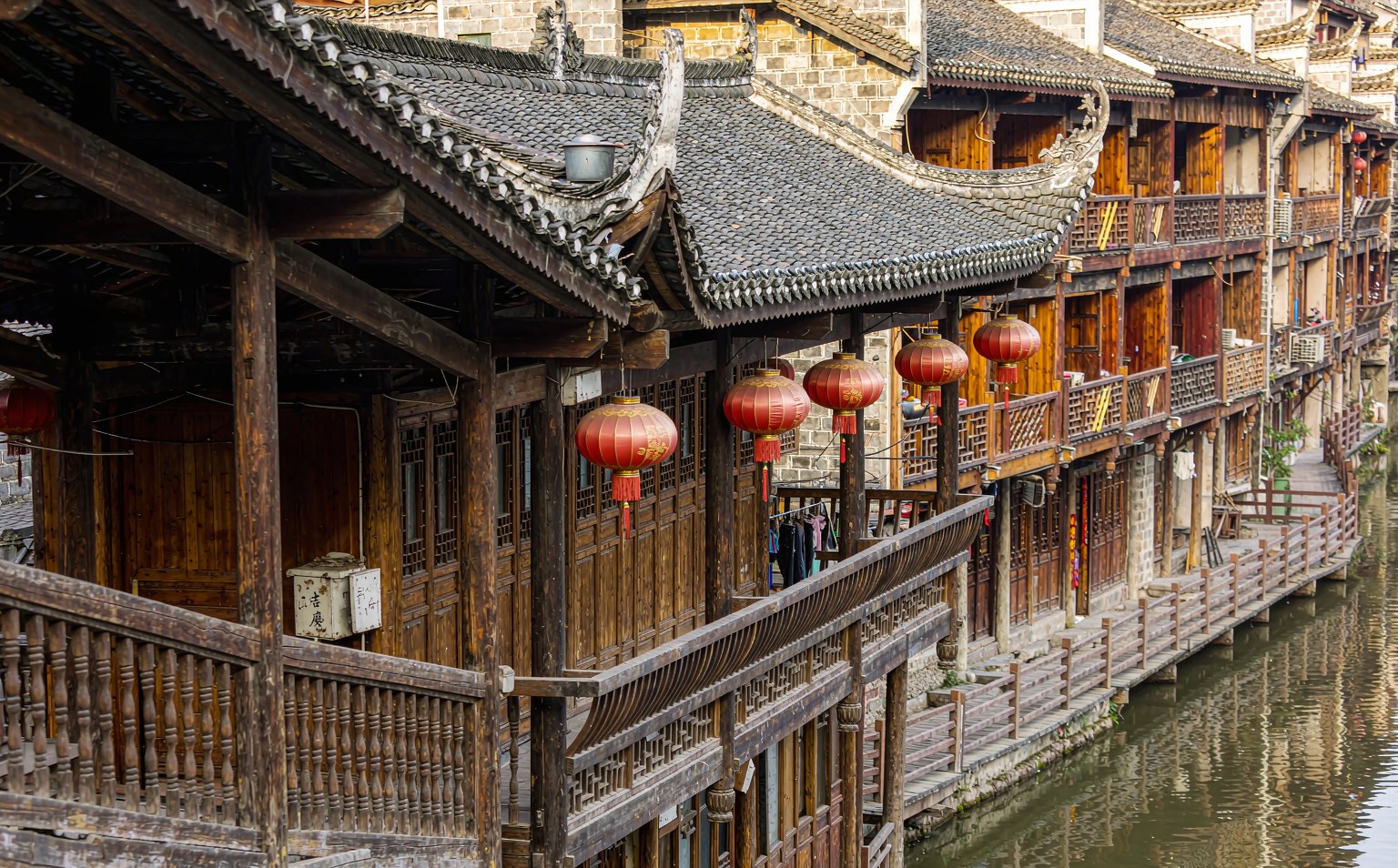
Fenghuang, Furong and Aizhai in Six Days from Luoyang
Fenghuang is only itself after the lamps come on, the waterfall at Furong runs through the middle of the town, and the bridge at Aizhai hangs over a gorge. Six days along one line in western Hunan, without Zhangjiajie, at an easy pace.
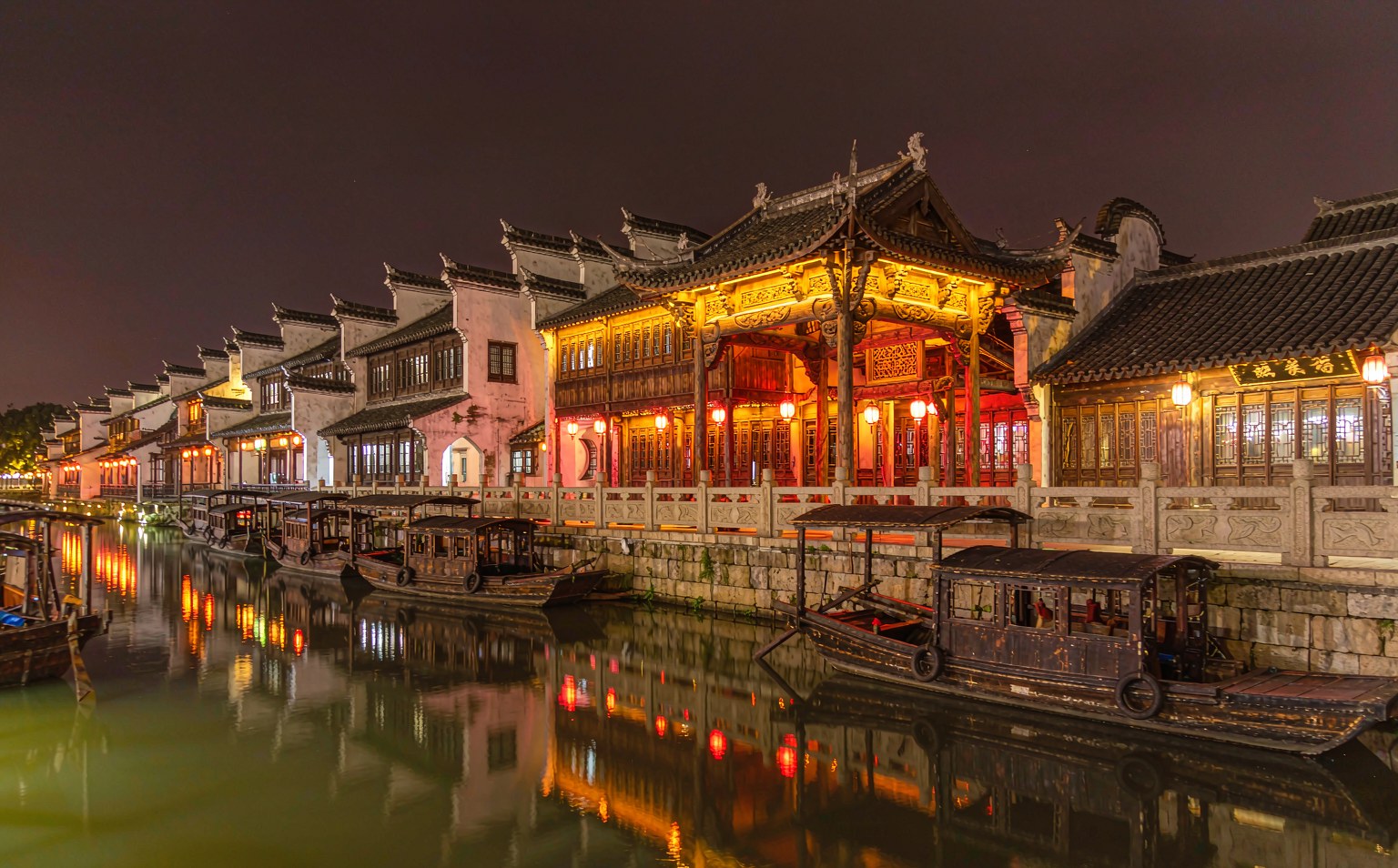
Wuzhen, Xitang, Nanxun and Hangzhou in Six Days from Luoyang
November in the lower Yangtze is damp, the canals fog over before breakfast and everything changes once the lanterns are lit. Three water towns, a night in each, and a final full morning on West Lake.

Huangguoshu, Libo and Xijiang in Six Days from Luoyang
In November the water in Guizhou is still full and the crowds have thinned. Six days along three axes: the waterfalls at Anshun, the green water at Libo, and the thousand-household Miao village at Kaili, without doubling back.
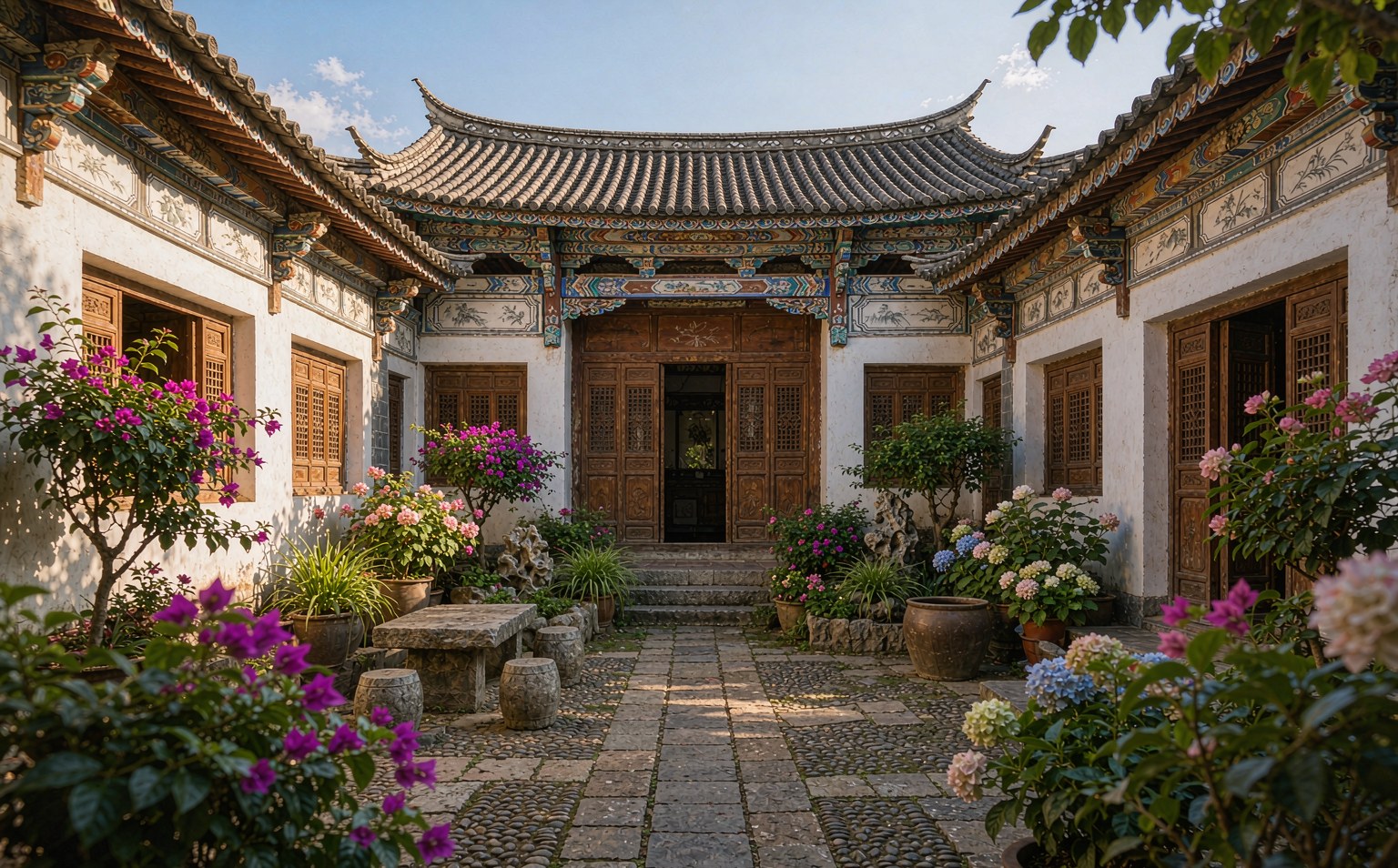
Dali, Erhai and Shaxi in Six Days from Luoyang, When the Snow Line Drops
In November the snow line on the Cangshan comes down low, Erhai fogs over in the morning and the first black-headed gulls settle near the small island. Six unhurried days: two nights inside the old town, one in Shaxi, and a Bai courtyard at dawn.