
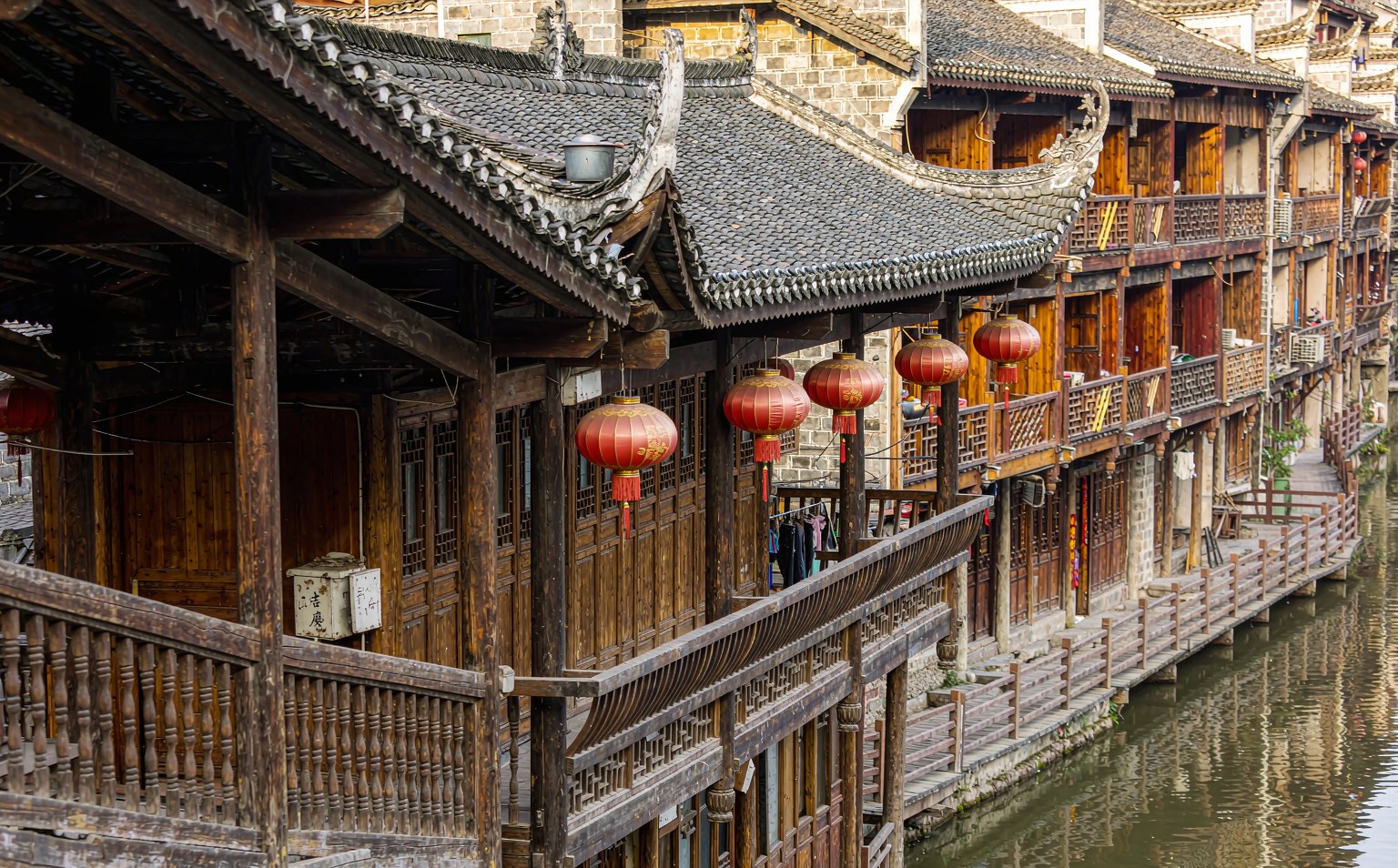
Fenghuang, Furong and Aizhai in Six Days from Luoyang
Fenghuang is only itself after the lamps come on, the waterfall at Furong runs through the middle of the town, and the bridge at Aizhai hangs over a gorge. Six days along one line in western Hunan, without Zhangjiajie, at an easy pace.
Highlights
Day 1: South by rail, into Fenghuang before dark
A morning departure from Luoyang Longmen, south all day, the hills thickening after Wuhan, a change at Huaihua South onto the Zhangjiajie-Huaihua line and half an hour to Fenghuang old town station. The shuttle to Nanhua gate, a stretch of stone paving with the suitcase, and then straight down to the river.
Attraction introduction: The station sits in Huaihua prefecture about ten kilometres out, with an official shuttle at seven yuan a head taking twenty minutes to Nanhua gate. The town runs along the Tuo, stilted houses on both banks, stepping stones and the Rainbow bridge across the water, and the lanes inside paved in stone with no cars. Nanhua gate is the northern entrance, with East Main street beginning inside it.
Tips: Guests generally find dragging a case over the slabs hard work, since the wheels catch in the joints. In practice the car stops at the nearest opening and the guesthouse carries the bags; nothing is scheduled tonight beyond a walk to the Rainbow bridge, and the real visit starts tomorrow.
Day 2: The nine sights, and the lamps after dark
Into the Shen Congwen house at half past eight, a small courtyard on Zhongying street with his desk and old trunks still in place. Out along East Main street to the east gate tower, then down to the stepping stones, the water pushing hard between the blocks. Blood duck near the Rainbow bridge for lunch, the Wanshou palace and Chongde hall in the afternoon, back at the room by four, and out again at half past six.
Attraction introduction: The Shen Congwen house is where the writer was born and grew up, its rooms holding manuscripts, letters and photographs, and it is the quietest of the nine sights. The Rainbow bridge went up in the Ming, two timber storeys on three stone arches, and its upper floor opens over the whole river and both rows of stilt houses. Wanshou palace was the Jiangxi guild hall, its carving and coffered ceiling largely intact. The stepping stones are a line of square blocks across the Tuo, water running between them, and the crossing is all in the feet.
Tips: Guests generally find they try to tick off all nine in one day and end up running, when the house and the bridge deserve the time. In practice five sights before lunch and four after, with an hour back at the room in between; the riverside is busiest after seven, and an empty street means waiting until ten.
Day 3: The cliff walk at Aizhai, then Dehang
Away at eight towards Jishou, an hour and a half to Aizhai. Up by the sightseeing lift to the bridge head, then the walkway along the cliff face, the Dehang gorge below and the thirteen hairpins of the mountain road opposite. Lunch in Aizhai town, then the Miao village of Dehang in the afternoon for the welcoming wine and the drum dance.
Attraction introduction: The Aizhai bridge crosses the Dehang gorge with a main span of 1,176 metres, its deck more than 350 metres above the floor, a steel truss suspension structure. The cliff walkway follows one wall of the gorge for over a kilometre, with a glass-floored section that shows the valley below and the truss of the bridge above it. Dehang means beautiful gorge in the Miao language, and the village sits on the valley floor ringed by closed cliffs.
Tips: Guests generally find the glass section the worst of it, and can feel the deck tremble as traffic crosses. In practice anyone uneasy stays on the inner stone path, which shows the whole gorge anyway; the welcoming wine is rice liquor, low in strength and slow to arrive, so go easy before the walkway.
Day 4: On to Furong, where the waterfall runs through town
Out of Jishou in the morning, an hour to Furong, cars left in the new town and the five-li stone street entered on foot, heading downhill, the water audible halfway along. The fall drops in two stages through the middle of the town with stilt houses on both sides, spray reaching the street. The Tusi palace and the Xizhou bronze column in the afternoon, and the viewing terrace at dusk for the lamps.
Attraction introduction: Furong was once Wang village and took its present name from the film made here. It is built on a slope above the Youshui, with a waterfall dropping over forty metres through the town in two steps into the river. The Tusi palace was the summer residence of the local Tujia chieftains, timber stilt construction pinned to the cliff directly above the fall. The Xizhou column is a Five Dynasties piece inscribed with a sworn agreement and a key source for the chieftain system.
Tips: Guests generally find the rooms beside the fall loud all night, which matters if you sleep lightly. In practice we book a row thirty metres back, where the water is audible without keeping anyone awake; the stone street is slippery when wet, so grippy shoes and a cloth for the lens.
Day 5: A detour to Chadong, then back to Jishou
Away at half past eight towards Huayuan, an hour or so to Chadong. One street along the river, the ferry point still working, and Hongan in Chongqing Xiushan on the far bank. Corner fish for lunch, then a walk along the water to the border stone where three provinces meet. On the bus at half past three for Jishou.
Attraction introduction: Chadong is the model for the border town in Shen Congwen novella of the same name, sitting where Hunan, Chongqing and Guizhou meet, with a tributary of the Youshui running through and Hongan opposite on the Chongqing side. Cuicui island, the white pagoda and the ferry landing are kept as the book describes, and the ferry still hauls itself along a steel cable strung across the river. The border stone stands on the gravel bank, one foot in each of three provinces.
Tips: Guests generally find Chadong far quieter than Fenghuang and suited to a slow walk, with almost no commercial backup. In practice three hours is the allowance and lunch happens in town; the stone is on the river gravel, muddy after rain, so leave the pale shoes behind.
Day 6: Board at Jishou, home to Luoyang
A morning walk in Jishou, people fishing the Dong river, mugwort cakes at the bridgehead. Check out at half past nine, at Jishou East by ten, north by rail through Huaihua South and Changsha South, and Luoyang in the evening.
Attraction introduction: Jishou is the seat of Xiangxi prefecture, split by the Dong river into new town and old. The mugwort cake is a seasonal thing here, glutinous rice flour kneaded with wild mugwort and filled with sesame sugar or cured pork, steaming with a grassy smell. Jishou East is a stop on the Zhangjiajie-Huaihua line, connecting south to Huaihua South and east through Changsha South onto the Beijing-Guangzhou corridor.
Tips: Guests generally find they get held up by souvenirs on the last day, since ginger candy, cured meat and Miao silver all cost more in the old town. In practice those come from a Jishou supermarket at a lower price; and we allow forty minutes at the station, which is small but queues at security.
Related Tours
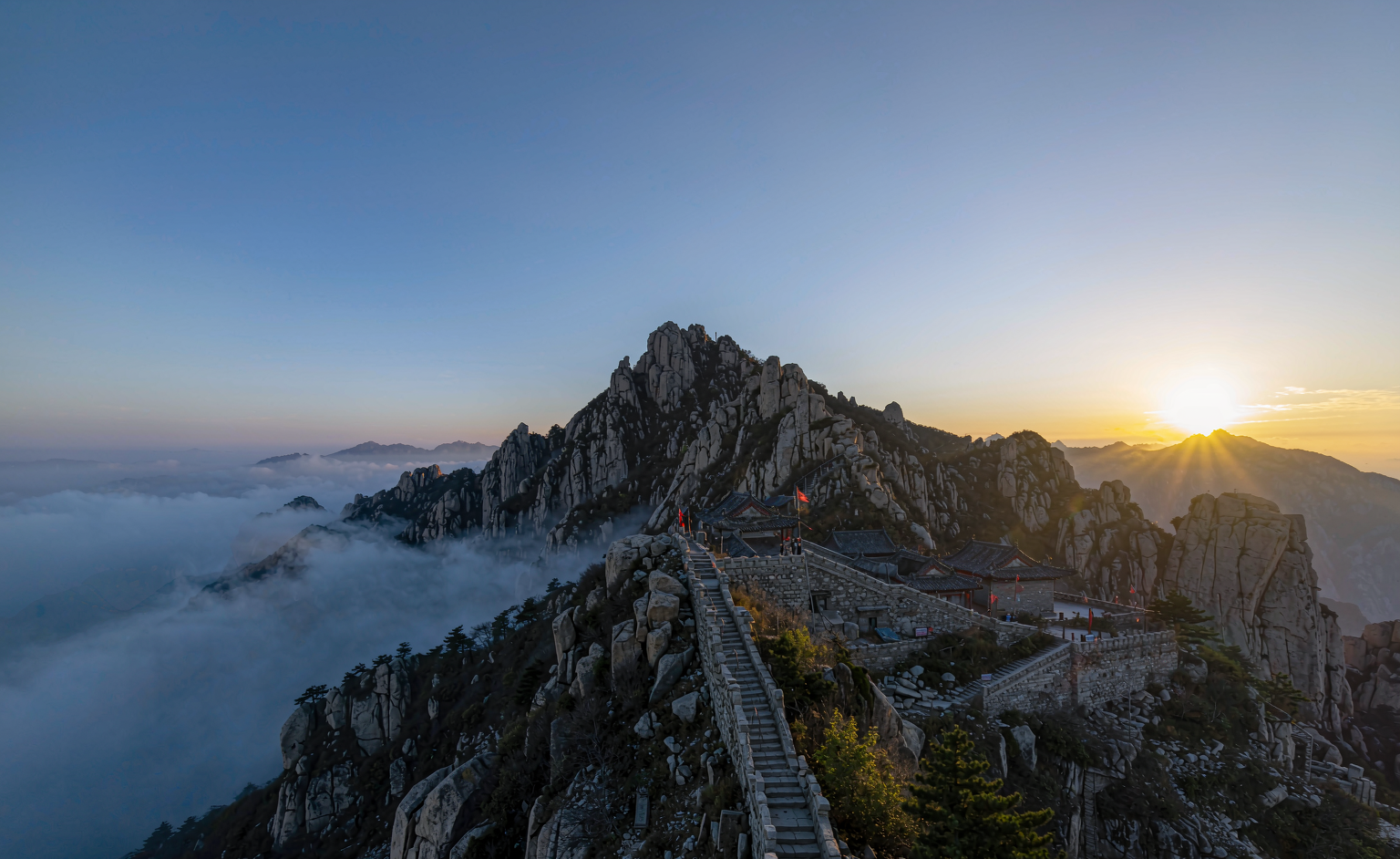
Mount Tai Sunrise, Qufu and Jinan in Six Days from Luoyang
Tai still sells peak-season tickets until the end of November, and the summit is cold without yet being frozen. Six days linking Tai, Qufu and Jinan, with a night on the mountain so the sunrise is not a midnight climb.
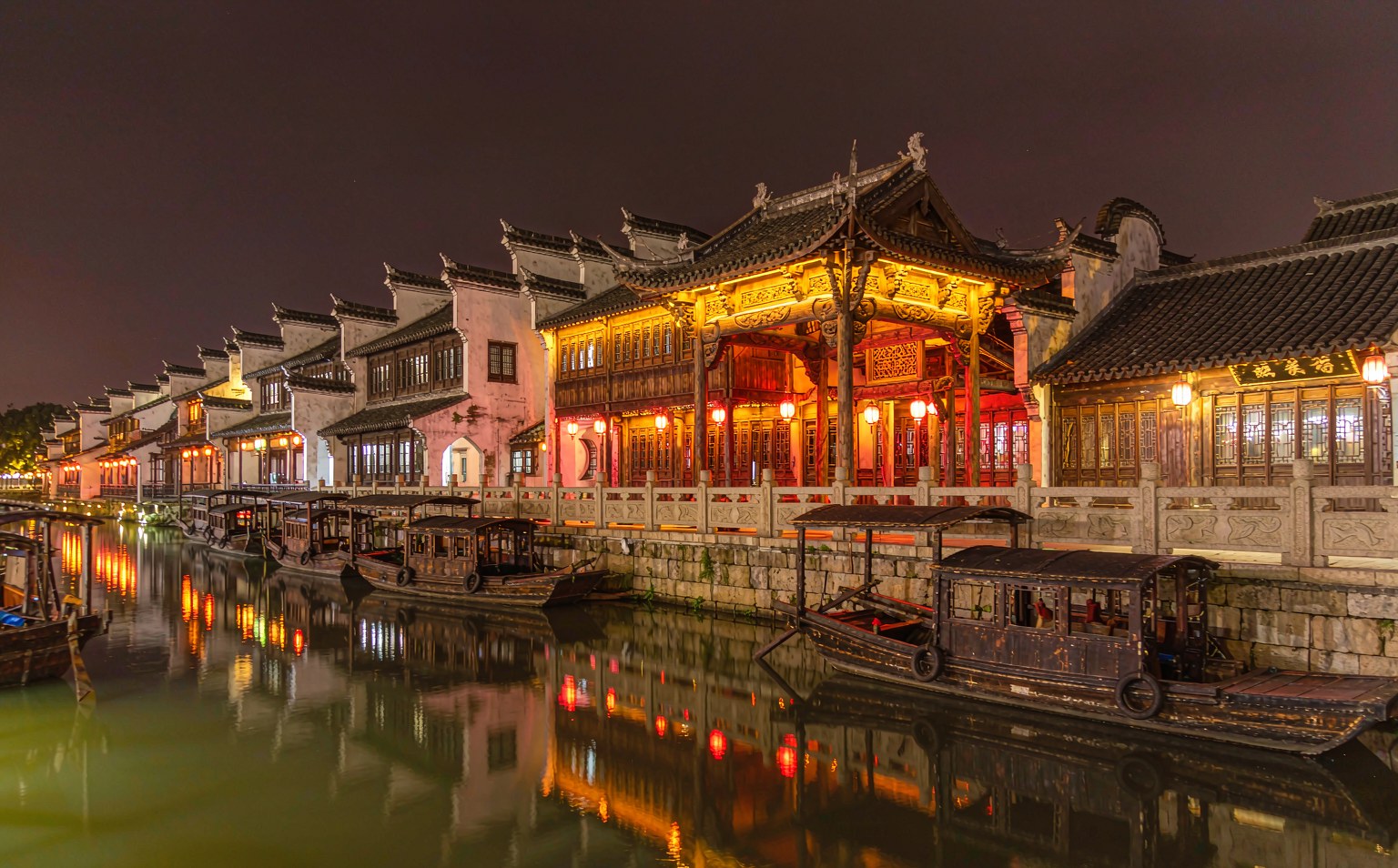
Wuzhen, Xitang, Nanxun and Hangzhou in Six Days from Luoyang
November in the lower Yangtze is damp, the canals fog over before breakfast and everything changes once the lanterns are lit. Three water towns, a night in each, and a final full morning on West Lake.
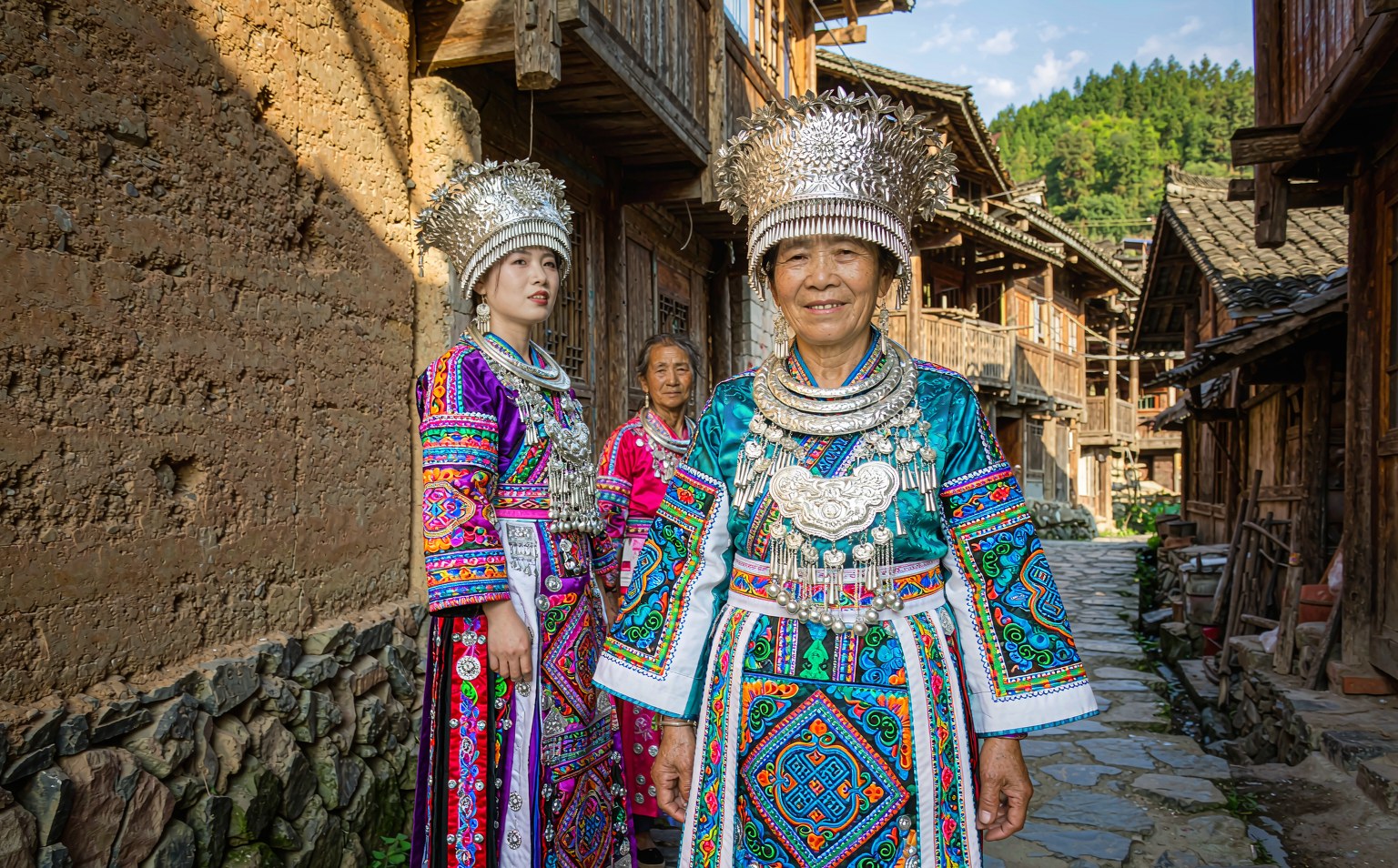
Huangguoshu, Libo and Xijiang in Six Days from Luoyang
In November the water in Guizhou is still full and the crowds have thinned. Six days along three axes: the waterfalls at Anshun, the green water at Libo, and the thousand-household Miao village at Kaili, without doubling back.
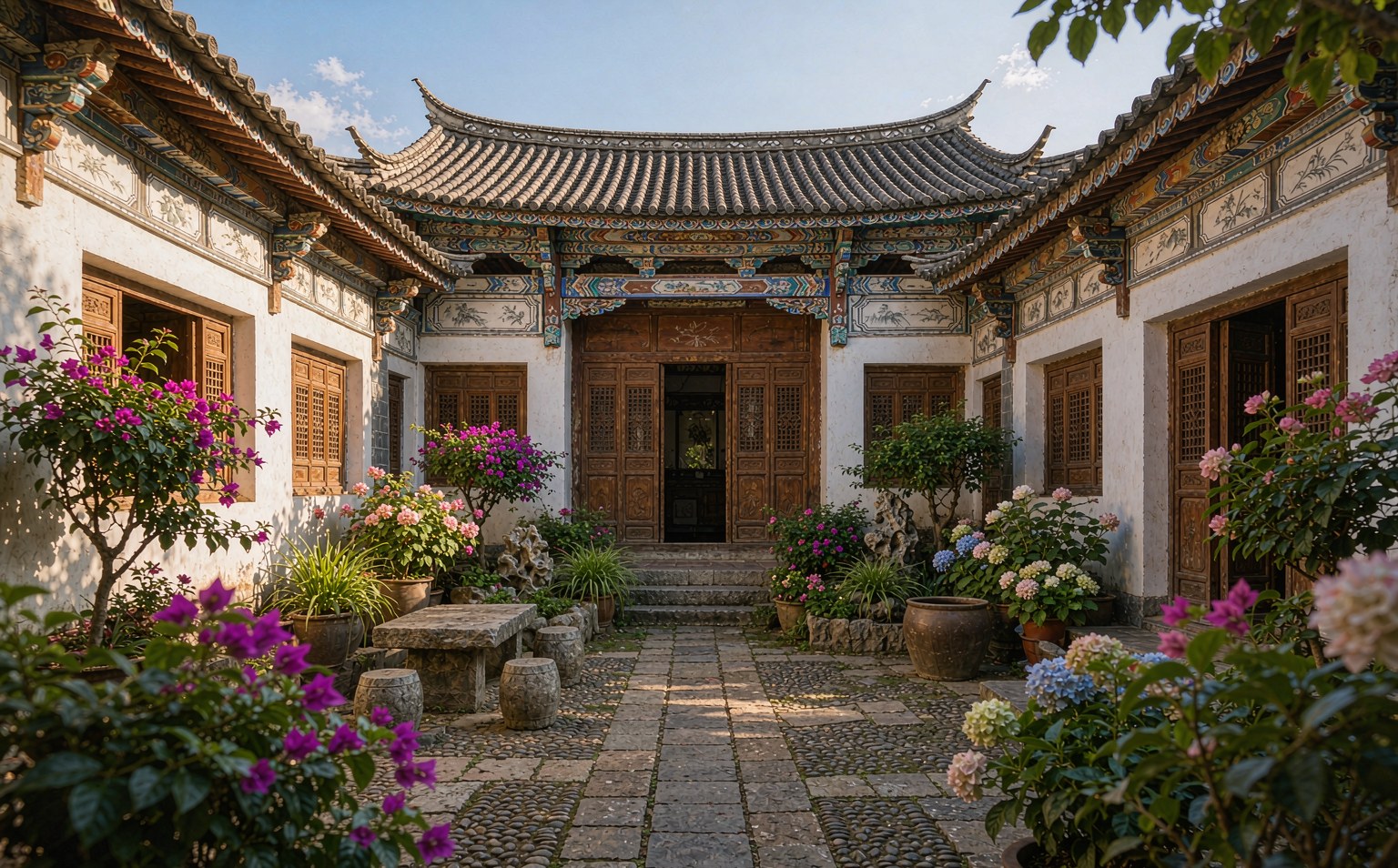
Dali, Erhai and Shaxi in Six Days from Luoyang, When the Snow Line Drops
In November the snow line on the Cangshan comes down low, Erhai fogs over in the morning and the first black-headed gulls settle near the small island. Six unhurried days: two nights inside the old town, one in Shaxi, and a Bai courtyard at dawn.