
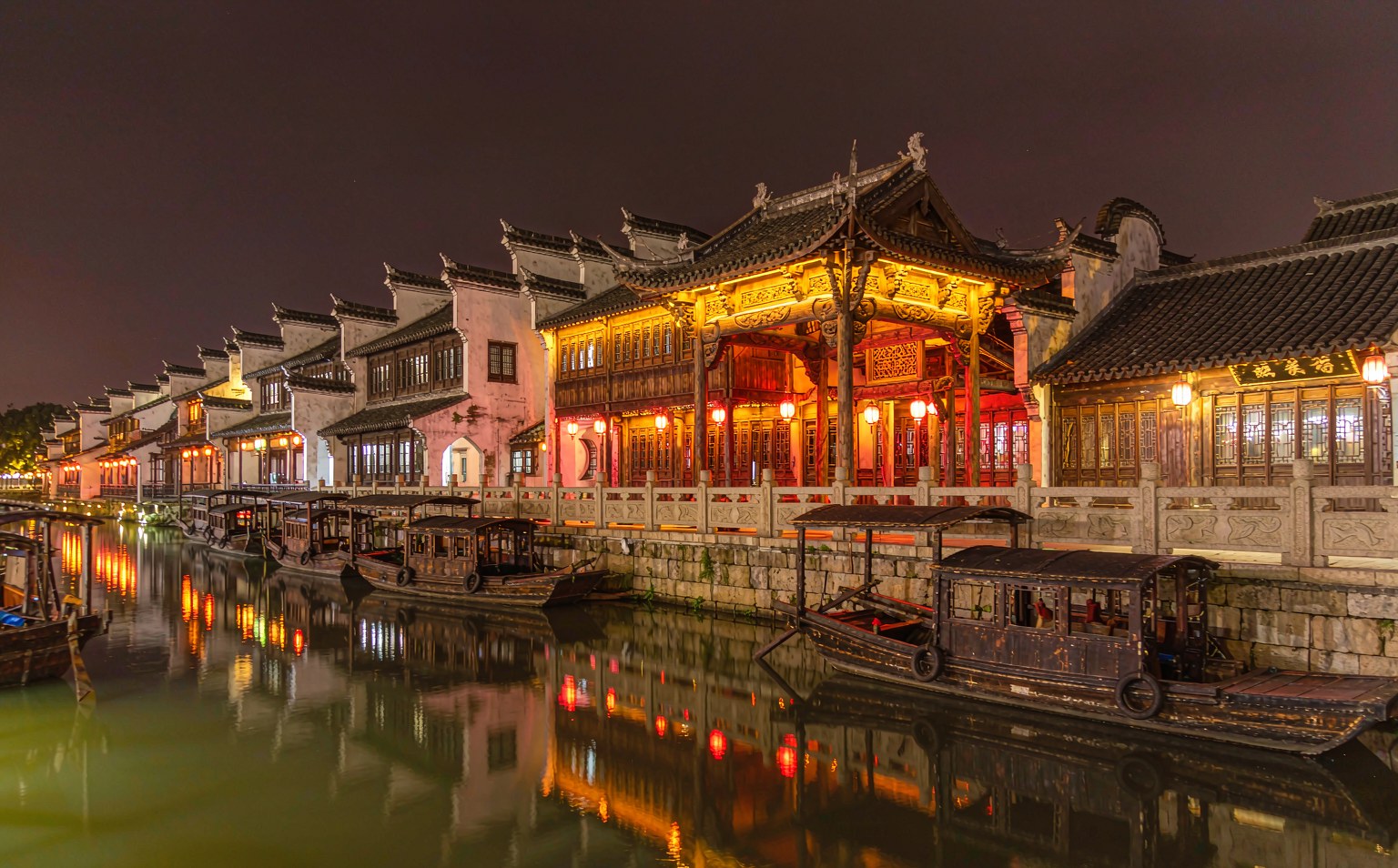
Wuzhen, Xitang, Nanxun and Hangzhou in Six Days from Luoyang
November in the lower Yangtze is damp, the canals fog over before breakfast and everything changes once the lanterns are lit. Three water towns, a night in each, and a final full morning on West Lake.
Highlights
Day 1: Luoyang to Hangzhou, an evening on Hefang street
An early train east from Luoyang Longmen; past Xuzhou the ground flattens and paddy and fish ponds take over the window. Into Hangzhou East in the afternoon, a short transfer, then out to Hefang street on foot, the white wall of the Huqingyutang pharmacy bright under the lamps, stalls selling dingsheng cakes and scallion-wrapped youtiao.
Attraction introduction: Hangzhou East is one of the largest rail hubs in eastern China, where the Shanghai-Hangzhou, Hangzhou-Ningbo and Hangzhou-Huangshan lines meet. Hefang street is part of the Southern Song imperial way, its stone slabs laid over the old roadbed, and the Huqingyutang pharmacy on it is a Tongzhi-era dispensary with its timber front intact. Snacks here run sweet: dingsheng cake is steamed rice flour, the scallion roll is dough wrapped round a stick of fried dough and pressed flat.
Tips: Guests generally find they eat their way down Hefang street and then have no room for dinner. In practice we treat the street as a walk, taste two things only, and eat dinner in a side lane, back at the hotel by half past eight for an early start at the lake.
Day 2: The north shore of West Lake, Lingyin in the afternoon
At the Broken Bridge by half past seven, the Bai causeway still quiet, a skin of mist on the water and the Baochu pagoda reduced to a shadow. Along the causeway to Pinghu Qiuyue, west to Solitary Hill, where a queue is already forming outside the Louwailou restaurant. Lunch near the hill, then Lingyin: the Feilaifeng ticket first, then the temple gate.
Attraction introduction: West Lake is ringed by hills on three sides, with the Bai and Su causeways dividing the surface; the Broken Bridge sits at the eastern end of the Bai and is at its most famous after snow. Solitary Hill is the largest island in the lake, carrying the Xiling Seal Society on top and the Zhejiang museum at its foot. Lingyin was founded in the Xianhe reign of the Eastern Jin and is among the oldest monasteries in the region, while the Feilaifeng cliffs hold more than three hundred carvings from the Five Dynasties through the Song and Yuan, the best known being the laughing Maitreya.
Tips: Guests generally find they get the tickets wrong at Lingyin, since Feilaifeng and the temple are two separate gates and one ticket does not open the other. In practice both are bought in advance, the carvings come before the temple, and the whole visit runs two and a half hours; at the lake we walk only a kilometre or two of the north shore and take a boat back from Solitary Hill if legs give out.
Day 3: Wuzhen by mid morning, east quarter by day and west by night
Away at eight for Tongxiang, an hour and a half to Wuzhen. The east quarter first, where people still live: bedding and pickles airing at the doors, greens being washed on the river steps. Lunch outside the east quarter, into the west quarter at three, bags dropped at the guesthouse, then along the Xishi river to the White Lotus pagoda to wait for the lamps on the bridge.
Attraction introduction: The east quarter is a residential quarter, with the Mao Dun house, the bed museum and the Hongyuantai dye works on the same street, where indigo cloth hangs from tall frames and moves all at once in the wind. The west quarter is a consolidated resort: timber houses restored to old patterns along both banks, the Zhaoming academy, the White Lotus pagoda and the water stage in a line, and lamps running from the eaves down to the water after dark.
Tips: Guests generally find the west quarter twice as good at night as by day, when it can feel like an empty street. In practice we leave the daytime there for the room and lunch, go out after four, and reach the pagoda as the lamps come on; the rowing boats charge by the head and the queue is long at night, so take a number at the pier early.
Day 4: A west quarter morning, then Nanxun
Up at half past six, before the west quarter opens for trade, only a delivery tricycle crossing the slabs, mist still on the water and the far eaves showing as outlines. A bowl of mutton noodles at eight, checked out at ten, forty minutes to Nanxun. The Liu garden first, then ten minutes on foot to the Zhang house.
Attraction introduction: Xiaolianzhuang was the private garden of the Nanxun salt merchant Liu Yong, with a ten-mu lotus pond inside the outer garden and a covered walk around it, and the Jiaye library inside is a two-storey brick and timber stack fronting a pond kept for fire. The Zhang residence is the classic east-west hybrid: the first courts are Huizhou wood and brick carving, and the last is a ballroom fitted with French stained glass and tiles that have kept their colour for over a century.
Tips: Guests generally find Nanxun rewards a slow walk, its main street lightly commercial and its lanes still lived in. In practice this afternoon holds only two houses, with a stretch of sitting by the river at the Baijianlou houses in between; the library stops admitting at four, so it cannot be left to the end.
Day 5: Nanxun to Xitang, a room under the covered walkway
Away at half past eight, an hour to Xitang, cars left outside. In first along the covered walkway, more than a kilometre of timber posts standing in the river, a whole circuit possible in rain without an umbrella. Lunch under the roof, then the stone-skin lane and the Songzi Laifeng bridge; the lane is eighty centimetres at its narrowest, and two people have to turn sideways.
Attraction introduction: The Xitang walkway is the only covered street of this length among the water towns, first built by shopkeepers against rain and later joined into one run. Shipi lane is the gap between two houses, sixty-eight metres long and under a metre wide, its slabs thin as hide. The Songzi Laifeng bridge is a Qing double-deck stone bridge with a partition down the middle, said to let men and women cross on separate sides.
Tips: Guests generally find Xitang busy by day and quiet only after nine. In practice the main walk is from four to six, and after dinner we follow the river to the Huanxiu bridge, when the streets belong to residents; staying inside the gate also saves a second entry the next morning.
Day 6: An empty town at dawn, back to Hangzhou
Out at half past six before tickets start, only sweepers and a soya milk stall on the slabs, the water flat enough to hold the walkway posts. Back at eight for breakfast, away at half past nine, in Hangzhou East before noon, and the afternoon train home.
Attraction introduction: Early morning at Xitang is the closest the town comes to itself: washing at the river, birds taken out at the bridgehead, rice rolls and bean curd at the stalls. The houses are mostly late Qing and Republican, brick and timber, upper floors projecting, the riverside ones standing on stone columns in the water. Hangzhou East is an hour and a half away and the return trains are frequent, so there is no need to rush.
Tips: Guests generally find they want the empty town and then cannot get up for it. In practice we book this last night inside the gate, so six thirty is a five-minute walk; luggage can be left until ten after checkout rather than dragged around.
Related Tours
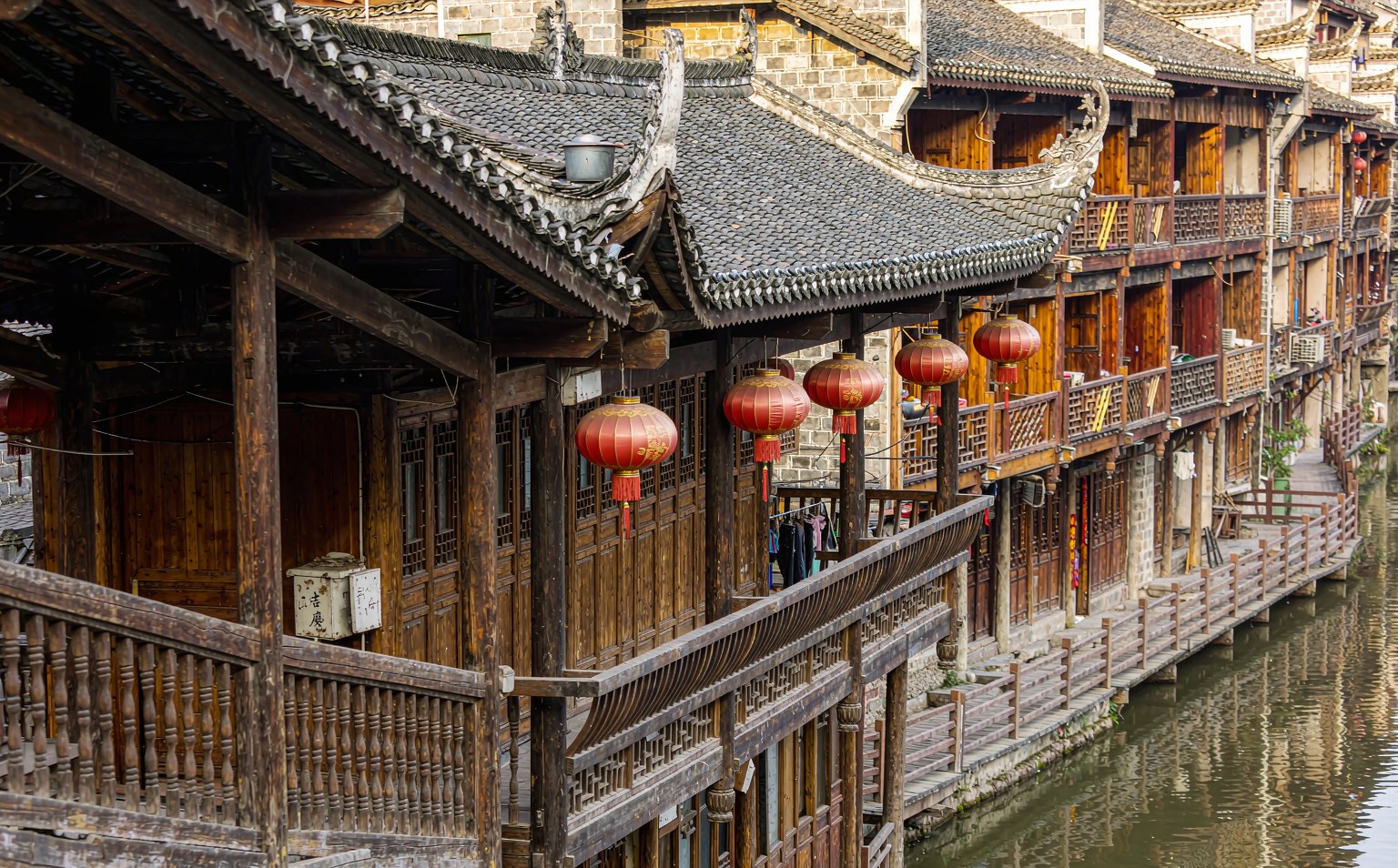
Fenghuang, Furong and Aizhai in Six Days from Luoyang
Fenghuang is only itself after the lamps come on, the waterfall at Furong runs through the middle of the town, and the bridge at Aizhai hangs over a gorge. Six days along one line in western Hunan, without Zhangjiajie, at an easy pace.
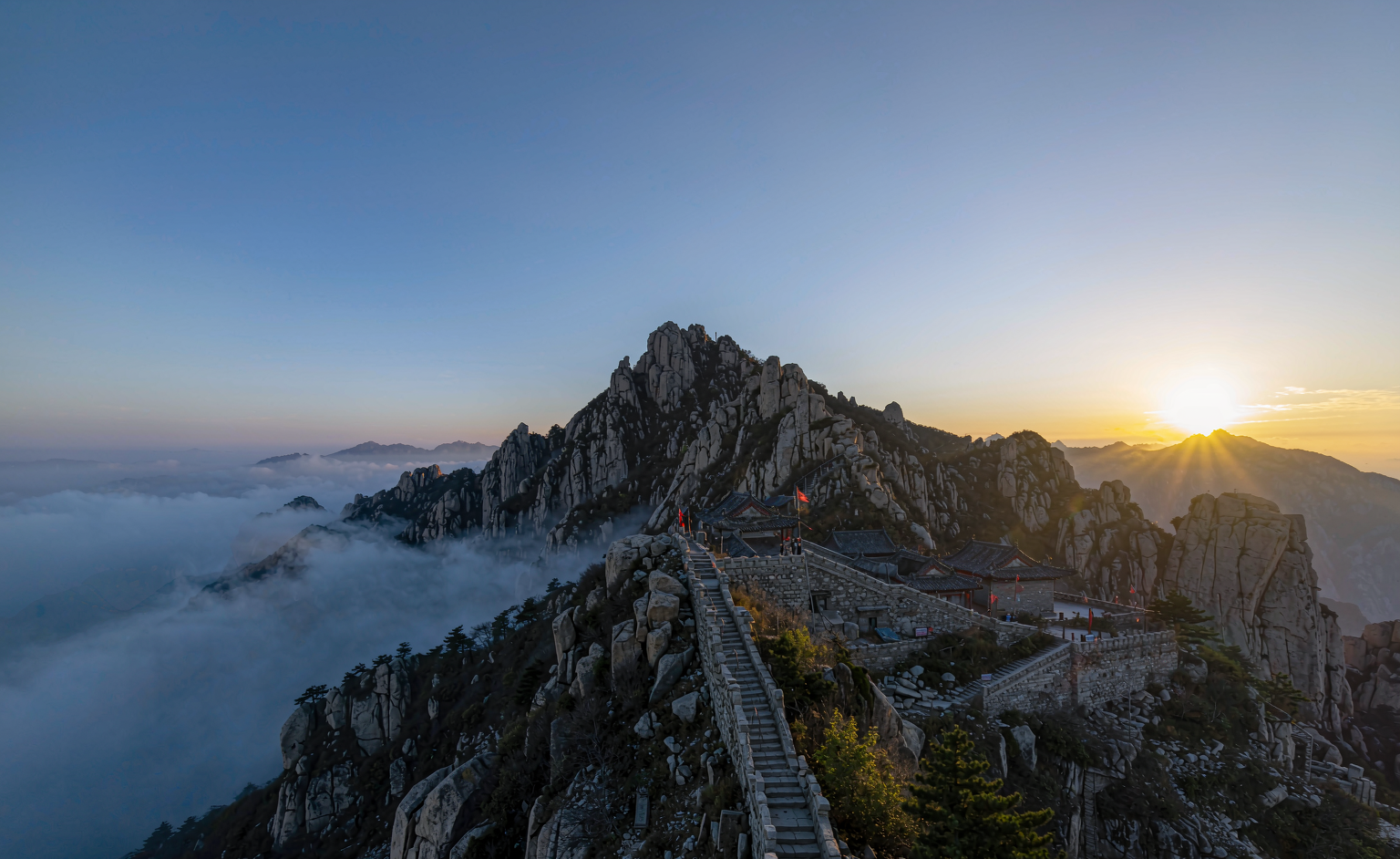
Mount Tai Sunrise, Qufu and Jinan in Six Days from Luoyang
Tai still sells peak-season tickets until the end of November, and the summit is cold without yet being frozen. Six days linking Tai, Qufu and Jinan, with a night on the mountain so the sunrise is not a midnight climb.
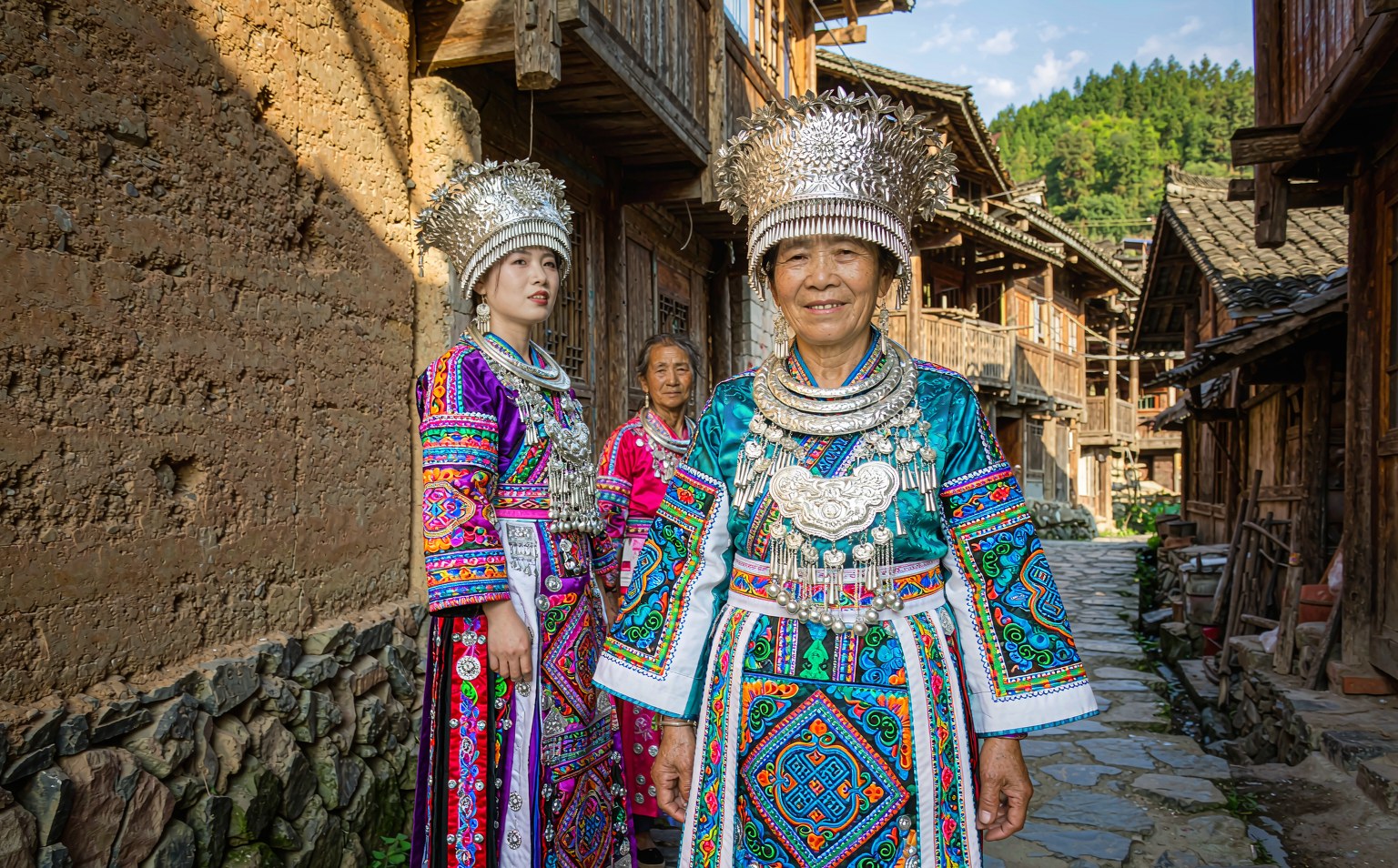
Huangguoshu, Libo and Xijiang in Six Days from Luoyang
In November the water in Guizhou is still full and the crowds have thinned. Six days along three axes: the waterfalls at Anshun, the green water at Libo, and the thousand-household Miao village at Kaili, without doubling back.
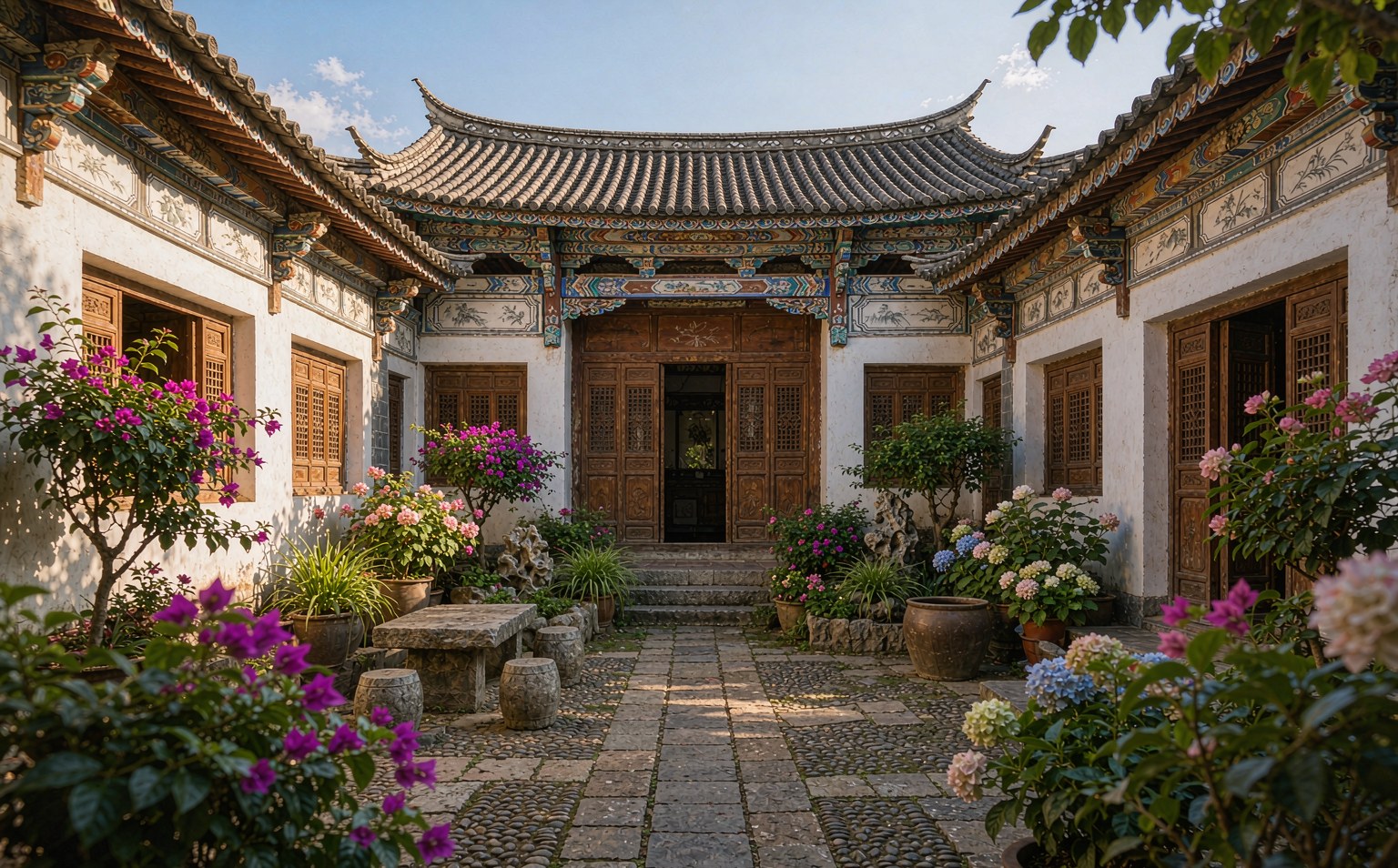
Dali, Erhai and Shaxi in Six Days from Luoyang, When the Snow Line Drops
In November the snow line on the Cangshan comes down low, Erhai fogs over in the morning and the first black-headed gulls settle near the small island. Six unhurried days: two nights inside the old town, one in Shaxi, and a Bai courtyard at dawn.