
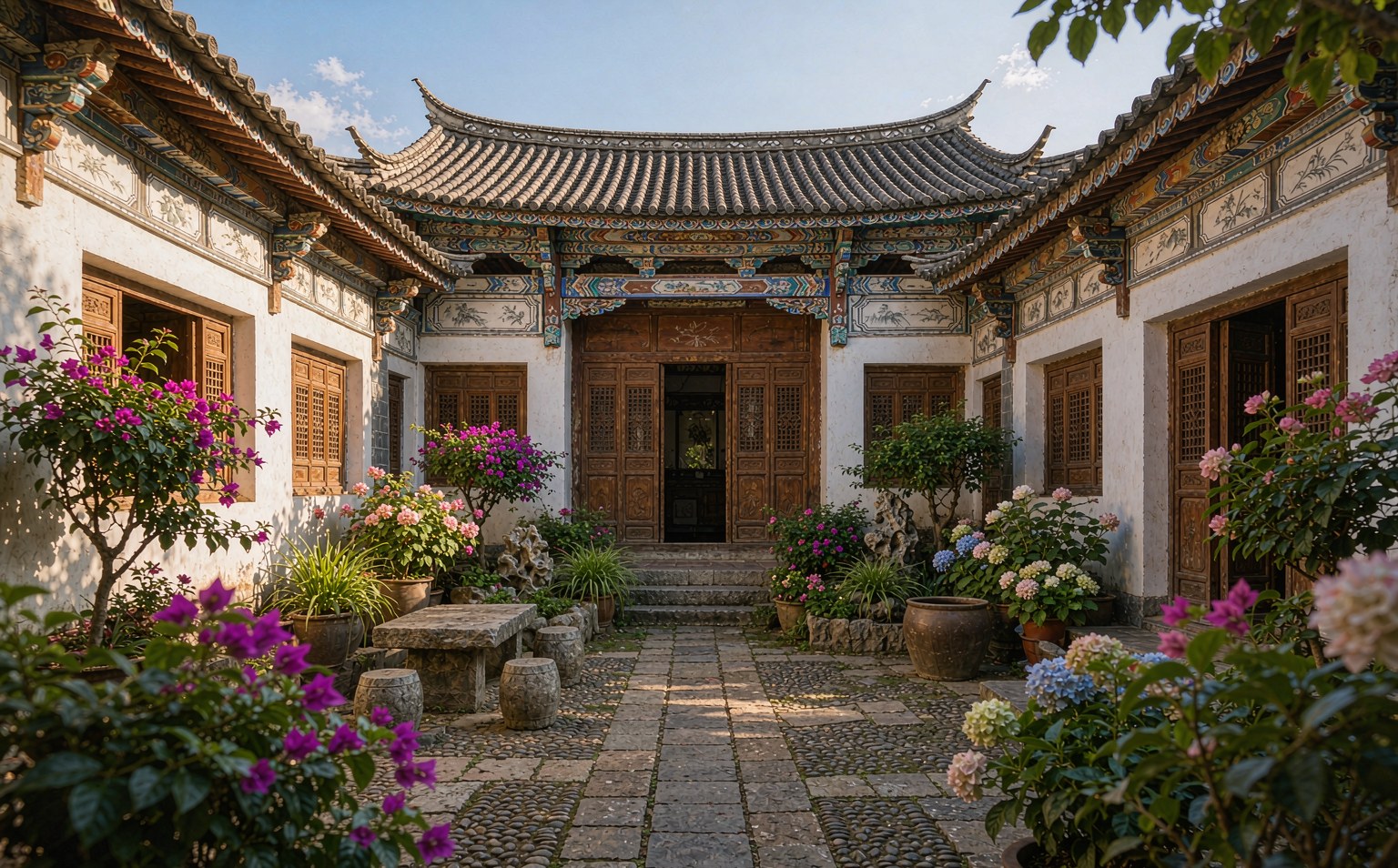
Dali, Erhai and Shaxi in Six Days from Luoyang, When the Snow Line Drops
In November the snow line on the Cangshan comes down low, Erhai fogs over in the morning and the first black-headed gulls settle near the small island. Six unhurried days: two nights inside the old town, one in Shaxi, and a Bai courtyard at dawn.
Highlights
Day 1: West from Luoyang, into the old town by dusk
A morning departure from Luoyang Longmen, a change at Kunming South, and the country outside turns from loess to red earth, glasshouses and bougainvillea appearing as the train reaches western Yunnan. Arrival in Dali in the afternoon, straight to the south gate, bags down, and no sights today: a slow walk up Fuxing Road to the Wuhua tower.
Attraction introduction: Dali old town was laid out in 1382, in the fifteenth year of the Hongwu reign, and the south gate and the Wuhua tower are the two landmarks on its main axes; only a stretch of the south wall survives. The streets form a grid: Renmin Road is small studios and coffee, Fuxing Road is snacks, and the so-called Foreigner Street is busiest after dark. The old town has no gate ticket and never closes, but cars stop outside the wall.
Tips: Guests generally find the first evening is where people decide that arriving in Dali requires a drink, and then struggle on the mountain the next day. In practice we give this evening to walking and eating and are back in the guesthouse by ten; at two thousand metres, sleep matters more than a bar.
Day 2: Three Pagodas in the morning, the western shore at noon
Out at half past eight for the Three Pagodas. Ten minutes on foot from the gate to the towers themselves, square and multi-eaved in ochre, with the Cangshan at their back; the reflection pool is where the classic frame is. Stay inside the grounds and walk west to the temple, whose Guanyin hall terrace looks straight down over Erhai. Lunch back in the old town, then out to Longkan pier to pick up bicycles.
Attraction introduction: The main pagoda at Chongsheng temple is the Qianxun tower, about sixty-nine metres and sixteen eaves, raised under the Nanzhao kingdom in the Tang; the two smaller towers flank it at forty-two metres each. The temple behind them was destroyed in the nineteenth century and what stands now is a reconstruction based on records. The western shore of Erhai carries a continuous path and cycle lane; the stretch from Longkan to Panxi bends and opens repeatedly, and holds the most reliable reflection of the nineteen peaks.
Tips: Guests generally find the pagoda site involves more walking than expected, since the route from gate to towers to temple climbs for two or three kilometres. In practice we keep the shuttle for older travellers and children going up and let everyone walk down; the afternoon ride is capped at fifteen kilometres so bikes are back before dark.
Day 3: Courtyards at Xizhou, sunset at Shuanglang
North to Xizhou in the morning, parking outside the central square. The Yan family house has an unremarkable front and then courtyard behind courtyard, screen walls and carved lattice doors all in place, flowers in the well growing taller than a person. Out on the street, buy a xizhou baba hot from the pan, sweet with rose and brown sugar or savoury with pork and scallion. In the afternoon, Shuanglang, and a seat by the water on Yuji island until the sun goes.
Attraction introduction: Xizhou is a large Bai village whose surviving houses follow the three-winged courtyard with a screen wall, or four courts and five wells; the Yan house is the most complete one open to visitors, its woodcarving and painted panels done in the Republican period. Haishi park is a sandbar reaching into Erhai, water on three sides, with weed visible under the surface at the tip. Shuanglang sits on the eastern shore; the Sun Palace on Yuji island can be seen from outside for nothing, while Nanzhao island needs a separate boat ticket.
Tips: Guests generally find the corner house and the rice fields at Xizhou attract a queue, and after ten in the morning there is no clear frame to be had. In practice the Yan courtyard is our first stop at half past eight when it is empty, and we move on as the crowd arrives; sunset at Shuanglang falls around six at this season, so forty minutes early is enough.
Day 4: Cable car up the Cangshan, then north to Shaxi
Back around the lake to the lower station of the Gantong cable car. The ride lifts through pine, and from the top a level path runs with cliff on one side and slope on the other, snow lying on the firs above. Return the same way and down, with a bowl of vegetarian noodles at Jizhao nunnery at the foot. In the afternoon, two hours of mountain road north, reaching Shaxi before dark.
Attraction introduction: The Cangshan runs nineteen peaks from north to south, the highest at over 4,100 metres, and the Gantong line ends around 2,600 metres near Qingbi stream. Above it the Yudai cloud road runs more than ten kilometres along the range and takes a full day. Jizhao was a dependent house of Gantong temple and is now known for its succulents, serving vegetarian meals by the head and only if told in advance. Shaxi, in Jianchuan county, is the last surviving market town on the tea-horse road, and its square, opera stage and Xingjiao temple form one group.
Tips: Guests generally find the Cangshan is really a problem of timing, since the cable car stops taking people up after half past four and a long walk leaves you stranded. In practice we walk one out-and-back section of the cloud road and finish in two hours; with a drive to Shaxi the same day, nothing else goes into the afternoon.
Day 5: A whole day in Shaxi, then back to Xiaguan
Out at half past six, mist on the Yujin bridge and the Heihui river below it flat as cloth, the occasional cart going past. Back to the square for a bowl of erkuai, then the Xingjiao temple. Lunch anywhere with a courtyard, and the afternoon spent on the steps opposite the old stage doing nothing at all. Away by half past four, and a night in Xiaguan.
Attraction introduction: The heart of Shaxi is Sideng street, whose square is paved in stone, with a three-tiered opera stage on the east and the Xingjiao temple on the west facing each other across it, both Ming in date. The temple still holds Ming murals, dark in colour but clear in line. The Yujin bridge is a stone arch over the Heihui, its deck polished by feet, and it photographs best in morning fog.
Tips: Guests generally find Shaxi rewards idleness and disappoints anyone ticking it off, since the town takes half an hour to cross. In practice this day carries no vehicle and no fixed sight; people sleep as late as they like, but the group leaves at four, because the two hours of mountain road back are unpleasant after dark.
Day 6: A market morning, then rail back to Luoyang
The Xiaguan food market first: stalls of rubing, erkuai and sour papaya packed into one lane, rubing grilled to order and eaten with rose jam while it still stretches. Check out at half past nine, board at Dali station, change at Kunming South, and reach Luoyang in the evening.
Attraction introduction: Xiaguan is the seat of Dali prefecture and famous for its wind, which locals simply call the Xiaguan wind. The market is the most ordinary face of the city: mushrooms sold by the heap, hams hanging from the beams, and rubing made by boiling milk, skimming the skin and drying it, a Bai way of honouring a guest. Dali station is half an hour from the old town, with trains east through Chuxiong to Kunming and high-speed connections north.
Tips: Guests generally find the last day is where souvenir shopping goes wrong, since the cakes on the main street cost twice what a supermarket charges. In practice we buy at the market, rubing and ham by weight, which is cheaper than anything boxed; and allow at least forty minutes to change trains at Kunming South, which is a large station.
Related Tours
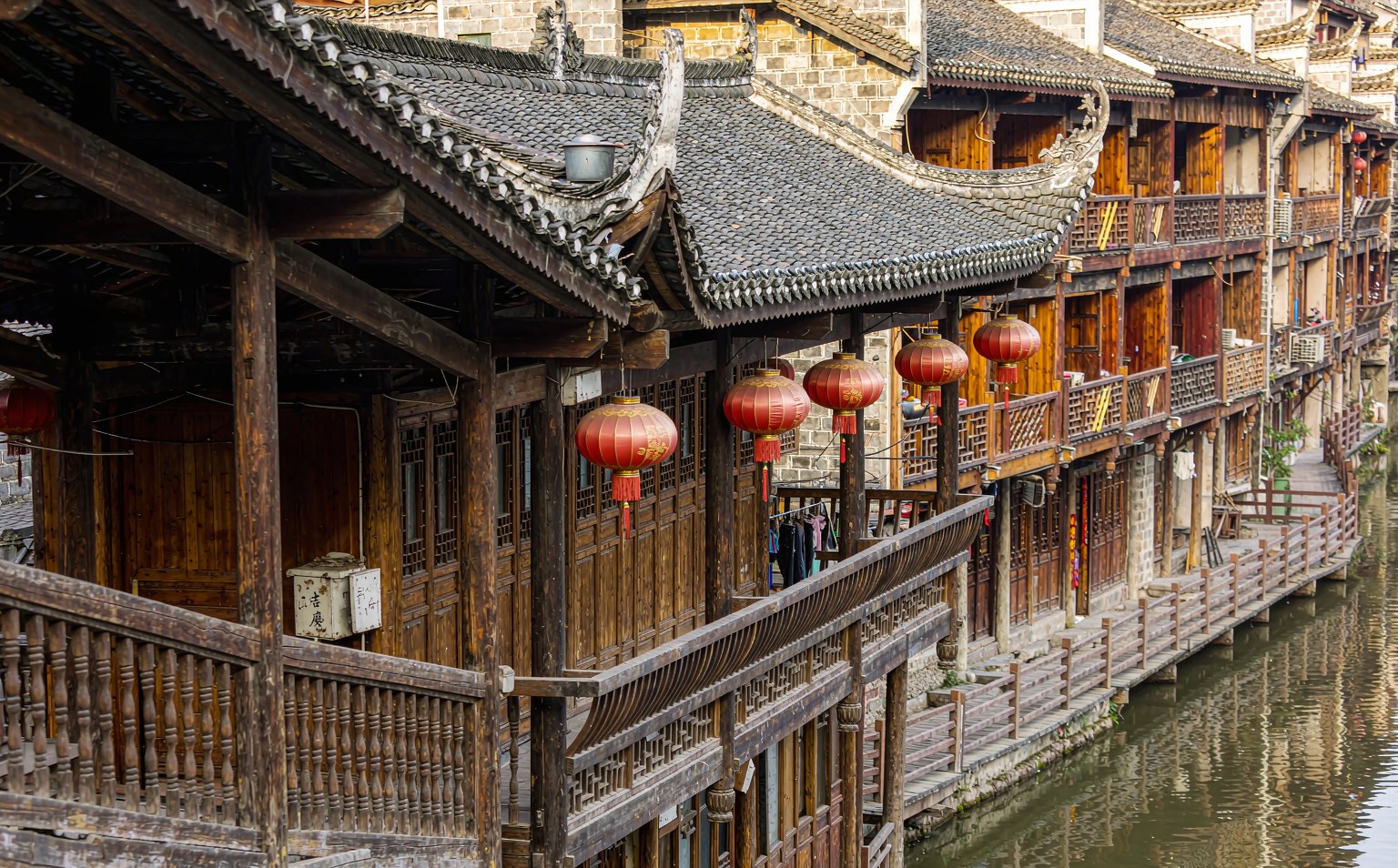
Fenghuang, Furong and Aizhai in Six Days from Luoyang
Fenghuang is only itself after the lamps come on, the waterfall at Furong runs through the middle of the town, and the bridge at Aizhai hangs over a gorge. Six days along one line in western Hunan, without Zhangjiajie, at an easy pace.
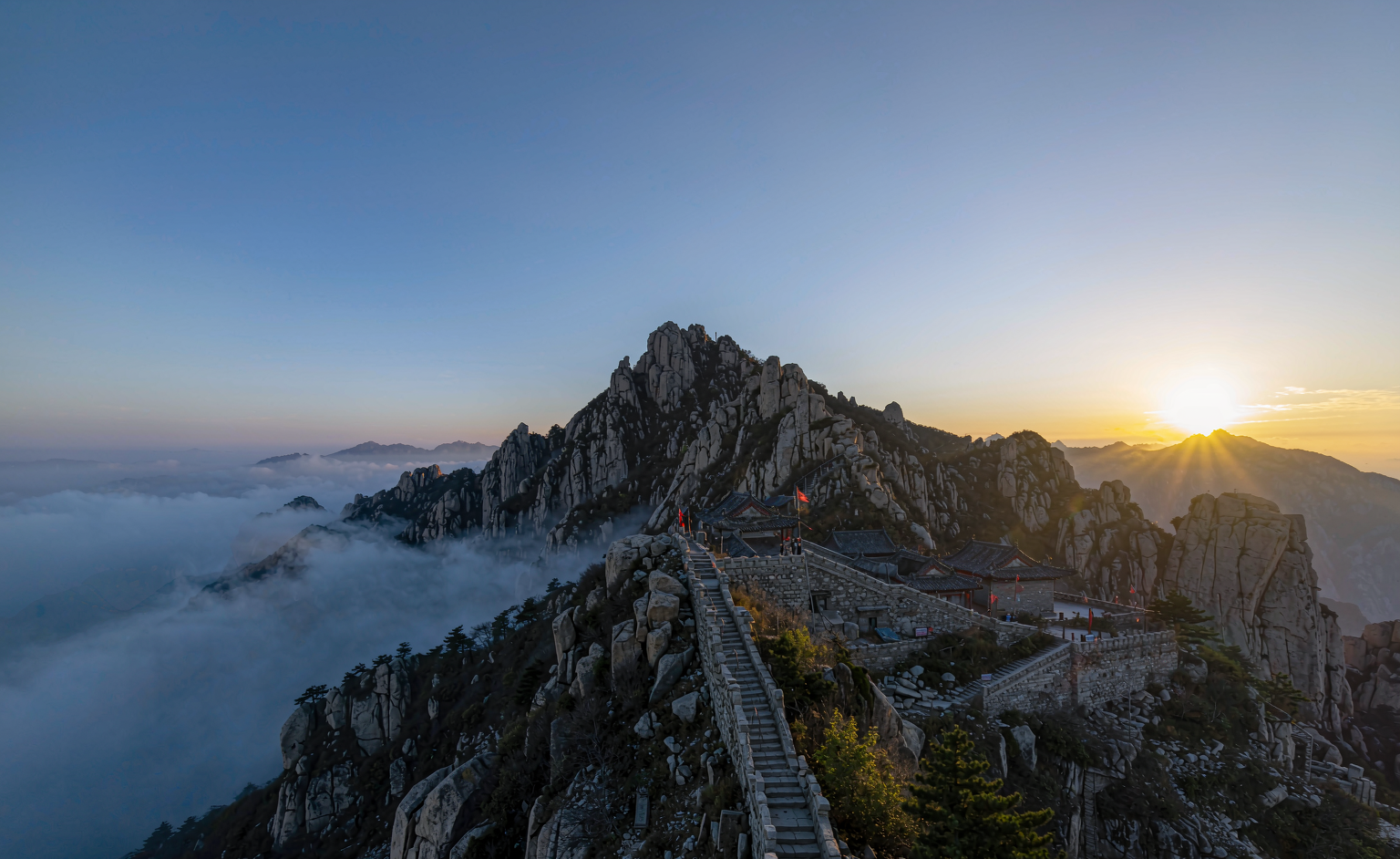
Mount Tai Sunrise, Qufu and Jinan in Six Days from Luoyang
Tai still sells peak-season tickets until the end of November, and the summit is cold without yet being frozen. Six days linking Tai, Qufu and Jinan, with a night on the mountain so the sunrise is not a midnight climb.
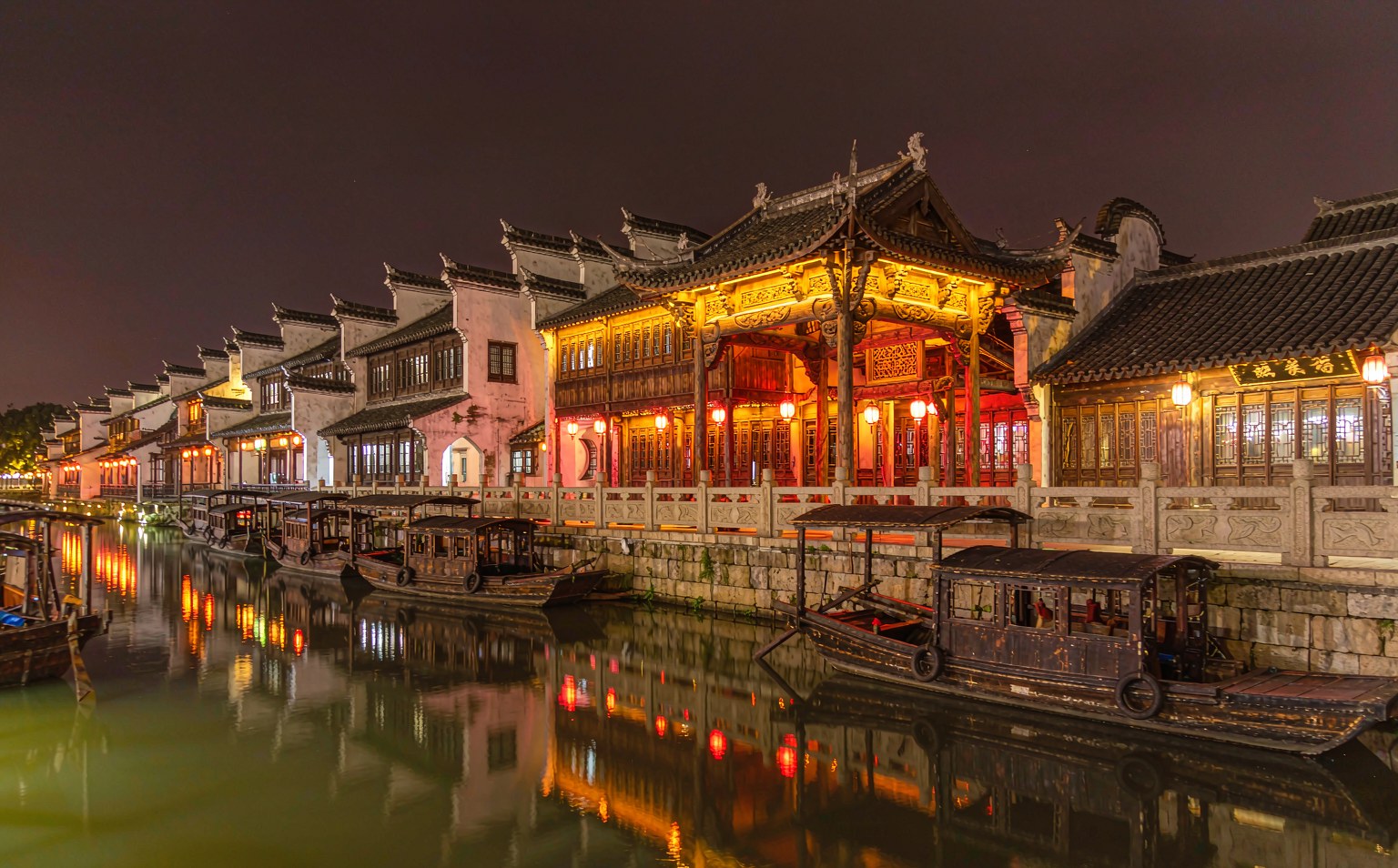
Wuzhen, Xitang, Nanxun and Hangzhou in Six Days from Luoyang
November in the lower Yangtze is damp, the canals fog over before breakfast and everything changes once the lanterns are lit. Three water towns, a night in each, and a final full morning on West Lake.
Huangguoshu, Libo and Xijiang in Six Days from Luoyang
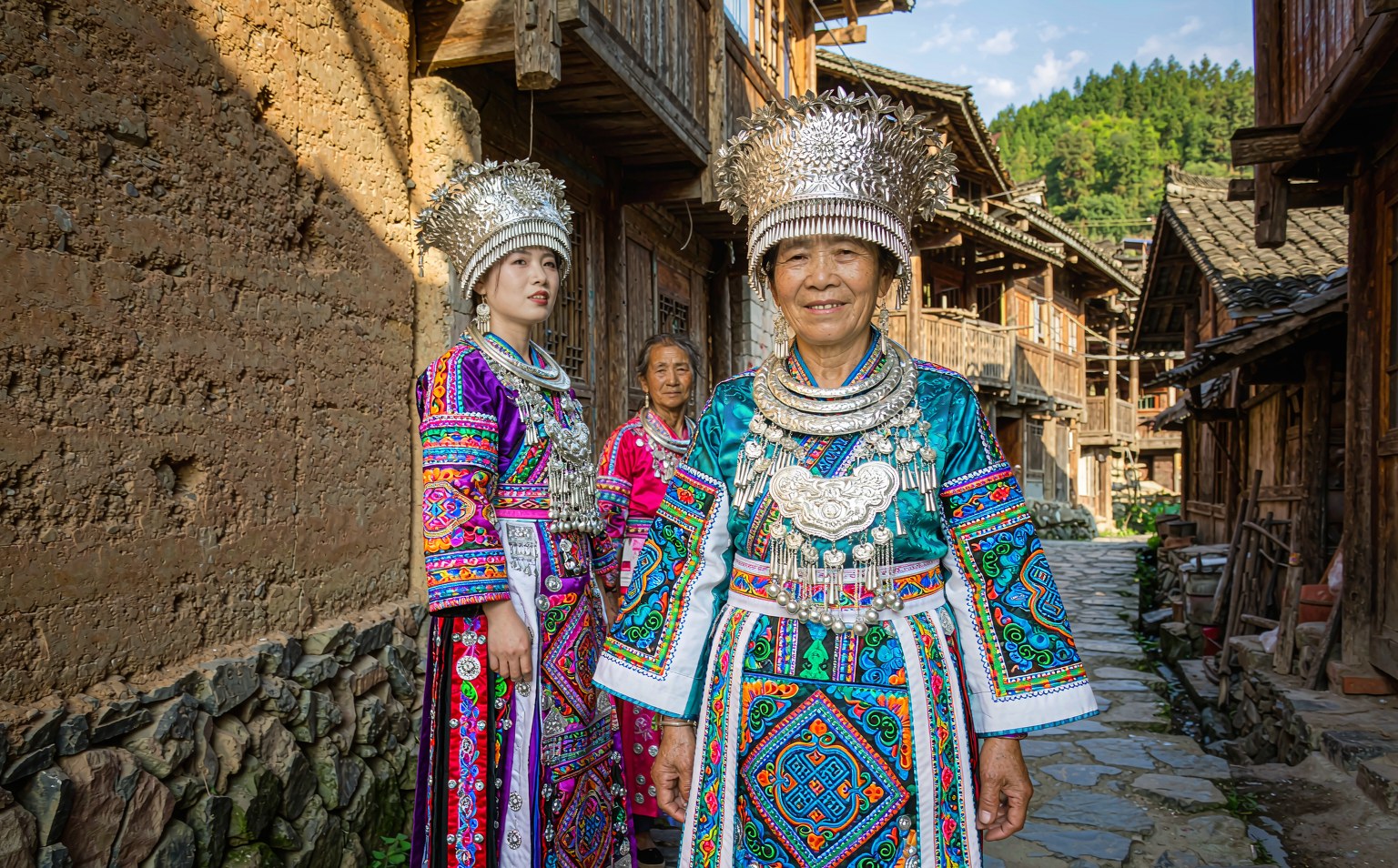
In November the water in Guizhou is still full and the crowds have thinned. Six days along three axes: the waterfalls at Anshun, the green water at Libo, and the thousand-household Miao village at Kaili, without doubling back.