
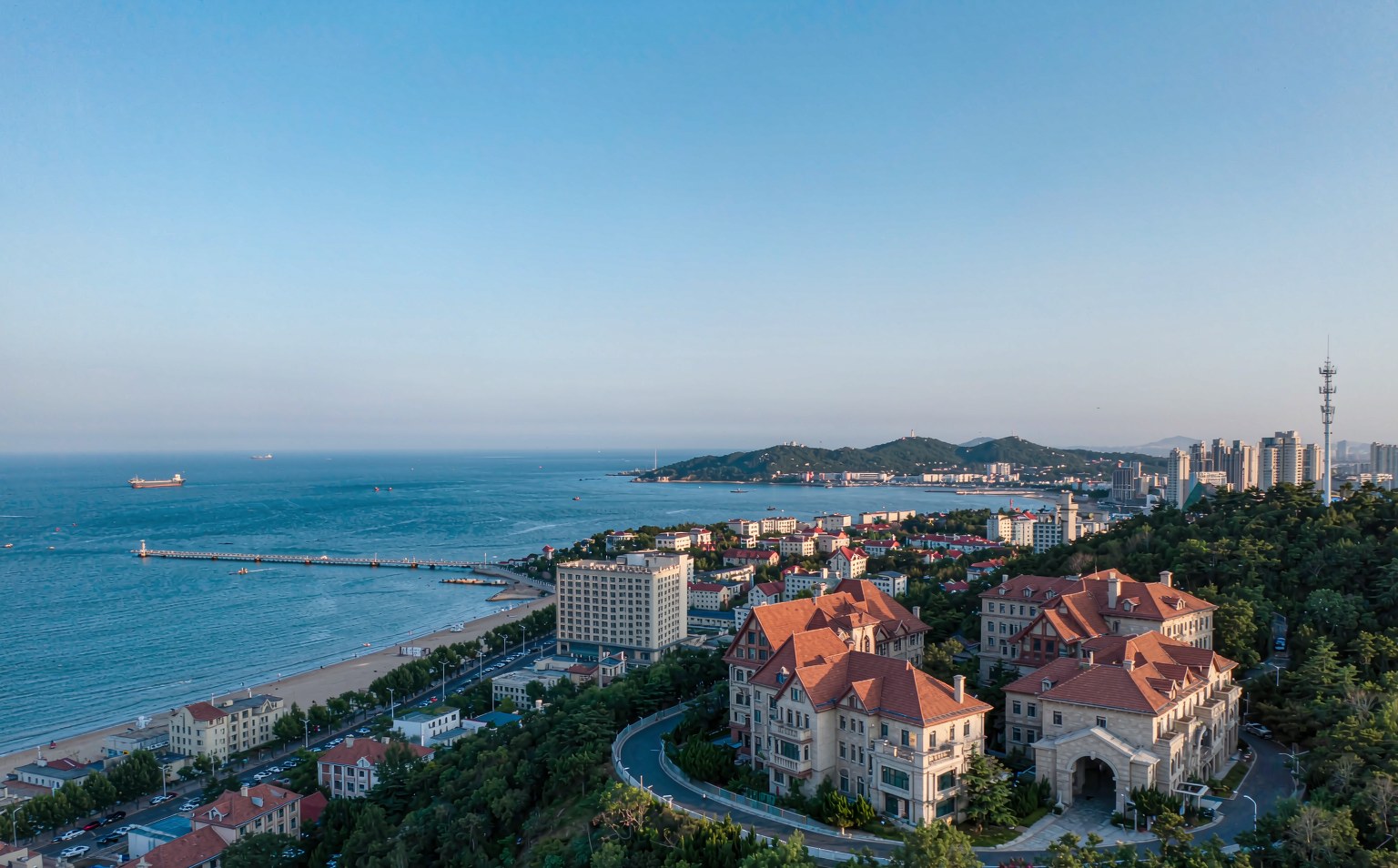
Qingdao, the Rongcheng Swan Lake, Weihai and Penglai in Seven Days
In November the Shandong coast goes quiet: gulls settle around the Zhanqiao pier and the first whooper swans arrive in the lagoon at Rongcheng. Seven days east from Qingdao, two nights beside the lake, finishing on the cliff at Penglai.
Highlights
Day 1: East from Luoyang, Qingdao by evening
A morning train from Luoyang Longmen, east through Jinan, and past Weifang the country flattens into salt pans and wind turbines. Into Qingdao North in the afternoon, metro into the city, bags down near the pier, and as the light goes a walk up Zhongshan road to the Huilan pavilion at the end of the pier.
Attraction introduction: The Zhanqiao pier was built in 1892 as the first artificial landing in Qingdao, running more than four hundred metres to an octagonal pavilion at its tip. Zhongshan road is the old German-era street, its buildings mostly 1920s and 1930s, with Pichai courtyard at the northern end. The pier faces Little Qingdao across the water, and at low tide the reef shows a crust of oyster shell.
Tips: Guests generally find they underestimate the wind on the first evening, since the waterfront feels five or six degrees colder than the streets behind it. In practice this evening covers only the stretch from Zhongshan road to the pier, forty minutes on foot, and then back to the hotel rather than standing about.
Day 2: Slopes of the old town, gulls at the pier
Out at half past eight for Xiaoyushan. The hill takes ten minutes to climb and the pavilion at the top faces Huiquan bay, red roofs stepping down to the water. Down by way of Fushan road into Badaguan, where the plane trees are mostly bare and the lanes are empty. Back to the pier after lunch to watch the gulls working the surface.
Attraction introduction: Badaguan is a grid of ten roads named after passes, holding more than two hundred houses in Russian, British and Japanese styles, with the Huashi villa at the end of Huanghai road above the second bathing beach. Xiaoyushan rises sixty metres and gives the truest angle on the red roofs of the old town. The black-headed gulls winter here from late October to April, thickest in the shallows either side of the pier and most active at dawn and dusk.
Tips: Guests generally find Badaguan looks small on the map and takes a day on foot, since every road is a slope. In practice we walk only the line from Fushan road to the Huashi villa and drive the rest; and feed the gulls the pellets sold on the shore, not bread or crisps, whose oil mats their feathers.
Day 3: East by intercity, a bed beside the swan lake
The nine o clock intercity from Qingdao North runs along the southern coast, past Jimo and Haiyang, reaching Rongcheng in two hours. Lunch first, then out to the lake in the afternoon, parking on the eastern bank at Chengshan. By four we are on the embankment as the swans drift toward the shallows, busiest just as the sun drops behind the reeds.
Attraction introduction: The swan lake at Chengshan is a half-closed lagoon separated from the sea by a single sand bar, rich in small fish and plankton, and rarely freezing over. From November to March whooper swans, ducks and geese arrive from Siberia and Inner Mongolia; the eastern bank carries a boardwalk and viewing platforms, entry is free and the glass tower costs ten yuan.
Tips: Guests generally find the swans are shy and swim away as you approach, so a long lens works better than getting close. In practice the watching is placed between three and five in the afternoon, when the light is side-on and the birds are active; the wind off the water is stronger than in town, so hats need a strap.
Day 4: The lake before breakfast, Yandunjiao after lunch
Up at half past six and at the water before seven. At this hour the lake often carries a thin fog, the swans just awake, calling, coming out from behind the reeds in groups. Back for breakfast at nine and a sleep afterwards. In the afternoon, the village of Yandunjiao in Lidao, car at the entrance and five minutes on foot to the bay.
Attraction introduction: Yandunjiao is a fishing village whose bay is sheltered on three sides and does not freeze, so the swans feed a dozen metres offshore. The old houses are seaweed-roofed: stone walls to the eaves and a roof of eelgrass laid in layers, thick and rounded at the ridge, built this way for centuries. The village charges nothing, and a boardwalk runs along the shore.
Tips: Guests generally find the early hours are worth the alarm, though there is no shelter on the bank and the wind comes straight in. In practice watching is capped at ninety minutes before a hot breakfast; the village is people's homes, so gates stay shut, and drones are not flown into the flock.
Day 5: Across to Weihai and a stretch of the coast road
Check out at ten and take the intercity to Weihai, half an hour. Lunch in the city, then the coast road east from Banyue bay, rock and pine the whole way, stopping at a few terraces. By evening we are at Xingfu gate watching the lights come on across Weihai bay.
Attraction introduction: Weihai bay is a half-closed inlet with Liugong island across its mouth, where the Beiyang naval headquarters and the relics of the 1894 war remain; reaching the island needs a boat, ticketed separately. The coast road follows the shoreline, bending and climbing gently, and is where locals ride. Xingfu gate is a gateway-shaped structure facing the island, and at low tide the flats below it run out a long way.
Tips: Guests generally find the wind at Weihai harder than at Qingdao, and ten minutes on the coast road is enough to feel it. In practice three terraces are used and the rest is seen from the bus; Liugong island takes half a day with the crossing, so it is left out when time is short.
Day 6: West to Penglai and up onto the cliff
Away from Weihai at half past eight, west on the expressway, Penglai in ninety minutes. Into the scenic area first, up onto the wall at Zhenyang gate, along to the eastern battery and then up Dan Ya hill. The terrace in front of the pavilion faces open water, and on a clear day the sea shows a line where the colour changes. The afternoon goes to the water city, its Ming gate and breakwater.
Attraction introduction: Penglai Pavilion stands on Dan Ya hill, first built in the Northern Song and counted with the Yellow Crane, Yueyang and Tengwang pavilions among the four great towers; what stands now was rebuilt in the Qing. Below it the water city was a Ming naval base, its wall, water gate and wave-calming platform intact, where Qi Jiguang drilled the fleet. The ticket is 100 yuan and valid two days, the cable car 40 one way or 60 return, and the park shuttle 20 for the full circuit.
Tips: Guests generally find the steps are concentrated on the Dan Ya climb, and that the cable car saves older travellers. In practice the car is kept for those who need it going up while everyone else walks the wall; mirages belong to spring and early summer, so nobody should expect one in winter.
Day 7: A morning by the harbour, home by evening
A walk along the waterfront in the morning to watch the boats come in and the catch sorted on the quay. Check out at half past nine, at Yantai South by half past ten, and west by rail through Jinan or Zhengzhou to Luoyang in the evening.
Attraction introduction: The fishing harbour sits north of the old town, its morning market selling Spanish mackerel, sea intestines and small shellfish straight off the boats, locals buying by the heap. Yantai South is a stop on the Qingdao Rongcheng intercity, west toward Jinan and Zhengzhou, east back to Weihai. Much of the line runs close to the shore, with tidal flats and fish farms on the seaward side.
Tips: Guests generally find the last morning disappears into buying seafood, and that boxes and ice bags need arranging with the seller in advance. In practice the shopping is held to half an hour and the train is fixed for half past ten; live shellfish cannot go on the train, though dried and vacuum-packed goods can.
Related Tours
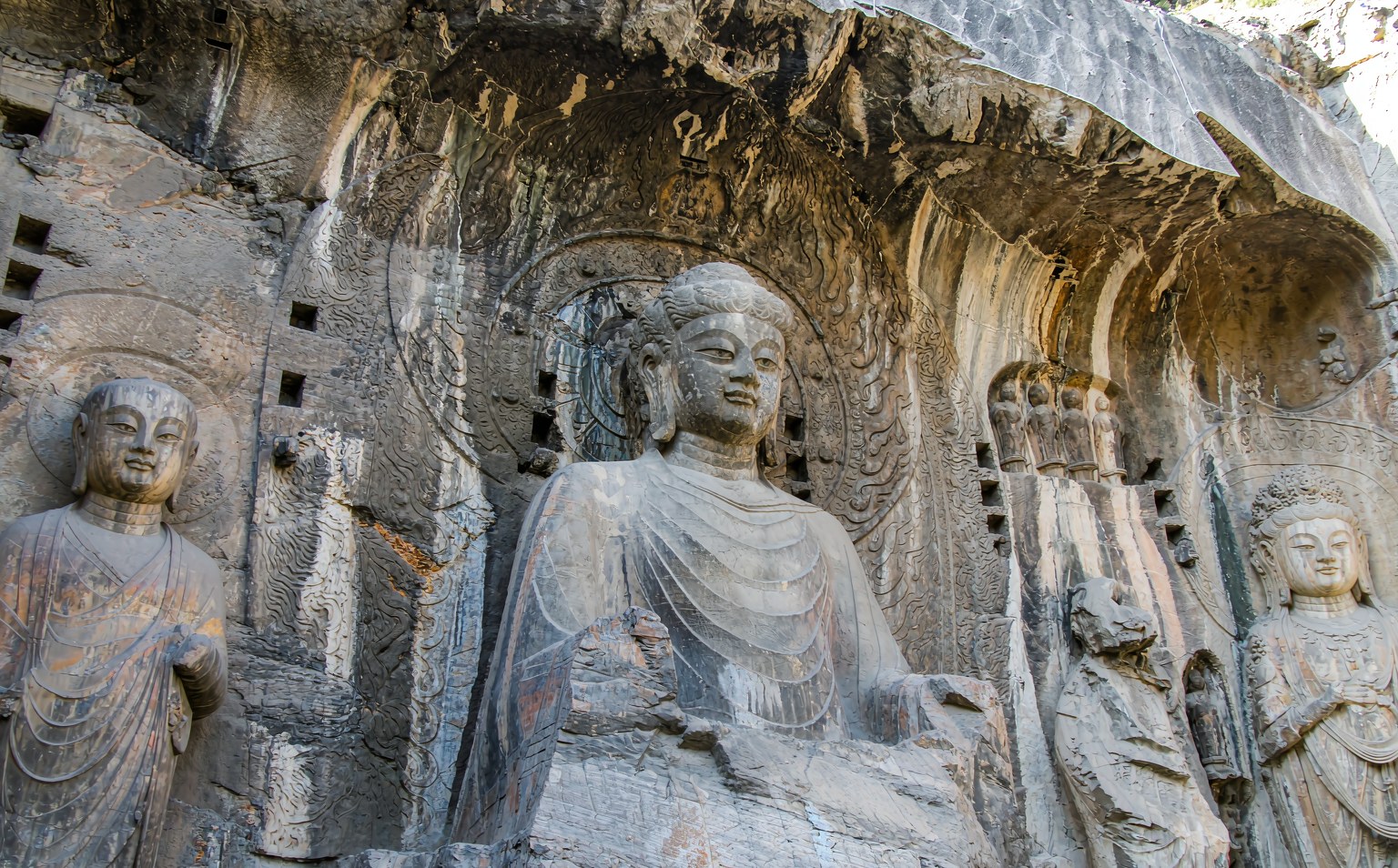
Luoyang Departure: Longmen Grottoes, White Horse Temple and the Han-Wei City, 4 Days
Four days without leaving the city: carved stone at Longmen, the first Buddhist temple at Baima, and six hundred years of capital pressed into the earth at the Han-Wei site. From November Longmen closes its gate at five.
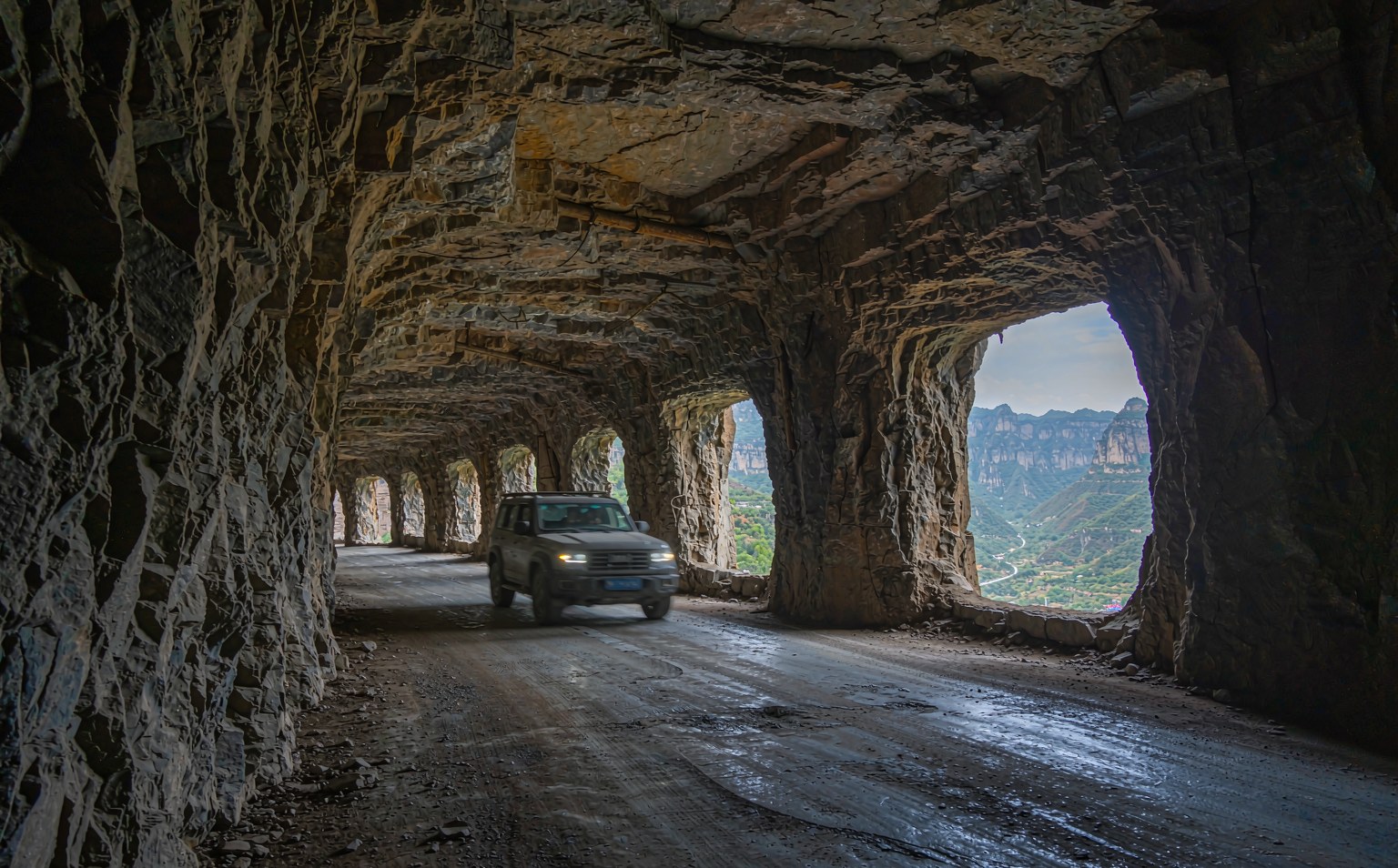
Luoyang Departure: Wanxian Mountain, Guoliang Village, Nanping and Luojiezhai, 3 Days
Three days living on the Taihang cliffs: the 1,250-metre tunnel road at Guoliang first, then the streams of Nanping, and finally the stone houses of Luojiezhai. By November the leaves are down and the rock face shows itself.
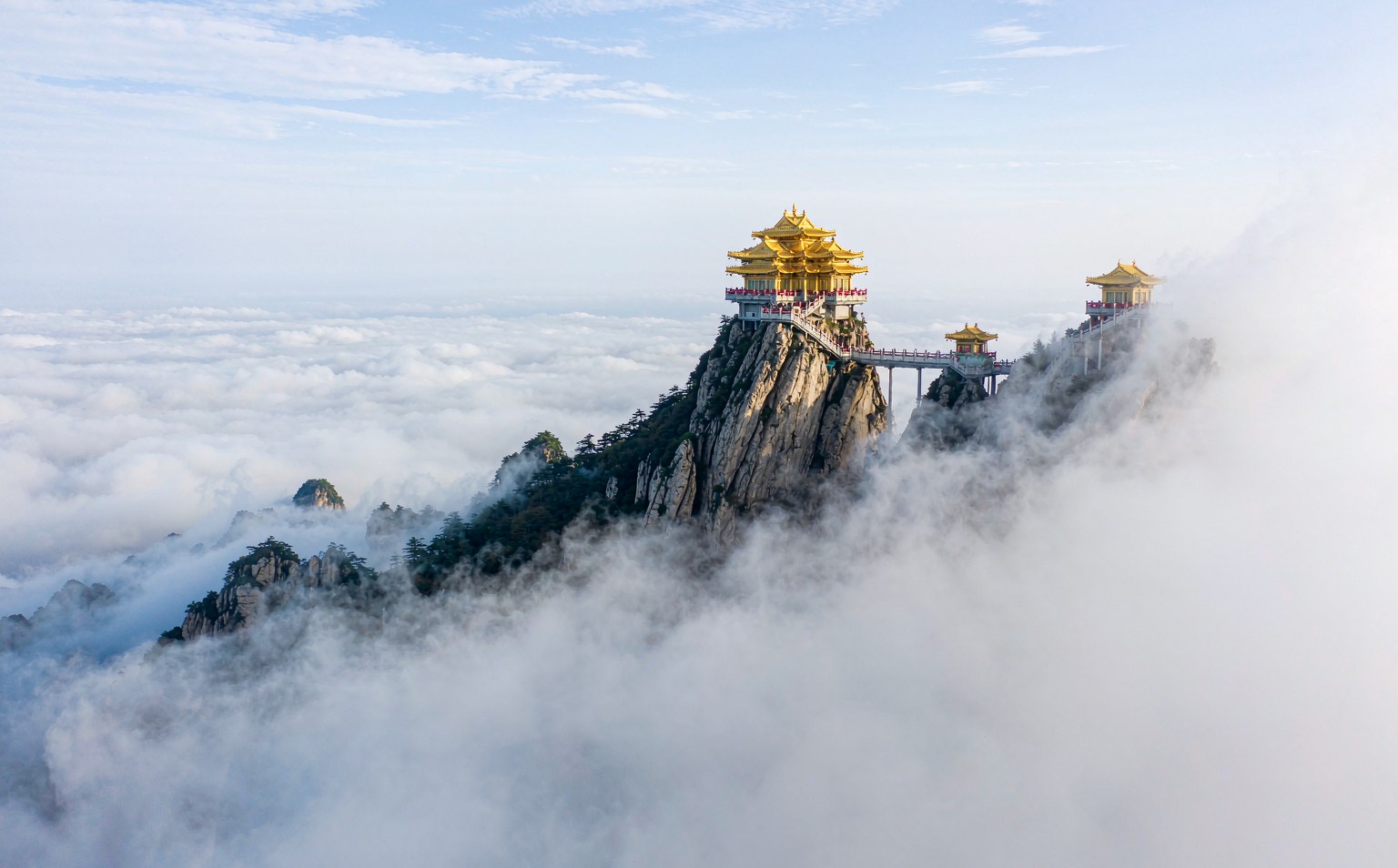
Luoyang Departure: Laojun Mountain, Jiguan Cave and Tianhe Grand Canyon, 5 Days
Down into a cave first, then up a mountain, then along a gorge: 1,800 metres inside Jiguan, a night on the summit waiting for the lamps and the sunrise, and a canyon so empty in low season that only water makes noise.
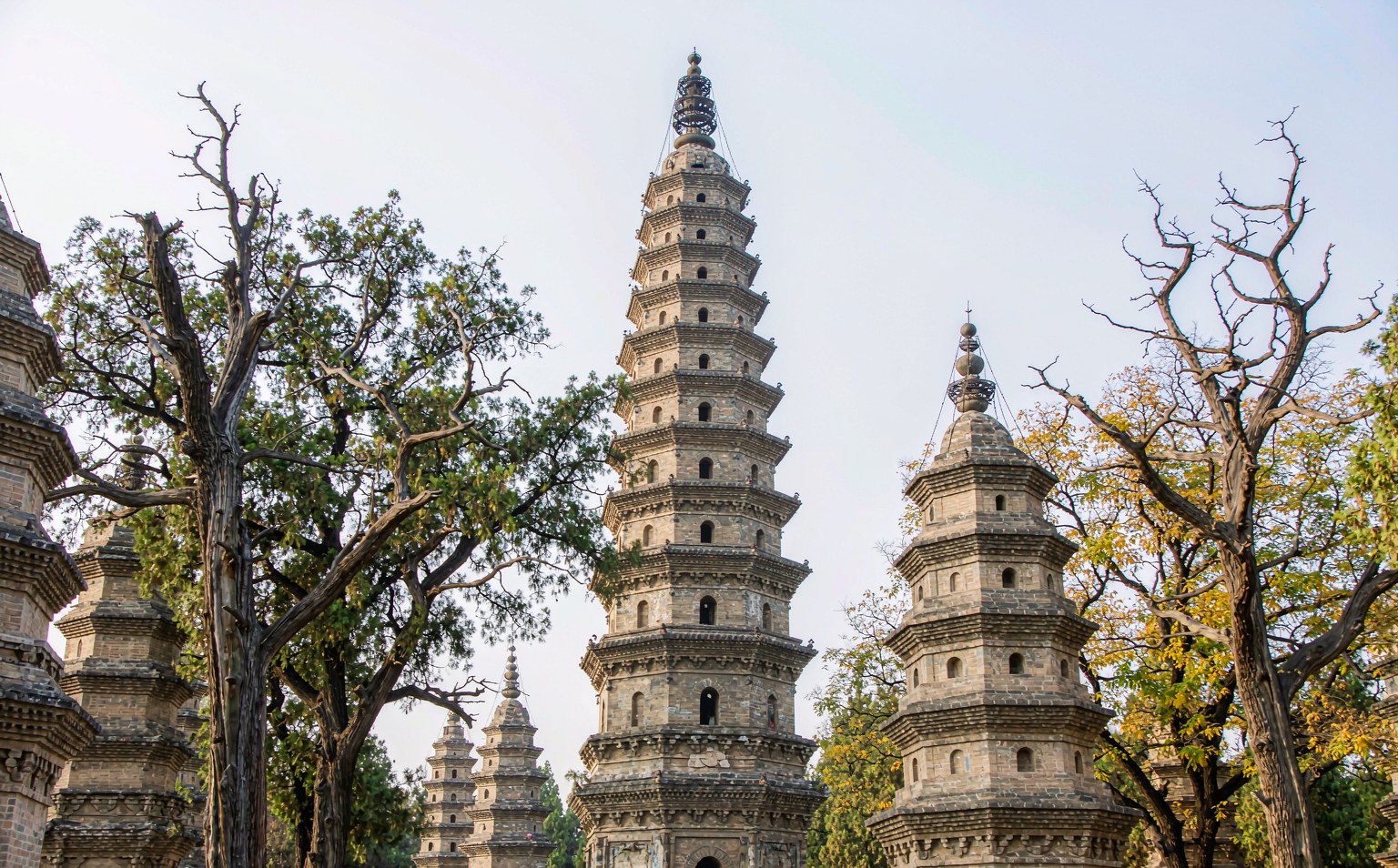
Luoyang Departure: Shaolin Temple, Sanhuangzhai, Songyang Academy and the Observatory, 4 Days
Four days moving between the two flanks of Mount Song: two-thousand-year-old cypresses at the academy, the pagoda forest at Shaolin, a cliff boardwalk at Sanhuangzhai, and a Yuan dynasty observatory at the end. Lodging stays in the county town, half an hour from everything.