
Huangshan, Tachuan and Hongcun in Four Days, Before the Leaves Fall
The tallow trees at Tachuan colour in mid to late November and hold it for a fortnight at most. Four days with one on the mountain and one for the village and the old lanes, timed to the leaf.
Highlights
Day 1: East from Luoyang, Tunxi by dusk
A seven o clock train from Luoyang Longmen, southeast through Zhengzhou East, the hills thickening after Hefei South, and Huangshan North around two in the afternoon. The car runs into Tunxi, bags down, and the old street walked at dusk from one end of Zhenhai bridge to the other.
Attraction introduction: Tunxi old street runs more than twelve hundred metres on stone paving, its brick and timber shopfronts in Ming and Qing style, workshop behind counter, selling ink, brushes, tea and the four Huizhou carvings. Zhenhai bridge at the entrance crosses the Xin an river and dates from the Ming. The river runs four or five metres below the street, and on a foggy evening the far bank disappears.
Tips: Guests generally find the first day arrives late, since shops begin closing at half past seven. In practice the hotel sits ten minutes from the street and an hour there is enough; nothing for the mountain is bought today, because Tangkou is better value.
Day 2: Up by Yungu, down by Yuping, a line across the massif
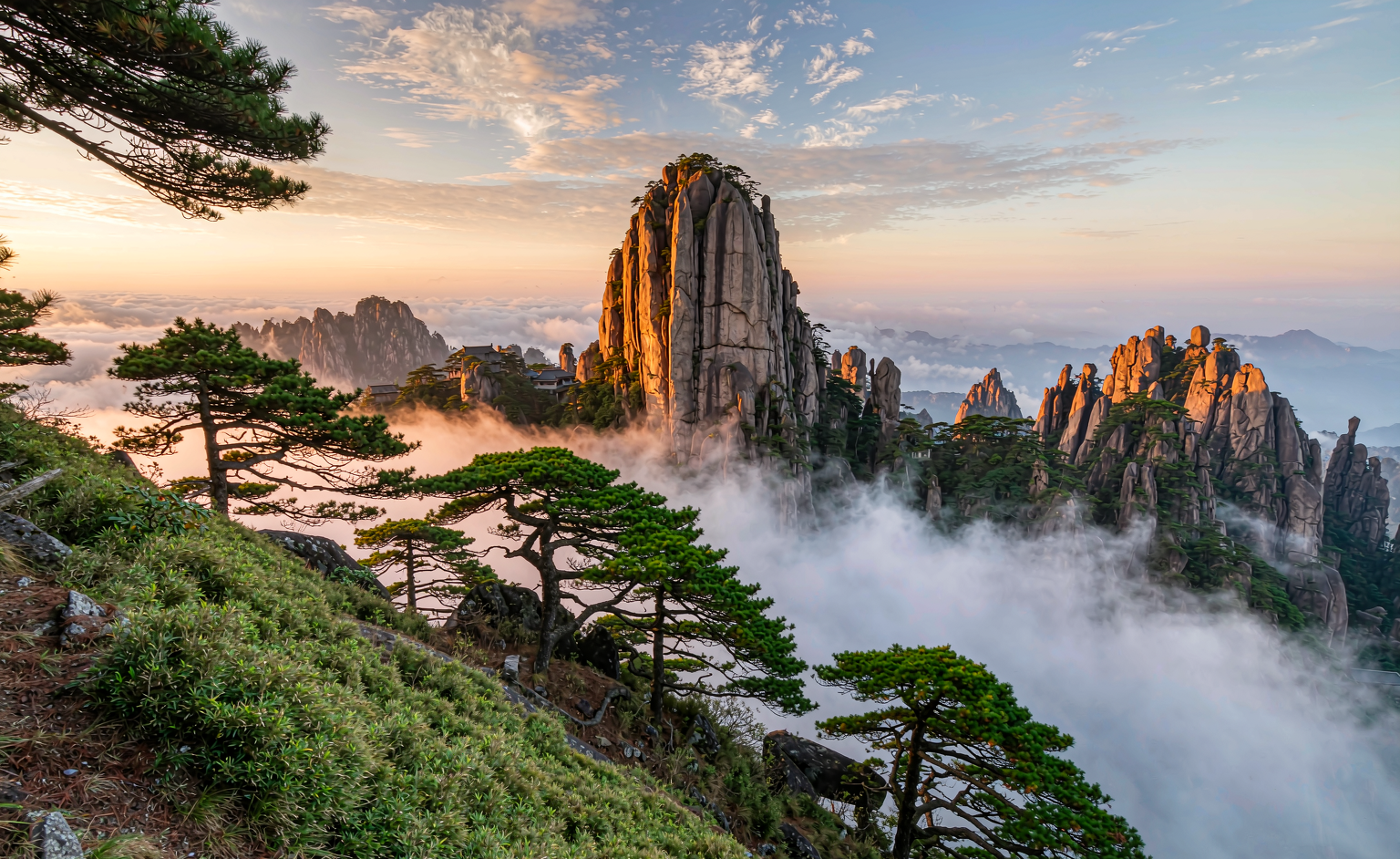
Away from Tunxi at half past six, forty minutes to the Tangkou interchange, shuttle to Yungu temple and the cable car at twenty to eight. From the top, Shixin peak first for the harp and sea-gazing pines, then west to Bright Summit. Lunch near the Baiyun hotel, and in the afternoon the Ao Yu rock to the Lotus pavilion, the Greeting Pine seen from Yuping tower, and the Yuping cable car down at four.
Attraction introduction: Shixin is a cluster of stone pillars in the east of the massif, with a pine growing from a crevice at its foot. Bright Summit at 1,860 metres is the second highest point, with the weather station on top. The Greeting Pine before Yuping tower is over eight hundred years old, one limb extended like an offered arm, and is the emblem of the mountain. The West Sea gondola costs 100 one way, and the canyon walk below takes three or four hours.
Tips: Guests generally find a day on Huangshan leaves the legs stiff, with nearly two thousand steps up and down. In practice both directions are by cable car, saving the strength for the ridge; the West Sea canyon is left out this time, seen only from Paiyun pavilion, and kept for a longer trip.
Day 3: Tallow trees at Tachuan, water at Hongcun
Out of Tangkou at seven, Tachuan in an hour. The car stops at the village edge and a path climbs the slope past dark red tallow, yellowing maple and terraced fields stacked one above another. On to Hongcun at half past nine for the moon pond first, then the water lanes south to the lake. The afternoon goes to the Lu village terrace for the whole spread of roofs.
Attraction introduction: Tachuan lies a little over two kilometres east of Hongcun, its slope planted with tallow, maple and sweetgum that turn from green through yellow to red in November, the most concentrated autumn colour in southern Anhui; the ticket is 35 yuan and it opens eight to five. The moon pond at Hongcun is a half-moon tank at the centre of the village, the Wang clan hall and houses around it, with the south lake below and the painted bridge across it. Lu village is quieter still, its terrace on the slope behind.
Tips: Guests generally find only a handful of viewpoints at Tachuan and a queue for them after ten. In practice we leave Tangkou at seven and are inside before eight, when the light comes in from the southeast; and a night at Hongcun allows an empty walk the next morning rather than a crowd at the pond.
Day 4: The moon pond at dawn, home by night
Out at half past six with the pond to ourselves, white walls and stepped gables upside down in the water, a few ducks crossing. South along the water lanes to the lake, where students are already sketching on the bridge. Breakfast at eight, away at half past nine for Huangshan North, on the train before eleven, and Luoyang in the evening.
Attraction introduction: Hongcun water system was cut in the Ming, drawing the West Stream into the village so that a channel runs past every door, with the moon pond as the cistern at its heart and the south lake as its outlet. More than a hundred and forty Ming and Qing houses survive, the beams of the Chengzhi hall the most intricately carved. The drive to Huangshan North takes about an hour through Yi county, mulberry fields and tea on both sides.
Tips: Guests generally find the last morning disappears into buying dried bamboo and cured pork. In practice two shops at the village entrance are used, priced much like the county town, and the car leaves at half past nine; the train is booked after eleven with an hour of slack.
Related Tours
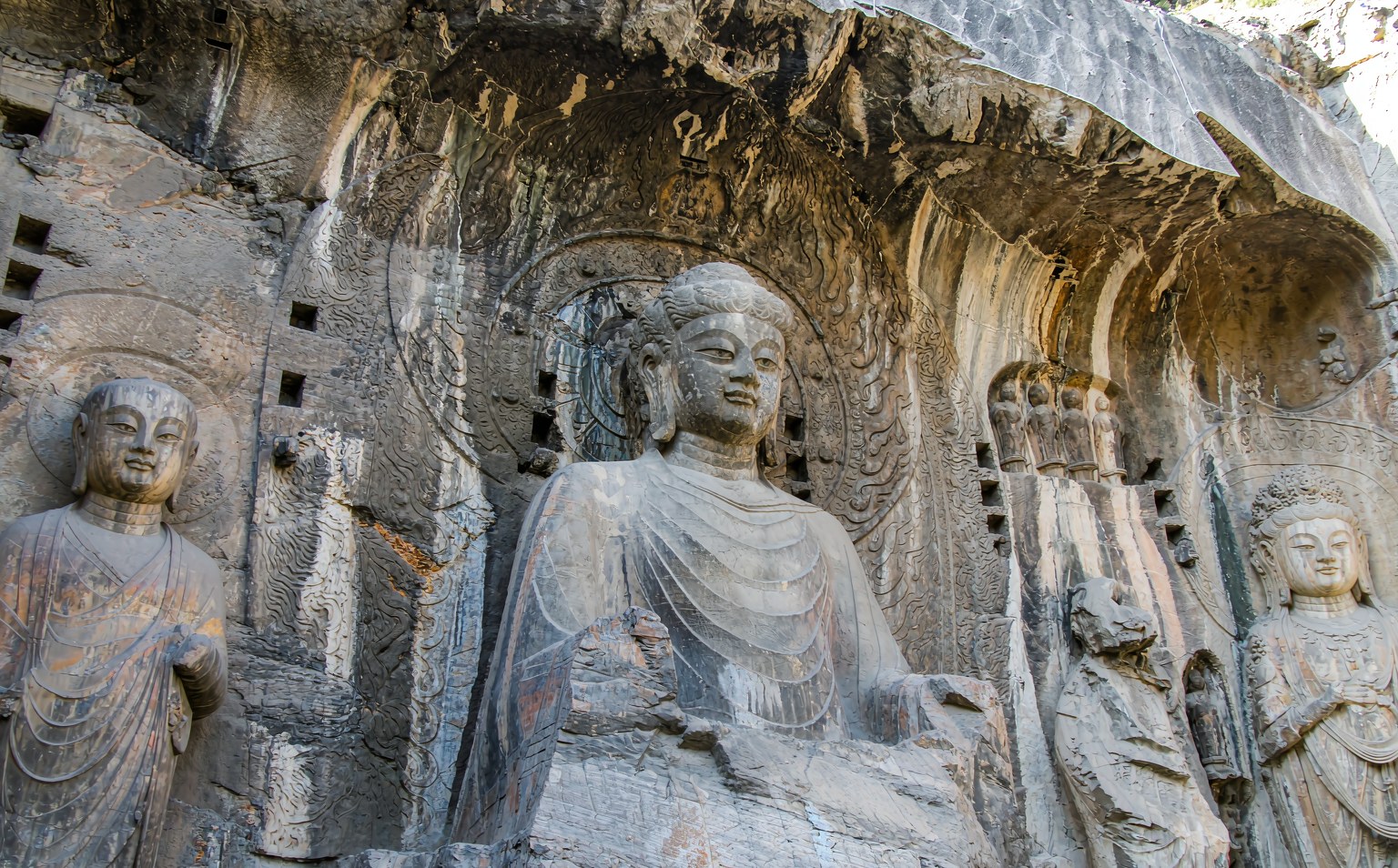
Luoyang Departure: Longmen Grottoes, White Horse Temple and the Han-Wei City, 4 Days
Four days without leaving the city: carved stone at Longmen, the first Buddhist temple at Baima, and six hundred years of capital pressed into the earth at the Han-Wei site. From November Longmen closes its gate at five.
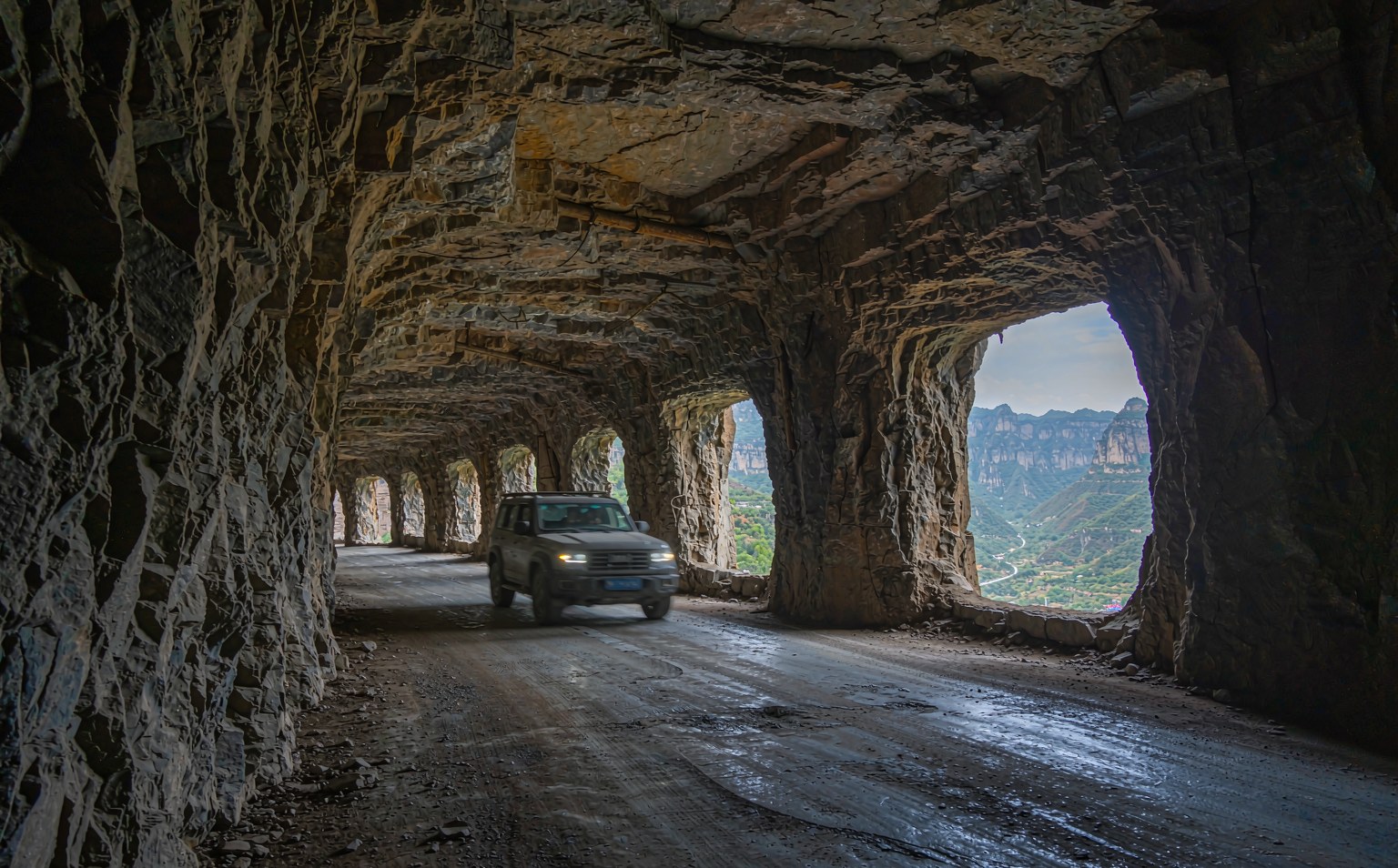
Luoyang Departure: Wanxian Mountain, Guoliang Village, Nanping and Luojiezhai, 3 Days
Three days living on the Taihang cliffs: the 1,250-metre tunnel road at Guoliang first, then the streams of Nanping, and finally the stone houses of Luojiezhai. By November the leaves are down and the rock face shows itself.
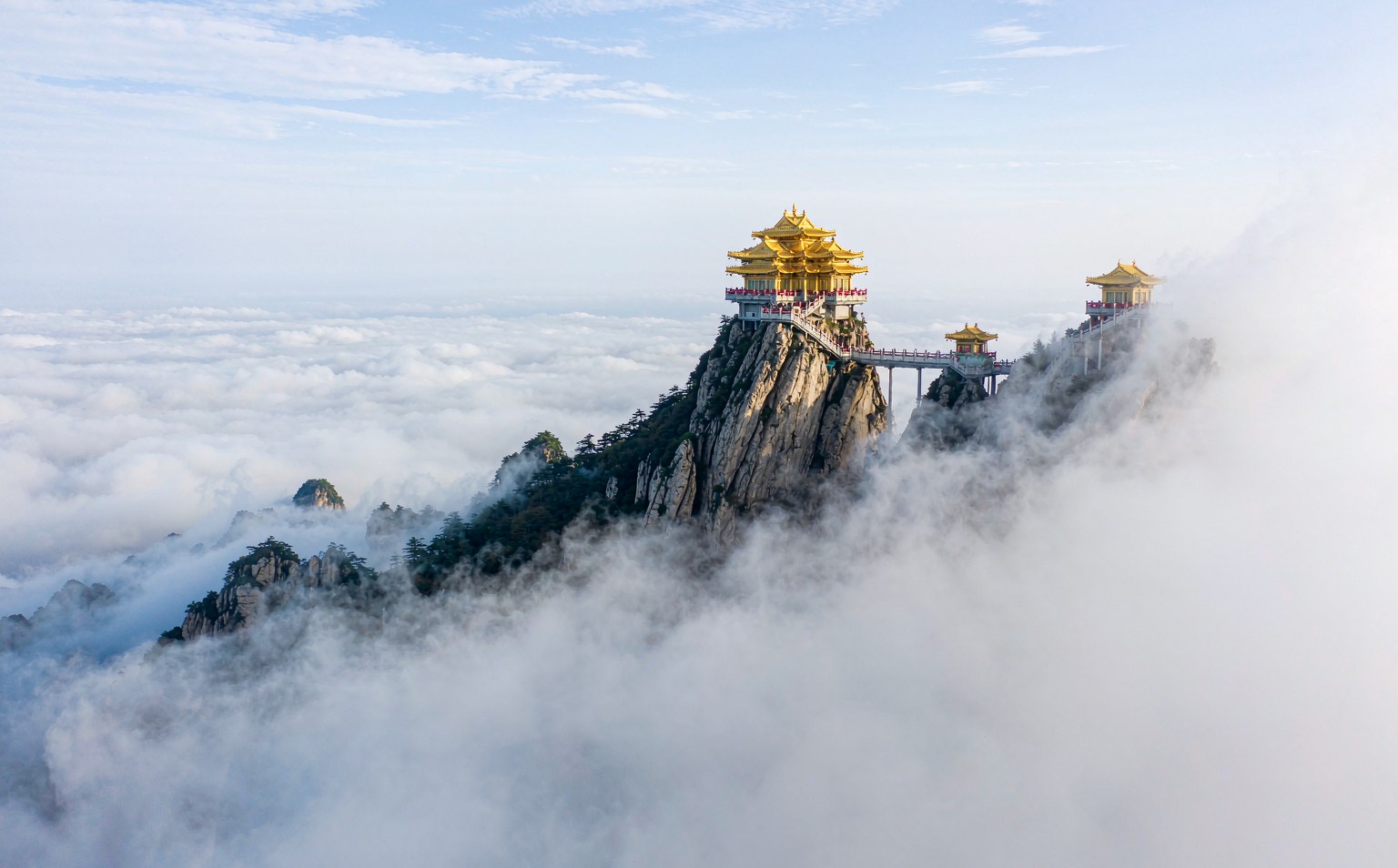
Luoyang Departure: Laojun Mountain, Jiguan Cave and Tianhe Grand Canyon, 5 Days
Down into a cave first, then up a mountain, then along a gorge: 1,800 metres inside Jiguan, a night on the summit waiting for the lamps and the sunrise, and a canyon so empty in low season that only water makes noise.
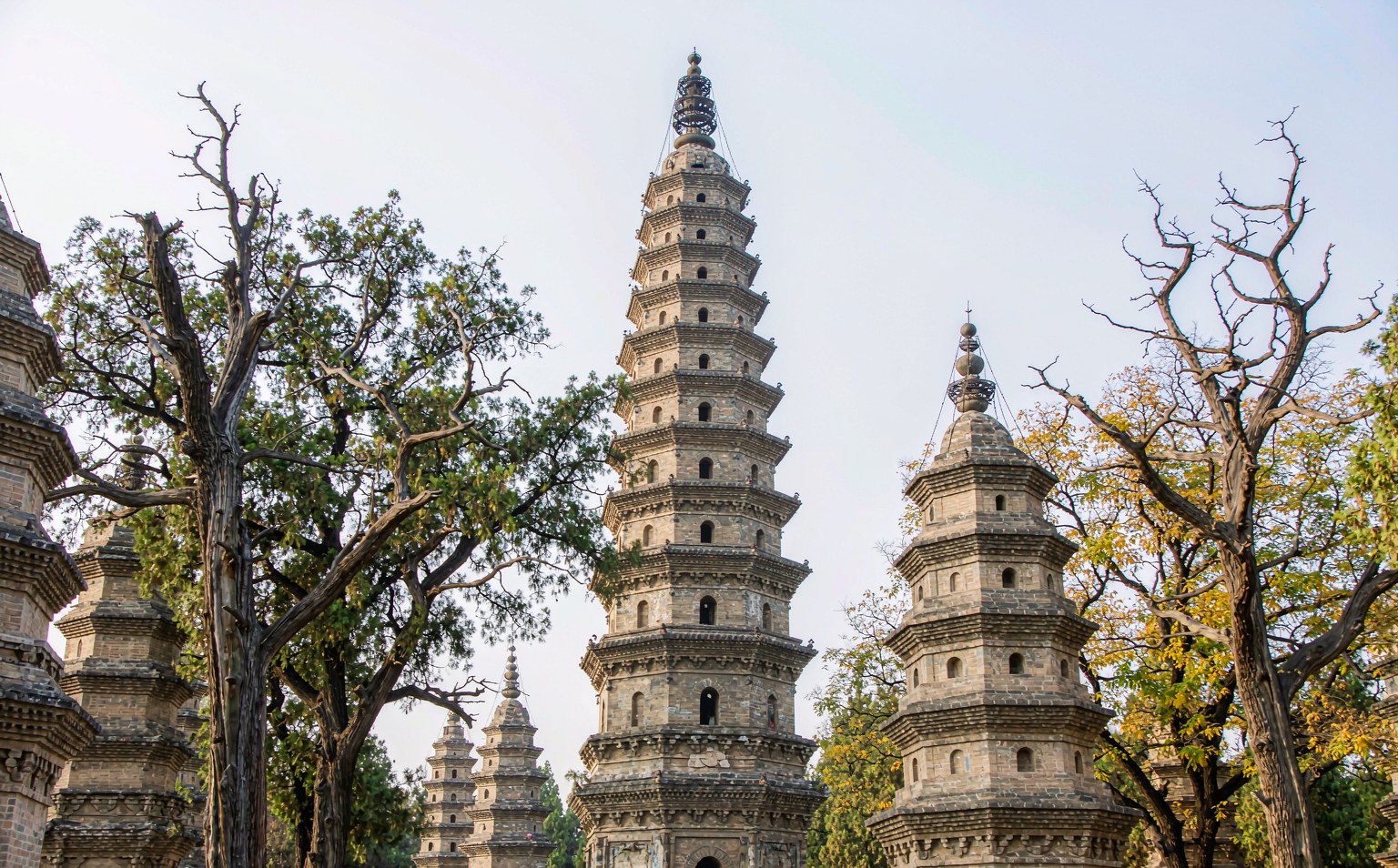
Luoyang Departure: Shaolin Temple, Sanhuangzhai, Songyang Academy and the Observatory, 4 Days
Four days moving between the two flanks of Mount Song: two-thousand-year-old cypresses at the academy, the pagoda forest at Shaolin, a cliff boardwalk at Sanhuangzhai, and a Yuan dynasty observatory at the end. Lodging stays in the county town, half an hour from everything.