
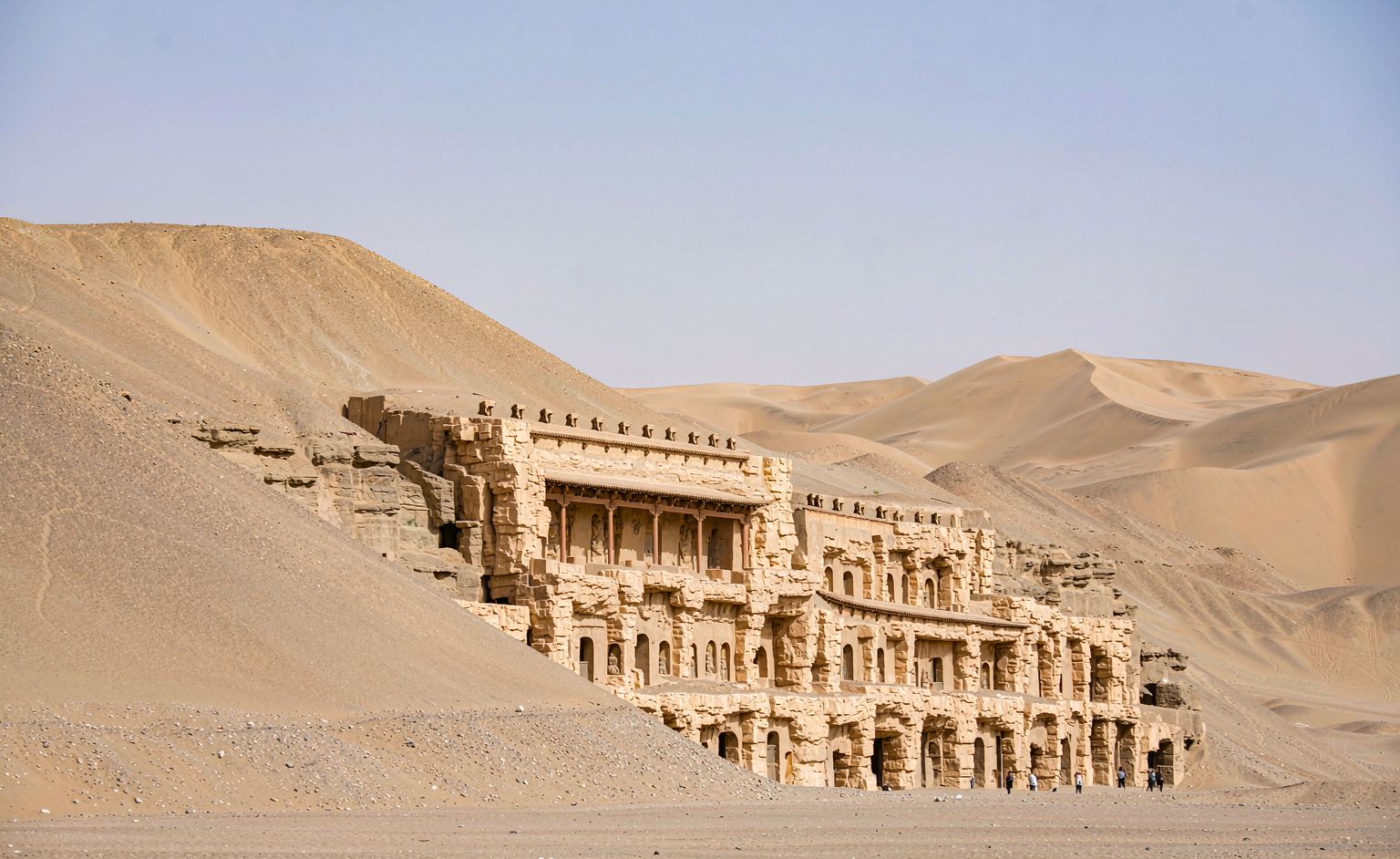
Mogao Caves, the Singing Sands, Yumen Pass and the Yardang in Five Days
November is the last peak month at Mogao and the ticket still stands at 238, while the sand dunes drop to half price at 55 with unlimited re-entry for three days. Five days covering the caves, the dunes and the whole western line.
Highlights
Day 1: Via Xian into Dunhuang, the night market after dark
A morning train from Luoyang Longmen to Xian North in ninety minutes, the airport intercity across to Xianyang, and a midday flight west that lands at Dunhuang two and a half hours later. Thirteen kilometres east into town, bags down while there is still light, and a first walk through the Shazhou night market.
Attraction introduction: Dunhuang sits at the western end of the Hexi corridor, the Dang river running past its southern edge, the oasis ringed by gravel desert and dunes. The night market occupies Yangguan Middle road, a street of apricot juice, donkey meat noodles and grilled lamb that fills from dusk until late. Sunset here runs more than an hour behind the interior, even in November around half past six.
Tips: Guests generally find the first day is when the dryness lands, lips and nose complaining by evening. In practice the night is kept to the market and the streets nearby with no long walk and no luggage; the room humidifier runs all night and the water glass sits by the bed.
Day 2: Mogao in the morning, the dunes at dusk
At the digital centre by eight for the two dome films, then the shuttle into the cave area. A guide takes us through eight caves, from cave 272 of the Northern Liang to cave 45 of the Tang, five or six minutes standing in each. Back into town for lunch and a sleep, and into the dunes at half past four.
Attraction introduction: Mogao was begun in 366 and holds 735 caves, 45,000 square metres of wall painting and more than two thousand painted sculptures, listed by UNESCO in 1991. Until the end of November the peak ticket is 238 yuan for eight caves and two films; from 1 December it drops to 140 with ten caves open. The Singing Sands and Crescent Lake went to half price, 55 yuan, on 1 November, valid for unlimited face-recognition entry over three days, open half past six to half past six.
Tips: Guests generally find that photography is not allowed inside and that the guide torch is the only light, so the eyes need a moment to adjust. In practice the caves are taken in the morning when groups are thinner and the talk is longer; for the dunes, cloth shoe covers are worth it, since ordinary trainers fill with sand in one crossing.
Day 3: The western line in a day, Yumen, the Han wall, the Yardang
Away at half past seven, ninety minutes west to Yumen Pass. The Little Square City stands alone on the gravel, its rammed earth walls reduced to an outline, and ten minutes walks the circuit. Further west the Han wall lies in stretches of reed and gravel across the salt flats. Lunch on the road, the Yardang at two, the shuttle around the northern route, turning back at four and into town by eight.
Attraction introduction: Yumen, known as the Little Square City, was the Han gateway toward the western regions; its rammed earth wall survives, with a 40 yuan ticket or 90 including the shuttle and the return drive. The Han wall here was built by layering reed and tamarisk between gravel, preserved by the aridity. The Yardang are wind-cut clay ridges about twenty-five kilometres across, the shuttle stopping at four points on the northern route, 120 yuan with the bus, open half past seven to half past five.
Tips: Guests generally find the driving is the hard part of the western line, four hundred kilometres in a day with no services between. In practice water and food go in the car and lunch is taken on the road; the wind at the Yardang needs a hat with a strap, a scarf against the grit, and sunglasses that are not merely decorative.
Day 4: One more dawn on the sand, then the flight east
Into the dunes at half past six on the ticket from two days ago, face recognition at the gate. Up the crest to wait for the sun, the wind having smoothed away yesterday footprints, the crescent lake plain below. Out by nine for breakfast, the Dunhuang museum through the morning, the airport at three and a four o clock flight east that lands in Xian by evening.
Attraction introduction: The crest is about twenty minutes of climbing from the gate, and sunrise comes before seven. The crescent lake sits at the foot of the dunes, fed underground and never dry, with a Qing-style pavilion at its edge. The museum is free, its Han slips and copies of the cave library documents the core of the collection, closed on Mondays. The local luminous cups are ground from Qilian jade thin enough to pass light.
Tips: Guests generally find the dawn dunes far colder than the evening, with a hard wind, so a down jacket is not excessive. In practice the second visit is placed at dawn and finished an hour after sunrise; the afternoon flight leaves two hours for the airport, because the desert road is unpredictable.
Day 5: A stretch of Xian, home after lunch
From the hotel to the foot of the city wall in the morning, south along the moat park toward the Yongning gate, past people doing taiji and spinning diabolo. Check out at ten, at Xian North by eleven, and Luoyang ninety minutes later.
Attraction introduction: The Xian wall was extended in the Ming on the Tang imperial city plan, 13.7 kilometres round and twelve metres high, the most complete ancient city wall remaining in the country. The moat park runs along its outer face and belongs to local morning exercise. Xian North joins the Xuzhou Lanzhou and Xian Chengdu lines, with three or four trains an hour east toward Luoyang.
Tips: Guests generally find the last morning goes to hiring bicycles on the wall, a circuit of more than two hours that ends in a missed train. In practice the walk stays at the foot of the wall without going up, and the station is entered by eleven; the ticket is booked after half past eleven so nobody has to run.
Related Tours
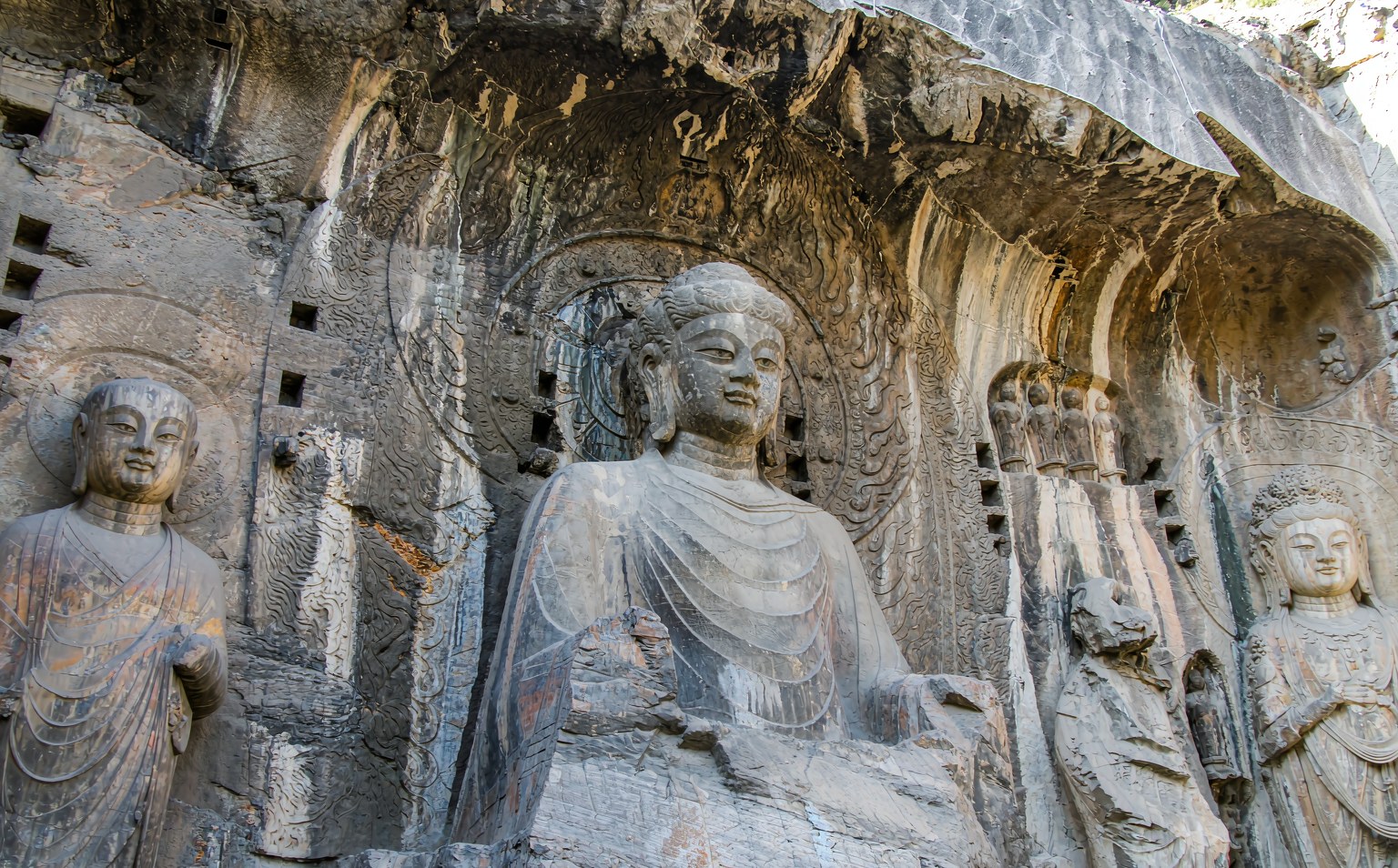
Luoyang Departure: Longmen Grottoes, White Horse Temple and the Han-Wei City, 4 Days
Four days without leaving the city: carved stone at Longmen, the first Buddhist temple at Baima, and six hundred years of capital pressed into the earth at the Han-Wei site. From November Longmen closes its gate at five.
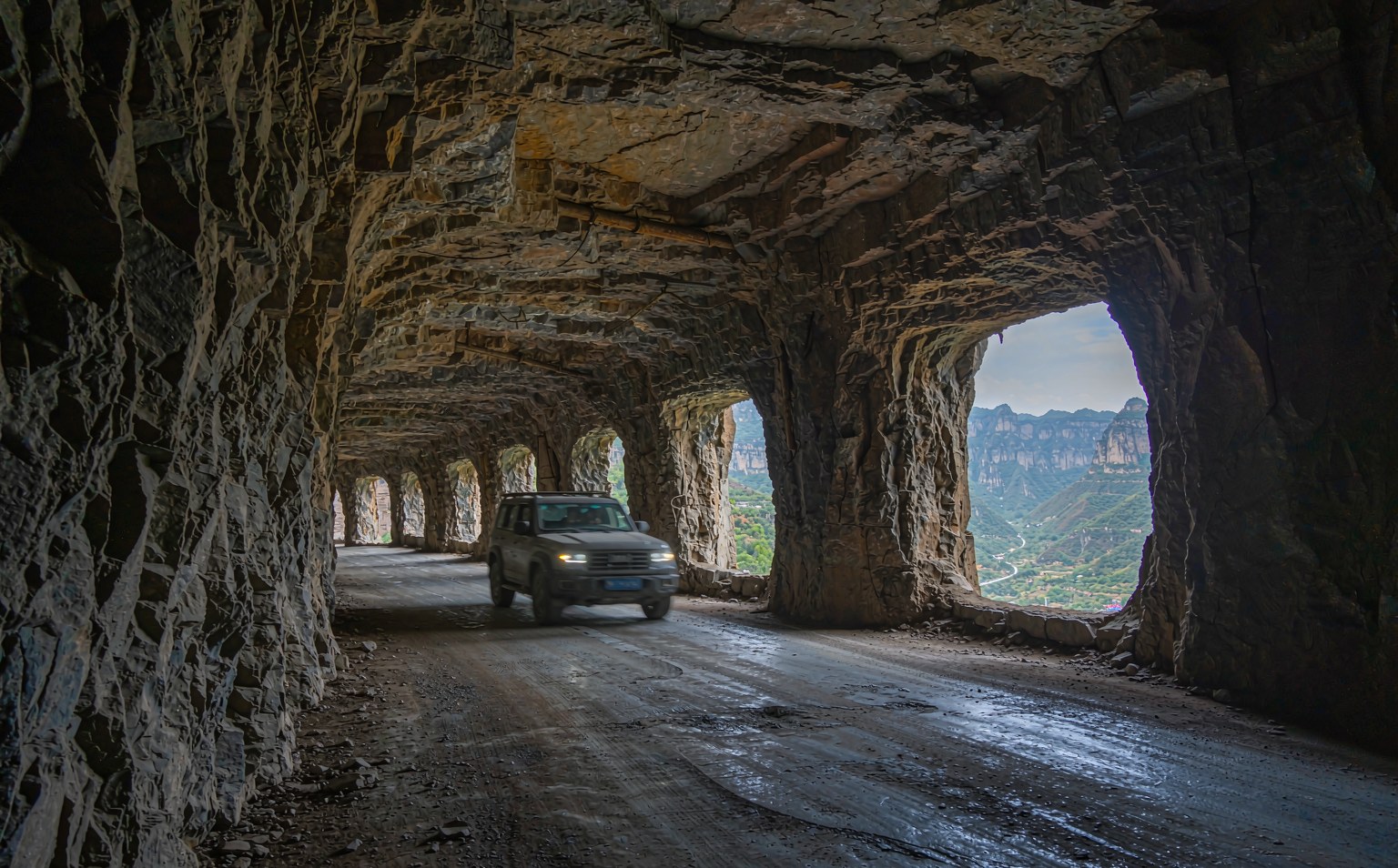
Luoyang Departure: Wanxian Mountain, Guoliang Village, Nanping and Luojiezhai, 3 Days
Three days living on the Taihang cliffs: the 1,250-metre tunnel road at Guoliang first, then the streams of Nanping, and finally the stone houses of Luojiezhai. By November the leaves are down and the rock face shows itself.
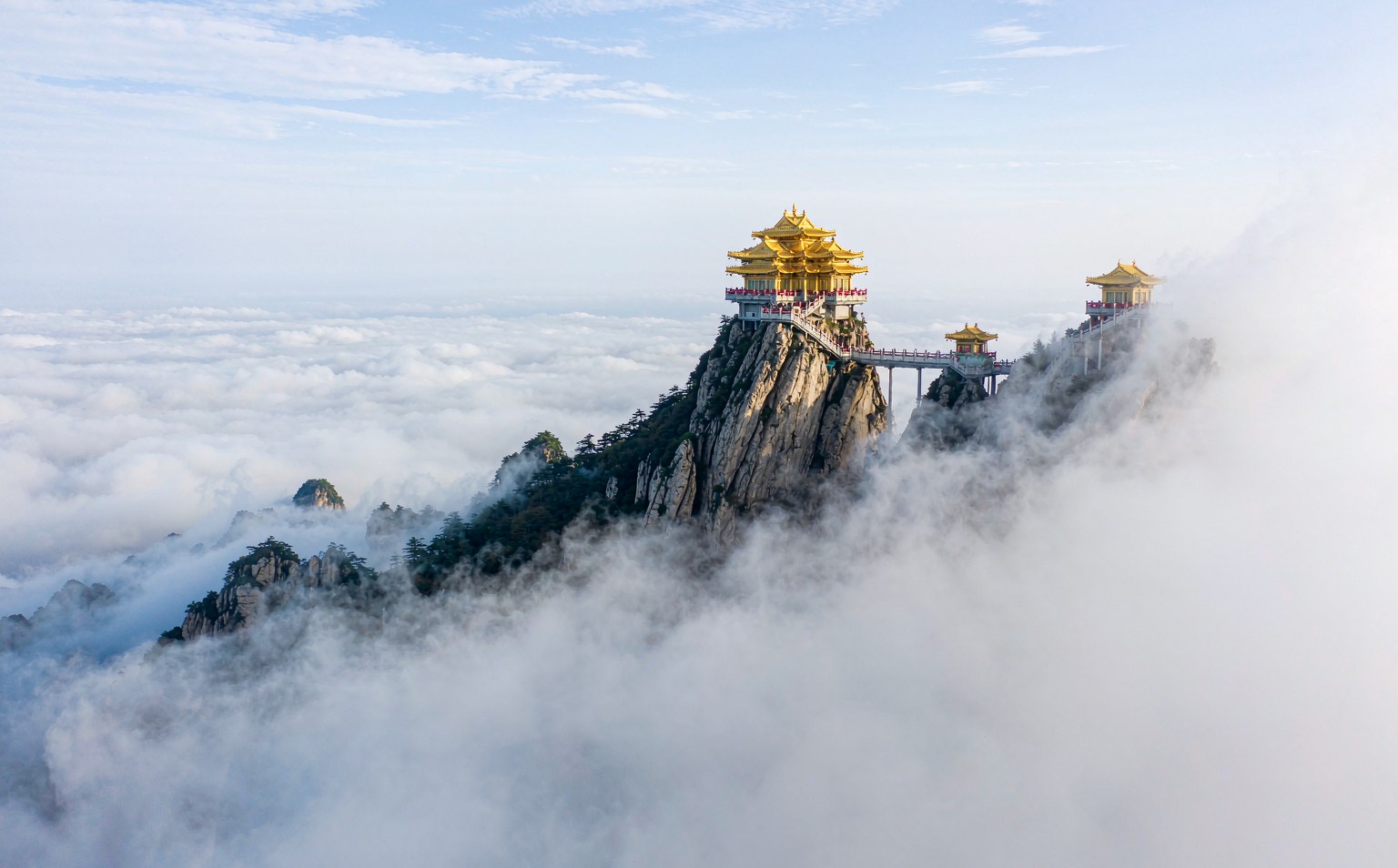
Luoyang Departure: Laojun Mountain, Jiguan Cave and Tianhe Grand Canyon, 5 Days
Down into a cave first, then up a mountain, then along a gorge: 1,800 metres inside Jiguan, a night on the summit waiting for the lamps and the sunrise, and a canyon so empty in low season that only water makes noise.
Luoyang Departure: Shaolin Temple, Sanhuangzhai, Songyang Academy and the Observatory, 4 Days
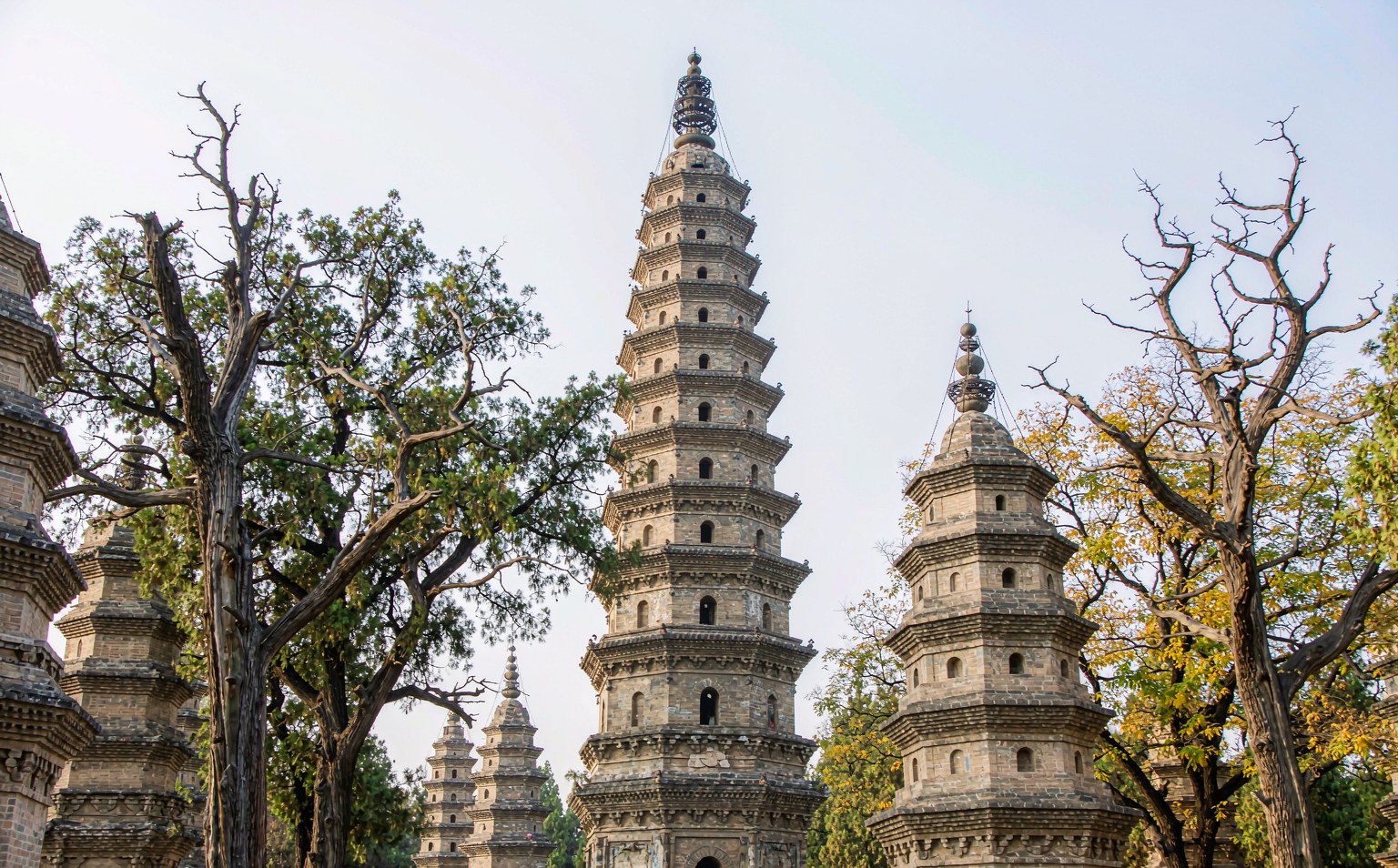
Four days moving between the two flanks of Mount Song: two-thousand-year-old cypresses at the academy, the pagoda forest at Shaolin, a cliff boardwalk at Sanhuangzhai, and a Yuan dynasty observatory at the end. Lodging stays in the county town, half an hour from everything.