
Beijing in Seven Days from Luoyang, the Forbidden City and the Great Wall in Low Season
November is low season in Beijing. The Forbidden City costs forty yuan, Badaling thirty five, and the queues are half what they are in October. Seven days, one major site a day, with courtyards and hutong in between.
Highlights
Day 1: Rail to Beijing West, an evening at Shichahai
A midday train from Luoyang Longmen puts you at Beijing West in a little over four hours. Metro into the city, bags down by four, then walk to Shichahai and watch the sun drop behind the western hills from Yinding bridge. Yandai Xiejie runs south from there, a narrow lane of snack stalls and second hand bookshops, and Gulou comes up just as the light goes.
Attraction introduction: Shichahai is three linked lakes, and in the Yuan dynasty it was the terminus of the canal that fed the capital. The shore is lined with courtyard houses turned into teahouses and small restaurants. Yinding bridge is the classic spot for the western hills at sunset, and the lane called Yandai Xiejie takes its name from the tobacco pipe shops that lined it in the late Qing.
Tips: Guests generally find the first day is where they overreach, squeezing in one more site and ending up seeing neither. In practice we keep arrival day to half a day, walking and eating, with no ticketed attraction. Beijing is dark by half past five in November, so nothing should be scheduled past six.
Day 2: A full day inside the Forbidden City
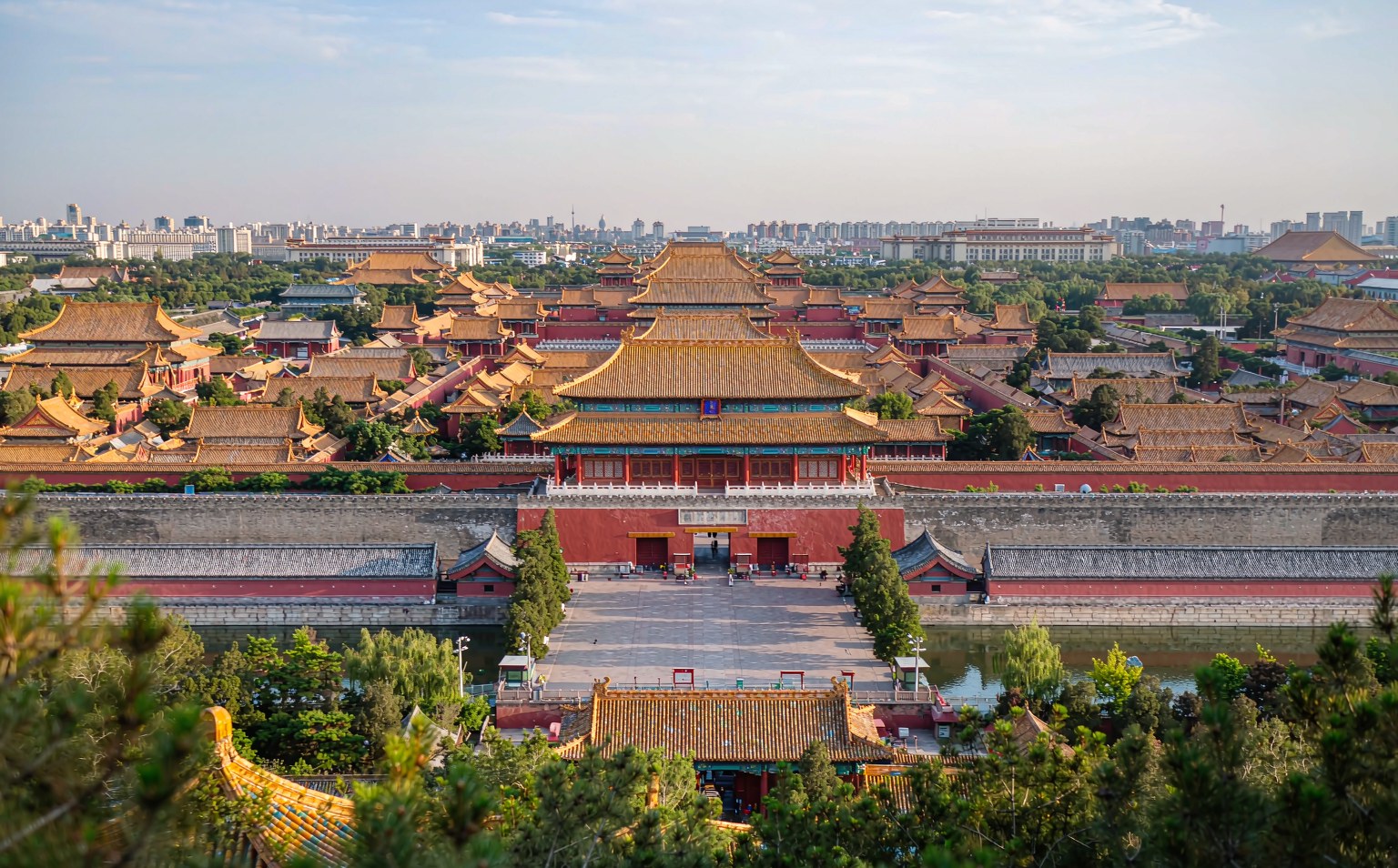
At half past eight at the Meridian Gate, through security and a pause in the square beyond before the crowd builds. The three great halls come first, north along the axis, then a sit down at the Arrow Pavilion before the eastern palaces, the clock gallery and the treasures hall, and out through the imperial garden to the Gate of Divine Prowess. Jingshan is directly opposite, ten minutes uphill to the pavilion that looks down on the whole roofscape.
Attraction introduction: The Forbidden City was the palace of the Ming and Qing courts. The axis runs from the Meridian Gate through the three great halls to the northern gate, with the six eastern and six western palaces flanking it. The hall of supreme harmony is the largest timber hall still standing in the country, and the sundial and grain measure in front of it are original. Jingshan itself is a hill raised from the earth dug out of the moat.
Tips: Guests generally find the walking is what breaks them, twenty thousand steps in a day, so soft shoes matter more than a camera. In practice we take the axis end to end, two of the eastern palaces, one stretch of the western side, and turn back after the treasures hall rather than chasing every courtyard. Food inside is scarce, so eat early or carry something.
Day 3: Badaling on foot, then down into Dingling
Out of the city at seven, an hour and a half on the expressway to Badaling. No cable car: up from the first northern tower, hand on the iron rail where the slope steepens, forty minutes to the eighth tower and a look back at the wall folding along the ridge. Lunch outside the gate, then forty minutes west to Dingling and the stairs down into the underground palace, back up to the stone bases of the hall that once stood above it.
Attraction introduction: Badaling was the forward post of Juyong Pass, its wall built along the spine of the Jundu mountains. The northern section is the steepest, and the eighth tower is the highest point open to visitors. Dingling is the tomb of the Wanli emperor and his two empresses, excavated in the nineteen fifties. Five stone chambers sit underground, and the rear hall holds the replica coffins on a stone platform.
Tips: Guests generally find the wind on the wall is far stronger than in the valley, cold enough in November that fingers stop working a camera. In practice gloves and a hat go in the day bag, and turning back at the fourth tower is a reasonable choice. The Dingling stairs are damp, so use the handrail, and no flash inside the chambers.
Day 4: The Summer Palace corridor, then the ruins at Yuanmingyuan
Metro to the north gate and in past Suzhou street, over Longevity Hill to the base of the pagoda, then east along the covered corridor to the halls at its end. A rest near the marble boat, out by the new palace gate, and two stops west to Yuanmingyuan, straight to the European palace ruins where the stone columns of the great fountain stand on a grassy slope.
Attraction introduction: The Summer Palace began as the Qingyi garden, and Kunming Lake takes three quarters of the grounds. The octagonal pagoda on Longevity Hill looks out over the seventeen arch bridge and the western causeway. The corridor runs more than seven hundred metres and carries some fourteen thousand painted panels overhead. Yuanmingyuan was burned in eighteen sixty, and the carved stone shells of the western palaces were left where they fell.
Tips: Guests generally find the Summer Palace is too large to finish and easy to walk in circles. In practice we cover the front slope and the corridor only, skip the circuit of the lake, and leave the causeway for another trip. The two parks are half an hour apart on foot and two stops by bus, so take the bus. Wind off the water is hard in November, bring a layer for sitting down.
Day 5: The Temple of Heaven, then the Prince Gong mansion
In from the east gate of the Temple of Heaven to the Hall of Prayer for Good Harvests, its three tiers of blue tile very bright against a clear winter sky. South to the circular mound and the imperial vault, where people stand at the echo wall and try a sentence or two. Noodles outside the south gate for lunch, then metro to Shichahai and the Prince Gong mansion, the nanmu partitions in one hall and the garden behind, with a queue for the calligraphy stone.
Attraction introduction: The Temple of Heaven is where Ming and Qing emperors prayed for harvests. The hall stands on thirty two columns, the four central ones standing for the seasons. The circular mound is a three tier stone terrace where a word spoken at the centre stone comes back to you. The Prince Gong mansion was built for a Qianlong minister and later given to Prince Gong, and its garden holds a rockery with a famous good fortune stone hidden in a cave.
Tips: Guests generally find both sites lose their light by late afternoon, and the halls go dim. In practice the temple goes first thing and the mansion by two, and if the stone queue is long we walk the garden instead. The mansion closes on Mondays, so check the day before.
Day 6: Incense at the Lama Temple, an afternoon in Wudaoying
The Lama Temple early, three sticks of incense at the gate, then north along the axis to the Pavilion of Ten Thousand Happiness, where a standing Maitreya carved from a single sandalwood trunk rises eighteen metres and you have to tilt back to see the face. West along Guozijian street under the archway and the old locust trees, lunch in Wudaoying, then an afternoon drifting through the small shops towards the metro.
Attraction introduction: The Lama Temple was built as a princely residence before the Yongzheng emperor took the throne, and later became a Tibetan Buddhist monastery, the largest in Beijing. The Maitreya was cut from one sandalwood log, eight metres of it below ground. Guozijian was the highest seat of learning in the Yuan, Ming and Qing, and its lecture hall is a square pavilion with no interior columns.
Tips: Guests generally find the temple is crowded, especially on the first and fifteenth of the lunar month. In practice we go in the first hour after opening, when the incense crowd has not arrived and the thangkas are visible. Shops in Wudaoying open around two, so do not go early, and the Confucius temple next to Guozijian shares one ticket if time allows.
Day 7: Dashilan, then the train home
Check out and leave the bags, metro to Qianmen, and walk south from the archery tower into Dashilan, a paved street of old silk, shoe and medicine shops. Turn west into Yangmeizhu Xiejie, quiet enough to hear a bicycle bell. Lunch, back for the bags, and an afternoon train to Luoyang.
Attraction introduction: Qianmen street is the southern stretch of the old city axis, and Zhengyangmen was the front gate of the inner city, its tower and archery tower facing each other across the road. Dashilan has been a shopping street since the Ming, and by the late Qing it held silk merchants, shoemakers, pharmacies and theatres, several of which still trade on the original sites. Yangmeizhu Xiejie runs at an angle and held several publishing houses in the republican years.
Tips: Guests generally find the last day is where the timetable slips, since Qianmen to Beijing West is forty minutes by metro before security and bag collection. In practice we book nothing earlier than three in the afternoon, which leaves the morning free. The shops on Dashilan open at ten, so an early start only gets you shuttered fronts.
Related Tours
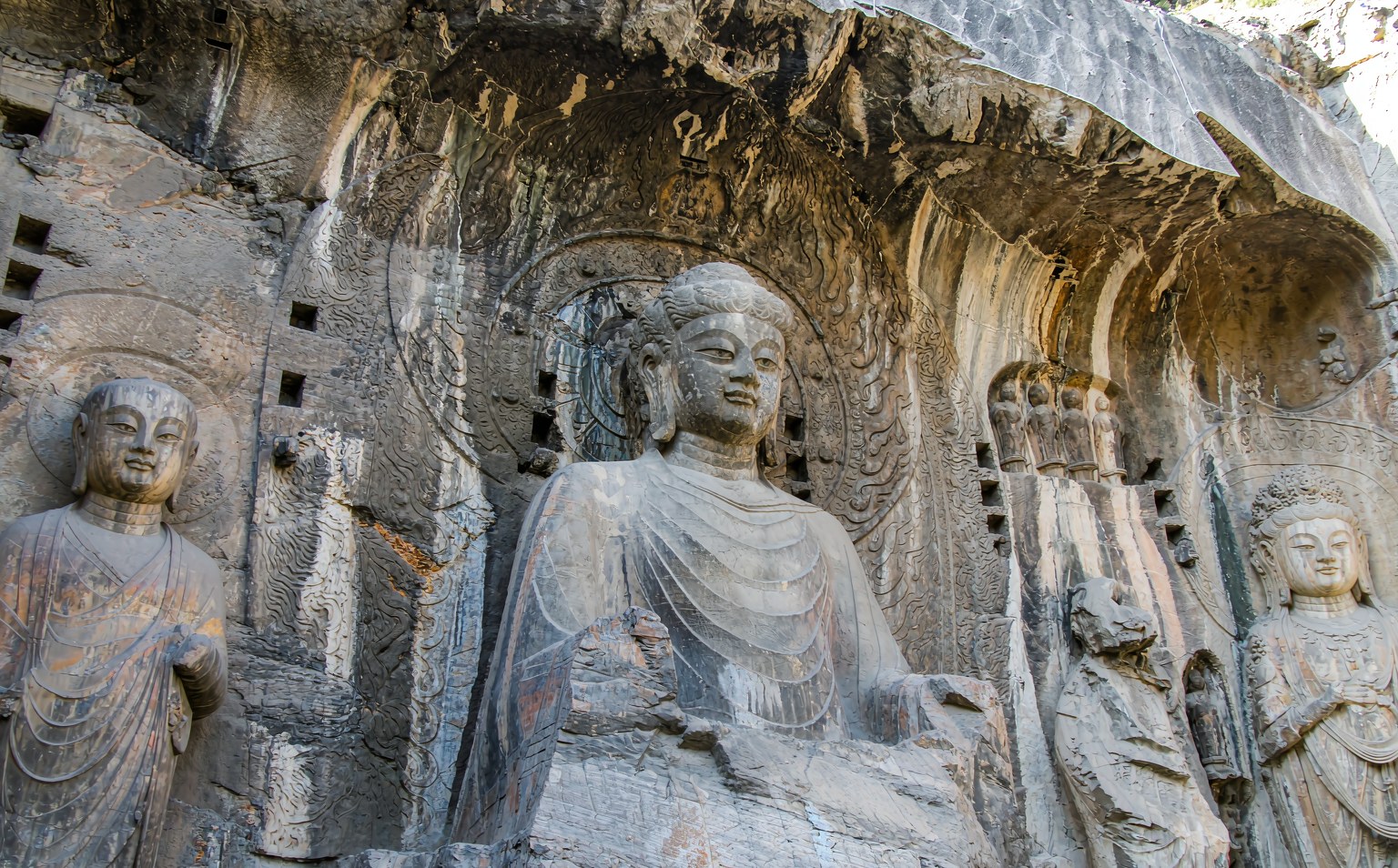
Luoyang Departure: Longmen Grottoes, White Horse Temple and the Han-Wei City, 4 Days
Four days without leaving the city: carved stone at Longmen, the first Buddhist temple at Baima, and six hundred years of capital pressed into the earth at the Han-Wei site. From November Longmen closes its gate at five.
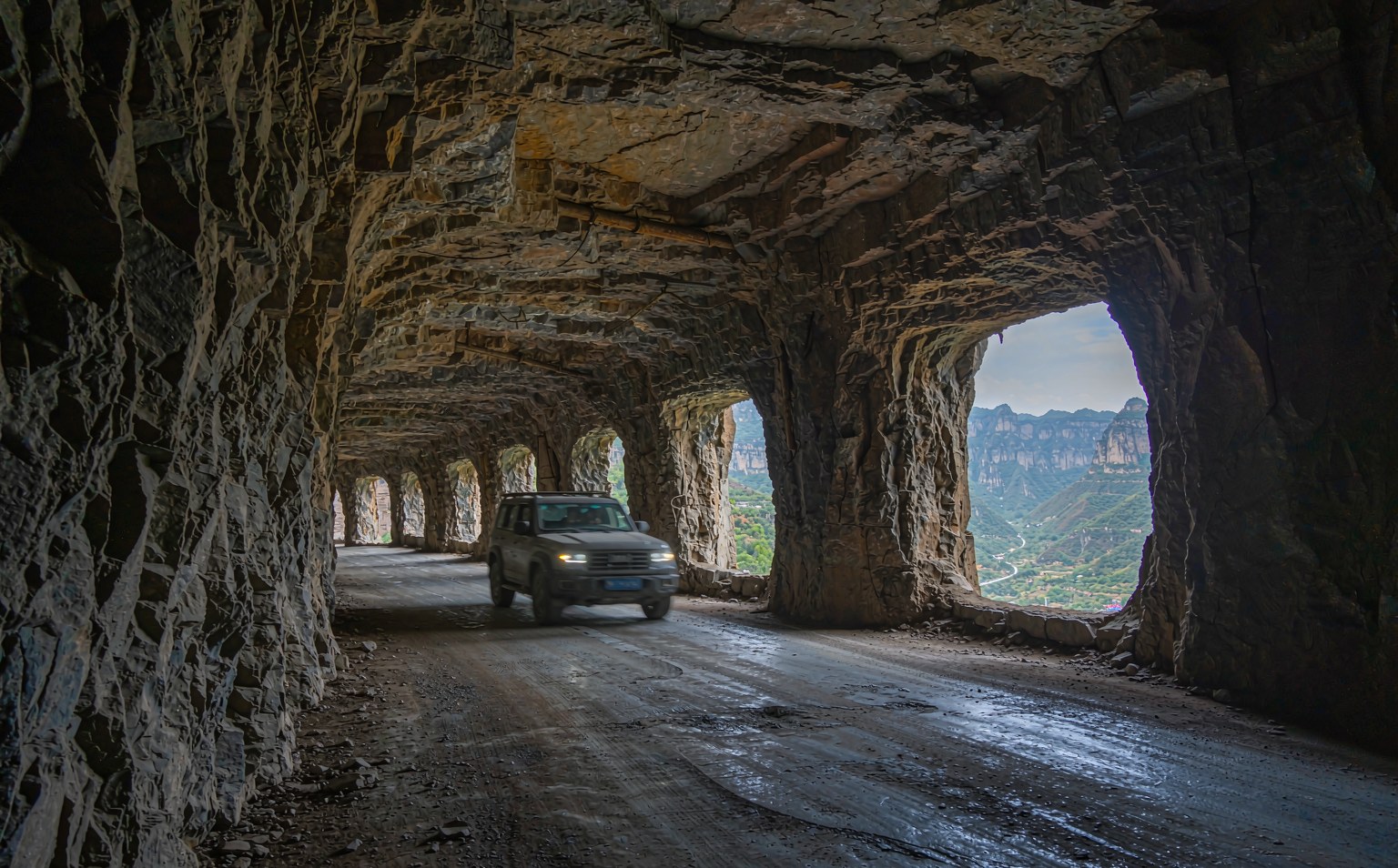
Luoyang Departure: Wanxian Mountain, Guoliang Village, Nanping and Luojiezhai, 3 Days
Three days living on the Taihang cliffs: the 1,250-metre tunnel road at Guoliang first, then the streams of Nanping, and finally the stone houses of Luojiezhai. By November the leaves are down and the rock face shows itself.
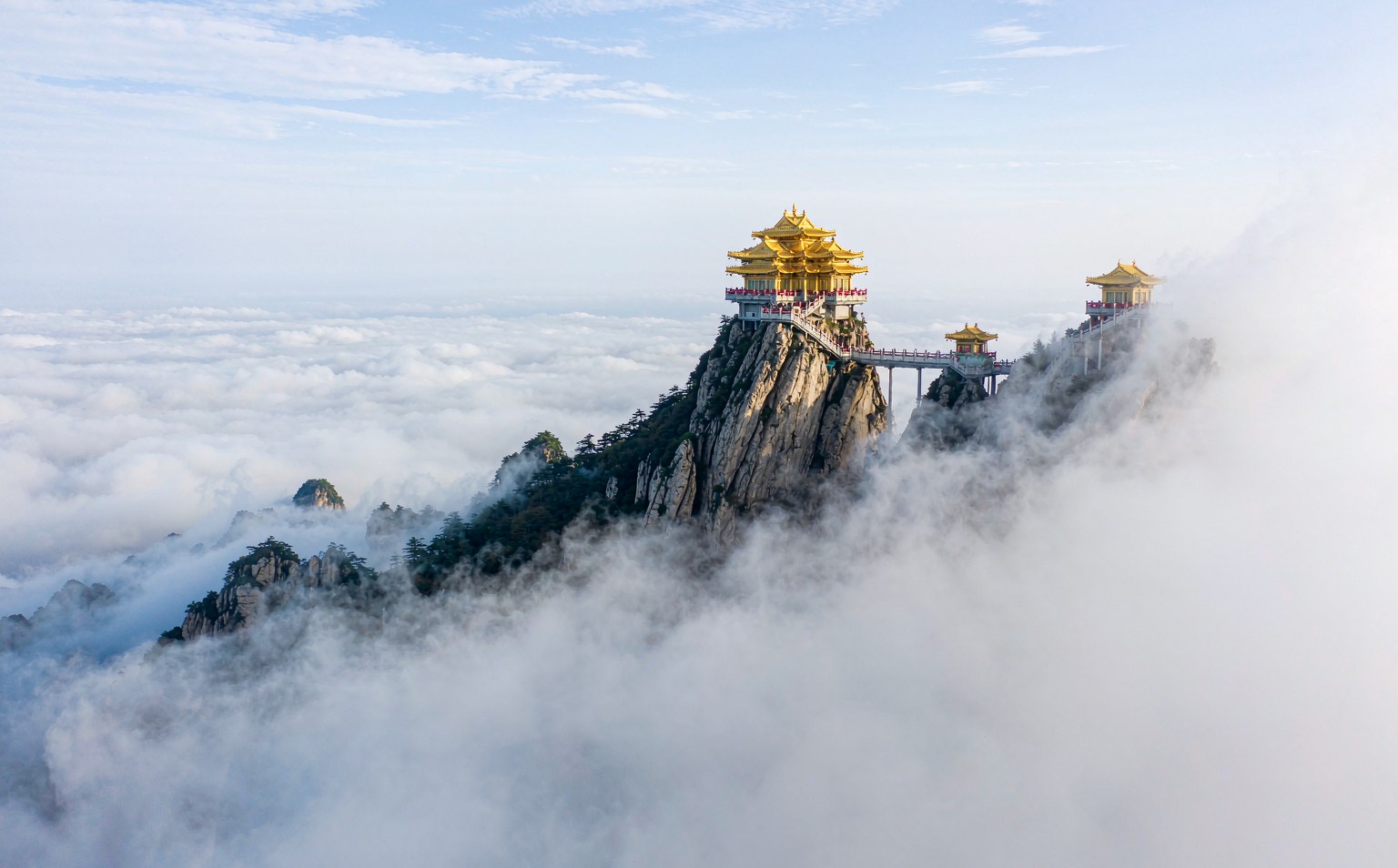
Luoyang Departure: Laojun Mountain, Jiguan Cave and Tianhe Grand Canyon, 5 Days
Down into a cave first, then up a mountain, then along a gorge: 1,800 metres inside Jiguan, a night on the summit waiting for the lamps and the sunrise, and a canyon so empty in low season that only water makes noise.
Luoyang Departure: Shaolin Temple, Sanhuangzhai, Songyang Academy and the Observatory, 4 Days
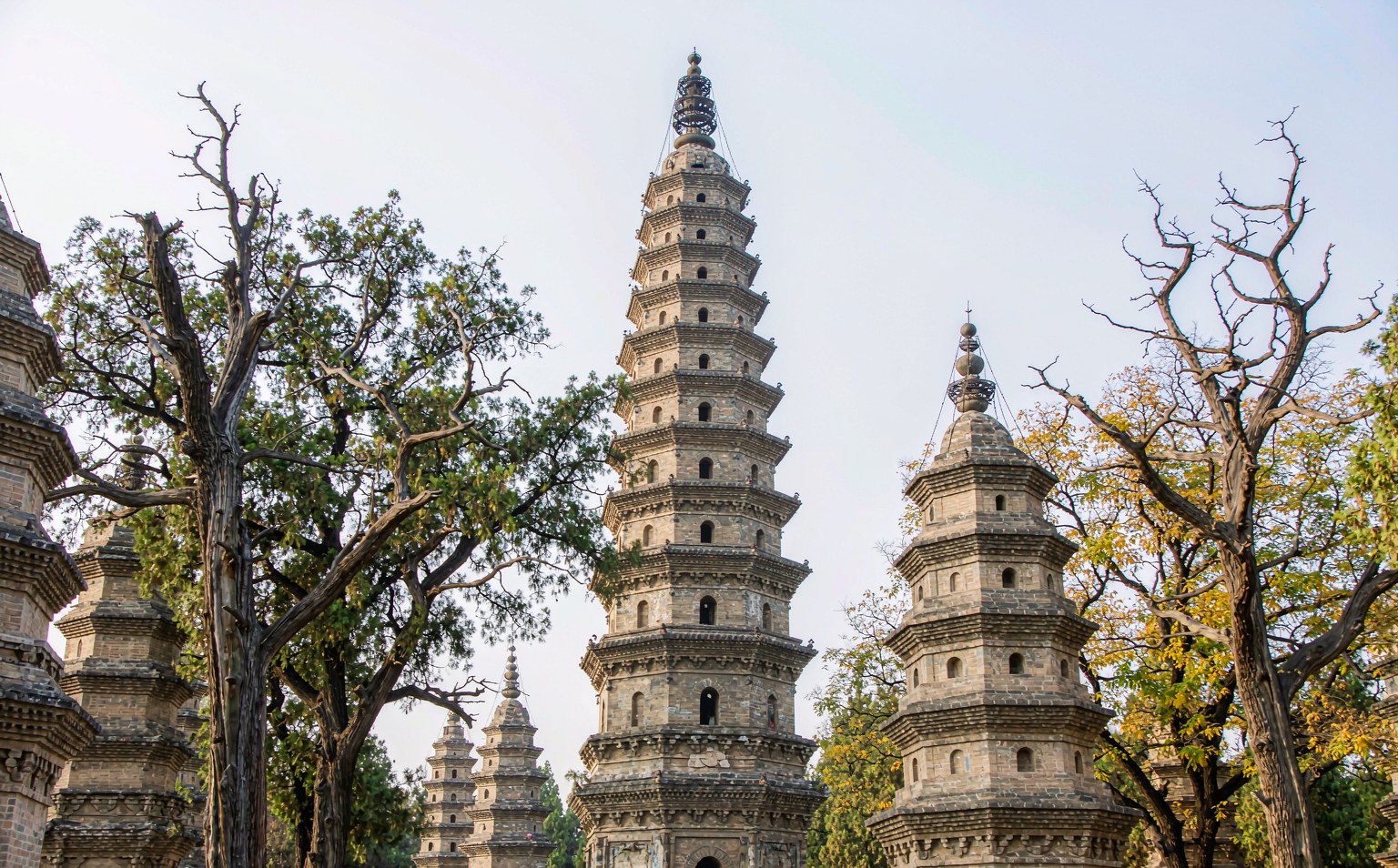
Four days moving between the two flanks of Mount Song: two-thousand-year-old cypresses at the academy, the pagoda forest at Shaolin, a cliff boardwalk at Sanhuangzhai, and a Yuan dynasty observatory at the end. Lodging stays in the county town, half an hour from everything.