
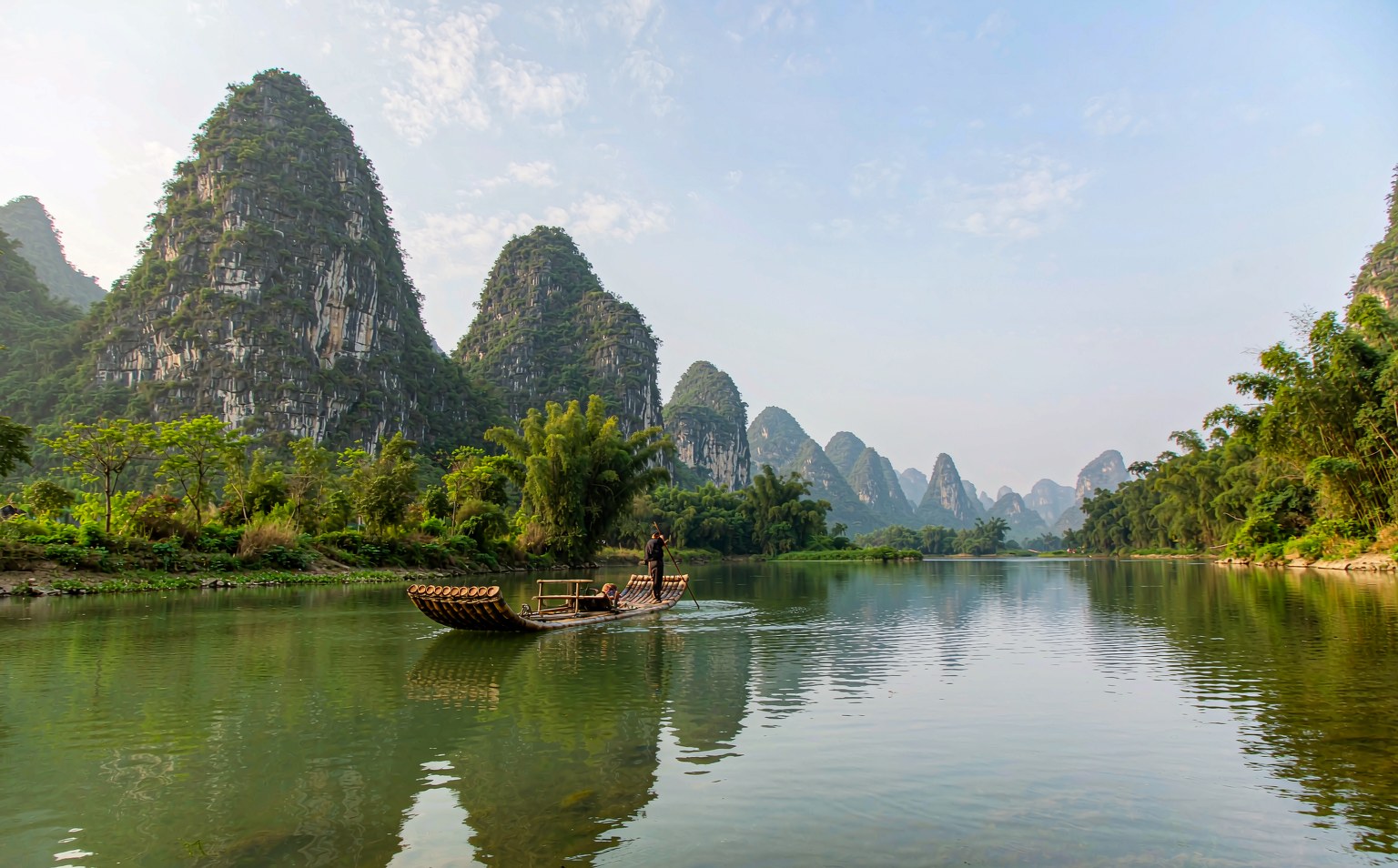
Guilin and the Li River in Six Days from Luoyang, Xingping and the Yulong River
November brings the dry season to the Li River. The water drops, the current slows, and the hills stand whole in the reflection. Six days: one four star boat, a night at Xingping, and bicycles along the Yulong.
Highlights
Day 1: Rail to Guilin, an evening in Dongxi lane
A morning train from Luoyang Longmen, south all day, and past Hengyang the shapes change, stone peaks rising out of the fields one after another. Guilin by evening, station to hotel, bags down and out to Dongxi lane, where the walls are grey brick and lanterns hang under the eaves, and the city wall of the old princely palace closes the far end.
Attraction introduction: Guilin sits in north east Guangxi with the Li River running through it, and Elephant Trunk Hill is its emblem. Dongxi lane is a surviving quarter of the Ming and Qing city, two lanes flanking one street, with horse head gables and timber windows, now holding teahouses and noodle shops. The Jingjiang palace wall was built more than thirty years before the Forbidden City.
Tips: Guests generally find the first evening is where they overeat, since the rice noodles go down too easily. In practice start with a small bowl with braised beef and crackling rather than ordering three toppings. The city is low and flat, so an evening walk needs only a light jacket.
Day 2: Four hours down the Li River to Yangshuo
At Zhujiang wharf by eight, ticket scanned, seats on the upper deck with standing room on the bow. The peaks start within twenty minutes, one behind another with the river bending between them. A simple lunch is served on board, and halfway through it the cliff called Nine Horses comes up and the whole boat goes out to count them. Alongside at Yangshuo by early afternoon, and ten minutes on foot to West Street.
Attraction introduction: The Li runs eighty three kilometres from Guilin to Yangshuo through the densest karst in the region, limestone dissolved by water into rounded summits and steep faces. Nine Horses is a cliff whose mineral streaks read as horses, and local telling has it that nine can be found. The stretch below Xingping is the widest, and its view is the one printed on the twenty yuan note.
Tips: Guests generally find the open deck is where the sun does its damage, four hours enough to burn a neck. In practice hat, glasses and sunscreen, plus a long sleeve for the wind. Tea on board is charged separately, so carry a bottle. West Street is crowded at landing, so keep the bag in front.
Day 3: A night at Xingping, waiting for the lamp
North from Yangshuo in the morning, forty minutes to Xingping. The old street is a single lane of stone worn bright, ending at the water. In the afternoon up Laozhai hill, forty minutes of steep steps to a summit that looks down on the great bend of the Li, with the twenty yuan view directly below. Back at the shore by dusk when the fisherman lights his pressure lamp and the raft slides out with cormorants on the bow.
Attraction introduction: Xingping is an old river town that served as a county seat in the Three Kingdoms period, its arcaded shophouses and grey brick still standing. Luosi hill east of the town is named for its coiled shell shape, and the view from the water below it is the one on the banknote. Laozhai hill west of town rises above three hundred metres to a platform over the first great bend.
Tips: Guests generally find the steps on Laozhai have no railing and the descent is harder than the climb. In practice wear grippy shoes, come down sideways, and be off the hill before dark. The cormorant display is a paid arrangement, twenty to fifty, so settle the price before raising the camera.
Day 4: Rafts on the Yulong, bicycles after lunch
Back to Yangshuo in the morning, at Jinlong bridge by ten for a two person raft, poled along by hand where the water is shallow enough to see the stones. Paddy and bamboo on both banks, and at each weir the raft drops through with a sheet of spray. Two hours or more to Jiuxian, lunch in the village, then bicycles in the afternoon along the ten mile gallery, a flat road between peaks and fields.
Attraction introduction: The Yulong is a tributary of the Li, rising near Baisha and joining it at Yangshuo, narrow and slow and nowhere deeper than two metres. The Jinlong to Jiuxian stretch is the classic raft run and crosses nine weirs. The ten mile gallery is the road from Yangshuo toward Moon Hill, peaks ranged along both sides and an hour by bike.
Tips: Guests generally find the weirs soak trousers and shoes, which a shell jacket will not stop. In practice wear quick drying trousers, buy the shoe covers at the wharf and put the phone in a dry pouch. Boatmen suggest photo stops at extra cost, so decline if not wanted, and keep right on the road.
Day 5: The Silver Cave, then Elephant Trunk Hill
Half an hour south in the morning to the Silver Cave, an unremarkable entrance and then an hour of chambers, stalactites hanging overhead and the calcite curtains catching the lights. Lunch at Lipu, then two hours back to Guilin. Elephant Trunk Hill by late afternoon, the trunk in the water and the round opening through it cut by the river itself.
Attraction introduction: The cave at Maling in Lipu is a multi level system with a lower passage, a great hall and an upper gallery, its formations still growing at less than a millimetre a year. Elephant Trunk Hill stands where the Li meets the Peach Blossom river, two hundred metres of limestone, its water moon cave worn through by groundwater over a very long time.
Tips: Guests generally find the cave is warmer than the air outside and a walk through leaves a shirt wet. In practice shed the jacket before entering and use the rail, since the floor is wet. Formations must not be touched, as skin oil stops the growth. The hill is free but needs booking, and the far bank gives the best angle.
Day 6: A bowl of noodles, then the train
No rush in the morning, a bowl of Guilin rice noodles at a street shop, the braised broth poured over, with crackling and pickled beans. Back at nine to pack, away at half past ten for Guilin North, and a midday train home, arriving in Luoyang in the evening.
Attraction introduction: The broth is built from dozens of spices and every shop guards its own formula. The noodles are round, blanched and dressed at the table. Guilin North is the junction of the Xianggui railway and the Guiyang Guangzhou high speed line, twenty minutes from the centre. The karst around Guilin is the largest and most fully developed in the world and was listed by UNESCO in twenty fourteen.
Tips: Guests generally find the last day is where trains get missed, since the queue at Guilin North is slow. In practice we arrive ninety minutes early, and earlier still with heavy bags. The broth runs salty, so ask for less on a first bowl.
Related Tours
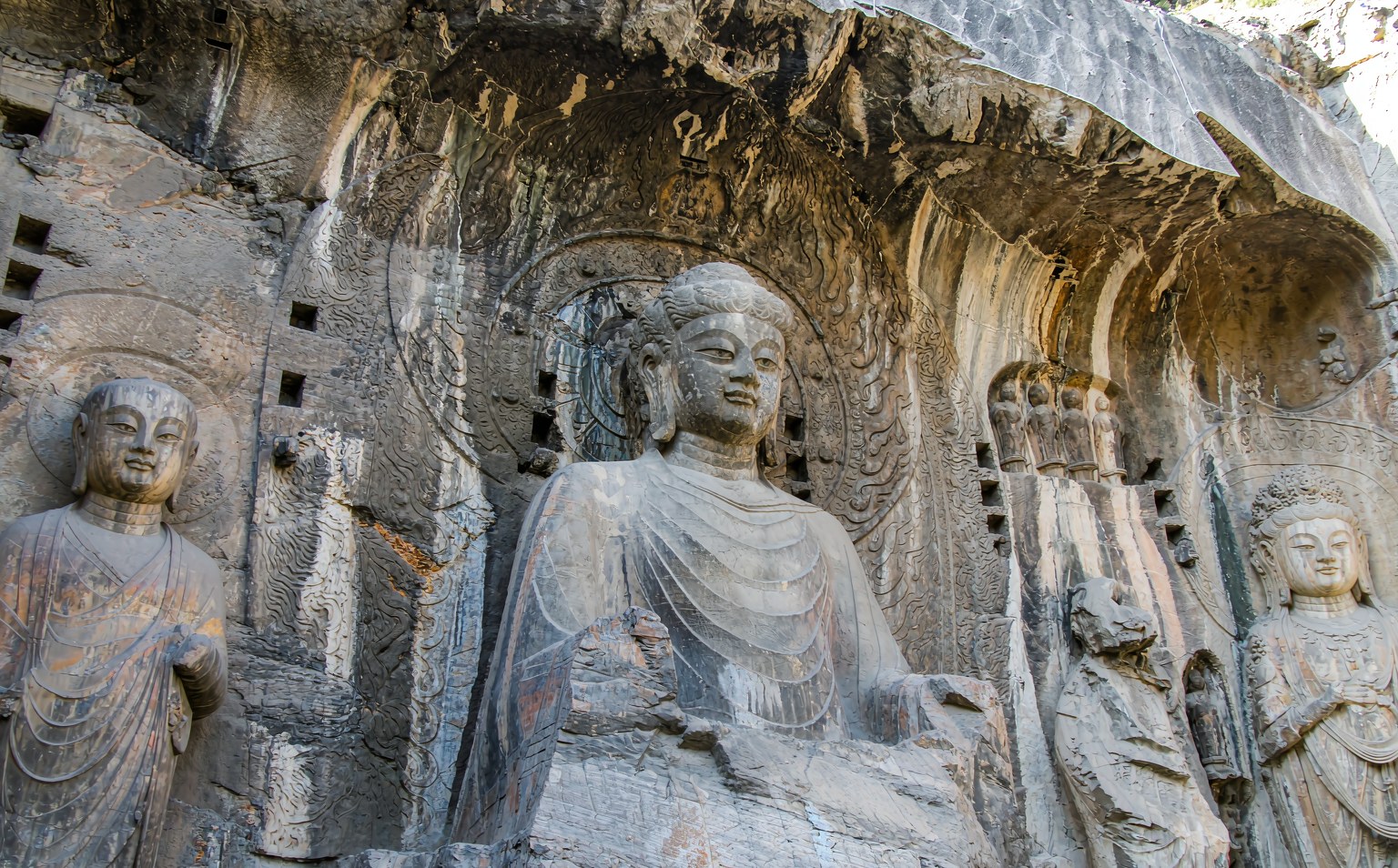
Luoyang Departure: Longmen Grottoes, White Horse Temple and the Han-Wei City, 4 Days
Four days without leaving the city: carved stone at Longmen, the first Buddhist temple at Baima, and six hundred years of capital pressed into the earth at the Han-Wei site. From November Longmen closes its gate at five.
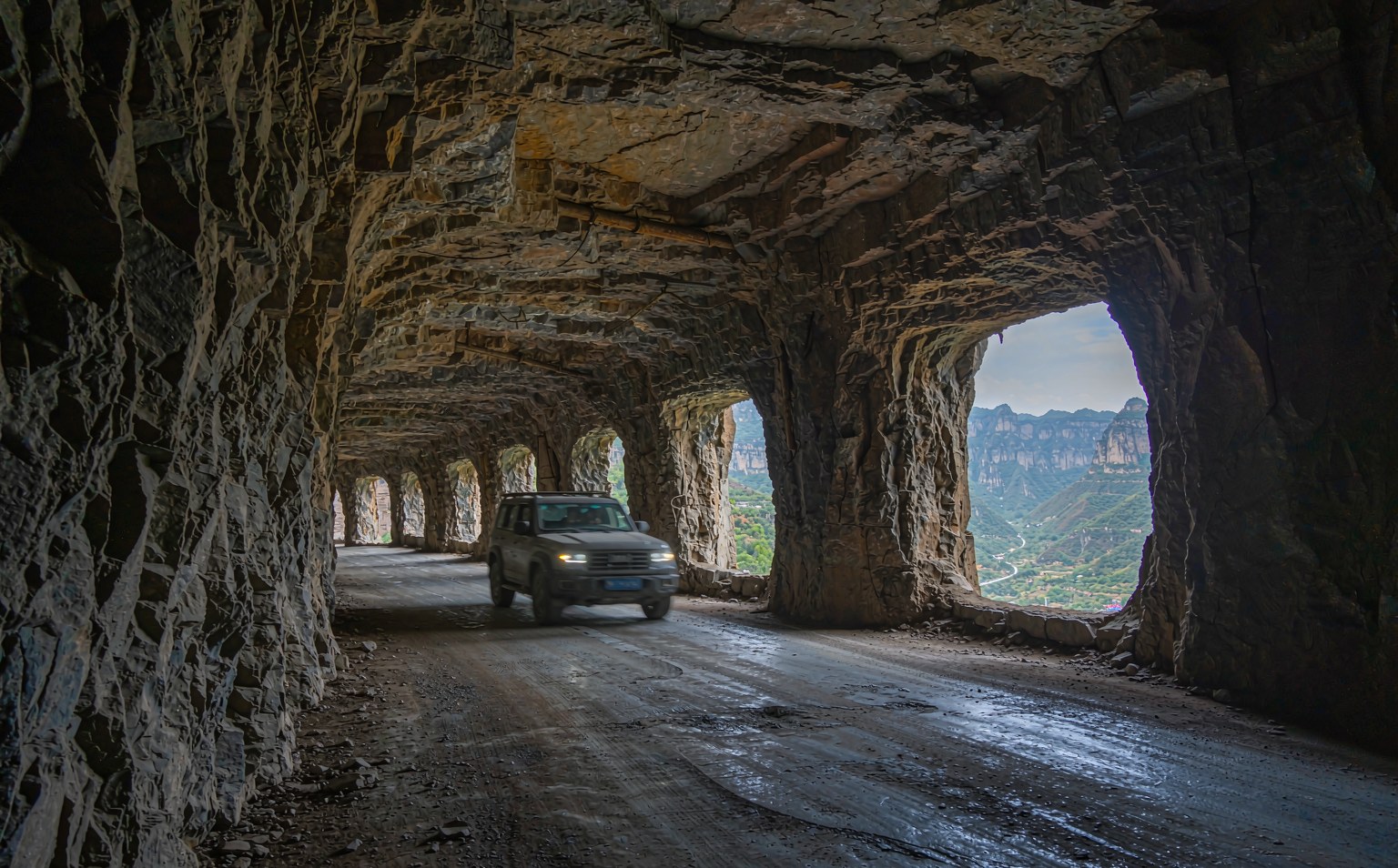
Luoyang Departure: Wanxian Mountain, Guoliang Village, Nanping and Luojiezhai, 3 Days
Three days living on the Taihang cliffs: the 1,250-metre tunnel road at Guoliang first, then the streams of Nanping, and finally the stone houses of Luojiezhai. By November the leaves are down and the rock face shows itself.
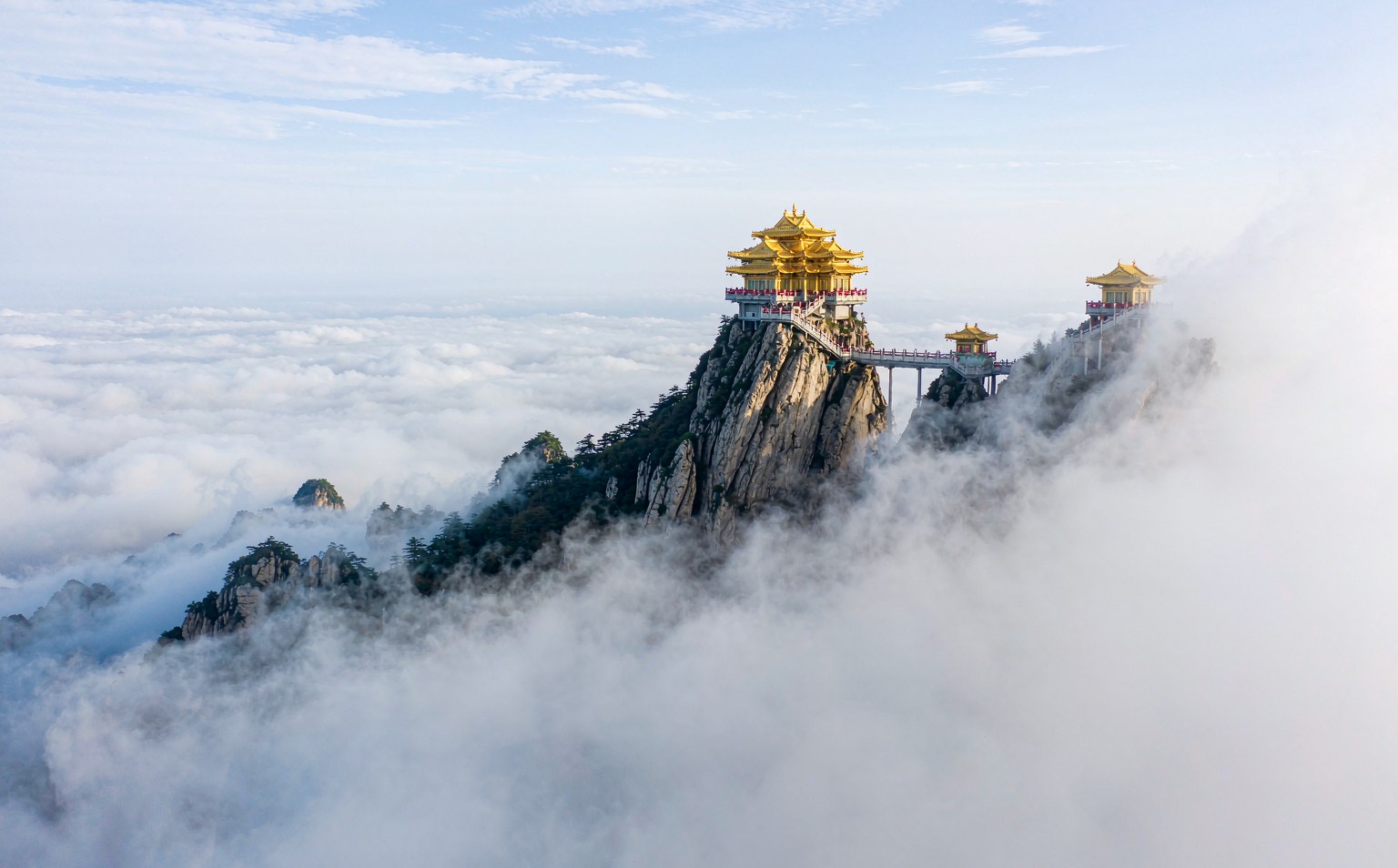
Luoyang Departure: Laojun Mountain, Jiguan Cave and Tianhe Grand Canyon, 5 Days
Down into a cave first, then up a mountain, then along a gorge: 1,800 metres inside Jiguan, a night on the summit waiting for the lamps and the sunrise, and a canyon so empty in low season that only water makes noise.
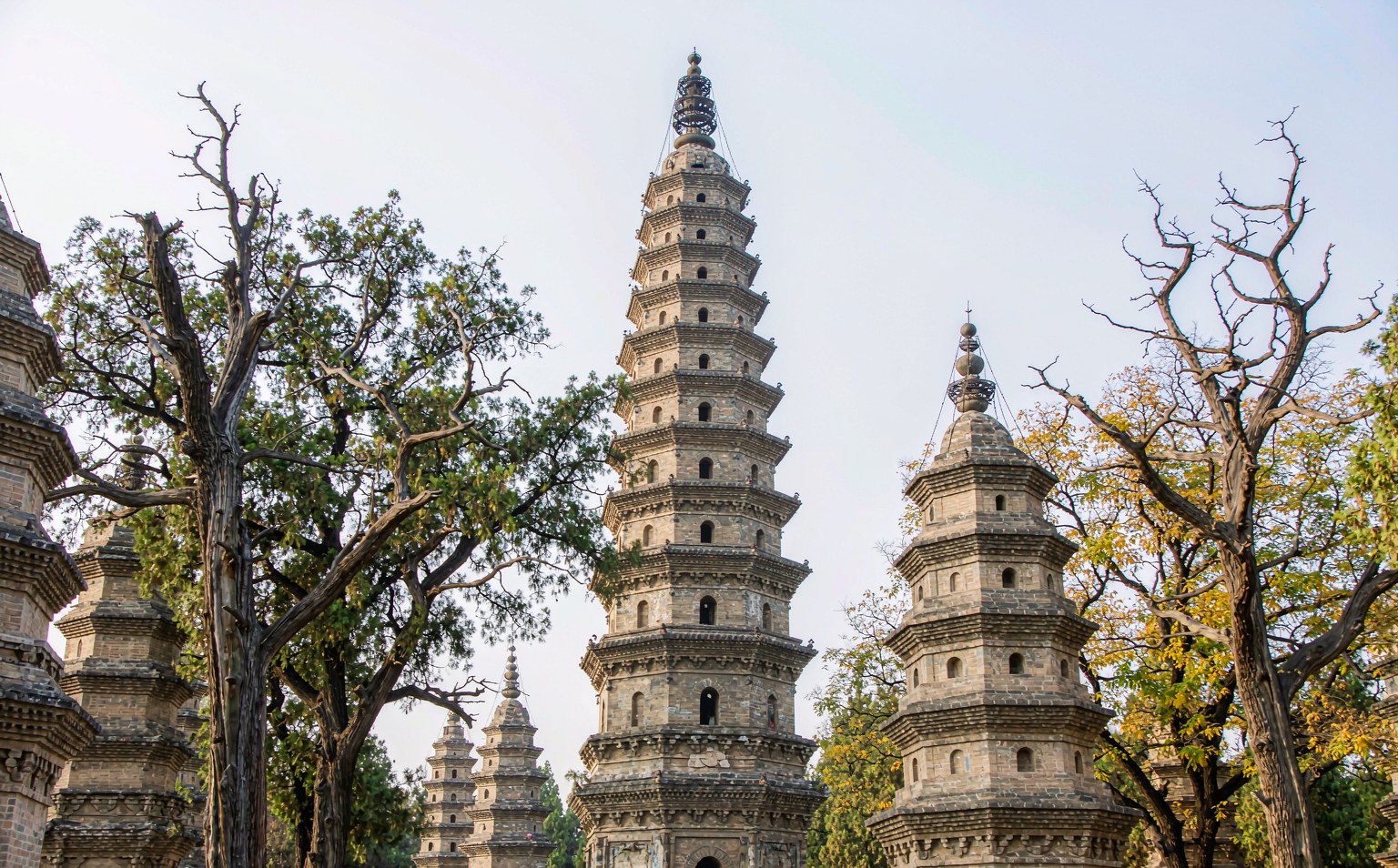
Luoyang Departure: Shaolin Temple, Sanhuangzhai, Songyang Academy and the Observatory, 4 Days
Four days moving between the two flanks of Mount Song: two-thousand-year-old cypresses at the academy, the pagoda forest at Shaolin, a cliff boardwalk at Sanhuangzhai, and a Yuan dynasty observatory at the end. Lodging stays in the county town, half an hour from everything.